
The annual ritual of tax preparation can often feel like a daunting marathon, a complex puzzle requiring meticulous attention to detail and an understanding of ever-evolving regulations. For many, the question isn’t just how to do taxes, but what exactly is needed to embark on this journey successfully. Far from being a mere compliance exercise, approaching tax season with the right information and tools can unlock opportunities for savings, ensure accuracy, and provide invaluable insights into your financial health. This guide will demystify the process, outlining the essential elements you’ll need to navigate tax season with confidence and competence, transforming a potential stressor into a manageable financial task.
The Foundational Pillars of Tax Preparation
Before you even begin collecting documents, a successful tax season starts with a clear understanding of your personal tax landscape and the critical timelines that govern it. Laying this groundwork is paramount to avoiding costly errors and ensuring you capitalize on every opportunity available to you. It’s about recognizing that tax preparation isn’t a single event, but a culmination of your financial activities over the past year.
Identifying Your Taxpayer Status
Your filing status is one of the most fundamental pieces of information that dictates how your taxes are calculated, impacting your standard deduction, tax brackets, and eligibility for certain credits. The IRS recognizes five main filing statuses: Single, Married Filing Jointly, Married Filing Separately, Head of Household, and Qualifying Widow(er) with Dependent Child. Your personal circumstances on the last day of the tax year — December 31st — determine which status applies to you. For instance, if you were divorced by December 31st, you cannot file as Married Filing Jointly for that tax year. Understanding these definitions is crucial, as choosing the incorrect status can lead to incorrect tax calculations, delayed refunds, or even an audit. Individuals often grapple with Head of Household vs. Single, or Married Filing Jointly vs. Separately, highlighting the importance of reviewing the specific criteria for each to ensure an accurate determination. This initial step sets the stage for every subsequent calculation and decision in your tax preparation process.
Understanding Key Tax Deadlines
Tax deadlines are non-negotiable and often come with penalties for late filing or late payment. The primary deadline for most individual taxpayers to file their federal income tax return and pay any tax due is typically April 15th (or the next business day if April 15th falls on a weekend or holiday). However, this isn’t the only deadline to be aware of. Self-employed individuals or those with significant income not subject to withholding might need to make estimated tax payments throughout the year, with quarterly deadlines in April, June, September, and January of the following year. There are also specific deadlines for amending returns, filing for extensions, and responding to IRS notices. Missing these dates can result in late-filing penalties, late-payment penalties, and interest charges, all of which chip away at your financial resources. Proactive calendaring and awareness of these critical dates are vital components of responsible financial management, ensuring compliance and preventing unnecessary financial drains. A robust tax strategy integrates these deadlines into a broader financial calendar, allowing for ample time to gather necessary documentation and make informed decisions.
Essential Documents: The Backbone of Your Tax Return
Once you understand your status and the deadlines, the real work of gathering information begins. Your tax return is a summary of your financial year, and its accuracy hinges entirely on the quality and completeness of the documents you provide. Think of these documents as the evidence supporting every claim, deduction, and credit you make. Without them, your return is vulnerable to scrutiny and potential errors.
Income Statements: W-2s, 1099s, and K-1s
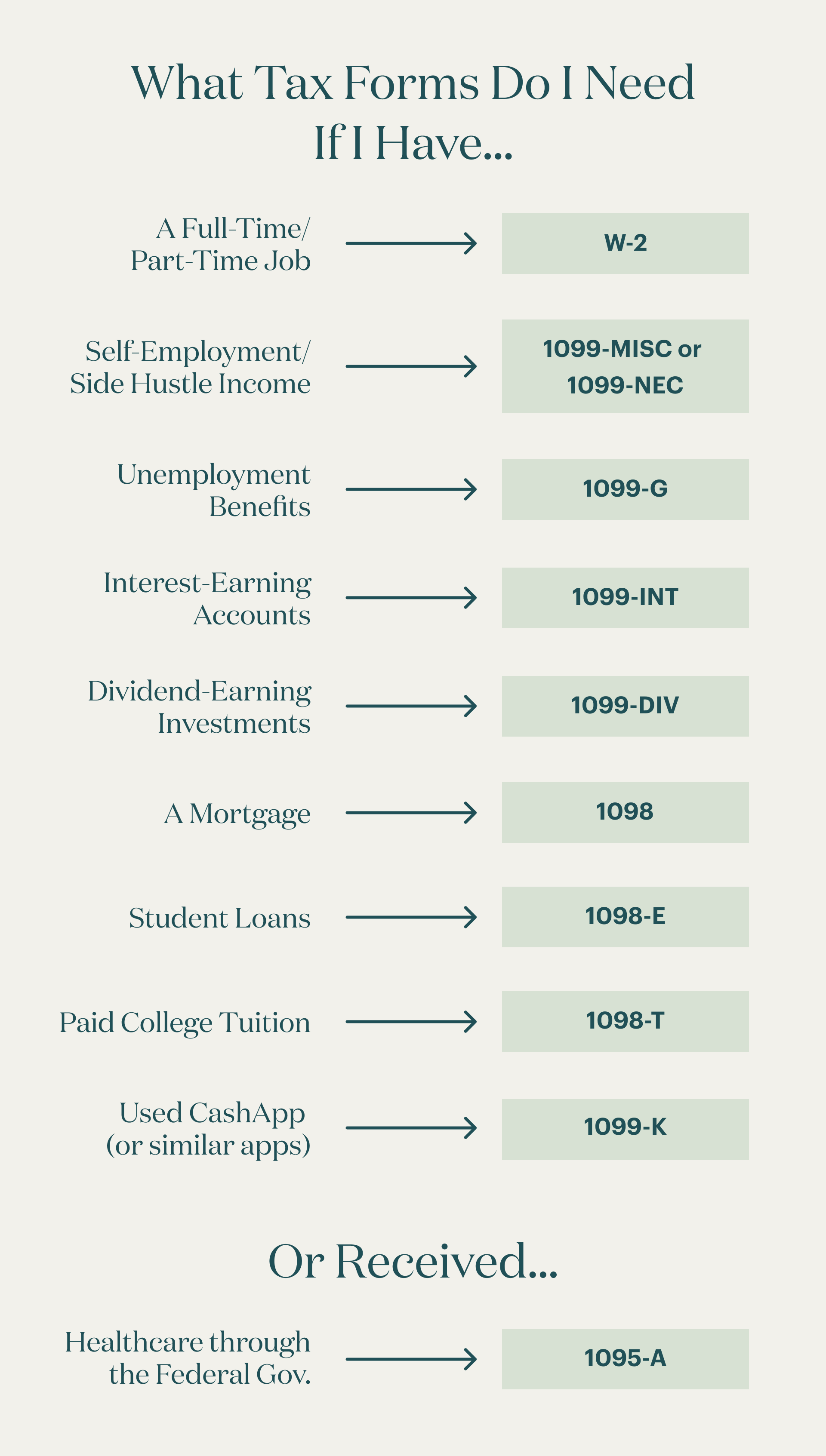
The vast majority of your tax return revolves around your income. For most employed individuals, the Form W-2, Wage and Tax Statement, is the primary document received from their employer, detailing wages earned and taxes withheld. If you’re a freelancer, independent contractor, or receive income from other sources (like rental properties, royalties, or non-employee compensation), you’ll likely receive various Forms 1099. These include 1099-NEC for non-employee compensation, 1099-MISC for miscellaneous income, 1099-DIV for dividends, 1099-INT for interest income, 1099-R for retirement distributions, and 1099-B for proceeds from brokerage transactions. For those invested in partnerships, S corporations, or trusts, a Schedule K-1 will report your share of the entity’s income, losses, and deductions. It’s imperative to collect all relevant income statements, ensuring that every source of income, no matter how small, is accurately reported. Cross-referencing these against your own records, such as bank statements or pay stubs, can help identify any discrepancies before filing.
Deduction and Credit Documentation: Receipts, Statements, and Records
While income dictates your gross tax liability, deductions and credits are what reduce it. Maximizing these requires meticulous record-keeping throughout the year, not just during tax season. For itemized deductions, you’ll need documentation for medical expenses (receipts, insurance statements), state and local taxes (property tax bills, W-2s showing state withholding), mortgage interest (Form 1098), charitable contributions (receipts, acknowledgment letters), and potentially certain business expenses for self-employed individuals. For credits, which directly reduce your tax liability dollar-for-dollar, you’ll need records supporting eligibility for things like the Child Tax Credit (birth certificates, social security numbers), education credits (Form 1098-T, tuition statements), or energy-efficient home improvement credits (receipts, product specifications). Every expense claimed as a deduction or credit must be substantiated. This means keeping organized records, whether digital or physical, of all relevant transactions. A robust record-keeping system throughout the year simplifies this step immensely and can significantly reduce your tax burden.
Investment and Savings Account Information
Beyond basic interest and dividend statements (1099-INT and 1099-DIV), if you engaged in any investment activities, you’ll need comprehensive documentation. This includes Form 1099-B for sales of stocks, bonds, or mutual funds, which details the proceeds and cost basis (if reported by the broker). For cryptocurrency transactions, while not yet always reported on standard forms, you are still required to report all gains and losses. Similarly, contributions to and distributions from retirement accounts (IRAs, 401ks, etc.) will be reported on forms like 5498 (for contributions) and 1099-R (for distributions). Even minor interest earned in a savings account, if over a certain threshold, will generate a 1099-INT. These documents are vital for accurately reporting capital gains, losses, and retirement income, ensuring you comply with tax laws related to wealth accumulation and distribution.
Prior Year’s Tax Returns
Often overlooked but incredibly useful, your previous year’s tax return serves as an invaluable reference. It can provide details like your adjusted gross income (AGI) which is needed for certain deductions and credits, carryover amounts for losses or credits, and even remind you of recurring deductions you might be eligible for. If you used a tax preparer, it helps them understand your financial history. If you’re doing your taxes yourself, it provides a template for consistent reporting of personal information, dependents, and income sources. Having at least the previous three years’ returns readily accessible is a good practice, especially in case of an IRS inquiry.
Navigating Your Filing Options
With all your documents in hand, the next critical decision is how you will prepare and file your taxes. The landscape of tax preparation offers several pathways, each with its own advantages and suitability depending on your financial complexity, comfort with numbers, and budget.
DIY with Tax Software: A Digital Solution
For many taxpayers, especially those with straightforward returns, commercial tax software like TurboTax, H&R Block Tax Software, or TaxAct offers a user-friendly, cost-effective solution. These programs guide you step-by-step through the process, asking questions in plain language and translating your answers into the correct IRS forms. They automatically perform calculations, check for errors, and often suggest deductions or credits you might qualify for. Many platforms also offer state tax filing and e-filing options, making the entire process digital and efficient. While typically less expensive than hiring a professional, the primary requirement here is your willingness to invest the time and carefully review all inputs. This option empowers individuals to take direct control of their tax preparation, fostering a deeper understanding of their financial obligations and potential savings.

Professional Tax Preparers: Expert Guidance
If your tax situation is complex—perhaps you own a small business, have significant investments, deal with foreign income, or have experienced major life changes—hiring a professional tax preparer can be a wise investment. This category includes Certified Public Accountants (CPAs), Enrolled Agents (EAs), and other qualified tax preparers. A professional can offer personalized advice, identify obscure deductions or credits you might miss, and represent you before the IRS if an audit occurs. They bring expertise and peace of mind, especially when navigating intricate tax codes. While this option is generally more expensive, the value derived from accurate filing, maximized savings, and expert advice often outweighs the cost. When choosing a preparer, look for credentials, experience relevant to your situation, and transparent fee structures.
Free Tax Prep Services: For Eligible Taxpayers
For individuals and families meeting specific income thresholds, there are excellent free tax preparation resources available. The IRS offers Free File, a program that partners with commercial tax software companies to provide free online tax preparation and e-filing. Additionally, IRS-sponsored programs like Volunteer Income Tax Assistance (VITA) and Tax Counseling for the Elderly (TCE) offer free tax help to qualified individuals, including those with low to moderate income, persons with disabilities, and limited English-speaking taxpayers, as well as those aged 60 and over. These programs utilize certified volunteers who provide in-person assistance, making professional-grade tax preparation accessible to a broader population and ensuring no eligible taxpayer is left behind due to financial constraints.
Tools and Strategies for a Smoother Tax Season
Beyond simply selecting a filing method, embracing certain tools and proactive strategies throughout the year can transform tax season from a dreaded chore into a streamlined process. The goal is to integrate tax considerations into your ongoing financial management.
Financial Software and Apps: Year-Round Tracking
Modern financial technology has revolutionized how we manage money, and this extends directly to tax preparation. Utilizing personal finance software like QuickBooks Self-Employed, Mint, YNAB (You Need A Budget), or even dedicated receipt-tracking apps can provide a continuous, real-time overview of your income and expenses. These tools can categorize transactions, track mileage, and generate reports that seamlessly integrate with popular tax software. For small business owners or freelancers, robust accounting software can differentiate between personal and business expenses, track invoice payments, and manage payroll taxes, providing a clear audit trail. The benefit here is immense: instead of scrambling to compile a year’s worth of data in March, you have an organized, digital record at your fingertips, reducing stress and increasing accuracy.
Organizing Your Records: Digital vs. Physical
The adage “garbage in, garbage out” applies perfectly to tax preparation. Effective organization of your financial records is critical. Whether you opt for a digital system, a physical filing cabinet, or a hybrid approach, consistency is key. Digital organization involves scanning receipts, saving financial statements as PDFs, and maintaining dedicated folders on cloud storage services (like Google Drive, Dropbox, or OneDrive). Many financial apps now allow you to snap photos of receipts, categorize them, and store them securely. For physical records, a well-labeled filing system with folders for income statements, deductions, investments, and prior year returns ensures easy retrieval. The choice between digital and physical often comes down to personal preference and technological comfort, but the principle remains the same: create a system that allows you to quickly locate any document the IRS might ask for, now or in the future.
Proactive Tax Planning: Beyond Just Filing
The most effective tax strategy isn’t reactive; it’s proactive. Tax planning is a continuous process that involves making financial decisions throughout the year with an eye on their tax implications. This could mean contributing to a traditional IRA or 401(k) to reduce taxable income, timing large purchases to maximize deductions, making estimated tax payments to avoid penalties, or even adjusting your W-4 withholding to better match your tax liability. For business owners, it might involve decisions about equipment purchases, inventory management, or entity structure. A good financial advisor or tax professional can provide year-round guidance on these strategies, helping you minimize your tax burden legally and ethically, ensuring you don’t just do your taxes but optimize them.
What Happens After You File: Post-Submission Steps and Future Proofing
Filing your tax return is a significant milestone, but it’s not the absolute end of your tax responsibilities. There are important post-filing considerations and habits that will serve you well in the long run, ensuring you remain compliant and financially prepared for future tax seasons.
Record Retention: How Long to Keep What
Once your return is filed, the question often arises: how long should I keep all these documents? The IRS generally recommends keeping records for three years from the date you filed your original return or two years from the date you paid the tax, whichever is later. However, for certain situations, this period extends significantly. For instance, if you don’t report income that you should have, the IRS can audit you for up to six years. If you file a fraudulent return, there’s no statute of limitations. For records related to property (like home improvements), you should keep them until seven years after you sell the property. It’s often safer to err on the side of caution, retaining important tax documents for at least seven years, and indefinitely for very significant records like property deeds and retirement account contributions. Secure storage, whether digital or physical, is essential during this retention period.
Understanding Your Refund or Payment Obligations
After filing, one of two outcomes typically occurs: you receive a refund, or you owe additional tax. If you’re due a refund, it usually arrives within a few weeks via direct deposit or check. It’s wise to consider how you’ll use this money—whether to pay down debt, bolster savings, or invest—rather than treating it as “found money.” If you owe tax, you must ensure payment is made by the deadline to avoid penalties and interest. The IRS offers various payment options, including direct debit from your bank account, credit card payments, or payment through an Electronic Federal Tax Payment System (EFTPS). Understanding your outcome and fulfilling the corresponding action promptly is the final step in closing out the current tax year.
Making Adjustments: Amended Returns
Mistakes happen, even with the most careful preparation. If you discover an error on a previously filed tax return, you might need to file an amended return using Form 1040-X. This form allows you to correct errors related to income, deductions, credits, or filing status. You generally have three years from the date you filed your original return or two years from the date you paid the tax, whichever is later, to file an amended return to claim a refund. However, if you owe more tax, you should amend your return and pay the additional tax as soon as possible to minimize penalties and interest. Being aware of the process for amended returns provides a necessary safety net, ensuring that any inaccuracies can be rectified without long-term negative consequences.

Year-Round Habits for Tax Preparedness
Ultimately, the best way to approach tax season is not to approach it as a season at all, but as an ongoing aspect of your financial life. Developing year-round habits for tax preparedness is the most effective strategy. This includes:
- Automating Record-Keeping: Leverage apps or financial software to track income and expenses automatically.
- Regular Review: Periodically review your pay stubs, bank statements, and investment reports to spot discrepancies.
- Estimating Quarterly: If self-employed or experiencing significant non-W2 income, proactively estimate and pay quarterly taxes.
- Updating W-4: Review and update your W-4 form with your employer if your financial situation or dependents change.
- Consulting a Professional: Engage a financial advisor or tax professional periodically for tax planning advice, not just tax preparation.
By embedding these practices into your financial routine, you transform the annual scramble into a smooth, efficient process. What you need to do taxes extends far beyond a stack of documents; it encompasses knowledge, organization, proactive planning, and a commitment to year-round financial vigilance. Mastering these elements ensures not only compliance but also optimal financial outcomes, contributing significantly to your overall financial well-being.
aViewFromTheCave is a participant in the Amazon Services LLC Associates Program, an affiliate advertising program designed to provide a means for sites to earn advertising fees by advertising and linking to Amazon.com. Amazon, the Amazon logo, AmazonSupply, and the AmazonSupply logo are trademarks of Amazon.com, Inc. or its affiliates. As an Amazon Associate we earn affiliate commissions from qualifying purchases.