
Losing your mailbox key is more than a minor inconvenience; it is a disruption to your personal financial infrastructure. In an era where physical mail still serves as the primary gateway for sensitive financial documents—including bank statements, credit card offers, tax forms, and government correspondence—the inability to access your mailbox represents a tangible security risk. From the perspective of personal finance and risk management, this situation requires a structured approach to ensure your assets remain protected and your obligations are met.
The Immediate Financial Implications of Restricted Mail Access
When you lose access to your mailbox, the immediate concern is not merely the inconvenience of retrieving a parcel. It is the vulnerability created by unclaimed financial documentation. An overflowing or inaccessible mailbox can signal to unauthorized individuals that a residence is vacant or that the occupant is negligent, increasing the risk of identity theft and mail fraud.
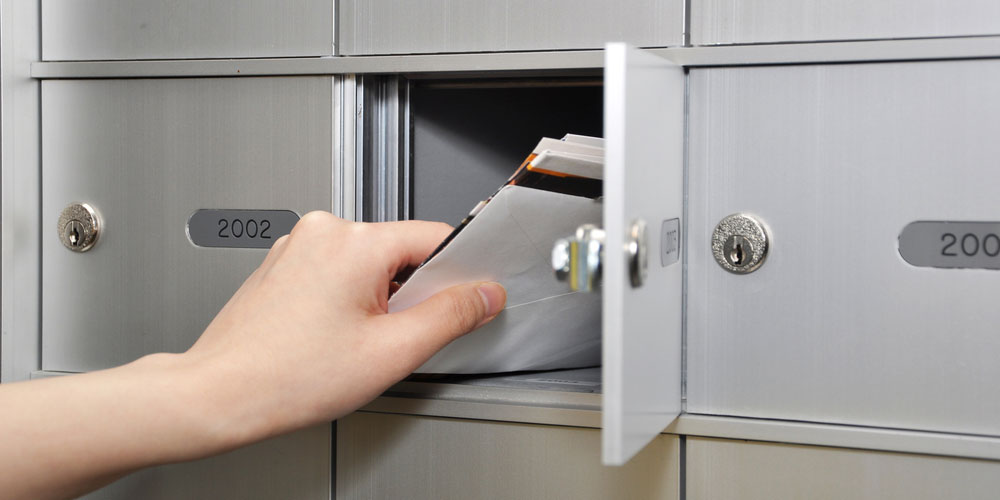
Protecting Your Sensitive Financial Data
The primary goal after discovering the loss of a mailbox key is to prevent data exposure. Financial institutions still rely heavily on physical mail for “Know Your Customer” (KYC) documentation and account alerts. If you cannot access your mail, you are effectively blinded to incoming notices regarding unauthorized transactions, changes to account terms, or tax-related documents that could be intercepted by third parties.
Minimizing Disruptions to Recurring Obligations
If your mailbox contains time-sensitive bills, missing a payment due to a lost key can lead to late fees, interest rate hikes, or negative marks on your credit report. From a personal finance management standpoint, you must immediately pivot to digital alternatives. Log into every financial portal you use—mortgage lenders, utility providers, insurance companies, and credit card issuers—to switch your status to “paperless billing.” This simple transition ensures that even while your physical mailbox remains inaccessible, you remain in control of your financial liabilities.
Procedural Steps for USPS and Residential Mailboxes
The protocol for replacing a lost mailbox key depends heavily on the type of mailbox you own. Not all mailboxes fall under the direct jurisdiction of the United States Postal Service (USPS), and understanding these distinctions is crucial for resolving the issue efficiently without incurring unnecessary costs or wasting time.
Navigating USPS-Managed Mailboxes
If you use a centralized mailbox bank—commonly found in apartment complexes, condominiums, or suburban cluster mailboxes—these are generally owned and maintained by the USPS. However, even in these instances, the responsibility for the key often falls on the tenant or owner.

- Visit Your Local Post Office: You must go in person to the branch that serves your specific zip code. You will need to provide valid, government-issued photo identification that matches the address associated with the mailbox.
- Request a Lock Replacement: The USPS does not simply “cut a new key” for a lost one. Because they do not keep duplicate keys for individual tenant locks, they must perform a full lock replacement.
- Budget for the Fee: Be prepared to pay a service fee for the labor and the hardware replacement. This fee is typically nominal, but it is a direct out-of-pocket expense that should be accounted for in your household budget.
Private or Property-Managed Mailboxes
If you live in a managed apartment community or a gated development, the mailbox may be the property of the management company, not the USPS. In these cases, the post office will direct you back to your landlord or property manager.
- Consult Your Lease Agreement: Review your lease or homeowner association (HOA) documentation. It often specifies the fee for a lost key replacement, which may be deducted from a security deposit or charged as a separate administrative fee.
- Coordination with Property Management: Provide your lease agreement and identification to the property management office. Because they often have a master key for the entire bank of mailboxes, they may be able to facilitate a faster resolution than the postal service, though they may charge a premium for the service.
Securing Your Financial Future Against Key Loss
The experience of losing a mailbox key should serve as a catalyst for auditing your mail security and financial logistics. A proactive strategy minimizes the impact of physical access issues and strengthens your overall financial security posture.
Digitizing Your Financial Life
The most effective way to insulate yourself from future mailbox-related issues is to reduce your dependence on physical mail altogether.
- The Paperless Mandate: Transition every recurring statement—banking, investment portfolios, and utilities—to electronic delivery. Most financial institutions now provide encrypted, secure portals for document retrieval. This not only eliminates the risk of lost physical mail but also organizes your financial records into a searchable digital format.
- Automated Payments: By setting up automatic payments (AutoPay) for all fixed expenses, you mitigate the risk of missing a bill if your mailbox key is lost or if mail is delayed for any other reason.
Improving Physical Mail Security
If you must receive physical mail, take steps to secure the contents beyond just a lock and key.
- Identity Theft Protection: Consider subscribing to an identity theft monitoring service. These tools monitor your credit reports and public records, providing an early warning system if your identity is compromised—even if you are not yet aware that your mail has been intercepted.
- Mailbox Upgrades: If your personal mailbox is frequently compromised or if the locking mechanism is antiquated, look into upgrading to a high-security locking mailbox. Investing in a unit with a protected internal hopper and a commercial-grade lock acts as a physical barrier against opportunistic theft, protecting your financial privacy.
The “Emergency Access” Protocol
Maintain a dedicated, secure location for spare keys—not just for your house, but for your mailbox. Many people store a spare mailbox key in a fireproof safe or with a trusted family member. By treating your mailbox key as a vital asset similar to a passport or an original birth certificate, you ensure that losing the primary key does not turn into a high-stress, high-cost emergency.

Financial Risk Management Summary
When you lose your mailbox key, you are momentarily losing access to the paper trail of your life. By immediately notifying the necessary authorities, pivoting to digital billing, and securing your mail, you protect your credit score and your personal financial information. Treat this as a workflow optimization project: the goal is to make your financial life resilient enough that the loss of a small piece of metal becomes a minor inconvenience rather than a threat to your financial well-being. By moving toward a paperless, automated, and digitized financial model, you effectively render the physical mailbox a secondary, rather than a primary, component of your financial infrastructure.
aViewFromTheCave is a participant in the Amazon Services LLC Associates Program, an affiliate advertising program designed to provide a means for sites to earn advertising fees by advertising and linking to Amazon.com. Amazon, the Amazon logo, AmazonSupply, and the AmazonSupply logo are trademarks of Amazon.com, Inc. or its affiliates. As an Amazon Associate we earn affiliate commissions from qualifying purchases.