
Tire spacers, also known as wheel spacers, are often a topic of discussion among automotive enthusiasts, mechanics, and even everyday drivers. While their primary function might seem straightforward – to push a wheel further out from the hub – their impact on a vehicle’s performance, aesthetics, and even safety is far more nuanced. Understanding what tire spacers do involves delving into their purpose, the mechanics behind their installation, and the various implications, both positive and negative, that they bring to a vehicle. In essence, tire spacers are metal or composite discs that are installed between the wheel hub and the wheel itself, effectively increasing the distance between the two. This seemingly simple alteration can have a cascade of effects, influencing everything from handling and tire clearance to vehicle stance and even load-bearing capabilities.
The Fundamental Purpose and Mechanics of Tire Spacers
At their core, tire spacers serve a singular, yet multifaceted, purpose: to alter the offset of a wheel. Wheel offset refers to the distance from the centerline of the wheel to the mounting surface of the wheel that attaches to the hub. A positive offset means the mounting surface is closer to the outside of the wheel, while a negative offset means it’s closer to the inside. Tire spacers, by their very nature, increase the “effective” offset of a wheel in a way that pushes it outwards. This outward push is crucial for achieving various desired outcomes, from accommodating larger brake systems to achieving a more aggressive aesthetic.
Increasing Wheel Clearance: The Primary Driver
The most common reason for installing tire spacers is to increase the clearance between the wheel and various suspension or body components. This is particularly relevant when upgrading to larger brakes, such as performance brake kits, which often have calipers that are thicker and extend further outwards. Without sufficient clearance, the caliper can rub against the inside of the wheel, leading to damage to both components and potentially compromising braking performance. Similarly, when fitting larger diameter tires, especially on modified vehicles or those with off-road aspirations, the tire might rub against the fender liners, suspension arms, or body panels during steering or suspension travel. Tire spacers effectively push the wheel outwards, creating the necessary space to prevent these undesirable contacts.
Enhancing Vehicle Stance and Aesthetics
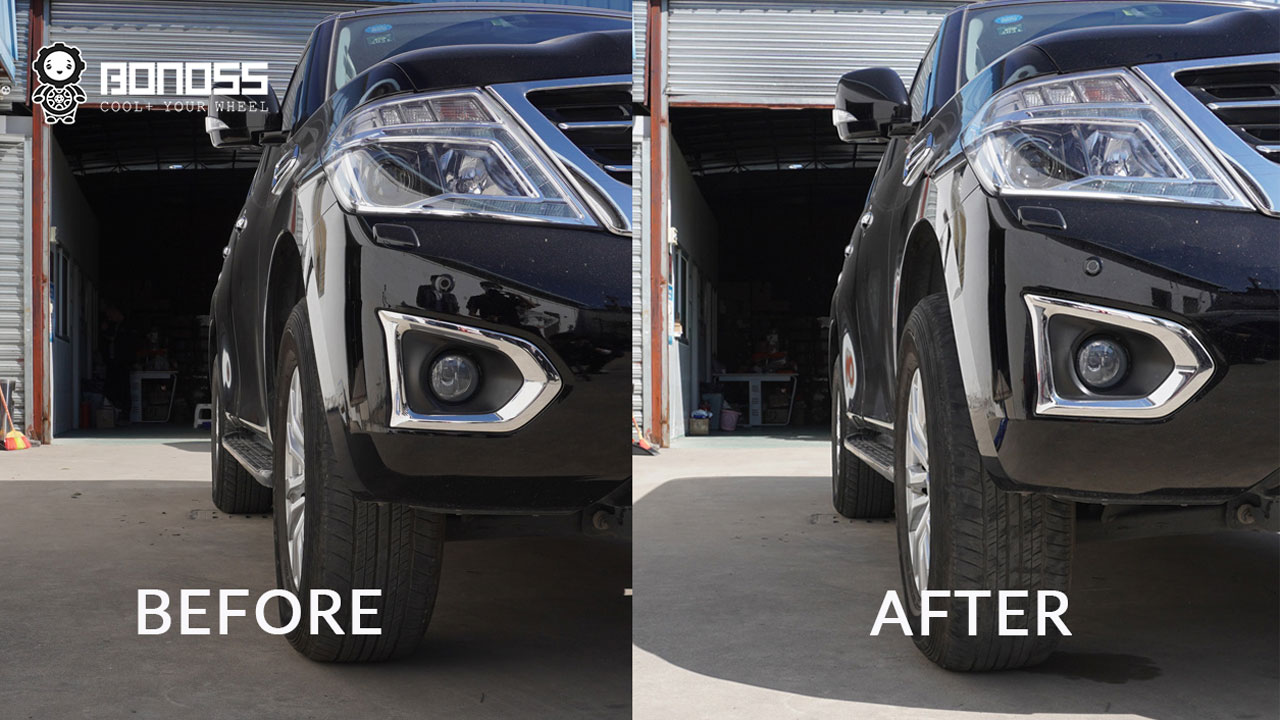
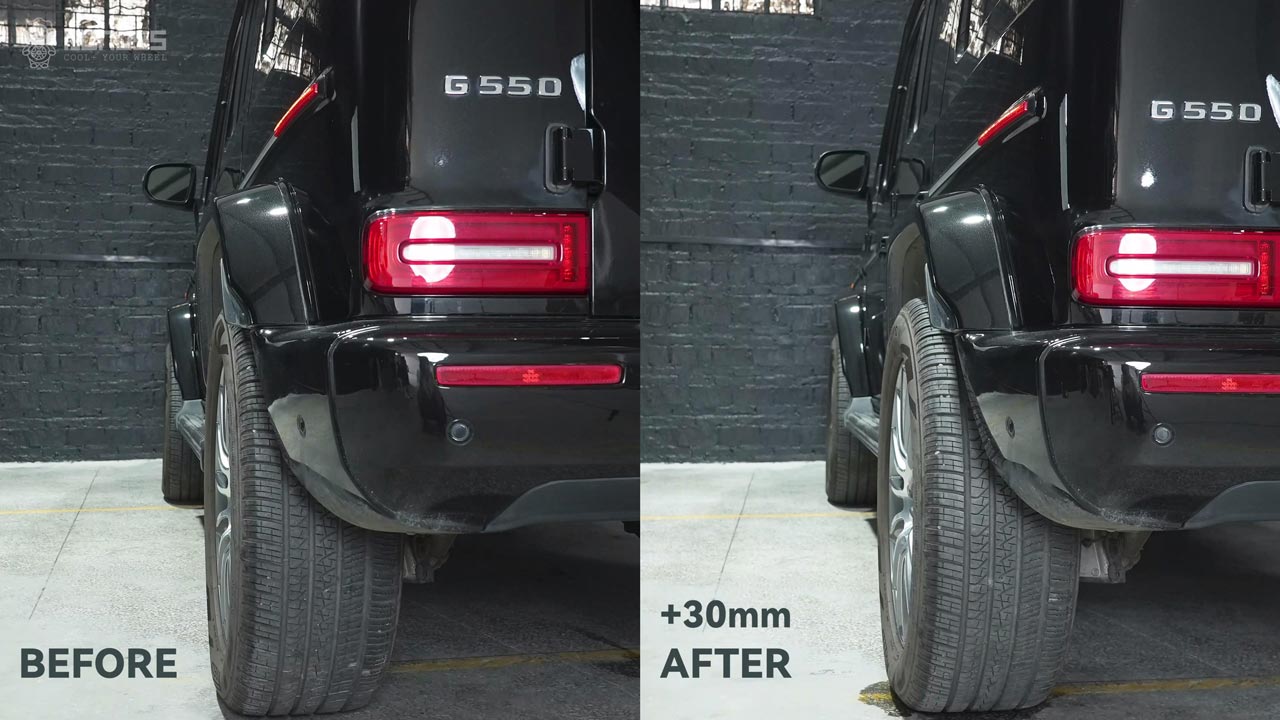
Beyond functional necessity, tire spacers are frequently employed for their aesthetic contributions. A common goal in vehicle customization is to achieve a more aggressive and visually appealing stance. By pushing the wheels outwards, tire spacers can fill the wheel wells more completely, giving the vehicle a wider, more planted, and muscular appearance. This can be particularly noticeable on trucks and SUVs, where a wider track width contributes to a more robust and capable look. The flush-fit aesthetic, where the tire is nearly perfectly aligned with the outer edge of the fender, is a popular outcome of using appropriately sized spacers, transforming the vehicle’s profile.
The Mechanics of Installation and Types of Spacers
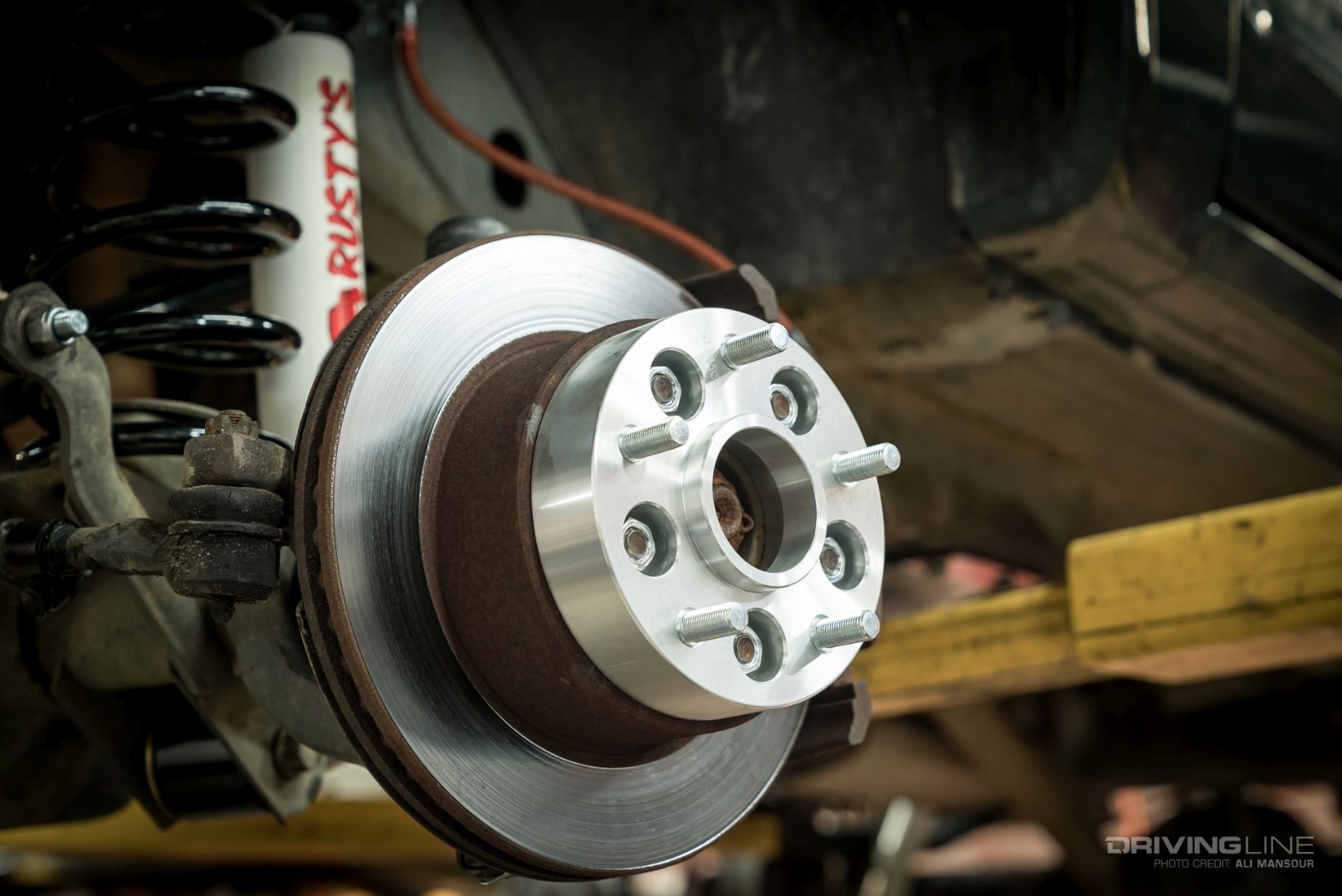
Installing tire spacers requires a degree of technical understanding and proper execution. There are two primary types of tire spacers: bolt-on and stud-centric. Bolt-on spacers are the more common type, featuring their own set of studs that pass through the vehicle’s hub, to which the wheel is then bolted. These spacers essentially become an extension of the hub assembly. Stud-centric spacers, on the other hand, are designed to fit over the vehicle’s existing studs and are secured by the wheel itself. They often have a lip that fits into the wheel hub for added stability.
The installation process typically involves removing the wheels, cleaning the hub surface, fitting the spacer, and then re-installing the wheel with longer studs if necessary (for bolt-on spacers). Proper torquing of lug nuts and bolts is paramount for safety, ensuring that the spacers are securely attached and do not come loose under load. The material of the spacers also varies, with common choices including aluminum alloys, steel, and composite materials, each offering different strengths, weights, and corrosion resistance.
Navigating the Performance Implications of Tire Spacers
While often chosen for appearance, tire spacers can significantly impact a vehicle’s driving dynamics. The alteration of the wheel’s position relative to the vehicle’s centerline affects the scrub radius, steering effort, and load distribution. Understanding these changes is crucial for drivers who prioritize performance and handling.
Altering the Scrub Radius and Steering Feel
The scrub radius is a geometric measurement in vehicle dynamics that refers to the distance between the point where the steering axis intersects the ground and the center of the tire’s contact patch on the ground. When tire spacers are installed, the scrub radius is altered. This change can manifest in several ways: it can increase steering effort, especially at lower speeds, as the steering system has to work harder to overcome the leverage created by the wider stance. Conversely, in some instances, it might lead to a lighter steering feel. The effect on steering is complex and depends on the specific vehicle geometry and the amount of spacer used. For drivers accustomed to a particular steering feel, this change can be noticeable and may require an adjustment period.
The Impact on Wheel Bearings and Suspension Components
Pushing the wheels further outwards from the hub assembly effectively increases the leverage placed upon the wheel bearings and other suspension components. This is because the force acting on the bearings is now distributed over a greater distance. For the wheel bearings, this can translate to increased wear and a potentially reduced lifespan, especially if the vehicle is subjected to heavy loads, aggressive driving, or if the spacers are excessively large. Similarly, other suspension components, such as ball joints and tie rod ends, might experience increased stress. It is important to consider the quality of the spacers and the overall integrity of the suspension system when making such modifications.
Considerations for Load Capacity and Stability
While tire spacers can enhance the visual appeal and provide necessary clearance, they can also have implications for a vehicle’s load capacity and overall stability. The added leverage on the suspension and wheel bearings can reduce the vehicle’s ability to carry maximum loads without undue stress. Furthermore, the wider track width, while beneficial for cornering stability in some scenarios, can also make a vehicle more susceptible to tramlining – the tendency of the tires to follow ruts in the road – particularly if the tire tread is aggressive or the tire pressure is not optimal. Drivers who regularly tow or carry heavy loads, or who operate their vehicles in demanding conditions, must carefully assess the potential impact of tire spacers on their vehicle’s load-bearing capabilities and overall stability.
Beyond the Basics: Advanced Considerations and Potential Drawbacks
While tire spacers offer solutions for specific automotive needs, their use is not without potential drawbacks. A thorough understanding of these limitations and considerations is vital before deciding to install them.
Potential for Vibrations and Alignment Issues
Improperly manufactured or installed tire spacers can introduce vibrations that are felt throughout the vehicle, particularly at higher speeds. This can be due to the spacer not being perfectly flat, not being centered correctly on the hub, or the lug nuts not being torqued to the correct specifications. Such vibrations are not only annoying but can also be indicative of a potentially dangerous situation where components are not securely fastened. Furthermore, installing spacers can subtly alter the alignment of the vehicle. While minor adjustments might not be noticeable, significant changes could necessitate a professional wheel alignment to ensure proper tire wear and optimal handling.
Legal and Safety Regulations
It is crucial to be aware of local laws and regulations regarding the use of tire spacers. In some jurisdictions, there may be restrictions on the maximum width that a vehicle can legally have, or specific requirements for the type and installation of spacers. Exceeding legal limits can result in fines or the vehicle failing safety inspections. From a safety perspective, the integrity of the spacer material, the quality of the studs and lug nuts used, and the proper installation are paramount. A failed spacer or a loose wheel can have catastrophic consequences, highlighting the importance of using reputable brands and adhering to all safety guidelines.
The Importance of Quality and Proper Sizing
The effectiveness and safety of tire spacers are heavily reliant on their quality and correct sizing. Cheaply made spacers, often manufactured from inferior materials, are more prone to bending, cracking, or even failing under stress. Similarly, choosing the wrong size spacer can lead to a host of problems, from excessive tire rub to compromising the integrity of the suspension. It is always recommended to invest in high-quality spacers from reputable manufacturers and to carefully measure the required offset to ensure a proper fit and optimal performance. Consulting with experienced automotive professionals can provide invaluable guidance in selecting the right spacers for a specific vehicle and intended use.
In conclusion, tire spacers are versatile automotive components that can serve both functional and aesthetic purposes. They are instrumental in solving clearance issues, enhancing vehicle stance, and can even contribute to a more aggressive look. However, their installation necessitates a comprehensive understanding of their impact on steering, suspension, load capacity, and potential safety implications. By prioritizing quality, proper sizing, and adherence to all safety and legal regulations, drivers can effectively leverage the benefits of tire spacers while mitigating potential risks, ultimately transforming their vehicle’s performance and appearance.
aViewFromTheCave is a participant in the Amazon Services LLC Associates Program, an affiliate advertising program designed to provide a means for sites to earn advertising fees by advertising and linking to Amazon.com. Amazon, the Amazon logo, AmazonSupply, and the AmazonSupply logo are trademarks of Amazon.com, Inc. or its affiliates. As an Amazon Associate we earn affiliate commissions from qualifying purchases.