
In an increasingly interconnected world, where goods traverse vast distances and sensitive products demand unwavering environmental control, the humble yet ingenious time-temperature indicator (TTI) plays a silent but pivotal role. Far more than just a sticker, TTIs are sophisticated technological tools designed to provide a visual, irreversible, and cumulative record of a product’s exposure to temperature fluctuations over time. Their primary function is to safeguard quality, ensure safety, and optimize supply chains for an array of temperature-sensitive items, from life-saving vaccines to perishable gourmet foods. Understanding “what do time temperature indicators do” reveals a fascinating intersection of chemistry, physics, and practical application, providing critical insights that conventional temperature loggers often miss.
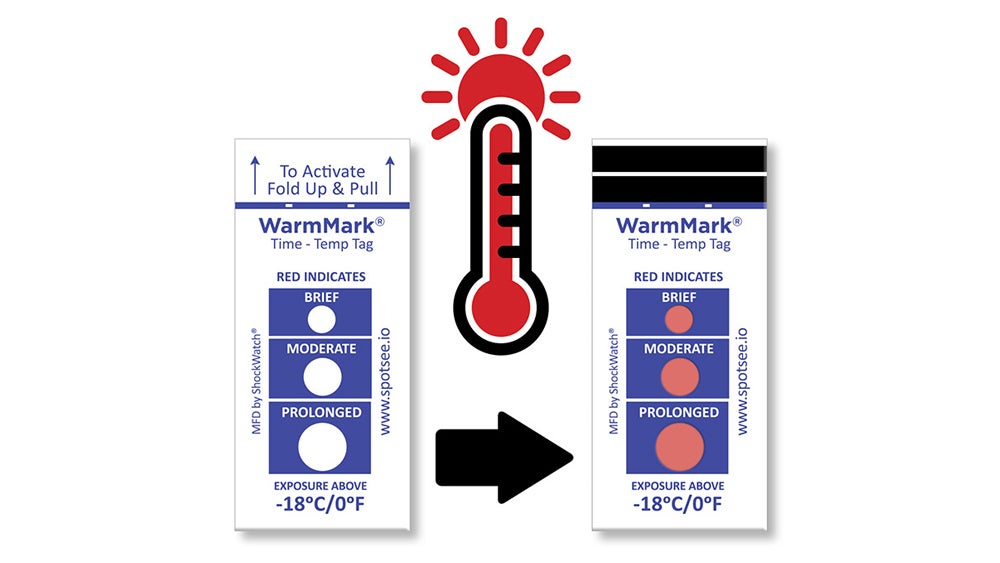
Unlike a simple thermometer, which gives a snapshot of temperature at a specific moment, or a data logger, which records temperature over intervals (requiring external readers and analysis), a TTI offers an immediate, visual summary of a product’s temperature history. This “memory” is crucial because many products degrade not just from exposure to extreme heat or cold, but from cumulative exposure to temperatures outside their optimal range, even if those temperatures are only moderately elevated for extended periods. By integrating the factors of both time and temperature, TTIs provide an intuitive, real-time alert system, empowering stakeholders across the supply chain to make informed decisions swiftly, often without the need for specialized equipment or training.
The Core Technology Behind TTIs
At the heart of every TTI lies a carefully calibrated chemical or physical reaction, designed to proceed at a rate directly dependent on temperature. This ingenious design allows the indicator to mimic the degradation kinetics of the product it monitors, providing a tangible, visible representation of its shelf life or quality status.
How TTIs Work: A Chemical and Physical Marvel
The operational principle of TTIs is rooted in a chemical or physical change that manifests visibly, typically as a color shift or the movement of a front. This change is kinetically controlled, meaning its speed is directly proportional to temperature. Higher temperatures accelerate the reaction, while lower temperatures slow it down. This relationship allows the TTI to integrate the effects of both parameters into a single, observable outcome.
For instance, many TTIs utilize an enzymatic reaction where an enzyme acts upon a substrate to produce a colored product. The enzyme’s activity, and thus the rate of color change, is highly temperature-dependent. Other designs might involve the diffusion of a colored dye through a porous matrix, where the viscosity of the matrix (and thus the dye’s movement) is temperature-sensitive. Some more advanced TTIs employ polymer melting or redox reactions. The key is that once the change occurs, it is generally irreversible, ensuring that a product’s history cannot be reset or obscured. The indicator is engineered to respond over a specific temperature range and duration, corresponding to the critical thresholds of the product it’s monitoring. For example, a TTI for frozen goods might only activate above -10°C, while one for chilled foods might react rapidly above 5°C.
Types of TTI Technologies
The diverse needs of various industries have led to the development of several distinct TTI technologies, each with its own advantages and applications:
-
Diffusion-based Indicators: These often involve a colored liquid or dye diffusing along a porous strip. As temperature increases, the viscosity decreases, and the diffusion rate accelerates, causing the color front to advance faster along a printed scale. These are typically irreversible.
-
Enzymatic Indicators: Utilizing an enzyme-substrate reaction, these TTIs change color as the enzyme catalyzes a reaction that produces a colored compound. Their sensitivity can be finely tuned by selecting specific enzymes and substrates, making them highly customizable for different temperature profiles.
-
Polymer-based Indicators: These indicators might rely on the melting or crystallization of specific polymers at certain temperatures. A change in the polymer’s state can alter light reflection or transparency, leading to a visible change.
-
Microbiological Indicators: Less common but effective, these can sometimes incorporate heat-sensitive microorganisms whose growth or metabolic activity produces a visible signal, mimicking spoilage pathways.
-
Photochromic/Thermochromic Indicators (with cumulative effect): While many thermochromic materials simply change color reversibly with temperature, some TTIs are designed to exhibit an irreversible cumulative change, often involving photo-initiated reactions or chemical changes that are accelerated by temperature.
The choice of TTI technology depends on the product’s specific temperature sensitivity, desired response time, and the environmental conditions it will face.
Beyond Simple Labels: Integration with IoT and Data Loggers
While many TTIs are standalone visual labels, the trend in modern cold chain management is towards integration. More sophisticated systems combine TTIs with digital data loggers and Internet of Things (IoT) platforms. A traditional TTI provides an immediate visual check, a “go/no-go” signal, often at the point of sale or usage. However, for a more granular understanding, especially for high-value or highly sensitive shipments, digital temperature loggers record precise temperature data points over time.
The synergy occurs when TTIs act as a quick verification system, while digital loggers provide the detailed audit trail. Future advancements envision TTIs that are “smart” – perhaps with integrated NFC or RFID capabilities that allow a quick scan to pull up an associated digital record, or even TTI arrays that communicate their status to a central monitoring system, adding another layer of real-time, easily interpretable data to complex IoT cold chain solutions. This blend offers both instant visual cues and comprehensive digital traceability.
Critical Applications Across Industries
The utility of Time-Temperature Indicators extends across numerous sectors, proving indispensable wherever maintaining precise temperature control is paramount to product safety, efficacy, and quality.
Ensuring Food Safety and Quality
In the vast and complex food supply chain, TTIs are a powerful tool for safeguarding public health and reducing food waste. Perishable goods such as meat, seafood, dairy, produce, and prepared meals are highly susceptible to spoilage when exposed to improper temperatures. TTIs provide an immediate visual indication if a product has been compromised during transit, storage, or even on the retail shelf. For consumers, a clear TTI signal can empower them to make informed purchasing decisions, enhancing trust and reducing the risk of consuming unsafe food. For retailers and distributors, they help identify and segregate compromised batches, preventing potential outbreaks and costly recalls. They are especially valuable in monitoring the “last mile” of the cold chain, often the most vulnerable point for temperature excursions.
Pharmaceutical and Vaccine Integrity
Perhaps no other sector benefits more critically from TTIs than pharmaceuticals and vaccines. Many drugs and biological products lose their potency or become harmful if exposed to temperatures outside their specified ranges. This is particularly true for vaccines, which must maintain a strict cold chain from manufacture to administration. A compromised vaccine is not only ineffective but can undermine public health initiatives and trust. TTIs provide a simple, cost-effective way to monitor individual vaccine vials or drug packages, ensuring their efficacy and safety right up to the point of injection or consumption. This is vital in remote areas or developing countries where sophisticated cold chain infrastructure might be lacking, offering a crucial layer of protection against temperature abuse. Regulatory bodies often encourage or mandate the use of TTIs for certain temperature-sensitive medications to ensure compliance and patient safety.
Cold Chain Logistics and Supply Chain Optimization

The entire ecosystem of cold chain logistics, from refrigerated warehouses to reefer trucks and containers, relies heavily on maintaining consistent temperatures. TTIs act as an early warning system within this complex network. They can pinpoint exactly where and when a temperature breach occurred, enabling logistics managers to identify weak links in their supply chain, whether it’s a faulty refrigeration unit, a mishandled shipment, or an extended dwell time on a hot tarmac. By proactively identifying these issues, businesses can implement corrective actions, optimize routes, improve packaging, and reduce the significant financial losses associated with spoiled goods and rejected shipments. This leads to increased operational efficiency, reduced waste, and greater overall supply chain resilience.
Emerging Uses and Niche Applications
The versatility of TTIs continues to expand into various specialized fields:
-
Chemicals and Reagents: Certain industrial chemicals, laboratory reagents, and sensitive materials used in manufacturing require precise temperature control to maintain their stability and reactivity. TTIs provide a simple monitoring solution.
-
Blood Products and Organs: In medical transplantation and blood banking, where the viability of biological samples is critical, TTIs can offer an extra layer of assurance regarding temperature excursions during transport and storage.
-
Research and Development: Researchers utilize TTIs to monitor the stability of novel compounds or experimental materials under various temperature conditions, aiding in product development and formulation.
-
Smart Packaging: TTIs are increasingly integrated into “smart packaging” solutions, providing not just a temperature history but also interacting with other sensors (e.g., humidity, gas composition) to offer a more holistic view of product integrity.
Advantages and Limitations of TTI Implementation
While TTIs offer compelling benefits, their effective deployment requires an understanding of both their strengths and inherent limitations.
The Benefits: Real-time Insights and Waste Reduction
The primary advantage of TTIs lies in their ability to provide real-time, visual, and irreversible feedback on a product’s temperature history. This immediacy eliminates the need for specialized equipment or training, allowing anyone in the supply chain – from warehouse personnel to consumers – to quickly assess product integrity. This leads to:
-
Enhanced Food Safety and Public Health: Direct reduction in the risk of consuming spoiled or ineffective products.
-
Significant Waste Reduction: By identifying compromised products early, TTIs prevent the sale and consumption of potentially spoiled goods, reducing food waste and pharmaceutical discards.
-
Cost Savings: Avoiding recalls, reducing insurance claims, optimizing logistics, and preventing financial losses from product spoilage.
-
Increased Consumer Trust: Transparency regarding product quality builds brand loyalty and confidence.
-
Regulatory Compliance: Assisting companies in meeting stringent temperature monitoring regulations in industries like pharma and food.
-
Simplicity and Cost-Effectiveness: Generally less expensive and simpler to implement than full data logger systems, especially for individual item monitoring.
Challenges and Considerations
Despite their advantages, TTIs are not a silver bullet and come with certain challenges:
-
Accuracy and Calibration: The performance of a TTI is highly dependent on its calibration to the specific degradation kinetics of the product it monitors. A mismatch can lead to false positives or negatives.
-
Environmental Factors: High humidity, direct sunlight, or physical damage can sometimes affect the accuracy or readability of certain TTI types.
-
User Interpretation: While generally simple, inconsistent user training or varied lighting conditions can sometimes lead to misinterpretation of the color change or scale.
-
Single-Use Nature: Most TTIs are irreversible and single-use, meaning a new one is required for each product or shipment.
-
Limited Data Detail: Unlike data loggers, TTIs typically don’t provide precise temperature readings or timestamps of excursions, only a cumulative indication. This can make root cause analysis more challenging without supplementary data.
-
Adherence and Placement: Proper placement on the product or packaging is crucial for accurate monitoring, and improper adherence can lead to detachment or inaccurate readings.
-
Variety of TTIs: The wide range of available TTI types requires careful selection to match the specific needs of the product and supply chain.
The Future of Time-Temperature Monitoring
The evolution of Time-Temperature Indicators is set to intertwine further with broader technological advancements, leading to more intelligent, integrated, and universally applicable monitoring solutions.
Smarter, More Integrated Systems
The future of TTIs will likely see them transition from purely passive indicators to more active, data-rich components of the cold chain. This includes:
-
Miniaturization and Printability: Advances in materials science and printing technology will enable ultra-thin, flexible, and even printable TTIs that can be seamlessly integrated into packaging designs, making them less intrusive and more cost-effective.
-
Connectivity: The integration of low-cost RFID, NFC, or even Bluetooth Low Energy (BLE) modules into TTIs could allow for automated scanning and logging of their status into cloud-based systems. This would marry the visual immediacy of a TTI with the detailed data logging capabilities of digital sensors.
-
AI and Machine Learning for Predictive Analysis: Data collected from smart TTIs, combined with other environmental sensors and historical logistics data, could feed into AI algorithms. These algorithms could then predict potential issues before they occur, optimize routing, and even dynamically adjust product shelf-life estimations based on real-time conditions.
-
Blockchain for Traceability: The immutable ledger of blockchain technology could be used to record TTI status at various points in the supply chain, creating an unalterable, transparent record of a product’s temperature journey, enhancing trust and accountability.
Expanding Reach: New Frontiers for Temperature-Sensitive Goods
As society becomes more aware of sustainability and the personalized nature of various products, the application of TTIs will broaden:
-
Personalized Medicine: With the rise of gene therapies, cell-based treatments, and custom medications, ensuring the integrity of highly sensitive, patient-specific biologicals will be paramount. Advanced TTIs will play a critical role here.
-
Advanced Materials: Certain high-performance materials, chemicals, and electronic components are temperature-sensitive during manufacturing, storage, and transport. TTIs can help monitor their quality before integration into complex systems.
-
Consumer Goods with Enhanced Shelf-Life Monitoring: Beyond food, TTIs could become standard on various consumer products like cosmetics, pet food, and certain household chemicals, providing consumers with greater confidence in product freshness and efficacy.

Standardization and Global Impact
For TTIs to realize their full potential, increased standardization across industries and geographies will be crucial. Harmonizing testing protocols, performance metrics, and visual interpretations will facilitate broader adoption and cross-border trade. Globally, TTIs can significantly contribute to reducing food waste, improving vaccine distribution in underserved communities, and enhancing the overall resilience and safety of global supply chains. They represent a low-cost, high-impact technology that can democratize access to critical quality and safety information, bridging the gap between sophisticated cold chain infrastructures and basic monitoring needs.
In conclusion, Time-Temperature Indicators are far more than simple labels; they are a vital piece of modern technological infrastructure, offering an elegant solution to a complex problem. By translating complex thermal history into an easily understandable visual cue, they empower individuals and organizations to make immediate, critical decisions, thereby protecting product integrity, enhancing public safety, and fostering greater trust in the global supply chain. As technology evolves, so too will TTIs, becoming smarter, more integrated, and even more indispensable in safeguarding the quality of temperature-sensitive goods worldwide.
aViewFromTheCave is a participant in the Amazon Services LLC Associates Program, an affiliate advertising program designed to provide a means for sites to earn advertising fees by advertising and linking to Amazon.com. Amazon, the Amazon logo, AmazonSupply, and the AmazonSupply logo are trademarks of Amazon.com, Inc. or its affiliates. As an Amazon Associate we earn affiliate commissions from qualifying purchases.