
Dubai, a global metropolis synonymous with ambition, innovation, and unparalleled luxury, presents a fascinating linguistic tapestry. For businesses, marketers, and individuals aiming to establish a strong presence or forge meaningful connections within this dynamic emirate, understanding the dominant languages spoken is not merely a matter of curiosity; it’s a foundational element of effective brand strategy, targeted marketing, and robust corporate identity. The ability to communicate authentically and appropriately across linguistic divides can be the deciding factor in brand perception, customer engagement, and ultimate commercial success. This article delves into the linguistic landscape of Dubai, exploring the prevalent languages and their profound implications for branding and market penetration.
The Lingua Franca of Global Commerce: Arabic in Dubai
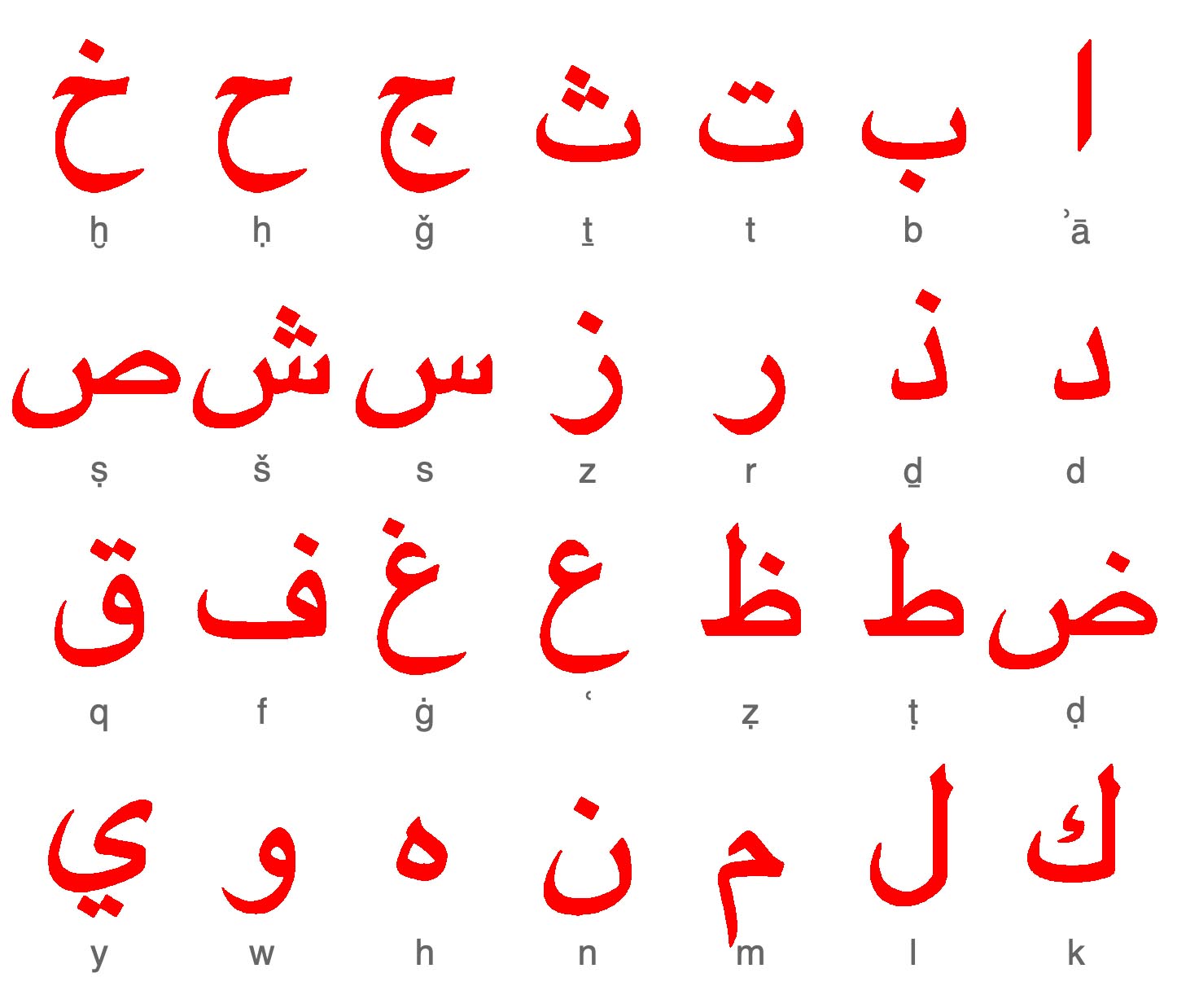
While Dubai is a melting pot of nationalities, Arabic remains the official language of the United Arab Emirates, including Dubai. This carries significant weight from a branding perspective, offering a direct and culturally resonant connection with the local populace and governmental bodies.
Modern Standard Arabic (MSA): The Formal Foundation
Modern Standard Arabic (MSA) serves as the formal and official language used in government, education, media, and official communications. For brands, a solid understanding and appropriate utilization of MSA are paramount when engaging with regulatory bodies, participating in official tenders, or developing marketing collateral intended for a broad, formal audience.
- Implications for Brand Messaging: Incorporating MSA into formal brand materials, such as legal documents, official websites, and corporate brochures, signals respect for local culture and adherence to established norms. This can foster trust and credibility. For instance, a company launching a new product in Dubai might translate its official press releases and product descriptions into MSA to ensure accurate and formal dissemination of information.
- Governmental and Institutional Engagement: When seeking licenses, permits, or engaging in business dealings with government entities, a command of MSA is often expected. Brands that can navigate these processes with linguistic proficiency demonstrate a commitment to operating within the local framework, enhancing their legitimacy.
Emirati Arabic: The Vernacular Heartbeat
Beyond MSA, the everyday spoken language of Dubai is Emirati Arabic, a distinct dialect within the Arabian Peninsula’s Arabic family. While there are variations and nuances, understanding the general sentiment and common expressions of Emirati Arabic is crucial for brands aiming for deeper cultural integration.
- Cultural Nuances in Marketing: Directly translating marketing slogans from other languages into MSA might miss the mark when it comes to genuine local appeal. Understanding colloquialisms, idiomatic expressions, and cultural references embedded within Emirati Arabic allows brands to craft more relatable and authentic messaging. This could involve tailoring social media campaigns, advertising copy, or even product naming to resonate with the local palate.
- Building Rapport and Trust: For brands focused on building long-term relationships with local customers, demonstrating an understanding of their vernacular can be a powerful differentiator. This could manifest in customer service interactions, community engagement initiatives, or even the development of localized content that reflects everyday life in Dubai. For example, a luxury retailer might employ customer service representatives fluent in Emirati Arabic to provide a more personalized shopping experience for Emirati clientele.
The Global Dialects of Dubai: English and Beyond
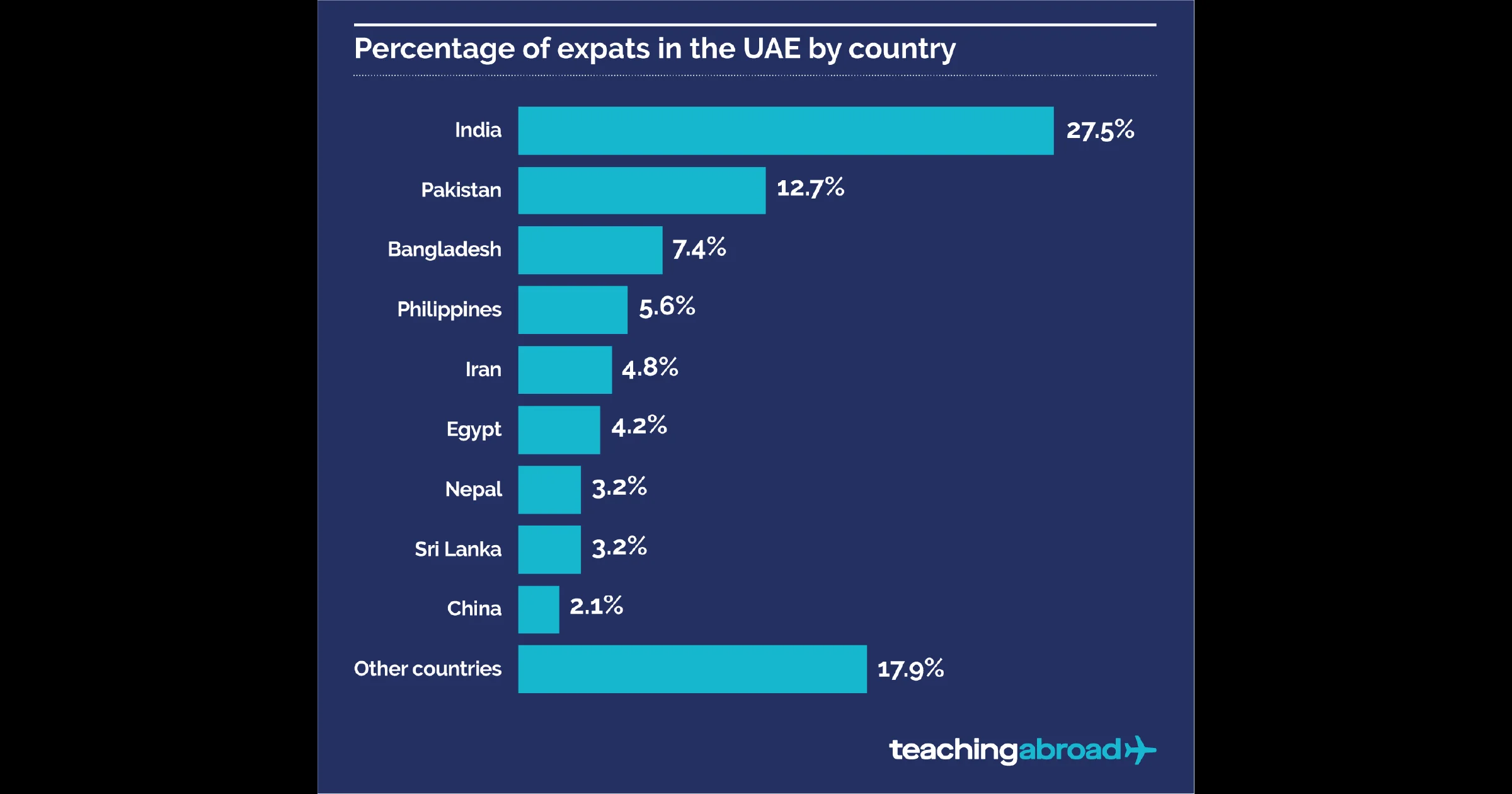
Dubai’s cosmopolitan nature means that English is widely spoken and understood, serving as a de facto lingua franca for international business and a significant portion of the resident population. However, the linguistic landscape extends far beyond this, encompassing a multitude of languages spoken by expatriate communities.
English: The International Business Bridge
English is indispensable for any brand operating in Dubai. Its widespread use in business, tourism, and education makes it a primary channel for communication with a vast segment of the population, including international tourists and the large expatriate workforce.

- Brand Collateral and Digital Presence: The majority of corporate websites, marketing campaigns, and digital content in Dubai are primarily in English. This ensures accessibility for a global audience and the diverse non-Arab speaking resident population. Brands must ensure their English copy is not only grammatically correct but also culturally sensitive and free from jargon that might not translate well across different cultural backgrounds within the English-speaking sphere.
- Customer Service and Support: A significant portion of customer service operations in Dubai, particularly in sectors like hospitality, retail, and telecommunications, are conducted in English. Brands need to ensure their customer support teams are proficient in English and equipped to handle inquiries from a diverse international clientele. This includes training staff on how to communicate effectively with individuals from various English-speaking backgrounds.
- International Partnerships: When forging partnerships or dealing with international suppliers and clients, English serves as the common ground. A strong English brand presence facilitates smoother negotiations and collaborations, strengthening the brand’s global reach and operational efficiency.
The Multilingual Mosaic: Other Dominant Languages
Dubai is home to a significant population of expatriates from South Asia, Southeast Asia, Europe, and Africa. The languages spoken by these communities, while not official, wield considerable influence within their respective demographics and are crucial for targeted brand outreach.
- Urdu and Hindi: With a substantial population of expatriates from Pakistan and India, Urdu and Hindi are widely spoken and understood in many commercial and residential areas. Brands targeting these communities can significantly enhance their reach and resonance by incorporating these languages into their marketing efforts. This might involve advertising in South Asian media outlets, creating content in Urdu or Hindi, or even having customer service representatives fluent in these languages.
- Tagalog: The large Filipino community in Dubai means Tagalog is another prevalent language. Businesses seeking to connect with this demographic can benefit from localized marketing campaigns and communication strategies in Tagalog, especially in sectors like recruitment, retail, and community services.
- Farsi: Due to historical and economic ties, a notable Persian-speaking population resides in Dubai. For brands engaging in trade or targeting specific niches with a Farsi-speaking clientele, incorporating this language can be highly advantageous.
- Other European and African Languages: Depending on the specific demographic and economic sectors, other languages like Russian, French, Swahili, and various Indian regional languages also have a presence. While perhaps not as universally prevalent as English or the South Asian languages, understanding their significance in niche markets can provide a competitive edge.
Strategic Brand Communication in a Polyglot City
Navigating Dubai’s linguistic diversity is not about simply translating marketing materials; it’s about developing a nuanced and strategic approach to brand communication that respects cultural context and maximizes impact.
The Power of Localization: Beyond Direct Translation
Localization is the art of adapting a brand’s message, products, and services to suit the specific cultural and linguistic nuances of a particular market. In Dubai, this is a critical strategy for any brand aspiring to connect deeply with its audience.
- Culturally Relevant Imagery and Symbols: Beyond language, visual elements and cultural references in advertising must be carefully considered. What is appealing or appropriate in one culture might be offensive or confusing in another. Brands need to research and understand local aesthetic preferences and taboos.
- Tailored Product Offerings: Sometimes, localization extends to product development. Understanding local tastes, preferences, and even dietary requirements can lead to product modifications that resonate more strongly with the target audience. This is a powerful branding tool that demonstrates a genuine commitment to the local market.
- Community Engagement and Sponsorships: Actively participating in and sponsoring local cultural events, festivals, and community initiatives can build significant brand goodwill and awareness. This demonstrates a commitment to the fabric of Dubai society, transcending mere commercial transaction.
Leveraging Technology for Linguistic Reach
In the digital age, technology offers powerful tools for brands to overcome linguistic barriers and enhance their communication strategies in Dubai.
- AI-Powered Translation and Localization Tools: While not a replacement for human expertise, AI tools can significantly speed up the initial stages of translation and provide insights into linguistic patterns. However, the final output always requires review by native speakers to ensure accuracy and cultural appropriateness.
- Multilingual Websites and Apps: Developing websites and mobile applications that offer multiple language options is a standard practice for brands operating in Dubai. This not only improves user experience but also signals a brand’s commitment to serving a diverse customer base.
- Social Media Monitoring and Engagement: Utilizing social media listening tools to track conversations in various languages can provide invaluable insights into consumer sentiment, emerging trends, and potential crisis management needs. Engaging with customers in their preferred language on social media platforms can foster strong community ties.
Conclusion: The Art of Speaking Dubai’s Language
In conclusion, the question “what do they speak in Dubai” is not just about identifying languages; it’s about understanding the intricate connections between language, culture, and successful brand building. Arabic, in its formal and vernacular forms, provides the bedrock of official communication and cultural resonance. English acts as the indispensable bridge for global commerce and diverse expatriate communities. The myriad of other languages spoken by the resident population represent significant opportunities for targeted engagement and deeper market penetration.
For any brand, a strategic, multilingual, and culturally sensitive approach to communication is not an option, but a necessity. By embracing Dubai’s linguistic diversity, investing in genuine localization, and leveraging technological advancements, brands can move beyond mere presence and forge authentic connections, building robust identities that not only speak to the people of Dubai but also resonate with their aspirations and values. The true art of branding in Dubai lies in learning to speak its many languages, understanding its diverse voices, and communicating with clarity, respect, and cultural intelligence.
aViewFromTheCave is a participant in the Amazon Services LLC Associates Program, an affiliate advertising program designed to provide a means for sites to earn advertising fees by advertising and linking to Amazon.com. Amazon, the Amazon logo, AmazonSupply, and the AmazonSupply logo are trademarks of Amazon.com, Inc. or its affiliates. As an Amazon Associate we earn affiliate commissions from qualifying purchases.