
System engineers are the unsung architects and orchestrators of our increasingly complex digital world. While their work might not always be on the front lines of public recognition like groundbreaking AI discoveries or the launch of the latest smartphone, their role is absolutely foundational to the creation, deployment, and smooth operation of the technological systems that underpin modern society. They are the bridge between ambitious ideas and functional realities, ensuring that the intricate web of hardware, software, and human interaction works harmoniously. In essence, system engineers are problem-solvers, strategists, and implementers who possess a holistic understanding of how various technological components interact and contribute to a larger objective.
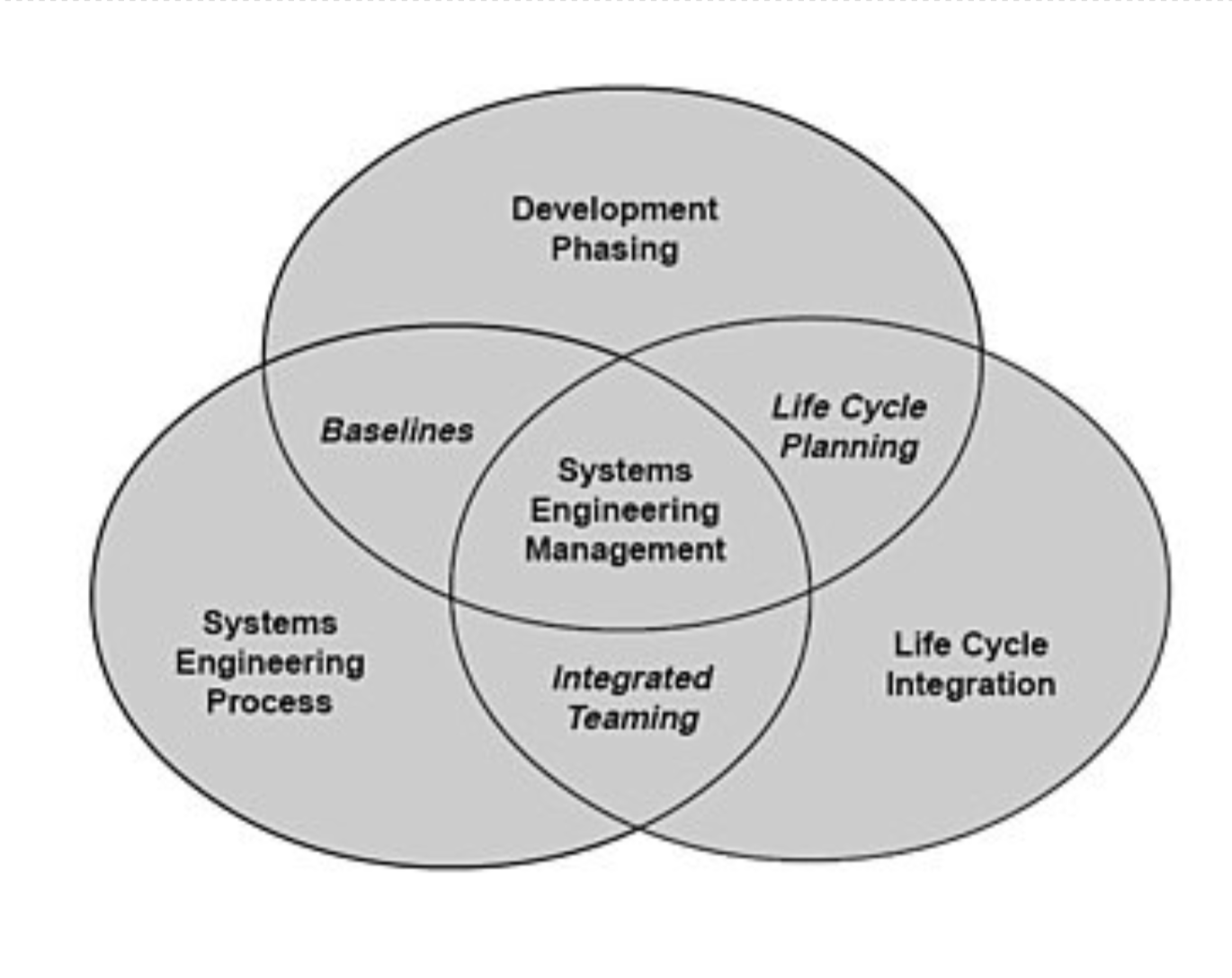
The scope of a system engineer’s work is vast and multifaceted, often depending on the industry and the specific nature of the systems they are tasked with managing. However, a common thread runs through their responsibilities: ensuring that systems are designed, built, and maintained in a way that meets performance, reliability, security, and cost-effectiveness requirements. They are not just technicians; they are strategists who look at the “big picture,” anticipating challenges and devising solutions that can scale and adapt to future needs.
The Holistic Architect: Designing and Defining Systems
At its core, system engineering begins with a profound understanding of the problem to be solved or the need to be met. This stage is critical, laying the groundwork for all subsequent development and implementation. Without a clear and comprehensive definition of the system’s purpose and constraints, the entire project risks derailing.
Requirements Gathering and Analysis
The first and perhaps most crucial step for a system engineer is to meticulously gather and analyze the requirements for a given system. This isn’t simply about listing features; it’s about delving deep into the “why” behind each requirement. They interact with stakeholders—clients, end-users, other engineering teams—to understand their needs, pain points, and desired outcomes. This involves asking probing questions, observing existing workflows, and reviewing documentation.
- Stakeholder Engagement: System engineers act as translators, converting the often abstract needs of business stakeholders into concrete technical specifications that development teams can work with. They must be adept at communication, able to explain complex technical concepts to non-technical audiences and conversely, to articulate business objectives to technical teams.
- Defining System Boundaries: A key part of this phase is establishing the scope of the system. What is included, and what is excluded? Where does this system interface with other systems? Clearly defining these boundaries prevents scope creep and ensures that development efforts remain focused.
- Functional vs. Non-Functional Requirements: System engineers differentiate between what the system does (functional requirements, e.g., “the system shall allow users to log in”) and how well it does it (non-functional requirements, e.g., “the system shall respond to login requests within 2 seconds,” “the system shall be available 99.9% of the time,” or “the system shall encrypt all sensitive data”). Non-functional requirements are often where the true complexity and challenge lie, impacting performance, security, scalability, and usability.
System Architecture and Design
Once requirements are clearly defined and analyzed, system engineers move into the architecture and design phase. This is where the blueprint of the system is created, outlining its structure, components, and how they will interact.
- High-Level Design: This involves creating the overall structure of the system, defining major modules, their interfaces, and the flow of data between them. They consider different architectural patterns (e.g., microservices, monolithic, client-server) and select the most appropriate one based on the requirements, scalability needs, and existing infrastructure.
- Component Selection and Integration: System engineers often select specific hardware components, software platforms, and protocols that will form the building blocks of the system. They must understand the capabilities and limitations of these components and how they will seamlessly integrate. This might involve choosing databases, operating systems, programming languages, or networking hardware.
- Trade-off Analysis: Rarely is there a perfect solution. System engineers are constantly engaged in trade-off analysis, weighing different design choices against each other based on factors like cost, performance, security, maintainability, and development time. For instance, a faster system might be more expensive to build or harder to maintain. Their job is to find the optimal balance.
The Navigator: Implementing and Integrating Systems
With a solid design in place, system engineers transition into the implementation and integration phase. This is where the theoretical designs are brought to life and made to function as a cohesive whole.
Development Oversight and Collaboration
While system engineers may not always be the ones writing all the code or assembling all the hardware, they play a crucial role in overseeing the development process. They ensure that the development teams are adhering to the architectural design and that the individual components are being built to spec.
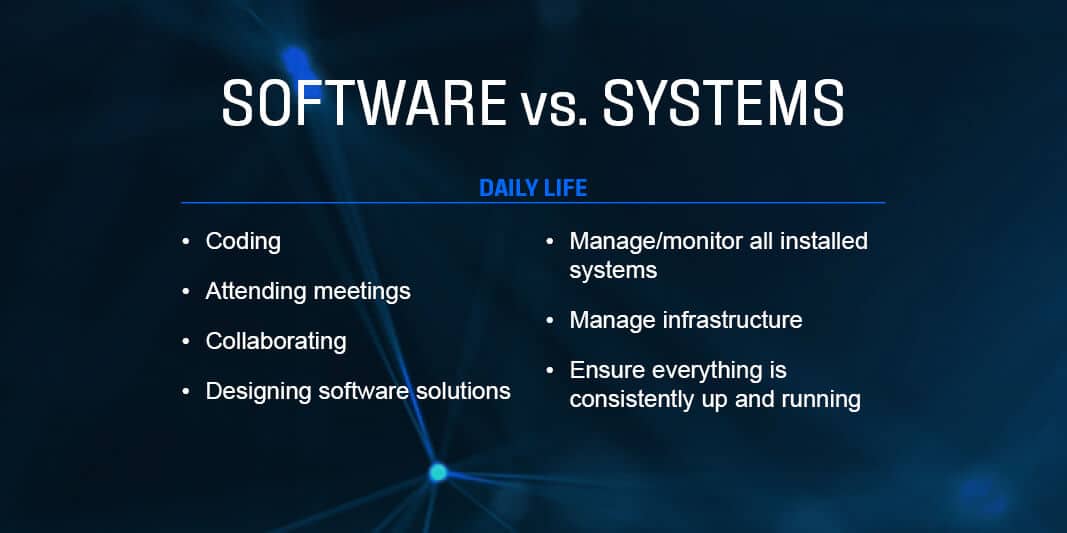
- Cross-Team Communication: System engineers act as a central hub for communication between various engineering disciplines (software development, hardware engineering, network engineering, quality assurance). They facilitate the exchange of information and ensure that everyone is working towards the same goals.
- Prototyping and Proofs of Concept: To validate design choices and identify potential issues early on, system engineers often lead the creation of prototypes or proofs of concept. These smaller, focused implementations help to test key assumptions and demonstrate feasibility.
- Managing Dependencies: In complex systems, components often depend on each other. System engineers are responsible for identifying and managing these dependencies, ensuring that development and integration happen in the correct order.
Integration and Deployment
The integration phase is where disparate components are brought together and made to work as a single system. This is often a challenging and iterative process, as unforeseen compatibility issues can arise.
- Connecting the Dots: System engineers orchestrate the integration of hardware, software, and network elements. They ensure that data flows correctly between components, that interfaces are compatible, and that the system behaves as intended when all parts are combined.
- Deployment Strategies: They define and manage the deployment process, which can range from installing software on servers to configuring complex cloud infrastructure. This involves planning for downtime, rollback strategies, and ensuring minimal disruption to existing operations.
- Configuration Management: Ensuring that systems are configured correctly and consistently is a vital task. System engineers establish and maintain configuration management processes to track changes, enforce standards, and prevent configuration drift.
The Guardian: Ensuring System Performance and Reliability
Once a system is deployed, the work of a system engineer is far from over. They are the ongoing guardians of the system’s health, performance, and reliability.
Performance Monitoring and Optimization
Continuous monitoring is essential to ensure that the system is meeting its performance objectives. System engineers employ various tools and techniques to track key metrics and identify bottlenecks.
- Key Performance Indicators (KPIs): They define and track relevant KPIs such as response times, throughput, resource utilization (CPU, memory, disk I/O), and error rates.
- Identifying Bottlenecks: When performance degrades, system engineers analyze the data to pinpoint the root cause. This could be a software bug, a hardware limitation, a network issue, or an inefficient algorithm.
- Optimization Strategies: Based on their analysis, they develop and implement strategies to optimize performance. This might involve tuning system parameters, optimizing code, upgrading hardware, or re-architecting certain components.
Reliability, Availability, and Maintainability (RAM)
Ensuring that a system is reliable, always available, and easy to maintain is a cornerstone of system engineering. These “ilities” are critical for business continuity and user satisfaction.
- Designing for Resilience: System engineers incorporate fault tolerance and redundancy into system designs to minimize the impact of component failures. This could include clustering servers, replicating data, or implementing failover mechanisms.
- Disaster Recovery and Business Continuity: They develop and test disaster recovery plans to ensure that the organization can quickly restore operations in the event of a catastrophic failure.
- Proactive Maintenance and Patching: System engineers plan and execute regular maintenance activities, including software patching and hardware upgrades, to prevent issues before they arise and to keep the system secure and up-to-date.

Security and Compliance
In today’s interconnected world, system security is paramount. System engineers play a critical role in protecting systems from cyber threats and ensuring compliance with relevant regulations.
- Security Architecture: They contribute to the design of secure systems by implementing security best practices, such as access control, encryption, and intrusion detection.
- Vulnerability Management: System engineers are involved in identifying and mitigating system vulnerabilities through regular scanning and security audits.
- Compliance Adherence: Depending on the industry, systems must comply with various regulations (e.g., GDPR, HIPAA, SOX). System engineers ensure that the systems they manage meet these compliance requirements.
In conclusion, the role of a system engineer is indispensable in the modern technological landscape. They are the strategic thinkers, the meticulous designers, the vigilant implementers, and the steadfast guardians who ensure that the complex technological systems we rely on every day function efficiently, securely, and reliably. Their ability to see the entire system, from the granular details of component interaction to the overarching business objectives, makes them invaluable assets in any organization striving to leverage technology effectively.
aViewFromTheCave is a participant in the Amazon Services LLC Associates Program, an affiliate advertising program designed to provide a means for sites to earn advertising fees by advertising and linking to Amazon.com. Amazon, the Amazon logo, AmazonSupply, and the AmazonSupply logo are trademarks of Amazon.com, Inc. or its affiliates. As an Amazon Associate we earn affiliate commissions from qualifying purchases.