
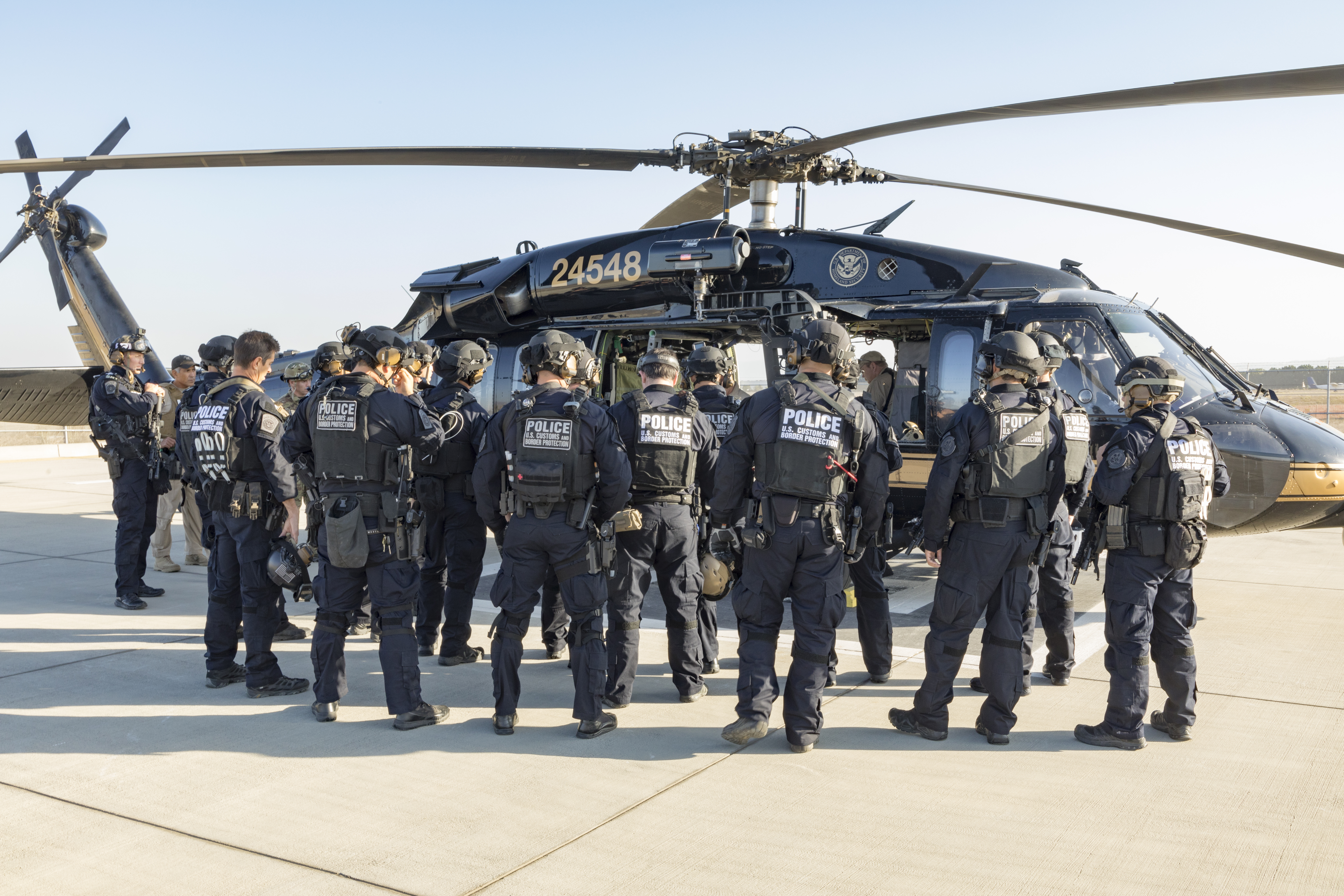
In the physical world, a SWAT (Special Weapons and Tactics) team is a highly specialized unit trained to handle high-risk situations that fall outside the capabilities of ordinary law enforcement. In the rapidly evolving landscape of the digital age, a parallel entity has emerged within the technology sector. Often referred to as “Cyber SWAT” or Incident Response Teams (IRT), these technical elite units are the first line of defense against the most sophisticated digital threats facing global enterprises today.
As businesses move their entire infrastructures to the cloud and integrate artificial intelligence into their core operations, the “perimeter” of the corporate network has become increasingly porous. When a catastrophic breach occurs, a system-wide failure strikes, or a sophisticated ransomware strain paralyzes a multinational corporation, the standard IT department is often overwhelmed. This is where the digital SWAT team steps in.
This article explores the critical functions, specialized tools, and strategic importance of technology SWAT teams in the modern era of digital security and high-stakes software management.
The Evolution of the Digital SWAT Team: From IT Support to Incident Response
The concept of a dedicated technical response unit has evolved significantly over the last two decades. In the early days of computing, “fixing the server” was a task for generalist sysadmins. However, as technology became the backbone of the global economy, the stakes of downtime and data loss skyrocketed.
Defining the Modern Cybersecurity Incident Response Team (CSIRT)
A modern digital SWAT team is more formally known as a Computer Security Incident Response Team (CSIRT). Unlike a standard help desk, a CSIRT is composed of specialists in various disciplines: digital forensics, network engineering, malware analysis, and crisis communication. Their primary mission is not general maintenance but the rapid containment of active threats. They are the tactical operators of the tech world, ready to deploy at a moment’s notice to neutralize “adversaries”—whether those are human hackers, automated botnets, or catastrophic software bugs.
The Transition from Reactive Maintenance to Proactive Tactical Defense
Historically, IT was reactive. Something broke, and then it was fixed. Today’s tech SWAT teams operate on a philosophy of “assumed breach.” They spend their “downtime” performing threat hunting—proactively scouring networks for signs of stealthy intruders who haven’t yet triggered alarms. This shift from a defensive posture to a tactical, offensive one is the hallmark of a true technology SWAT unit. They use penetration testing and “Red Teaming” (simulated attacks) to find vulnerabilities before a real-world threat actor does.
Tactical Operations: The Core Responsibilities of a Cyber SWAT Unit
When a “Code Red” is issued, the digital SWAT team follows a rigorous, military-grade protocol to stabilize the environment. Their actions are characterized by speed, precision, and an adherence to a structured lifecycle of incident handling.
Rapid Threat Identification and Containment
The first phase of any tactical digital operation is containment. Much like a physical SWAT team creates a perimeter around a building, a digital unit isolates affected segments of a network. If a single workstation is infected with wormable ransomware, the team must instantly sever its connection to the wider network to prevent lateral movement. They utilize advanced Software-Defined Networking (SDN) tools to “quarantine” infected assets digitally without shutting down the entire business.
Digital Forensics and Post-Incident Reconstruction
Once the immediate threat is neutralized, the team shifts into forensic mode. This is where the “investigative” aspect of what they do becomes paramount. They analyze logs, memory dumps, and network traffic to determine the “patient zero”—the initial point of entry. Understanding how an attacker got in is vital to ensuring they cannot use the same door twice. This requires deep knowledge of software vulnerabilities and the ability to reverse-engineer malicious code to understand its payload and intent.
Systems Recovery and Resilience Engineering
The final tactical stage is recovery. However, a tech SWAT team doesn’t just “restore from backup.” They perform what is known as “resilience engineering.” This involves rebuilding the affected systems with enhanced security layers, ensuring that the new environment is more robust than the one that was breached. They oversee the patch management and configuration changes necessary to close the exploit that led to the crisis.
The Tech Stack: Specialized Tools Powering the Digital SWAT Arsenal
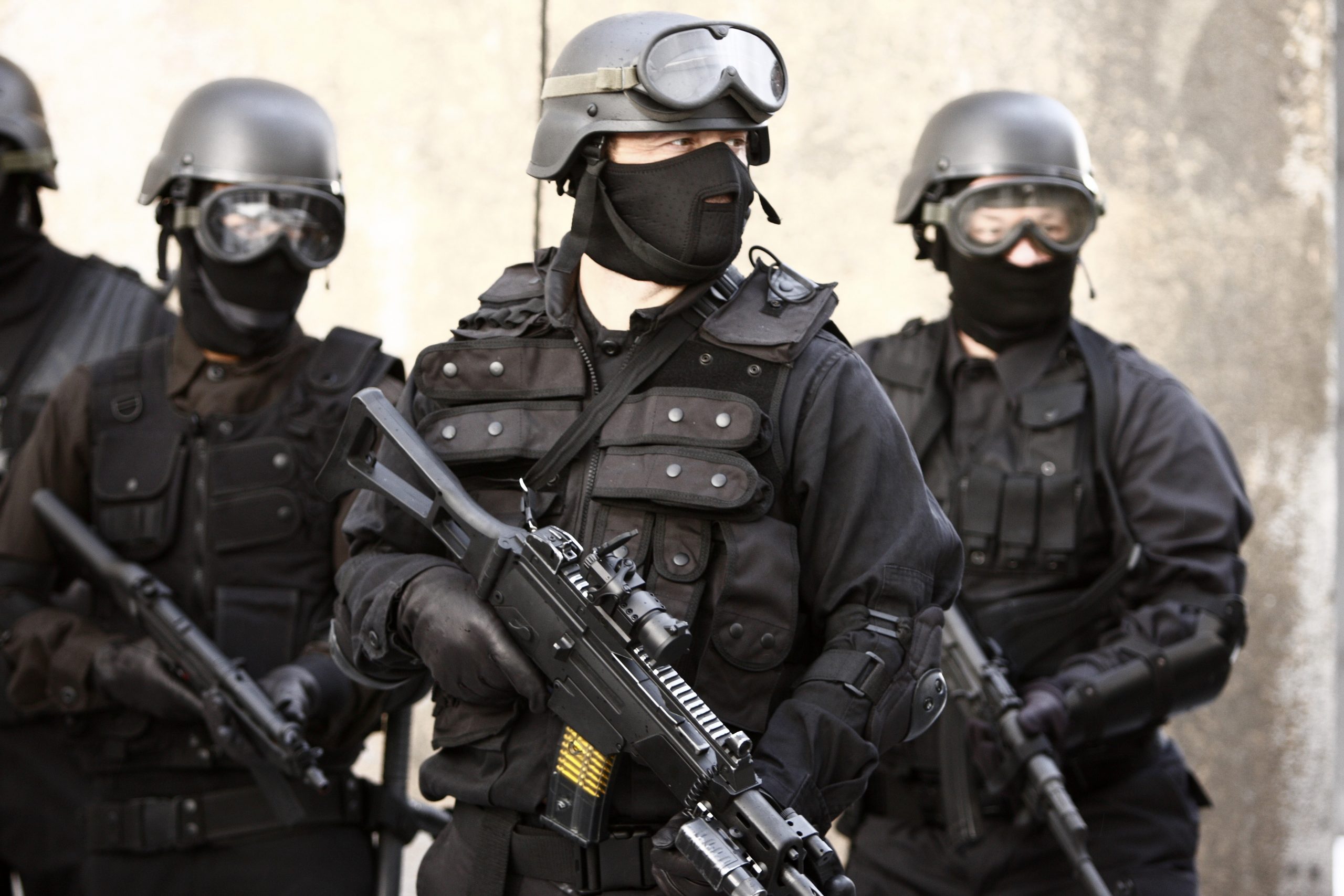
A SWAT team is only as effective as its equipment. In the digital realm, “weapons and tactics” translate to sophisticated software suites and hardware designed for deep-packet inspection and rapid data processing.
AI-Driven Threat Hunting and Automation
Artificial Intelligence has become the most powerful tool in the digital SWAT arsenal. Modern Security Orchestration, Automation, and Response (SOAR) platforms use machine learning to filter through millions of daily alerts, identifying the “signal” in the “noise.” AI tools can detect anomalous behavior—such as a user logging in from a strange location at an unusual time—and automatically trigger a lockout before a human operator even sees the alert. This speed is essential when dealing with automated malware that can encrypt a hard drive in seconds.
Endpoint Detection and Response (EDR) Platforms
If the network is the battlefield, the endpoints (laptops, servers, mobile devices) are the frontlines. Digital SWAT teams utilize EDR tools to gain “ground-level” visibility. These tools allow the team to remotely inspect any device on the network, kill malicious processes, and pull forensic images. Leading-edge EDR software provides a “flight recorder” for every device, allowing the team to rewind time and see exactly what a piece of malware did the moment it executed.
Secure Communication and Out-of-Band Networking
During a major tech crisis, the primary communication channels (email, Slack, Teams) may be compromised or monitored by the attacker. A sophisticated SWAT unit maintains “Out-of-Band” (OOB) communication tools. These are separate, highly encrypted digital environments where the team can coordinate their counter-strike without the adversary knowing. This level of operational security is what separates professional incident responders from standard IT staff.
Building a Corporate Tech SWAT Team: Strategic Implementation
For many organizations, the question is no longer if they need this level of specialized talent, but how to build or acquire it. Establishing a high-performance technical response unit requires a blend of human capital and rigorous methodology.
Talent Acquisition: Recruiting Elite Digital Operators
The members of a tech SWAT team are often referred to as “purple” teams—individuals who understand both the “red” (offensive/hacking) and “blue” (defensive/security) sides of technology. Recruiting for these roles is challenging because it requires a specific temperament: the ability to remain calm under extreme pressure and the intellectual curiosity to solve puzzles that have no clear solution. These operators must stay abreast of the latest software exploits and hardware vulnerabilities, often spending their personal time in the “tutorial” and “research” communities of the deep web.
Training for High-Pressure Environments through Red Teaming
Skill is not enough; a team must work as a cohesive unit. Organizations build this cohesion through “Tabletop Exercises” and “Live Fire” simulations. In these scenarios, a “Red Team” (the attackers) launches a simulated breach against the “Blue Team” (the defenders). These exercises test the organization’s tech stack, their communication protocols, and their ability to follow the established incident response plan under stress. It is a form of digital “drill” that ensures when a real event occurs, the response is muscle memory.

The Future of Crisis Tech: AI and the Next Generation of Response
As we look toward the future, the role of the digital SWAT team is shifting again. We are entering an era of “Algorithmic Warfare,” where attacks are launched by AI agents that can adapt in real-time. In this environment, the human SWAT operator will move into a “commander” role, overseeing swarms of defensive AI bots that do the literal “hand-to-hand” combat with malicious code.
The integration of Quantum Computing and the expansion of the Internet of Things (IoT) will provide new challenges. A future SWAT team might be tasked with securing a fleet of autonomous vehicles or a smart city’s power grid. The core philosophy, however, remains the same: high-stakes environments require specialized units that possess both the technical mastery and the tactical mindset to navigate the unknown.
In conclusion, when we ask “what do SWAT teams do” in the context of modern technology, the answer is that they provide the ultimate safety net for our digital civilization. They are the experts who step into the chaos of a cyber-attack or a system collapse to restore order, protect data, and ensure that the digital infrastructure our world relies upon continues to function. As technology continues to permeate every facet of our lives, these digital operators will only become more essential to the security and stability of the global tech ecosystem.
aViewFromTheCave is a participant in the Amazon Services LLC Associates Program, an affiliate advertising program designed to provide a means for sites to earn advertising fees by advertising and linking to Amazon.com. Amazon, the Amazon logo, AmazonSupply, and the AmazonSupply logo are trademarks of Amazon.com, Inc. or its affiliates. As an Amazon Associate we earn affiliate commissions from qualifying purchases.