
The allure of the striped bass, with its powerful runs and impressive size, has captivated anglers for generations. The pursuit of this iconic game fish is often a strategic dance, a blend of understanding their behavior and employing the right tools to intercept them. While traditional knowledge remains invaluable, the modern angler is increasingly turning to technology to gain an edge, transforming how we approach understanding and catching striped bass. From sophisticated sonar systems that map underwater terrain to advanced lure designs that mimic natural prey with uncanny accuracy, technology is revolutionizing every facet of the fishing experience, particularly in deciphering the dietary habits of this voracious predator.
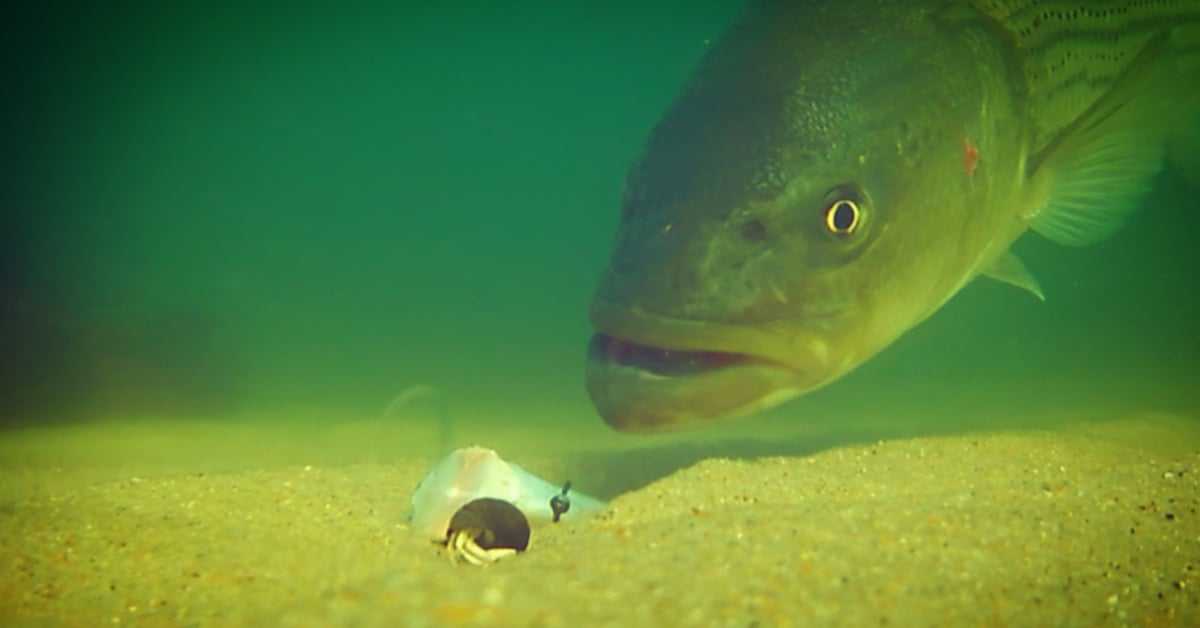
This exploration delves into the world of striped bass diets, but with a distinct technological focus. We will investigate how advancements in fishing gear, data analysis, and digital resources empower anglers to not only understand what striped bass consume but also how to effectively target them based on this knowledge. This is not just about bait and tackle; it’s about the smart application of technology to enhance our understanding, refine our techniques, and ultimately, maximize our chances of success on the water.
Decoding Bass Diets: The Technological Toolkit
For centuries, anglers relied on instinct and observation to understand the feeding patterns of striped bass. Today, a sophisticated suite of technological tools provides unprecedented insights into their prey, enabling a more targeted and efficient approach to fishing. These tools range from fundamental electronic aids to highly specialized diagnostic equipment, all designed to put the angler in a better position to succeed.
Advanced Sonar and Fish Finders: Mapping the Buffet
At the forefront of modern angling technology are advanced sonar and fish finder systems. These devices have evolved dramatically from rudimentary depth sounders to sophisticated multi-frequency, high-resolution displays that paint a detailed picture of the underwater world. For striped bass anglers, this technology is instrumental in several ways.
- Structure Identification: Striped bass are structure-oriented fish. They utilize underwater formations – rock piles, wrecks, drop-offs, and weed beds – as ambush points and places to conserve energy. High-definition sonar can clearly delineate these structures, revealing the prime real estate where bass are likely to be hunting or resting. By understanding the topography, anglers can predict where baitfish, and therefore striped bass, will congregate.
- Baitfish Detection: The primary food source for striped bass is almost always smaller baitfish. Modern fish finders can not only detect the presence of baitfish schools but also often differentiate between various species based on their size and behavior signatures. Identifying dense schools of bunker, menhaden, herring, or other local forage is a direct indicator of potential striped bass activity. Some units even offer down-imaging and side-imaging capabilities, providing a near-photographic view of what lies beneath and to the sides of the boat, allowing for precise identification of bait and the fish feeding on them.
- Individual Fish Identification: While pinpointing a single striped bass can be challenging, advanced sonar can often highlight larger individual fish lurking near the bottom or within the bait schools. By analyzing the size and behavior of these marks, experienced anglers can infer the presence of larger, more aggressive striped bass, adjusting their strategy accordingly.
- Water Column Analysis: Understanding the depth at which striped bass are feeding is crucial. Sonar displays the water column, showing the thermocline, where oxygen levels might be optimal, or the depth at which baitfish are most active. This information allows anglers to target specific depth zones with their lures, preventing wasted casts into unproductive waters.
Underwater Cameras and Drones: Visualizing the Action
While sonar provides an excellent overview, underwater cameras and fishing drones offer a more direct, visual confirmation of what’s happening below the surface, and even what might be happening on the surface in less accessible areas.
- Underwater Cameras: These devices, often tethered to a display unit on the boat, allow anglers to see live footage of the seafloor, structure, and any marine life present. This can be invaluable for observing baitfish behavior, identifying the types of forage present, and even witnessing the strike of a striped bass on a lure. Some advanced systems allow for pan, tilt, and zoom functions, offering a comprehensive view.
- Fishing Drones: The integration of drone technology into fishing has opened up new frontiers. Drones equipped with high-definition cameras can scout vast areas of water, identifying baitfish schools, breaking surface activity (known as “blitzes”), and even the shape of submerged structure from above. Some drones are even designed to carry and deploy bait or lures, offering a unique and technologically advanced method of presenting offerings to distant or hard-to-reach feeding grounds. This allows anglers to spend less time searching and more time fishing, with a data-driven understanding of where the fish are and what they might be eating.
Lure Technology: Mimicking Nature’s Menu
The feeding habits of striped bass are diverse, dictated by the availability of prey in their environment. Technology plays a pivotal role in designing lures that accurately replicate these natural food sources, fooling even the most discerning predators.
Electronic Lures and Integrated Tech
The evolution of lure design has seen an infusion of electronic components, designed to enhance their appeal and mimic the erratic movements and signals of live prey.
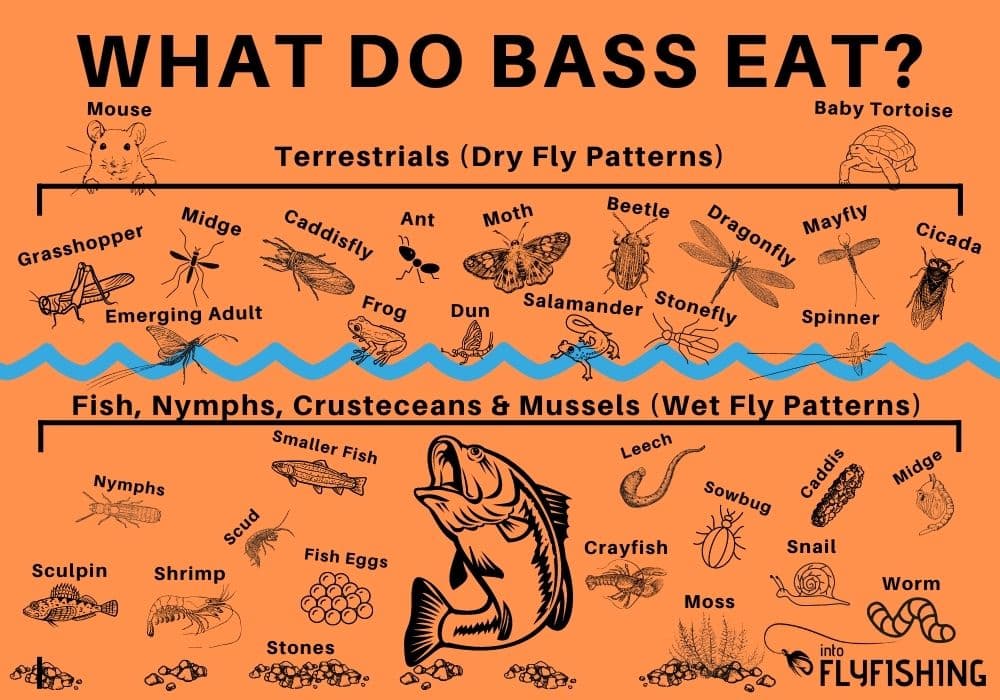
- Ballyhoo and Baitfish Imitations: Many modern soft plastics and hard baits are meticulously crafted to replicate the appearance and action of popular baitfish like bunker, herring, and sand eels. The technology in lure manufacturing focuses on realistic color patterns, holographic finishes that create flash, and body shapes that impart lifelike swimming motions when retrieved. Some lures incorporate internal rattling chambers that mimic the sound of distressed baitfish, further attracting predatory attention.
- Proprietary Action and Hydrodynamics: Companies invest heavily in research and development to create unique lure actions. This involves understanding the hydrodynamics of how different shapes and materials move through the water. Whether it’s a subtle wobble, a frantic dart, or a slow, rolling swim, the goal is to perfectly mimic the escape or distress patterns of natural prey. This technological innovation in lure design directly addresses the “what” of striped bass diets by providing anglers with the tools to present convincing replicas of their preferred food.
- Vibrating and Jerk-Bait Technologies: Advanced jerkbaits often feature internal weighting systems that create an irresistible side-to-side darting action when twitched, mimicking a wounded baitfish. Vibrating baits, or “lipless crankbaits,” employ internal mechanisms that generate a strong vibration and erratic wobble, which can be highly effective in murky water or when fish are less aggressive. These technological advancements in lure mechanics are direct responses to understanding how striped bass hunt and what triggers their feeding instincts.
- Electronic Angling Aids: Beyond lures themselves, there are emerging technologies designed to enhance bait presentation. These can include electronic devices that attach to fishing lines to impart subtle vibrations or create acoustic lures that mimic the sounds of baitfish. While still in their nascent stages, these technologies represent a significant leap in using electronics to influence a fish’s feeding response.
Data-Driven Lure Selection and Retrieval
The technological revolution in fishing extends to how we analyze and utilize information to make informed lure choices and retrieve them effectively.
- Bait Analysis Apps and Online Resources: A wealth of digital information is now available to anglers. Mobile apps and online databases provide detailed information on local baitfish populations, their seasonal movements, and the corresponding dietary preferences of striped bass in specific regions. This data can inform lure selection, allowing anglers to match the hatch with uncanny precision.
- GPS and Chart Plotting Technology: Integrated GPS and chart plotter units on boats not only help with navigation but also allow anglers to mark productive fishing spots, remember the types of structure where they found success, and even record the water temperatures and depths associated with successful baitfish concentrations. This historical data can then be used to predict future feeding patterns and select appropriate lures for specific conditions.
- Retrieval Speed and Technique Optimization: Modern fishing reels often feature advanced gearing and drag systems that allow for precise control over retrieval speed. Combined with an understanding of how different baitfish move, anglers can use technology to fine-tune their retrieve to precisely mimic the natural behavior of the bass’s prey. This can involve using a specific number of turns of the reel handle per second or utilizing the intuitive speed control offered by many high-end reels.
Understanding the Ecosystem: Digital Tools for Research
The “what” in “what do striped bass eat” is not static. It’s a dynamic interplay of ecological factors, and technology provides us with the means to research and understand these influences on a scale never before possible.
Environmental Monitoring and Data Aggregation
Striped bass distribution and feeding behavior are heavily influenced by environmental conditions. Technology enables us to monitor and analyze these factors with increasing accuracy.
- Water Temperature and Salinity Sensors: Electronic sensors, often integrated into fish finders or available as standalone devices, provide real-time data on water temperature and salinity. These are critical factors for striped bass, influencing their metabolism, migration, and feeding activity. Anglers can use this data to identify optimal feeding zones and times.
- Tide and Current Predictors: Advanced weather and tide forecasting apps provide highly accurate predictions of tidal movements and current speeds. These are essential for understanding where baitfish will be concentrated and how striped bass will position themselves to feed efficiently. Technology allows for precise planning around these crucial environmental dynamics.
- Online Forums and Social Media Groups: While not strictly scientific instruments, online fishing communities and forums are powerful digital tools for information exchange. Anglers share real-time reports on bait sightings, successful lure types, and the types of prey they are finding in the stomachs of their catches. This crowd-sourced data, aggregated and analyzed, provides an invaluable, albeit informal, real-time snapshot of the striped bass diet.
Research and Educational Platforms
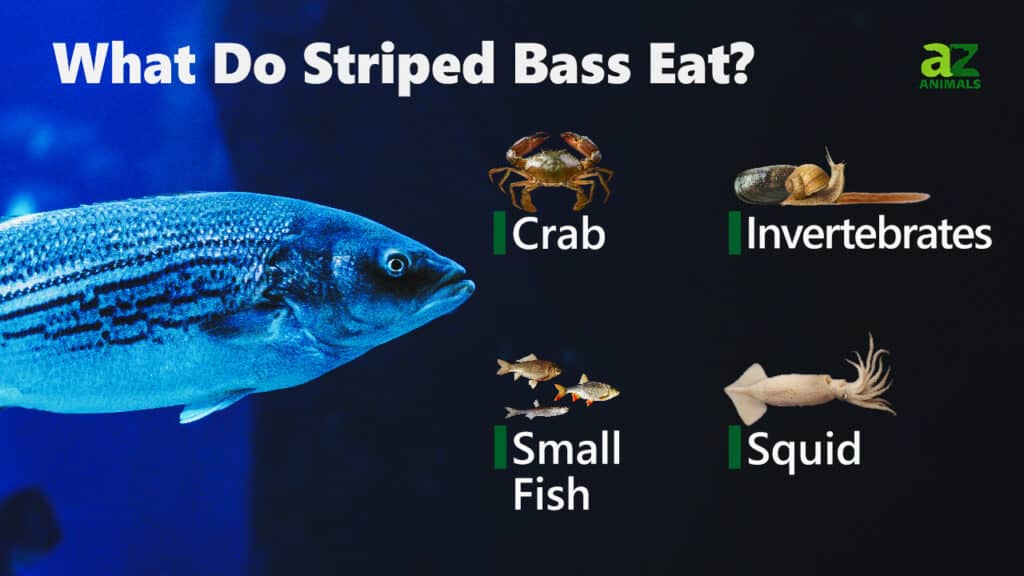
The availability of digital resources for learning about fish diets has exploded.
- Online Scientific Journals and Databases: Access to scientific research on ichthyology and marine biology is readily available online. Anglers seeking a deeper understanding of striped bass diets can consult peer-reviewed studies on their feeding ecology, prey preferences, and habitat utilization.
- Interactive Fishing Maps and Guides: Many online platforms and apps offer interactive maps that highlight known feeding grounds, baitfish hotspots, and seasonal patterns. These digital guides, often populated with user-generated data and expert insights, provide a technologically enhanced way to understand the broader dietary landscape for striped bass.
- Educational Videos and Tutorials: The proliferation of high-quality fishing content online, from YouTube channels to dedicated fishing websites, offers visual and auditory explanations of striped bass feeding behavior. These tutorials often demonstrate how to use specific lures to mimic certain prey and how to interpret environmental cues to predict feeding opportunities, directly linking technological tools to the understanding of diet.
By embracing these technological advancements, the modern angler can move beyond simple guesswork. The pursuit of striped bass becomes a more informed, data-driven endeavor, where understanding what they eat is not just about observation, but about the intelligent application of cutting-edge technology to decipher and exploit nature’s intricate feeding strategies. This fusion of tradition and innovation promises to unlock new levels of success for anglers dedicated to the challenge of the striped bass.
aViewFromTheCave is a participant in the Amazon Services LLC Associates Program, an affiliate advertising program designed to provide a means for sites to earn advertising fees by advertising and linking to Amazon.com. Amazon, the Amazon logo, AmazonSupply, and the AmazonSupply logo are trademarks of Amazon.com, Inc. or its affiliates. As an Amazon Associate we earn affiliate commissions from qualifying purchases.