
The ubiquitous nature of traffic control systems in modern urban landscapes often leads to a common, yet surprisingly intricate, question: “What do stop light cameras look like?” Beyond their primary function of managing traffic flow and ensuring adherence to traffic laws, these devices are technological marvels, integrating various components and functionalities. Understanding their appearance is not just a matter of idle curiosity; it provides insight into the technological advancements driving our transportation infrastructure and the evolving landscape of smart cities. This article delves into the physical characteristics, technological underpinnings, and the diverse forms these critical traffic management devices can take.
The Anatomy of a Stop Light Camera System
While the term “stop light camera” is often used colloquially, it encompasses a range of devices, each with a specific role in capturing traffic violations or monitoring traffic conditions. These systems are rarely a single, monolithic unit. Instead, they are carefully integrated components that work in concert to achieve their intended purpose.
Red Light Cameras: The Primary Enforcers
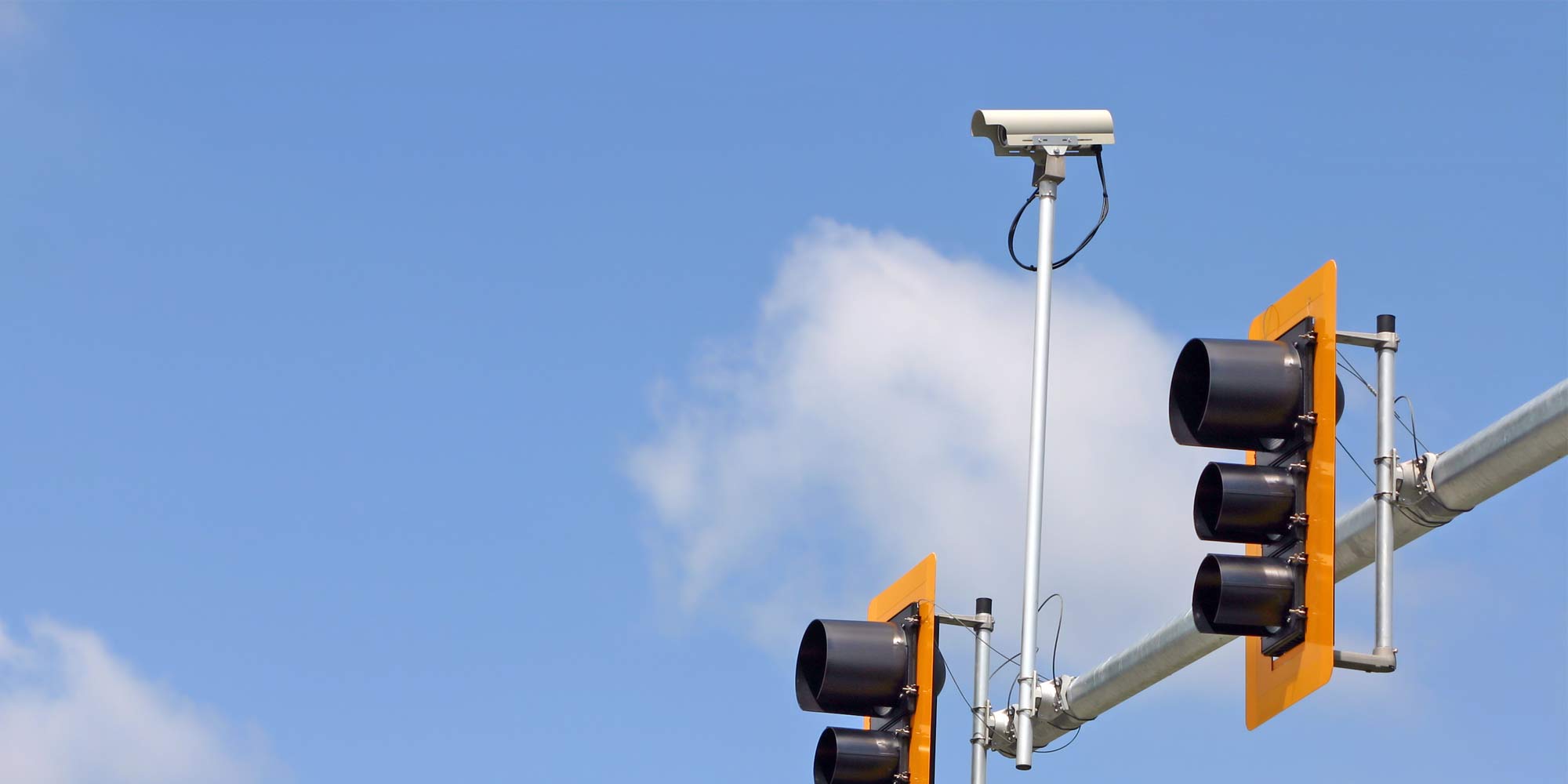
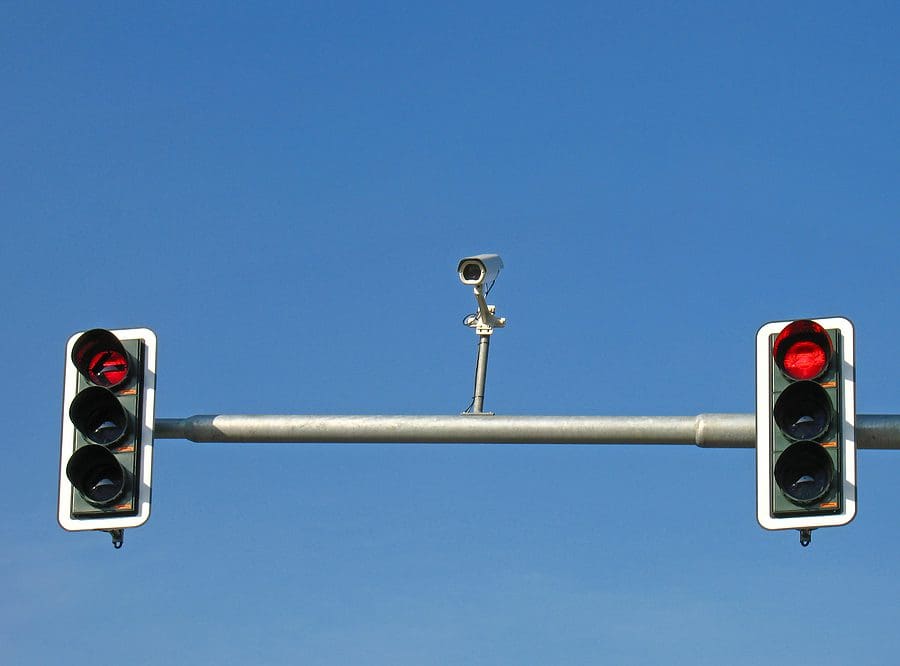
The most commonly recognized type of stop light camera is the red light camera, specifically designed to detect and record vehicles that run red lights. These cameras are typically mounted on poles adjacent to traffic signals, often at intersections that have a history of red-light running incidents or high traffic volumes.
Physical Characteristics and Placement
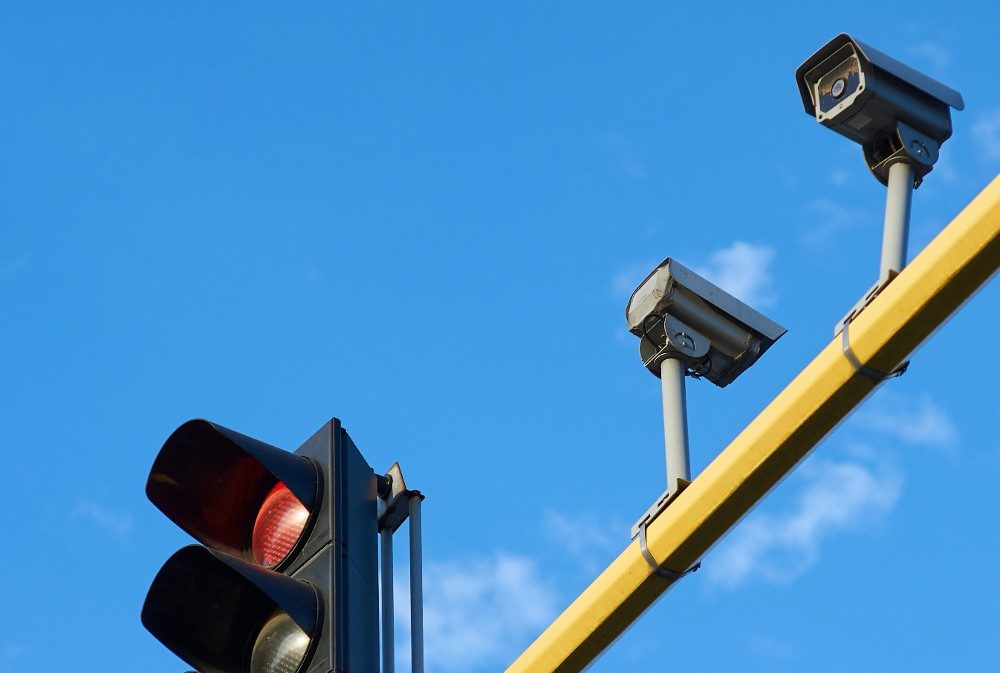
Red light cameras are usually housed in robust, weather-proof enclosures. Their design prioritizes durability and discretion. They are often painted in neutral colors like black, gray, or dark green to blend in with the surrounding urban environment, minimizing visual distraction for drivers. The enclosures are typically rectangular or box-like, with a prominent lens or multiple lenses visible on the front. The size can vary, but they are generally substantial enough to house the necessary camera and processing equipment.
The strategic placement of these cameras is crucial for their effectiveness. They are positioned to capture clear images of vehicles entering the intersection during a red light phase. This often means they are mounted on the same poles as the traffic signals or on separate, purpose-built poles directly across the intersection. Some systems utilize pole-mounted cameras that have a wide field of view, while others might employ multiple cameras to cover different approaches to the intersection. The enclosure will often have a slightly angled orientation, allowing it to capture side and front views of offending vehicles.
Integrated Illumination
A key characteristic of red light cameras is their integrated illumination system. To capture clear, indisputable evidence, especially at night or in low-light conditions, these cameras are equipped with powerful strobes or infrared illuminators. These are often concealed within the same housing as the camera. When a violation is detected, the system triggers the strobe, which emits a brief, bright flash. This flash illuminates the vehicle, capturing its license plate and other identifying features in high detail. While some strobes are visible to the human eye as a distinct flash, others utilize infrared technology, invisible to the naked eye but readily detected by the camera’s sensor.
Speed Detection Cameras: Guardians of the Speed Limit
While often discussed in conjunction with red light cameras, speed detection cameras have a distinct purpose: to monitor and enforce speed limits. These can be standalone units or integrated into broader traffic management systems.
Radar and Lidar Technologies
Speed detection cameras primarily rely on either radar or lidar technology to measure vehicle speed. Radar systems emit radio waves that bounce off a moving vehicle, and the Doppler effect is used to calculate its speed. Lidar systems, on the other hand, use pulsed laser light. The time it takes for the laser pulse to travel to the vehicle and return is measured, which, combined with the distance, allows for precise speed calculation.
The cameras themselves, often high-resolution digital cameras, are designed to capture an image of the vehicle once its speed exceeds the pre-set limit. Similar to red light cameras, they are housed in protective enclosures, often mounted on poles along stretches of road with known speeding issues or in school zones. The enclosures may be similar in design to red light cameras but are optimized for capturing clear images of vehicles traveling at higher speeds.
Variable Number Plate Recognition (VNPR) and ANPR Integration
In some advanced systems, speed cameras may be integrated with Automatic Number Plate Recognition (ANPR) or Variable Number Plate Recognition (VNPR) technology. ANPR systems automatically read the license plates of vehicles. This allows for not only speed enforcement but also for tracking vehicles, identifying stolen cars, or monitoring traffic flow across different locations. The physical appearance of ANPR cameras can vary; they are often positioned to get a clear, unobstructed view of license plates, sometimes mounted higher on poles or gantries.
The Technological Core: What Powers These Devices?
Beyond their external appearance, the true sophistication of stop light cameras lies within their internal technology. These are not simple point-and-shoot devices; they are complex systems integrating sensors, processors, and communication capabilities.
High-Resolution Imaging and Processing
At the heart of any stop light camera system is a high-resolution camera capable of capturing clear and legible images, even in challenging lighting and weather conditions. Modern systems utilize advanced digital sensors that can produce images with enough detail to clearly identify license plates, the make and model of vehicles, and the color of traffic signals.
Image Capture Triggers
The triggering mechanism is a critical component. For red light cameras, this is typically initiated by sensors embedded in the road surface (inductive loops) or by sophisticated video analytics that analyze the traffic signal phase and vehicle movement. When a vehicle crosses the stop line during a red light, the sensors or analytics system send a signal to the camera to capture a sequence of images. For speed cameras, the trigger is activated by the speed detection unit once a violation is registered. The camera then captures one or more images, often including a front and rear view of the vehicle, along with an accompanying data overlay.
Data Overlay and Storage
Crucially, the captured images are not just raw photographs. They are typically overlaid with vital information that serves as evidence. This overlay includes the date, time, location of the camera, the speed of the vehicle (for speed cameras), and the color of the traffic light at the moment of violation. This data is critical for the prosecution of traffic offenses. The images and associated data are then securely stored, often locally within the camera’s housing or transmitted wirelessly to a central processing center for review and validation by law enforcement personnel.
Connectivity and Communication
Modern stop light camera systems are increasingly connected, allowing for real-time data transmission and remote management.
Networked Systems and Data Transmission
Many modern traffic enforcement camera systems are networked. This allows for the efficient transfer of captured violation data to law enforcement agencies for processing and review. The transmission can occur via cellular networks, dedicated fiber optic lines, or Wi-Fi. This connectivity also enables remote diagnostics, software updates, and system monitoring, ensuring the cameras are functioning optimally.
Integration with Smart City Infrastructure
As cities become “smarter,” stop light cameras are increasingly being integrated into broader smart city initiatives. They can share data with other traffic management systems, providing valuable insights into traffic flow, congestion patterns, and incident detection. This data can be used to optimize traffic signal timing, reroute traffic during emergencies, and improve overall urban mobility. The physical appearance might sometimes hint at this broader integration, with additional antennas or communication modules visible on the housings.
Variations and Emerging Technologies
The landscape of traffic enforcement technology is not static. Continuous innovation leads to new designs, enhanced capabilities, and evolving appearances for stop light cameras.
Mobile and Temporary Enforcement Units
While many stop light cameras are permanently installed, there is also a growing use of mobile and temporary enforcement units. These are often deployed in areas where temporary speed limits are in effect (e.g., construction zones) or to target specific problem areas for a limited time.
Appearance of Temporary Units
Temporary speed cameras can take various forms. They might be mounted on trailer-like structures with their own power source, making them easily movable. The cameras themselves might be integrated into these structures or mounted on deployable poles. Their appearance can be more varied than fixed units, sometimes featuring prominent warning signs or strobe lights to deter speeding even before a violation is captured.
The Role of Drones and AI
The future of traffic enforcement may involve even more advanced technologies, including drones equipped with cameras. While not directly “stop light cameras” in the traditional sense, drones could potentially monitor intersections and identify violations from a different vantage point. Furthermore, Artificial Intelligence (AI) is playing an increasing role in analyzing video feeds from traffic cameras, enabling more sophisticated detection of violations beyond simple red light running or speeding, such as illegal turns or improper lane changes. The physical manifestation of these future technologies is still evolving, but it points towards more agile and adaptable enforcement solutions.
Environmental Considerations and Stealth Design
While visibility is important for deterrence, manufacturers are also mindful of the aesthetic impact of these devices on urban environments.
Minimizing Visual Intrusion
Efforts are made to design camera housings that are less obtrusive. This involves using materials and colors that blend with street furniture and architecture. Some newer designs may feature sleeker profiles or more integrated designs that are less visually dominant than older models.
Durability and Maintenance
Regardless of their specific design, all stop light cameras are built to withstand harsh weather conditions, vandalism, and the general wear and tear of being exposed to the elements. The enclosures are made from robust materials like metal alloys and reinforced plastics. Regular maintenance, including cleaning lenses and checking internal components, is essential for their continued accuracy and reliability. The physical presence of these cameras, therefore, is also a testament to their engineering for longevity and dependable operation.
In conclusion, the question of “what do stop light cameras look like” opens a window into a sophisticated technological ecosystem that underpins modern traffic management. From the robust, discreet enclosures housing high-resolution cameras and powerful illuminators to the integrated sensors and communication systems, these devices are far more than just static objects at intersections. They are dynamic tools of technology, constantly evolving to enhance safety, enforce regulations, and contribute to the intelligent functioning of our urban infrastructure. Understanding their physical forms and underlying technology allows us to appreciate the complex engineering and data-driven processes that help keep our roads safer and our cities more efficient.
aViewFromTheCave is a participant in the Amazon Services LLC Associates Program, an affiliate advertising program designed to provide a means for sites to earn advertising fees by advertising and linking to Amazon.com. Amazon, the Amazon logo, AmazonSupply, and the AmazonSupply logo are trademarks of Amazon.com, Inc. or its affiliates. As an Amazon Associate we earn affiliate commissions from qualifying purchases.