
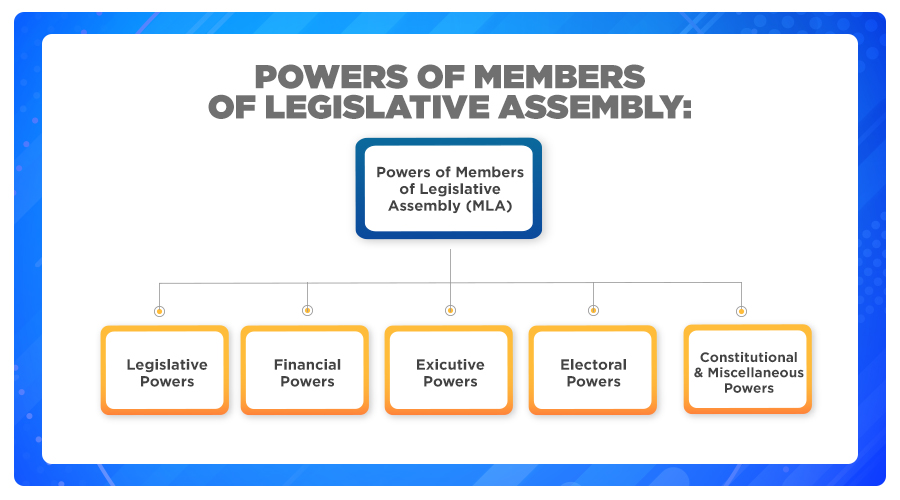
State assembly members, often referred to as state representatives, assemblymen, or legislators, are the backbone of state-level governance in the United States. Their roles and responsibilities are diverse and critical to the functioning of democracy at the state level. While the specifics can vary slightly from state to state due to differences in legislative structures and procedural rules, their core duties revolve around making laws, representing their constituents, and overseeing the executive branch. Understanding their work is essential for informed civic engagement and for appreciating the intricate workings of our government.
The Legislative Powerhouse: Crafting and Enacting Laws
The primary and most visible function of state assembly members is their role in the legislative process. They are the individuals tasked with introducing, debating, amending, and ultimately voting on bills that can profoundly impact the lives of citizens within their state. This process is not a simple one; it involves extensive research, negotiation, and a deep understanding of complex issues.

Bill Introduction and Sponsorship
Any state assembly member can introduce a bill, which is a proposed law. Before a bill is formally introduced, the legislator often researches the issue, consults with experts, and gathers support from colleagues. They may draft the bill themselves or work with legislative staff and attorneys. The act of introducing a bill is a significant step, marking the beginning of its journey through the legislative labyrinth. A bill can be sponsored by a single member or by a group of members, indicating varying levels of consensus or support for the proposed legislation.
Committee Work: The Engine Room of Legislation
Once a bill is introduced, it is typically referred to one or more committees that specialize in specific policy areas, such as education, healthcare, transportation, or the environment. These committees are where the real scrutiny of proposed legislation often takes place. Assembly members serving on committees play a crucial role in examining bills in detail. They hold hearings where they listen to testimony from proponents and opponents of the bill, including citizens, experts, lobbyists, and government officials. Following these hearings, committees may hold executive sessions to debate, amend, and vote on the bill. A bill must typically pass out of its relevant committee(s) to proceed to the full assembly floor. The work within committees is often less publicized than floor debates but is essential for shaping the final form of legislation.
Floor Debate and Voting
After a bill has been approved by its committee(s), it is scheduled for consideration by the entire assembly. Here, assembly members engage in floor debate, where they can express their views on the bill, offer amendments, and try to persuade their colleagues. This stage is often characterized by passionate speeches and sometimes intense negotiation. The culmination of this process is the vote. Bills typically require a simple majority to pass, though some states have specific thresholds for certain types of legislation. If a bill passes one chamber of the legislature, it then moves to the other chamber (e.g., from the state assembly to the state senate) for a similar process. If both chambers pass identical versions of the bill, it is then sent to the governor for their signature.
Vetoes and Overrides
The governor has the power to sign a bill into law or to veto it, effectively rejecting it. However, state assembly members are not powerless against a governor’s veto. In most states, the legislature can override a governor’s veto with a supermajority vote (typically two-thirds) in both chambers. This mechanism ensures that the legislative branch retains a significant check on the executive branch and that laws can still be enacted even in the face of gubernatorial opposition, reflecting the principle of separation of powers.
The Voice of the People: Constituent Representation and Advocacy
Beyond their legislative duties, state assembly members serve as vital conduits between their constituents and the state government. They are elected to represent the interests and concerns of the people living in their specific district, and this responsibility extends far beyond simply casting votes on bills.
Casework and Constituent Services
A significant portion of an assembly member’s work involves direct engagement with their constituents to address individual problems or concerns. This “casework” can involve helping residents navigate bureaucratic hurdles with state agencies, answering questions about state laws or programs, or intervening on behalf of individuals facing issues with government services. Providing responsive and effective constituent services is crucial for building trust and maintaining a connection with the electorate. Many assembly members and their staff dedicate considerable time to this aspect of their role.
Holding Town Halls and Public Forums
To stay informed about the needs and opinions of their constituents, assembly members regularly hold town hall meetings, public forums, and listening sessions. These events provide a platform for residents to voice their concerns directly to their representative, ask questions, and engage in dialogue about pressing issues. This direct engagement is invaluable for understanding the diverse perspectives within a district and for informing legislative priorities.
Advocating for District Interests
Assembly members are expected to champion the specific interests and needs of their districts at the state level. This can involve advocating for increased funding for local schools, securing resources for infrastructure projects, or promoting policies that benefit the economic development of their region. They act as advocates, ensuring that their district’s unique challenges and opportunities are considered in the broader state policy-making landscape.
The Watchdogs and Overseers: Scrutinizing the Executive Branch
The legislative branch has a crucial oversight role concerning the executive branch of state government. This function ensures accountability, transparency, and the efficient use of taxpayer money. State assembly members actively participate in these oversight activities.
Budgetary Oversight and Appropriations
One of the most significant oversight powers of state assembly members lies in their control over the state budget. They review and approve the governor’s proposed budget, holding hearings and debating spending priorities. Through the appropriations process, they determine how state funds are allocated to various agencies, programs, and initiatives. This power allows them to influence the direction of state government and to ensure that funds are being used effectively and in alignment with legislative intent.
Investigations and Audits
State legislatures have the authority to conduct investigations into the operations of state agencies and departments. This can be triggered by allegations of mismanagement, waste, fraud, or abuse. Assembly members may commission audits, hold investigative hearings, and subpoena witnesses to gather information. These oversight activities are essential for maintaining public trust and ensuring that government operates with integrity and accountability.
Confirmation of Appointments
In many states, the legislature plays a role in confirming gubernatorial appointments to key positions within state government, such as cabinet secretaries, agency heads, or judges. Assembly members have the opportunity to question nominees and to vote on whether to approve their appointments. This provides another layer of legislative oversight and ensures that individuals in critical executive positions are qualified and suitable for their roles.
Beyond the Chamber: The Multifaceted Role of a State Assembly Member
The responsibilities of a state assembly member extend beyond the formal legislative and oversight functions. They are also educators, negotiators, and community leaders who engage in a continuous cycle of learning and engagement.
Policy Research and Development
Effective lawmaking requires a deep understanding of the issues at hand. Assembly members and their staff spend considerable time researching policy proposals, analyzing data, and consulting with subject matter experts. They must stay abreast of national trends, federal legislation, and best practices in other states to inform their decision-making. This commitment to policy development ensures that legislation is well-informed and effectively addresses the challenges facing the state.
Negotiation and Compromise
The legislative process is inherently about negotiation and compromise. Assembly members often need to work with colleagues from different political parties, with differing viewpoints, to find common ground and build consensus. Successful legislators are skilled negotiators who can build coalitions, persuade others, and find practical solutions that can garner broad support. This ability to compromise is essential for moving legislation forward and for governing effectively.

Community Engagement and Public Education
State assembly members are often expected to be active participants in their communities. They may attend local events, speak at schools or civic organizations, and engage with various stakeholders. By doing so, they not only stay connected to their constituents but also play a role in educating the public about state government and the legislative process. This open communication fosters a more informed and engaged citizenry.
In conclusion, the role of a state assembly member is multifaceted and demanding. They are lawmakers, representatives, and overseers, all while navigating the complexities of public service. Their dedication to crafting legislation, advocating for their constituents, and ensuring accountability within the executive branch is fundamental to the health and vitality of state governance in the United States. Understanding their work provides valuable insight into how laws are made and how our government functions at a crucial level.
aViewFromTheCave is a participant in the Amazon Services LLC Associates Program, an affiliate advertising program designed to provide a means for sites to earn advertising fees by advertising and linking to Amazon.com. Amazon, the Amazon logo, AmazonSupply, and the AmazonSupply logo are trademarks of Amazon.com, Inc. or its affiliates. As an Amazon Associate we earn affiliate commissions from qualifying purchases.