
In the vast, intricate tapestry of the natural world, certain creatures stand out with an almost universal recognition. Among these is the ladybug, a small, dome-shaped beetle whose distinctive red or orange shell, adorned with striking black spots, has cemented its place in folklore, children’s literature, and even popular culture. But beyond their charming aesthetic, what do these spots truly mean? From a branding perspective, the spots on a ladybug are far more than mere decorative elements; they are a sophisticated form of visual communication, a potent signal that shapes perception, influences interactions, and underpins the ladybug’s ecological identity and “brand” within its environment.

This article delves into the multifaceted significance of ladybug spots, exploring them not as random biological features, but as deliberate and highly effective branding tools. We will dissect the evolutionary pressures that led to this visual signature, how these spots serve as a crucial part of the ladybug’s “brand identity,” and the implications of this visual communication for its survival and success within its complex ecological marketplace.
The Evolutionary “Brand Development” Process: Natural Selection and the Spot Signature
The development of the ladybug’s characteristic spotted pattern is a masterclass in evolutionary “brand development.” Over millennia, natural selection has favored individuals whose visual cues effectively communicated vital information to both predators and prey. This isn’t about conscious design, but rather about the relentless filtering process that identifies traits conferring a survival advantage.
Aposematism: The “Warning Label” of the Insect World
The most prominent and universally understood meaning of a ladybug’s spots, particularly in conjunction with its vibrant coloration, is aposematism. This is a biological term for a defensive warning signal. The bright colors (typically red or orange) coupled with distinct black spots act as a highly visible “danger” sign.
This visual branding serves a crucial purpose: it warns potential predators, such as birds, spiders, and other insects, that the ladybug is not a palatable meal. This unpalatability stems from the ladybug’s ability to produce and secrete a foul-tasting, toxic fluid from its leg joints when threatened. This fluid, known as hemolymph, contains alkaloids that are bitter and can even be poisonous to many animals.
The spots, therefore, are an integral part of this warning system. They make the brightly colored beetle even more conspicuous, ensuring that predators associate the visual pattern with an unpleasant or even harmful experience. A bird that attempts to eat a ladybug and experiences its noxious defense will quickly learn to avoid ladybugs with similar spot patterns in the future. This learned aversion is a cornerstone of the ladybug’s survival strategy, allowing it to thrive by deterring predation before it even occurs.
Variation as Brand Differentiation: The Nuances of Spot Patterns
While the general appearance of a spotted ladybug is consistent, there is remarkable variation in the number, size, and arrangement of these spots across different species and even within populations. This variation is akin to a company diversifying its product line or offering different versions of its logo.
Species-Specific Signatures: Different species of ladybugs have evolved distinct spot patterns. For example, the seven-spotted ladybug (Coccinella septempunctata) has seven prominent spots, while the thirteen-spotted ladybug (Hippodamia tredecimpunctata) has a more complex arrangement. These unique “logos” allow conspecifics (members of the same species) to recognize each other, facilitating mating and social interactions within their own kind. This species-specific differentiation is vital for maintaining reproductive isolation and ensuring the integrity of the species’ genetic “brand.”
Individual Recognition and Communication: At a finer level, even within a species, subtle differences in spot patterns can exist between individuals. While not as definitively proven as species-level identification, it is theorized that these minor variations might play a role in individual recognition, especially during mating rituals. A female might be able to discern subtle cues from a male’s spot pattern, or vice versa, adding another layer to their intricate biological communication strategy. This concept mirrors how brands might use subtle design elements to differentiate premium or limited-edition products from their standard offerings.
The Ladybug’s “Brand Equity”: Perception and Ecological Role
The consistent and recognizable “brand” of the ladybug, largely defined by its spots and color, carries significant “brand equity” within its ecosystem. This equity influences how other organisms perceive and interact with it, ultimately contributing to its ecological success.
Predator Perception: The “Do Not Eat” Stamp
As discussed, the primary driver of the ladybug’s positive brand equity among predators is its aposematic signaling. The spots, in conjunction with color, act as an immediate and effective “do not eat” stamp. Predators learn to associate the visual cue with a negative consequence, leading to a reduction in attacks. This is a highly efficient form of marketing – the “product” (the ladybug) advertises its own undesirable qualities, saving energy and resources that would otherwise be spent on active defense.
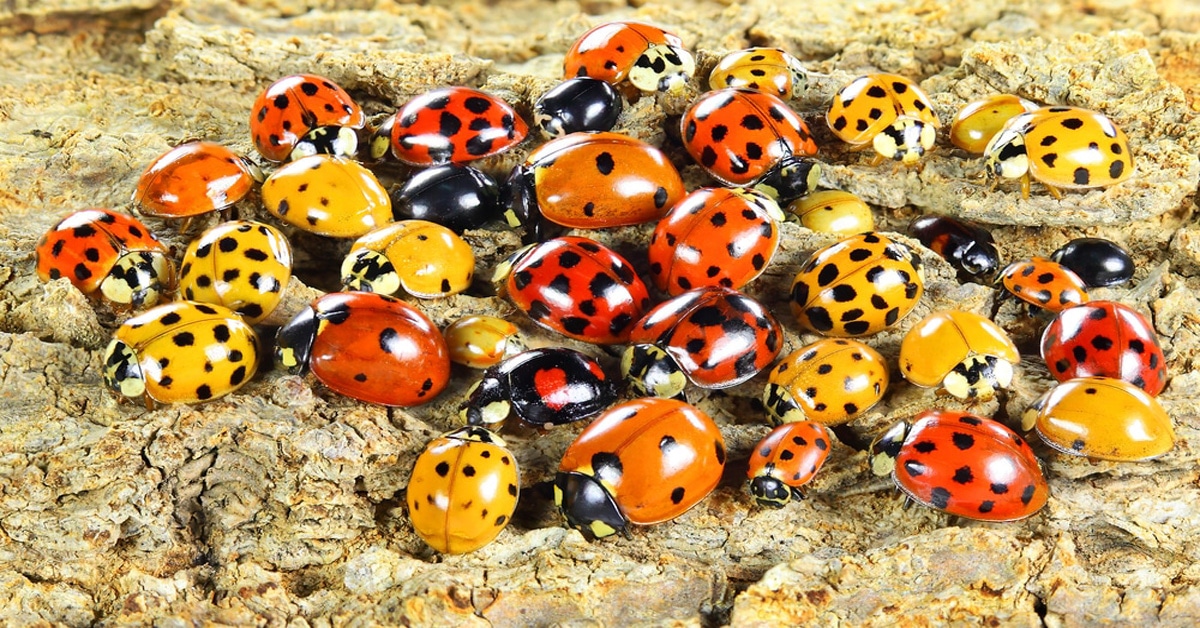
The effectiveness of this visual branding is amplified by the fact that the ladybug’s toxicity can vary. Even if a particular individual isn’t as toxic as others, the general warning pattern still provides a substantial degree of protection. This demonstrates the power of a strong, consistent brand identity – it offers a blanket of security, even if individual “products” have minor variances.
Prey Perception: The “Benefactor” Image
Beyond its defensive signaling, the ladybug’s spotted appearance has also fostered a remarkably positive perception among a different crucial audience: its prey. Ladybugs are voracious predators of aphids, mealybugs, and other small insects that are considered pests in agricultural and horticultural settings.
This predatory role has led to the ladybug developing a “benefactor” brand image in the eyes of many humans and even some plants. Farmers and gardeners actively encourage ladybug populations because they are natural pest control agents. This positive association is often reinforced by the ladybug’s non-threatening appearance and its beneficial actions. The bright, cheerful colors and the charming spots evoke a sense of good fortune and helpfulness.
This dual perception – a deterrent to predators and a welcomed ally to those who benefit from its predatory habits – highlights the extraordinary success of the ladybug’s visual branding. It has effectively carved out a niche where its appearance communicates both danger to its enemies and utility to its allies, maximizing its chances of survival and reproduction.
Beyond the Spots: The Holistic “Brand Identity” of the Ladybug
While the spots are undeniably a central element, the ladybug’s “brand identity” is a holistic construct, influenced by a combination of visual cues, behavioral traits, and its ecological function. Understanding these elements collectively paints a richer picture of its success.
Color and Shape: The Supporting Cast to the Spots
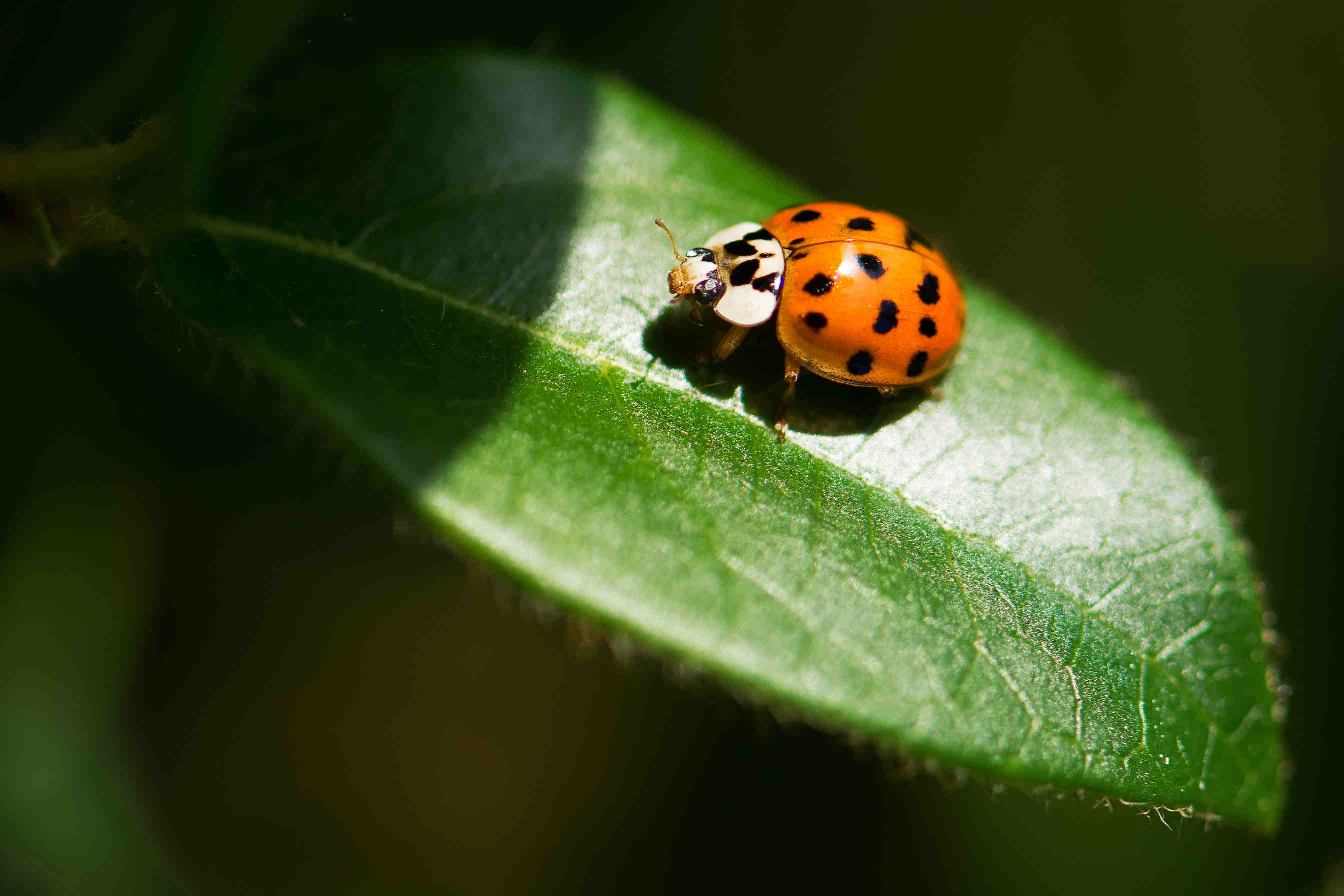
The spots do not exist in a vacuum. They are invariably presented on a brightly colored, typically red or orange, convex shell. This combination of color and shape is fundamental to the ladybug’s visual branding.
Color as a Primary Signal: The vibrant hues serve as the initial attention-grabber. These colors are inherently conspicuous against most natural backgrounds, making the ladybug easily noticeable. This initial visibility is crucial for the effectiveness of the spotted warning system.
Shape as a Reinforcing Element: The rounded, dome-like shape of the ladybug’s body adds to its appeal and also contributes to its defense. This compact form makes it difficult for predators to get a good grip or to easily access vulnerable parts of its body. Combined with the smooth, glossy texture of its elytra (wing covers), the overall shape creates an impression of a well-protected, self-contained unit – a robust “product” that is hard to damage.
Behavioral Marketing: The “Good Citizen” of the Garden
The ladybug’s behaviors also contribute significantly to its positive brand image. Unlike some other insects that might be perceived as stealthy or aggressive, ladybugs are often observed in a relatively slow, deliberate manner. Their primary defensive action, when disturbed, is to remain still or to play dead, further reinforcing their non-threatening persona to humans.
This passive approach to survival, coupled with their beneficial pest-control activities, paints a picture of a “good citizen” of the garden ecosystem. This behavioral marketing is as crucial as their visual signals in shaping perceptions. People are more likely to tolerate and even welcome a creature that appears harmless and actively benefits them, regardless of the inherent biological mechanisms at play.
The “Brand Story” of Ladybugs: Resilience and Good Fortune
The ladybug’s “brand story” has been further embellished by human interpretation. Across many cultures, ladybugs are associated with good luck, prosperity, and protection. This folklore has imbued the ladybug with a positive cultural resonance that transcends its biological functions.
This anthropocentric “branding” has, in turn, likely influenced conservation efforts and a general positive disposition towards these insects. When an organism becomes a symbol of good fortune, it receives a level of cultural endorsement that can indirectly contribute to its well-being and perceived value in human-dominated landscapes.
In conclusion, the spots on a ladybug are far more than simple biological markings. They are a fundamental component of a sophisticated, evolved “brand identity.” This visual signature, working in concert with color, shape, and behavior, communicates vital information to both predators and prey, ensuring survival and fostering a unique ecological and cultural role. The ladybug’s spots are a testament to the power of visual branding in the natural world, a potent symbol of warning, utility, and even good fortune, all encapsulated in its iconic, spotted form.
aViewFromTheCave is a participant in the Amazon Services LLC Associates Program, an affiliate advertising program designed to provide a means for sites to earn advertising fees by advertising and linking to Amazon.com. Amazon, the Amazon logo, AmazonSupply, and the AmazonSupply logo are trademarks of Amazon.com, Inc. or its affiliates. As an Amazon Associate we earn affiliate commissions from qualifying purchases.