
The realm of sports medicine, often perceived purely through the lens of athletic performance and injury recovery, also represents a significant and specialized segment of the healthcare economy. Understanding “what sports physicians do” from a financial and business standpoint reveals a fascinating interplay of high-value specialized services, substantial career investments, and diverse income streams. These medical professionals are not merely healers but critical economic agents, impacting individual athletes’ careers, the financial health of sports organizations, and the broader healthcare market.
The Financial Investment in a Specialized Medical Career
Becoming a sports physician is a journey marked by considerable financial and time investments, setting the stage for a career that commands specialized expertise and, consequently, premium compensation. This path demands a unique blend of medical acumen and an understanding of biomechanics, exercise physiology, and sports-specific pathologies.

Education and Training Costs
The initial commitment begins with a bachelor’s degree, followed by four years of medical school. The cost of medical education in the United States alone can range from $200,000 to over $400,000 for tuition and fees, excluding living expenses. This often necessitates substantial student loan debt, which graduates carry into their early careers. Post-medical school, aspiring sports physicians complete a residency in a primary care specialty (Family Medicine, Pediatrics, Internal Medicine, or Emergency Medicine) or Physical Medicine & Rehabilitation, which typically lasts three to four years. Following residency, an additional one-to-two-year fellowship in Sports Medicine is required. Each stage involves tuition, licensing fees, board certification costs, and a significant opportunity cost from delayed entry into full-earning potential compared to non-medical professions. The aggregate financial outlay, combined with nearly a decade of post-graduate training, underscores the substantial personal investment in this highly specialized field.
Opportunity Costs of Specialization
Beyond direct expenditures, the opportunity cost of choosing a career in sports medicine is a critical financial consideration. While residents and fellows earn a salary, it is significantly lower than what a fully licensed physician in a general practice might command. The years spent in intensive training mean foregone income that could have been accumulated in other, less specialized medical roles or entirely different careers. This deferred gratification implies a strategic long-term financial view, betting on the higher earning potential and professional satisfaction that specialized sports medicine offers. The return on this investment materializes as expertise that is in high demand, allowing practitioners to command competitive salaries and establish lucrative practices later in their careers.
Income Streams and Business Models in Sports Medicine
Sports physicians navigate various professional settings, each presenting distinct income streams and business models. Their expertise is valuable across diverse contexts, from private clinics to professional sports teams.
Private Practice vs. Employed Positions
Many sports physicians opt for private practice, either as solo practitioners or as part of a group practice. This model offers greater autonomy and the potential for higher income, as they retain a larger share of the revenue generated from patient visits, procedures, and ancillary services. However, it also entails significant overhead costs: office rent, staff salaries, equipment purchases, malpractice insurance, and administrative expenses like billing and coding. Managing a private practice requires not only clinical skills but also strong business acumen to ensure profitability and sustainability.
Conversely, a substantial number of sports physicians are employed by hospitals, academic institutions, or large healthcare systems. In this model, they receive a stable salary, often with benefits packages that include health insurance, retirement plans, and paid time off. While this provides financial security and reduces administrative burdens, the earning potential may be capped compared to a successful private practice owner. The compensation structure for employed physicians often includes performance bonuses tied to patient volume, quality metrics, or research contributions, aligning their financial incentives with organizational goals.
Team Physician Roles: Salary vs. Service Fees
Working as a team physician for professional sports organizations, collegiate athletic departments, or even high school teams is a highly sought-after role that offers unique financial arrangements. For professional teams, a dedicated team physician might be a full-time employee, drawing a substantial salary and benefits commensurate with the demands and profile of the role. These positions often involve extensive travel, on-call availability, and direct influence on the careers of high-value athletes, justifying significant compensation.
Alternatively, sports physicians may provide services to teams on a contractual basis, receiving service fees for game coverage, clinic hours dedicated to athletes, or specific procedures. This allows practitioners to diversify their income while maintaining other aspects of their practice. The prestige associated with being a team physician can also indirectly boost a physician’s private practice by attracting new patients and enhancing their professional reputation, acting as a form of high-profile marketing.
Ancillary Services and Revenue Diversification
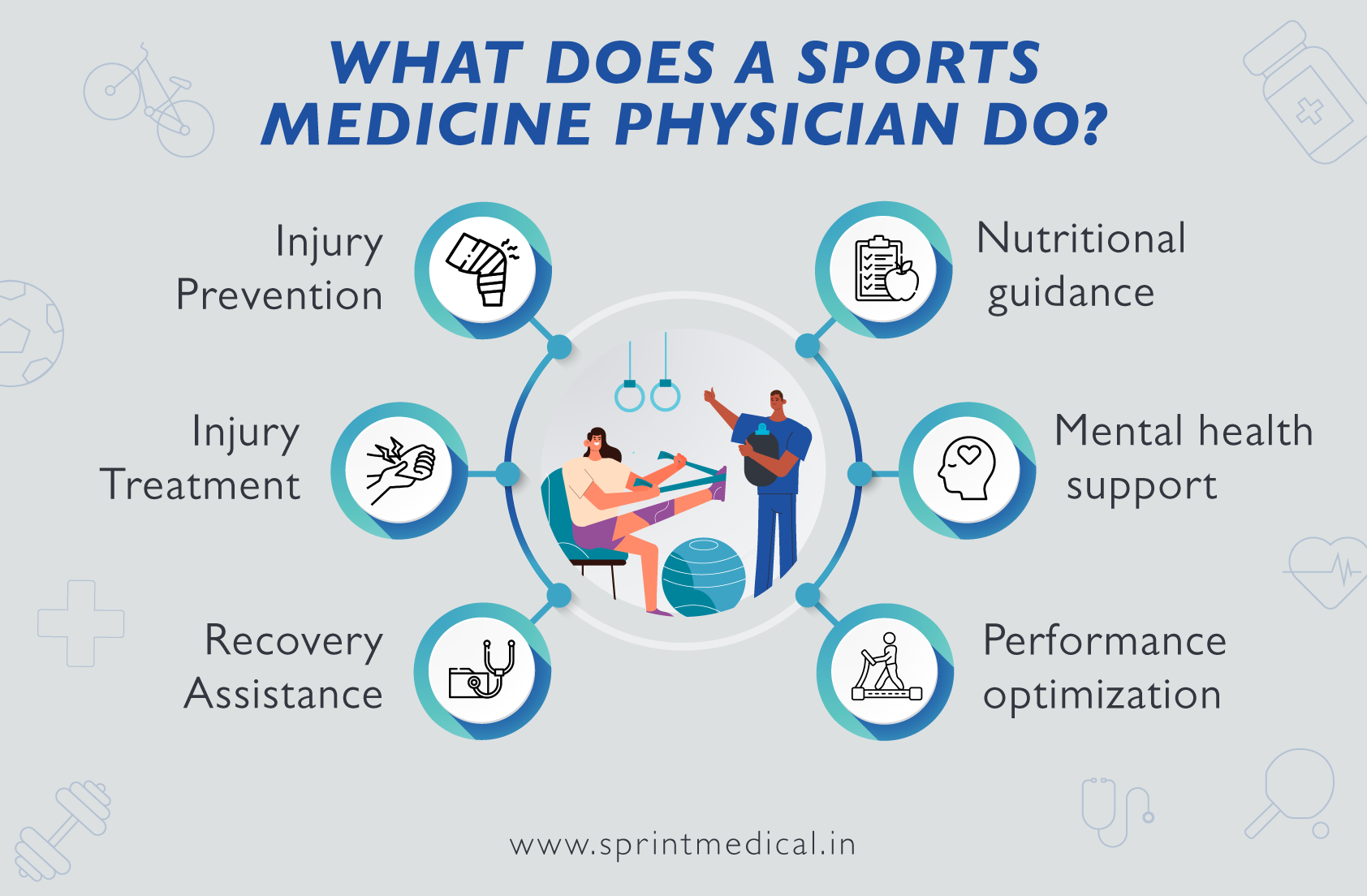
Modern sports medicine practices increasingly diversify their revenue streams beyond standard consultations and treatments. This includes offering a range of ancillary services such as physical therapy, rehabilitation, nutrition counseling, performance enhancement programs, diagnostic imaging (e.g., ultrasound in-office), and even surgical referrals within a network. By integrating these services, practices can capture a larger share of the patient’s healthcare spending and provide comprehensive, convenient care. For instance, a physician might invest in specialized equipment for regenerative medicine (e.g., PRP injections), expanding their service offerings and catering to a growing market seeking innovative treatments. Educational workshops, online courses, and consulting services for athletic programs or fitness companies also present avenues for additional income, leveraging the physician’s expertise beyond direct patient care.
The Economic Value Proposition of Sports Physicians
The work of a sports physician has a profound economic impact, extending far beyond the individual patient. Their ability to facilitate rapid and safe return to activity, prevent injuries, and extend careers creates significant financial value for athletes, teams, and the broader healthcare system.
Preventing Costly Surgeries and Long-Term Disability
One of the most significant economic contributions of sports physicians is their role in injury prevention and non-surgical management. Through accurate diagnosis, early intervention, and effective rehabilitation protocols, they can often prevent injuries from escalating to the point where costly and invasive surgeries become necessary. A single orthopedic surgery can incur tens of thousands of dollars in medical costs, coupled with potential long recovery periods, lost income for the patient, and rehabilitation expenses. By successfully managing conditions conservatively, sports physicians save patients, insurance companies, and healthcare systems substantial sums. Furthermore, preventing chronic conditions or long-term disability helps maintain individuals’ participation in the workforce, reducing societal costs associated with unemployment and long-term care.
Maximizing Athletic Performance and Career Longevity
For professional athletes, a sports physician is an indispensable asset whose work directly influences their earning potential. By optimizing physical conditioning, managing injuries swiftly, and advising on preventative strategies, these specialists contribute to peak performance and extend athletic careers. A single season or even a few extra years in a professional sport can translate into millions of dollars in salary and endorsement income for an athlete. The physician’s role in facilitating rapid, safe return to play after injury directly protects these substantial investments made by teams and individual athletes. For collegiate athletes, effective sports medicine care can be the difference between securing a scholarship or even a professional contract, representing an enormous financial benefit for their future.
The Growing Market for Sports Medicine Services
The market for sports medicine services is experiencing robust growth, driven by several factors. An aging population remains active longer, increasing the incidence of sports-related injuries among older adults. Concurrently, a heightened awareness of health and fitness among the general population has led to greater participation in recreational sports. The increasing professionalization and commercialization of sports worldwide also fuel demand for specialized care. This expanding market translates into significant business opportunities for sports physicians, making it a financially attractive medical specialty. Investment in sports medicine clinics, research, and technology is also on the rise, reflecting confidence in the sector’s economic potential.
Financial Considerations for Patients and Clients
For individuals seeking sports medicine care, understanding the financial implications is crucial. This involves navigating insurance complexities and recognizing the long-term investment in health and performance.
Navigating Insurance and Out-of-Pocket Expenses
Accessing sports medicine services often involves navigating the complexities of health insurance. While many services, especially those related to injury treatment and rehabilitation, are typically covered by standard medical insurance plans, the extent of coverage varies widely depending on the plan, deductibles, co-pays, and out-of-network benefits. Patients may face substantial out-of-pocket expenses, particularly for specialized treatments, advanced diagnostics, or services deemed “performance enhancement” rather than medically necessary. Understanding one’s insurance policy and discussing costs transparently with the provider are essential steps for financial planning. For high-performance athletes, comprehensive sports-specific insurance policies or direct funding from teams often mitigate these financial burdens.

Investing in Preventative Care and Rehabilitation
From a personal finance perspective, investing in preventative sports medicine care can yield significant returns. Regular check-ups, early intervention for minor aches, and participation in injury prevention programs can avert more serious and costly injuries down the line. Similarly, committing to prescribed rehabilitation programs, even if they involve co-pays or direct costs, is an investment in restoring function and preventing recurrence. The cost of a few physical therapy sessions or a specialized brace pales in comparison to the financial and physical toll of chronic pain, disability, or a major surgical procedure. For athletes, this investment is directly tied to their ability to continue training and competing, safeguarding their livelihood and passion. Sports medicine, therefore, represents an essential investment in human capital, securing health, performance, and long-term well-being.
aViewFromTheCave is a participant in the Amazon Services LLC Associates Program, an affiliate advertising program designed to provide a means for sites to earn advertising fees by advertising and linking to Amazon.com. Amazon, the Amazon logo, AmazonSupply, and the AmazonSupply logo are trademarks of Amazon.com, Inc. or its affiliates. As an Amazon Associate we earn affiliate commissions from qualifying purchases.