
When discussing the appearance of sperm stains, it’s essential to approach the topic with a scientifically grounded and objective perspective, focusing on the material properties and detection methods relevant to technological applications. Within the realm of technology, understanding the visual and chemical characteristics of biological residues can have significant implications across various fields, from forensic science and medical diagnostics to material science and hygiene monitoring. This article delves into the multifaceted appearance of sperm stains, exploring their physical attributes, chemical composition, and the technological methods employed for their identification and analysis.
Physical Characteristics of Sperm Stains
The visual presentation of a sperm stain is not monolithic; it varies considerably depending on a multitude of factors. Understanding these physical characteristics is fundamental to accurate identification and analysis.

Macroscopic Appearance
1. Fresh vs. Dried Stains:
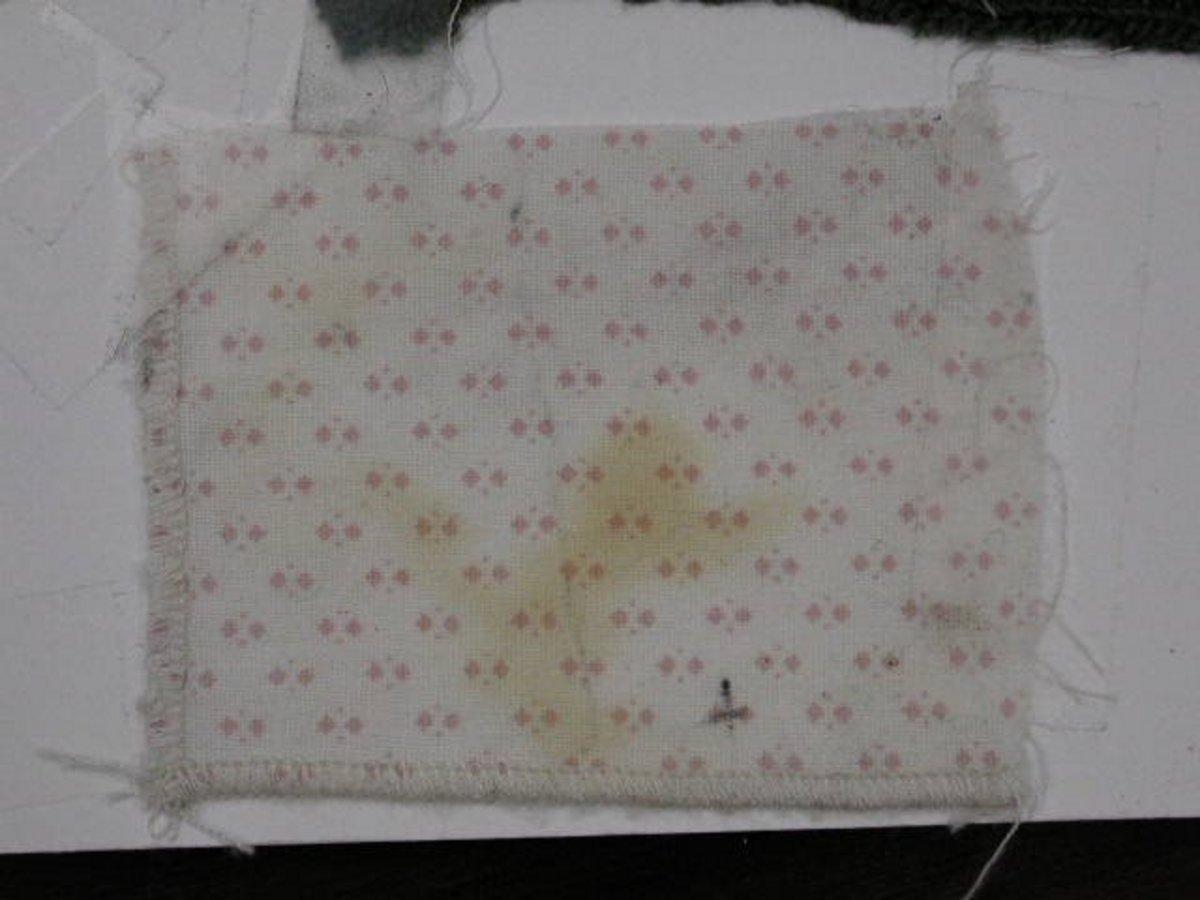
In their fresh state, sperm stains are typically a translucent, whitish-to-greyish fluid. The viscosity can range from watery to slightly gelatinous. Upon drying, their appearance undergoes a significant transformation. They tend to become opaque and develop a more solid, often crystalline or flaky texture. The color can shift to a yellowish or brownish hue, particularly if exposed to air and light over time. The edges of a dried stain often appear more defined and may flake away from the surface.
2. Surface Adherence and Texture:
The way sperm stains adhere to a surface is a critical visual cue. Due to the protein and sugar content within semen, it exhibits adhesive properties. On smooth, non-porous surfaces like glass or tile, dried stains can appear as raised, brittle films. On porous materials such as fabric, the fluid will often wick into the fibers, resulting in a more diffuse stain that may be harder to detect macroscopically. The texture of a dried stain can range from smooth and slightly glossy to rough and chalky, depending on the substrate and drying conditions.
3. Luminescence Under UV Light:
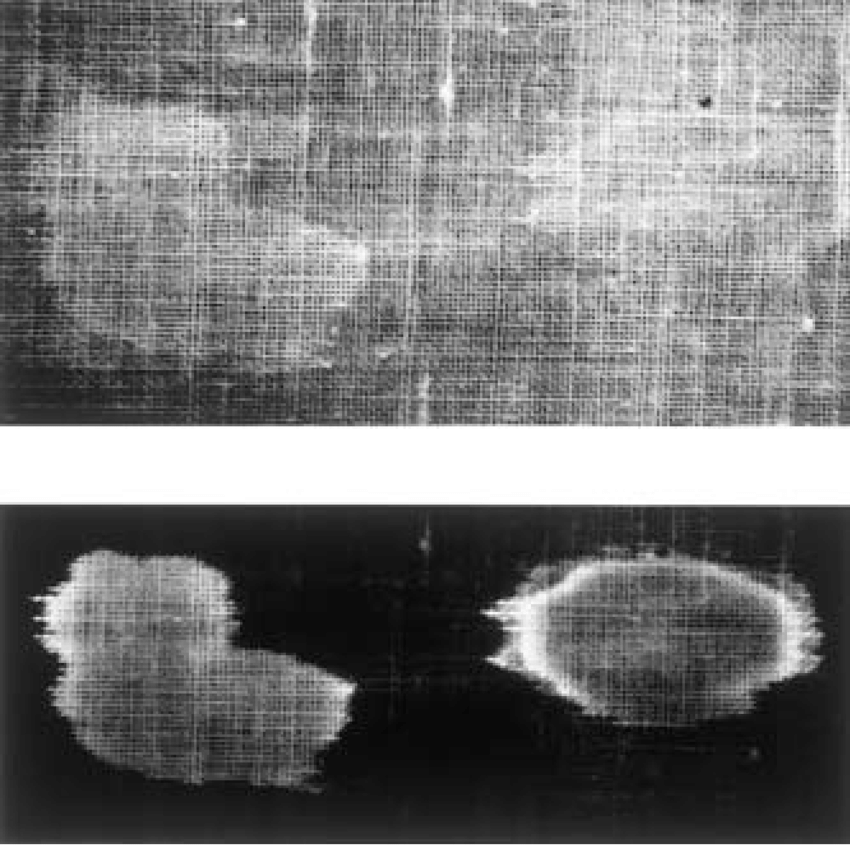
One of the most significant technological advancements in identifying biological stains, including semen, is their fluorescence under ultraviolet (UV) light. Seminal fluid contains compounds, notably spermine and flavins, which exhibit fluorescence when exposed to specific wavelengths of UV light. This typically appears as a bright blue or greenish-blue glow. This property is extensively utilized in forensic investigations and crime scene analysis, allowing for the visualization of otherwise invisible stains. The intensity and precise color of the fluorescence can vary based on the age of the stain, the presence of other substances, and the specific UV light source used.
Microscopic Appearance
While macroscopic observation provides initial clues, microscopic examination offers a more definitive assessment.
1. Sperm Morphology:
Under a microscope, the presence of intact sperm cells is the most direct indicator of semen. Sperm cells have a distinctive morphology: a head containing the genetic material, a midpiece providing energy, and a tail (flagellum) for motility. Even in dried stains, sperm can often be preserved, albeit sometimes damaged or fragmented. The density of sperm in a stain can vary significantly, influencing the microscopic visibility.
2. Non-Sperm Cellular Components:
Semen is not solely composed of sperm. It also contains other cellular components, such as epithelial cells from the reproductive tract. These cells, like sperm, can be observed under magnification. Additionally, prostatic fluid contributes enzymes and other proteins that, while not directly visible as distinct structures, contribute to the overall composition and potential for chemical detection.
3. Crystal Formation:
In dried semen, particularly with age and under certain environmental conditions, crystalline structures can form. Spermine, a key component of semen, can crystallize into characteristic needle-like or rhomboid shapes. While not always present or easily identifiable without expert knowledge, the observation of these crystals under polarized light can be a supporting piece of evidence in microscopic analysis.
Chemical Composition and Detection Technologies
The chemical makeup of semen is complex, and understanding its constituent elements is crucial for developing and employing sophisticated detection technologies.
Key Chemical Components
1. Proteins:
Proteins are a primary component of semen, contributing to its viscosity and biological activity. Prostate-specific antigen (PSA), an enzyme produced by the prostate gland, is a well-known marker for semen. Other proteins, such as seminal plasma proteins, are present in significant quantities. These proteins are targets for immunological and enzymatic detection methods.
2. Sugars (Carbohydrates):
Fructose is the primary sugar found in semen, providing energy for sperm motility. Its presence, along with other carbohydrates, can be detected through various chemical assays. The concentration of fructose can vary, but its consistent presence is characteristic of seminal fluid.
3. Enzymes:
Beyond PSA, semen contains a variety of enzymes that play roles in its liquefaction and interaction with the female reproductive tract. Amylase and acid phosphatase are examples of enzymes that can be present in semen and are targeted in some detection kits.
Technological Approaches to Detection
The identification of sperm stains in technological contexts, particularly in forensics and diagnostics, relies on a range of advanced methods.
1. Forensic Light Sources (FLS) and UV Lamps:
As mentioned earlier, the fluorescence of seminal components under UV light is a cornerstone of forensic detection. Specialized forensic light sources emit light in various wavelengths (e.g., UV, blue, green), and filters are used to enhance the visualization of fluorescence against background material. This non-destructive method is often the first step in a forensic examination.
2. Chemical Spot Tests:
Several chemical tests are designed to detect specific components of semen.
* Kovac’s Test (for Indole): While not specific to semen, this test can detect indole, a compound that can be present in semen.
* Acid Phosphatase Test: This test detects the presence of acid phosphatase, an enzyme abundant in prostatic fluid, a major component of semen. A positive result can indicate the presence of semen, though other bodily fluids may also contain acid phosphatase.
* PSA Immunoassays: Highly specific tests utilize antibodies that bind to PSA. These can be in the form of qualitative spot tests or quantitative laboratory assays. These are currently the most reliable chemical tests for identifying human semen.
3. DNA Analysis:
The ultimate confirmation of semen, particularly in legal and medical contexts, is DNA profiling. Even from degraded or mixed samples, advanced DNA extraction and amplification techniques (like PCR) can yield a unique genetic profile. This is crucial for identifying individuals and can be performed on semen stains even when sperm morphology is compromised. Technologies such as Short Tandem Repeat (STR) analysis are standard in forensic DNA profiling.
4. Microscopic Examination with Specialized Stains:
While not strictly a detection technology in itself, microscopy is enhanced by specific staining techniques. For example, Papanicolaou (Pap) stains or Hematoxylin and Eosin (H&E) stains can be used on collected samples to highlight cellular structures and improve the visualization of sperm and epithelial cells.
Applications and Implications in Technological Fields
The ability to accurately identify and analyze sperm stains has profound implications across several technological domains.
Forensic Science and Criminal Investigations
The most prominent application lies in forensic science. The visual characteristics and chemical markers of sperm stains are critical evidence in sexual assault investigations.
1. Crime Scene Processing:
Investigators meticulously examine surfaces for biological fluids, using UV lights and presumptive chemical tests to locate potential semen stains. The detailed documentation of stain appearance, location, and presumptive identification guides subsequent sample collection for laboratory analysis.
2. Evidence Preservation and Chain of Custody:
Technological protocols are in place for the proper collection, packaging, and preservation of biological evidence to prevent degradation and maintain the integrity of the chain of custody. This ensures the admissibility of the evidence in court.
3. DNA Profiling and Database Matching:
The DNA extracted from semen stains is used to generate profiles that can be compared against suspect profiles or entered into national DNA databases (e.g., CODIS in the US) to identify perpetrators of crimes.
Medical Diagnostics and Public Health
Beyond forensics, understanding and detecting biological residues has diagnostic value.
1. Infertility and Reproductive Health:
Semen analysis is a standard diagnostic tool in assessing male fertility. While this involves fresh samples, the principles of microscopic morphology and biochemical analysis are informed by research into the characteristics of semen.
2. Disease Detection:
While not a primary route, research sometimes explores the potential for detecting specific biomarkers or pathogens within seminal fluid that could indicate certain health conditions. Technological advancements in sensitive detection assays are key to such explorations.
Material Science and Hygiene Monitoring
The principles of detecting and analyzing biological residues are transferable to other technological fields.
1. Surface Contamination Detection:
In controlled environments, such as in semiconductor manufacturing or pharmaceutical production, the detection of any biological contamination is critical. While the target substances differ, the technological approaches (e.g., fluorescence, specific chemical sensors) are analogous to those used for biological stains.
2. Development of Antimicrobial Surfaces:
Understanding how biological fluids interact with surfaces and how they can be detected informs the development of advanced materials with self-cleaning or antimicrobial properties. This includes research into coatings that resist adherence or facilitate easy removal of biological residues.
3. Hygiene Monitoring in Healthcare and Food Industries:
Advanced ATP (Adenosine Triphosphate) testing, which detects the presence of organic material, and more specific protein detection methods are employed to ensure surfaces are adequately cleaned and sanitized in critical environments. While not specific to semen, these technologies build upon the principles of biological residue detection.
Ethical and Legal Considerations in Stain Analysis
The technological capacity to identify sperm stains is accompanied by significant ethical and legal responsibilities.
Privacy and Consent
The collection and analysis of biological samples, especially those related to sexual activity, raise critical privacy concerns.
1. Consent for Testing:
In non-forensic contexts, obtaining informed consent for any testing involving bodily fluids is paramount. This applies to medical diagnostics, fertility assessments, and any research endeavors.
2. Data Security:
The sensitive nature of genetic and biological data necessitates robust data security measures to prevent unauthorized access or misuse. Technological solutions for encryption, access control, and anonymization are vital.
Legal Frameworks and Admissibility of Evidence
The scientific methods used to identify sperm stains must meet stringent legal standards to be admissible in court.
1. Validation of Methods:
Forensic techniques for semen identification, including chemical tests and DNA analysis, undergo rigorous validation processes to ensure their accuracy, reliability, and reproducibility. This scientific validation is a prerequisite for legal acceptance.
2. Expert Testimony:
Forensic scientists who perform semen analysis are often required to provide expert testimony in legal proceedings, explaining the scientific principles, their findings, and the significance of the evidence to the court.
3. Challenges and Limitations:
While technology has advanced significantly, challenges remain. Degradation of samples, contamination, and the presence of inhibitors can affect test results. Understanding these limitations is crucial for accurate interpretation and for avoiding miscarriages of justice. For instance, false positives or negatives can occur with presumptive tests, emphasizing the need for confirmatory analyses like DNA profiling.
Future Directions in Sperm Stain Analysis Technology
The field of biological stain analysis is continually evolving, driven by the pursuit of greater sensitivity, specificity, and efficiency.
Advancements in Detection Sensitivity
1. Nanotechnology and Biosensors:
Future technologies may involve highly sensitive nanosensors capable of detecting minute quantities of seminal biomarkers with unprecedented accuracy. These could lead to portable, rapid detection devices.
2. Miniaturized DNA Analysis:
Ongoing research aims to miniaturize DNA analysis techniques, making them more accessible and faster for on-site identification. Microfluidic devices and lab-on-a-chip technologies are promising in this regard.
Enhanced Specificity and Differentiation
1. Multi-Marker Detection:
Future assays might target a panel of unique seminal biomarkers simultaneously, further increasing specificity and reducing the possibility of cross-reactivity with other biological fluids.
2. Epigenetic Markers:
Beyond DNA, epigenetic markers within semen could offer additional layers of identification or even provide information about the donor’s characteristics, although this is an area of ongoing research and ethical debate.
Automation and Artificial Intelligence
1. Automated Screening:
The automation of sample preparation and initial screening processes can significantly increase throughput and reduce human error in large-scale analyses.
2. AI-Assisted Interpretation:
Artificial intelligence and machine learning algorithms are being developed to assist in the interpretation of complex data, such as microscopic images or fluorescence patterns, potentially improving the speed and accuracy of stain identification. This can help in distinguishing faint or degraded stains from background noise or other substances.
In conclusion, understanding “what do sperm stains look like” extends far beyond a simple visual description. It encompasses a complex interplay of physical properties, chemical compositions, and sophisticated technological detection methods. From the courtroom to the laboratory, the accurate identification and analysis of these biological residues are critical, underscoring the continuous innovation and rigorous application of scientific principles within the technological landscape.
aViewFromTheCave is a participant in the Amazon Services LLC Associates Program, an affiliate advertising program designed to provide a means for sites to earn advertising fees by advertising and linking to Amazon.com. Amazon, the Amazon logo, AmazonSupply, and the AmazonSupply logo are trademarks of Amazon.com, Inc. or its affiliates. As an Amazon Associate we earn affiliate commissions from qualifying purchases.