
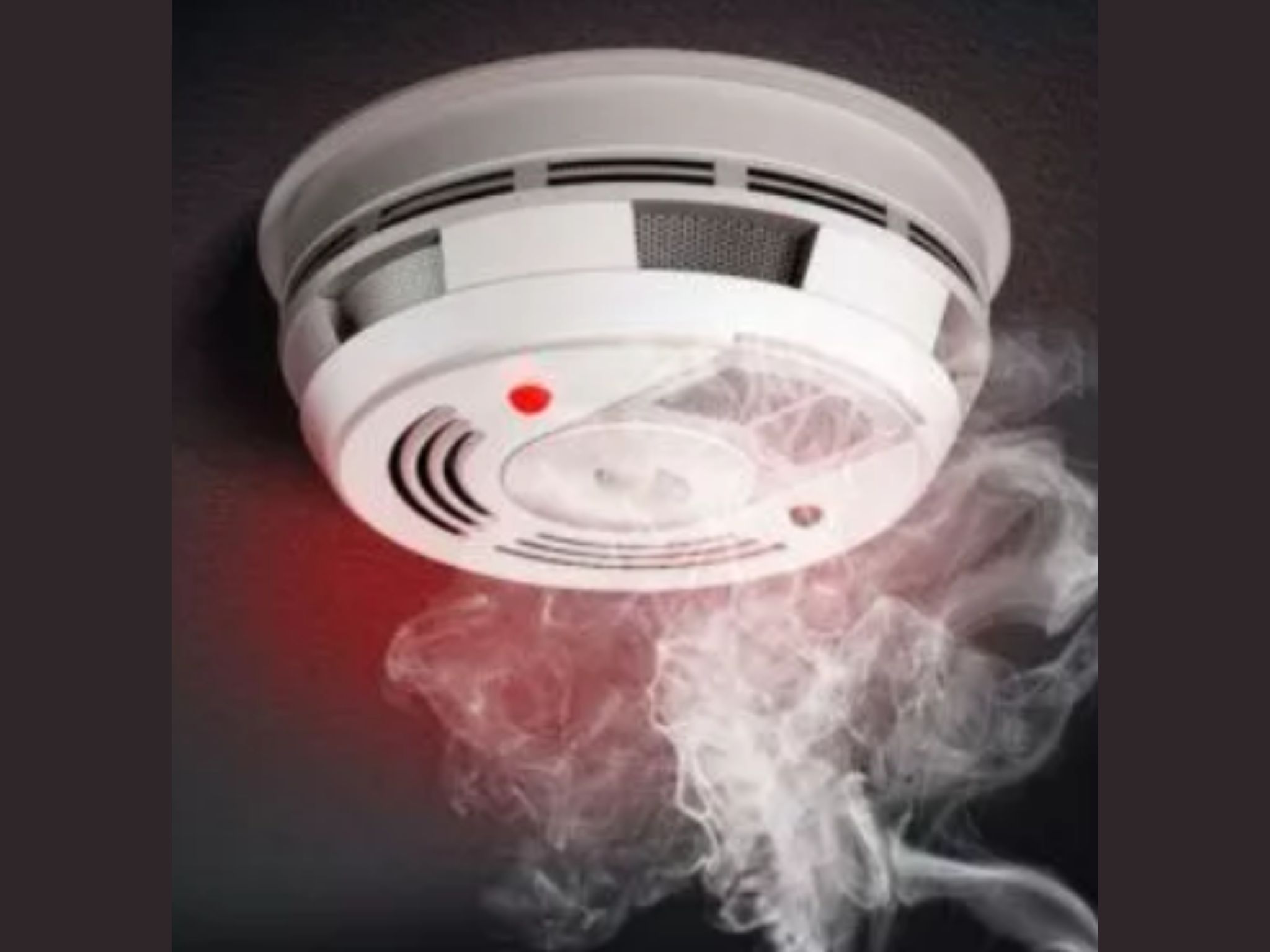
Smoke alarms, an indispensable component of modern home safety technology, are designed to provide early warning of a fire. While their primary function is universally understood, the specifics of what they detect, and how they achieve this detection, are nuanced and rely on sophisticated technological principles. Understanding these principles is crucial for appreciating the effectiveness and limitations of these life-saving devices, and for making informed decisions about their selection and placement. At their core, smoke alarms are sophisticated sensors that respond to the presence of airborne particles, a direct byproduct of combustion, which signifies the incipient stages of a fire.

The evolution of smoke alarm technology has seen significant advancements, moving from rudimentary ionization detection to more advanced photoelectric and dual-sensor systems. Each technology leverages different physical phenomena to identify smoke particles, offering varying degrees of sensitivity and effectiveness against different types of fires. This article will delve into the core technologies that power smoke alarms, the specific elements they detect, and the critical role they play in mitigating fire-related risks in our homes and workplaces.
The Science of Smoke Detection: Core Technologies Explained
Smoke alarms are not monolithic devices. Instead, they employ distinct technological approaches to identify the presence of smoke. The most prevalent technologies are ionization and photoelectric sensing, and increasingly, dual-sensor alarms combine both to offer broader protection. Understanding the fundamental science behind each is key to appreciating their operational nuances.
Ionization Smoke Alarms: The Invisible Particle Detectors
Ionization smoke alarms are highly effective at detecting fast-flaming fires, which produce relatively small smoke particles. The operation of an ionization alarm relies on a small amount of radioactive material, typically Americium-241, positioned between two electrically charged plates. This radioactive source emits alpha particles, which ionize the air molecules within a small chamber, creating a constant, low-level electric current between the plates.
When smoke particles enter the ionization chamber, they disrupt this flow of ions. The smoke particles attach themselves to the ions, effectively neutralizing them. This reduction in ionized air leads to a decrease in the electric current. The alarm circuitry constantly monitors this current. If the current drops below a predetermined threshold, indicating the presence of smoke particles, the alarm is triggered, sounding a loud audible alert.
The sensitivity of ionization alarms makes them particularly adept at detecting the initial, less visible stages of combustion, especially in fires characterized by rapid flame spread. However, they can be more prone to nuisance alarms from cooking fumes or steam, as these can also temporarily affect the ionization process. The radioactive material used is safely contained and poses no significant health risk when the alarm is intact, but responsible disposal is important.
Photoelectric Smoke Alarms: The Light Scatterers
Photoelectric smoke alarms, conversely, are generally more responsive to slow-burning fires, which produce larger smoke particles. These alarms utilize a light source (typically an LED) and a light sensor (a photodiode) positioned at an angle within a sensing chamber, usually at 90 degrees to each other. In a clear state, the light beam from the LED travels in a straight line and does not reach the photodiode.
When smoke particles enter the chamber, they reflect and scatter the light beam emitted by the LED. Some of this scattered light is redirected towards the photodiode. When the photodiode detects a sufficient amount of scattered light, it signals the presence of smoke, and the alarm is triggered.
Photoelectric alarms are often considered more reliable for detecting smoldering fires, which can produce larger, more visible smoke particles that are effective at scattering light. They are generally less susceptible to nuisance alarms from cooking fumes compared to ionization alarms, though they can still be triggered by dense steam or airborne dust. The technology is entirely passive, relying on light interaction rather than radioactive materials.
Dual-Sensor Smoke Alarms: The Best of Both Worlds
Recognizing the complementary strengths of ionization and photoelectric technologies, many modern smoke alarms incorporate dual-sensor capabilities. These alarms feature both an ionization sensor and a photoelectric sensor within a single unit. By integrating both detection methods, dual-sensor alarms provide a broader spectrum of protection, responding effectively to both fast-flaming and slow-smoldering fires.
The sophisticated circuitry within a dual-sensor alarm analyzes the signals from both sensors. The alarm is triggered when either sensor detects smoke above its threshold, or in some advanced models, when a combination of signals from both sensors meets a specific criterion, further reducing the likelihood of false alarms while maximizing detection capabilities. This hybrid approach offers a more comprehensive and robust fire safety solution, making them a highly recommended choice for homes and other living spaces.

What Specific Elements Do Smoke Alarms Detect?
While the technological principles vary, the ultimate goal of all smoke alarms is to detect the presence of airborne particulate matter indicative of combustion. These particles are not simply “smoke” in a colloquial sense, but specific chemical and physical byproducts generated when materials burn. The types and sizes of these particles are directly influenced by the fuel source, the oxygen available, and the stage of the fire.
Particulate Matter: The Ubiquitous Indicator
The primary element that smoke alarms detect is particulate matter. These are microscopic solid or liquid particles suspended in the air. During combustion, organic materials (wood, fabric, plastics, etc.) undergo chemical reactions that release volatile organic compounds (VOCs) and other gases, which then condense and form these tiny particles. The size, density, and chemical composition of these particles vary significantly depending on the burning material and the fire’s progression.
Gases of Combustion: A Secondary Indicator
While particulate matter is the direct target of most smoke alarms, some advanced systems and the initial stages of combustion can also involve the detection of specific gases. For example, incomplete combustion often produces carbon monoxide (CO) along with smoke. While dedicated carbon monoxide detectors are specifically designed to detect this lethal gas, some high-end smoke alarms may incorporate CO sensing capabilities as an additional layer of safety. The detection of these gases can be an indicator of a fire even before significant smoke is visible, particularly in the very early stages of combustion.
Heat and Flames: Complementary Detection
It is important to note that standard smoke alarms are primarily designed to detect smoke particles and not heat or flames directly. Specialized heat detectors and flame detectors exist for industrial or specific commercial applications where the presence of smoke might be a normal occurrence (e.g., kitchens with cooking), but a rapid rise in temperature or the visual detection of flames indicates a dangerous situation. However, for residential use, smoke detection remains the most effective and widely adopted method for early fire warning.
The Critical Role of Smoke Alarms in Fire Safety
The technological advancements in smoke alarm design have directly translated into a profound impact on fire safety. By providing early warning, these devices offer occupants precious minutes to escape a burning building, significantly reducing the risk of injury and fatality. Their widespread adoption, coupled with ongoing education and awareness campaigns, has demonstrably lowered fire-related deaths and property damage.
Early Warning and Evacuation Time
The most significant contribution of smoke alarms is their ability to detect fires in their nascent stages, often before they become visible or produce overwhelming amounts of heat. This early detection provides occupants with vital minutes to evacuate safely. These minutes can be the difference between a successful escape and a tragic outcome, especially in residential settings where individuals may be sleeping and unaware of the immediate danger. The sound of the alarm serves as an urgent call to action, prompting immediate evacuation before smoke and flames engulf escape routes.
Reducing Fatalities and Injuries
Statistics consistently show a dramatic reduction in fire-related fatalities and injuries in homes equipped with working smoke alarms. The National Fire Protection Association (NFPA) reports that in reported home fires, the presence of a working smoke alarm reduced the likelihood of dying in a fire by nearly half. This stark statistic underscores the life-saving efficacy of this relatively inexpensive technology. By alerting occupants early, smoke alarms provide the crucial time needed to escape, preventing exposure to toxic smoke inhalation and severe burns.
Technological Advancements and Future Directions
The ongoing evolution of smoke alarm technology promises even greater reliability and functionality. We are seeing the integration of interconnected alarms, allowing multiple alarms throughout a home to communicate with each other. When one alarm is triggered, all connected alarms sound simultaneously, ensuring that everyone in the house is alerted regardless of their location. Furthermore, smart smoke alarms are emerging, which can send notifications to mobile devices, providing alerts even when occupants are away from home. These advancements are pushing the boundaries of home safety, making our living spaces increasingly secure against the threat of fire.
In conclusion, smoke alarms are sophisticated technological devices that detect the particulate matter and, in some cases, gases produced during combustion. Understanding the underlying principles of ionization and photoelectric detection, and the benefits of dual-sensor technology, empowers consumers to make informed choices about their home safety systems. The continued development and widespread implementation of these life-saving devices are paramount in our collective effort to prevent fire-related tragedies.
aViewFromTheCave is a participant in the Amazon Services LLC Associates Program, an affiliate advertising program designed to provide a means for sites to earn advertising fees by advertising and linking to Amazon.com. Amazon, the Amazon logo, AmazonSupply, and the AmazonSupply logo are trademarks of Amazon.com, Inc. or its affiliates. As an Amazon Associate we earn affiliate commissions from qualifying purchases.