
In the world of high-end menswear and luxury footwear, the “shoe tree” is often misunderstood as a simple accessory—or worse, a decorative relic of the past. However, for the discerning professional, the shoe tree is not merely a tool for maintenance; it is a fundamental pillar of personal branding and long-term asset management. In an era where “fast fashion” dominates, maintaining the structural integrity and aesthetic condition of your leather goods is a subtle, yet powerful, statement of your personal brand.
Investing in quality footwear is a significant financial commitment. Treating these items as appreciating assets—or at the very least, durable goods that should last a decade—requires a strategy. A shoe tree is the primary mechanism through which you extend the lifespan of that investment, ensuring that your corporate identity remains polished, sharp, and consistent.
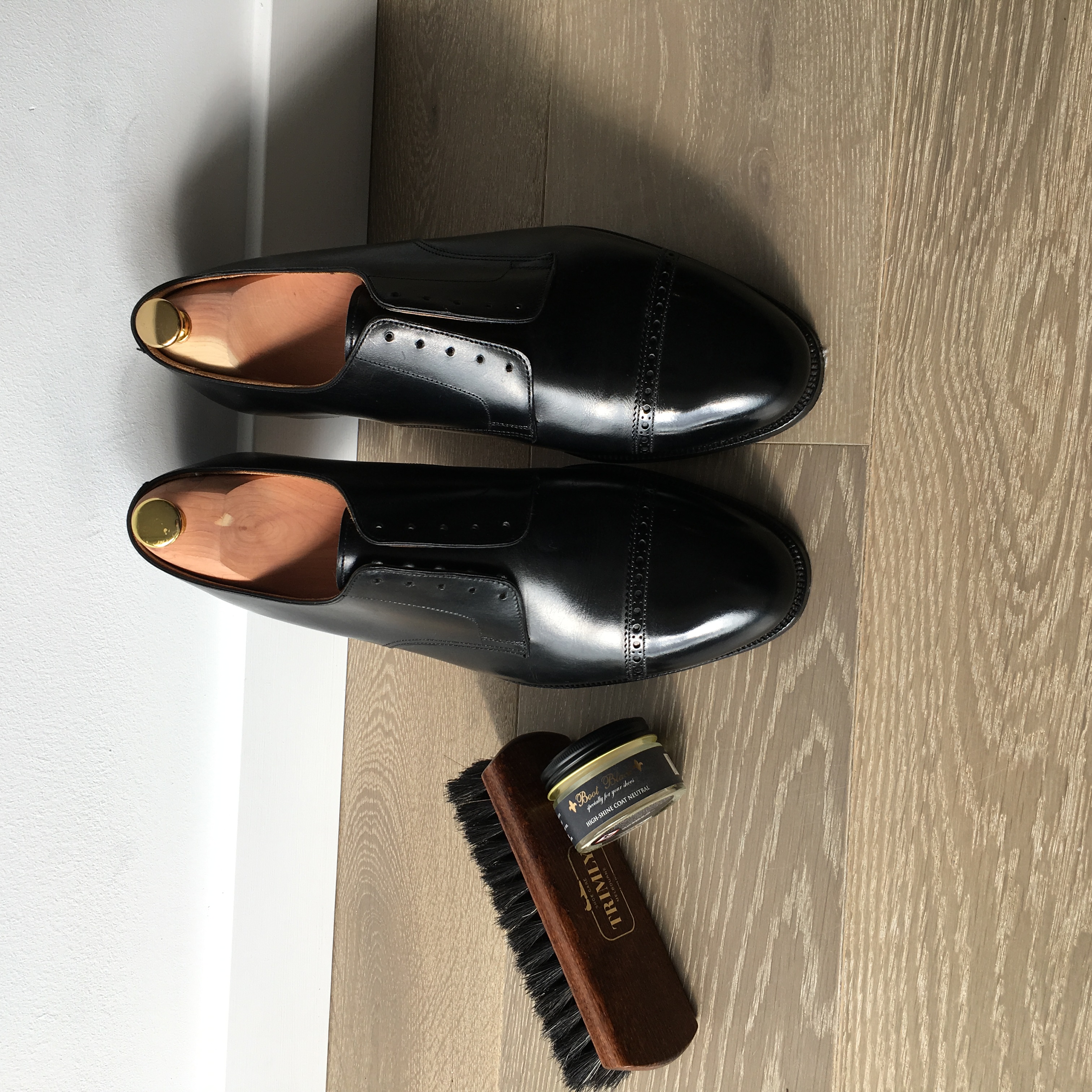
The Mechanics of Structural Preservation
At its core, a shoe tree acts as an internal support system. Whether crafted from aromatic cedar, lime, or plastic, its primary function is to maintain the original shape of the shoe after it has been worn.
Preventing Crease Deformation
Leather is a natural, porous material that is highly susceptible to heat and moisture. Throughout a day of wear, the constant flexing of the foot creates deep creases across the vamp—the area where the shoe bends near the toes. If a shoe is left to cool and dry without a shoe tree, those creases settle into the leather, eventually becoming permanent “frown lines” that diminish the shoe’s professional appearance.
By inserting a shoe tree immediately after taking your shoes off, you apply gentle, outward tension. This tension flattens the leather, effectively “ironing out” the creases while the material is still warm and malleable. Over time, this practice prevents the leather from cracking, which is often a death knell for premium footwear.
Controlling Moisture and Odor
Beyond shape retention, the choice of material for your shoe tree plays a critical role in interior maintenance. Aromatic cedar, for instance, is highly prized for its hygroscopic properties. It absorbs the perspiration that inevitably accumulates inside the shoe after eight to ten hours of wear. By wicking away this moisture, cedar shoe trees prevent the leather from rotting from the inside out and discourage the growth of bacteria, which is the primary cause of unpleasant odors.
In terms of personal branding, the scent of fresh cedar—rather than a stale, gym-like odor—is an unspoken detail that speaks volumes about your attention to cleanliness and personal hygiene.
Strategic Maintenance as Asset Management
From a financial perspective, viewing your wardrobe through the lens of asset management is a habit of the highly successful. Every pair of high-quality leather shoes or boots represents a significant capital expenditure. If you wear through your rotation in two years because of neglect, your “cost-per-wear” is astronomically higher than if those same shoes lasted six or eight years.

Maximizing Return on Investment
The math is simple: a high-quality pair of Goodyear-welted shoes can easily cost $400 to $800. If properly maintained with cedar shoe trees and regular conditioning, these shoes can be resoled multiple times and worn for a decade. By investing $30 to $50 in a pair of cedar shoe trees, you are essentially purchasing an insurance policy for a $500 asset. This is a classic exercise in financial optimization—minimizing the depreciation of your professional assets by spending a fraction of their value on preventative care.
The Impact on Resale and Longevity
Furthermore, the professional brand you curate relies on the consistency of your presentation. If you appear at a boardroom meeting with scuffed, warped, or cracked footwear, you undermine the image of meticulousness you are trying to project. Shoe trees ensure that even your oldest pairs look crisp, maintaining the “near-new” quality that defines an executive appearance. Should you ever decide to rotate your wardrobe, well-maintained footwear holds a significantly higher resale value on secondary markets, further protecting your initial investment.
The Psychological Edge of the “Polished” Professional
Your brand is not just what you say or how you lead; it is the sum of every detail of your presentation. In high-stakes corporate environments, observers subconsciously evaluate your attention to detail by looking at your shoes. This is an age-old adage in business, but it remains true because it serves as a proxy for how you handle more complex tasks.
Consistency in Personal Presentation
Using shoe trees is a daily ritual of discipline. It signifies that you care about the “behind the scenes” aspects of your life. It suggests that you value longevity over convenience and that you have the patience to perform the small, repetitive tasks that yield significant long-term results. When you pull a pair of shoes from your closet, they should look as if they were just prepared for the day. That consistency is a core component of a strong personal brand.
Bridging the Gap Between Style and Substance
The use of shoe trees bridges the gap between mere “fashion” and genuine “style.” Fashion is fleeting; style is enduring. A man or woman who uses shoe trees understands that their professional image is a long-term project. It isn’t about having the most shoes; it is about having the best-maintained ones. This mindset translates across all areas of business—from managing project timelines to nurturing long-term client relationships. It is the understanding that consistent, small investments in quality and maintenance pay massive dividends over time.
Best Practices for Optimal Results
To maximize the benefits of your shoe trees, there are a few tactical rules that every professional should follow. Integrating these into your evening routine is a matter of seconds, but the payoff spans years.
The “Immediately After” Rule
The most effective time to insert a shoe tree is while the leather is still warm from the heat of your foot. This is when the material is most pliable and the moisture content is highest. By inserting the tree immediately upon removing the shoe, you ensure the leather is “set” in its optimal shape as it cools.
Rotate Your Rotation
Never wear the same pair of shoes two days in a row. Even with the best shoe trees, leather needs a full 24 hours to dry completely. A robust shoe rotation, combined with the use of trees in every pair not currently being worn, is the gold standard for footwear maintenance. This strategy allows the moisture to evaporate naturally, prevents the breakdown of the leather fibers, and ensures that you always have a pair ready for any corporate scenario.

Proper Fitment
Not all shoe trees are created equal. A “one-size-fits-all” approach is detrimental. For the best results, use spring-loaded or screw-type shoe trees that are sized specifically to your shoe dimensions. The goal is to provide enough tension to smooth the leather without stretching the shoe out of shape. A well-fitted tree should feel snug but not forced. Avoid cheap, thin plastic inserts, as they lack the moisture-wicking capabilities of wood and often provide insufficient structural support.
In conclusion, the shoe tree is an essential tool for the modern professional. It is a synthesis of asset management, personal branding, and daily discipline. By safeguarding the condition of your footwear, you are not just protecting a commodity; you are reinforcing your own standards of excellence. In a competitive professional landscape, it is the small, often invisible, habits that define the trajectory of your success. Start with your shoes, and you will find that the habit of excellence carries over into every other facet of your career.
aViewFromTheCave is a participant in the Amazon Services LLC Associates Program, an affiliate advertising program designed to provide a means for sites to earn advertising fees by advertising and linking to Amazon.com. Amazon, the Amazon logo, AmazonSupply, and the AmazonSupply logo are trademarks of Amazon.com, Inc. or its affiliates. As an Amazon Associate we earn affiliate commissions from qualifying purchases.