
In the realm of textile creation and garment construction, the serger stands as a specialized technological marvel, often misunderstood yet indispensable for achieving professional-grade finishes. Far more than a mere adjunct to a conventional sewing machine, a serger is an engineering feat designed to perform highly specific, critical functions with speed and precision. Its core purpose revolves around creating robust, clean, and elastic seams, simultaneously trimming fabric edges, making it a cornerstone technology for both hobbyists and industrial textile production.
Beyond the Basic Stitch: The Core Functions of a Serger
A serger’s primary utility stems from its unique stitching mechanism, which utilizes multiple threads (typically 3, 4, or 5) and loopers rather than a bobbin system, to form intricate, interlocked stitches. This advanced thread management system enables a suite of functionalities that elevate the quality and durability of sewn items.
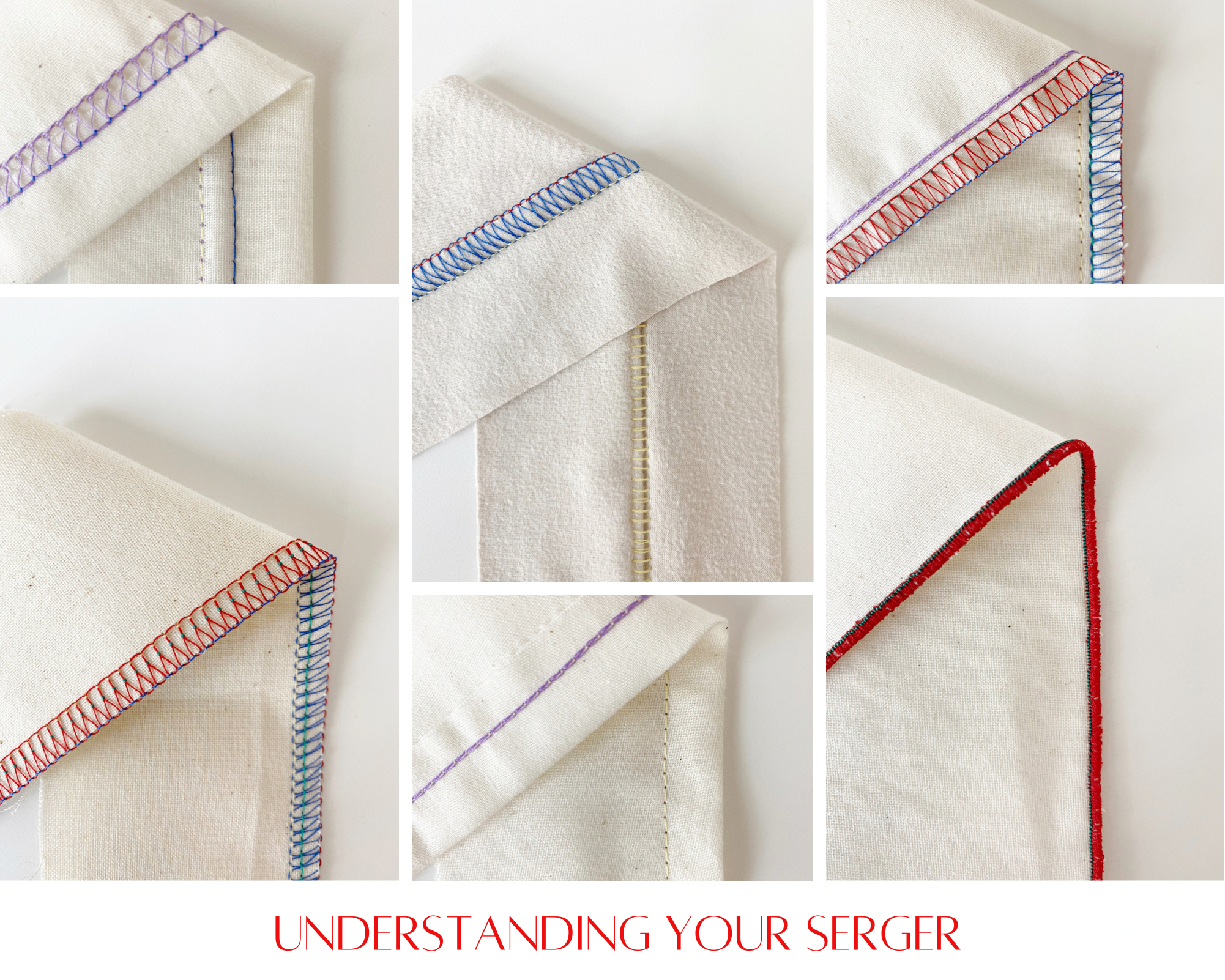
Overlocking and Seam Finishing
The most recognizable function of a serger is its ability to “overlock” edges. An overlock stitch wraps around the raw edge of fabric, encasing it within a network of threads. This process prevents fraying, significantly enhances the seam’s durability, and provides a clean, professional appearance. Unlike a zigzag stitch from a sewing machine, which merely attempts to secure the edge, an overlock stitch truly finishes it, creating a strong, stretchable, and neat bind. This is particularly crucial for knits and other fabrics prone to unraveling, where a conventional straight stitch would compromise the material’s integrity or fail to prevent fraying. The complexity of the serger’s looper system allows for this precise edge encapsulation, a technological leap from simpler stitching methods.
Trimming Excess Fabric
Integrated into nearly every serger is a sharp cutting mechanism, typically consisting of an upper and lower blade. As the fabric passes under the presser foot and towards the needles, these blades trim off the seam allowance, ensuring a perfectly even and consistent edge before the stitches are formed. This simultaneous trimming and stitching operation is a key differentiator, saving time and ensuring accuracy that would be difficult to replicate manually. The precision of these blades, often made from high-grade steel, is critical for achieving clean cuts without snagging or distorting the fabric, an essential aspect of high-quality garment construction. This integrated automation of trimming is a significant technological advantage, streamlining the workflow and ensuring consistent seam allowances.
Differential Feed for Fabric Control
One of the serger’s most sophisticated features is its differential feed mechanism. This allows the user to adjust the speed at which the front feed dogs and the rear feed dogs move fabric under the presser foot. By setting the front feed dogs to move faster or slower than the rear, the serger can subtly stretch or gather the fabric as it’s stitched. This capability is invaluable when working with challenging materials. For instance, a higher differential feed ratio can prevent stretching and wavy seams on delicate knits or bias-cut fabrics, ensuring a smooth, flat finish. Conversely, a lower ratio can be used to intentionally gather fabric for decorative effects or to ease in a longer piece of fabric to a shorter one without puckering. This precise electronic or mechanical control over fabric movement demonstrates a sophisticated engineering solution to common textile challenges.
Creating Decorative Edges and Specialty Stitches
Beyond basic overlocking, sergers are capable of producing a variety of decorative and utility stitches. Rolled hems, for example, are a hallmark of serger technology, where the machine rolls the fabric edge tightly before encasing it in fine stitches, ideal for delicate fabrics like silk or chiffon. Flatlock stitches create decorative, flat seams perfect for activewear or visible design elements. Some advanced sergers can also perform wave stitches, ladder stitches, or even be configured for chain stitching. These specialized stitch capabilities expand the creative potential, allowing for unique finishes and design details that are impractical or impossible with a standard sewing machine. The ability to manipulate thread paths and tension to create these diverse outcomes highlights the serger’s advanced mechanical and electronic design.
The Technological Edge: How Sergers Differ from Conventional Sewing Machines
Understanding what a serger does is intrinsically linked to understanding how its technology diverges from the familiar domestic sewing machine. While both create stitches, their methods, speed, and capabilities are fundamentally distinct.
Multi-Thread Systems and Looper Mechanisms
The most profound difference lies in the stitching mechanism. A conventional sewing machine typically uses two threads – one needle thread and one bobbin thread – to form a lockstitch. A serger, conversely, employs multiple threads (3 to 8, depending on the model) and a complex system of upper and lower loopers. These loopers, rather than a bobbin, interlace with the needle threads to create the overlock stitch. This intricate dance of threads around the fabric edge is a highly engineered process, allowing for the formation of stitches that are inherently more elastic and durable, designed specifically to cope with fabric edges under stress. The precision timing and movement of these loopers are central to the serger’s functionality, representing a different paradigm of thread management technology.
Speed and Efficiency
Sergers operate at significantly higher speeds than most domestic sewing machines. It’s not uncommon for a serger to run at 1,300 to 1,500 stitches per minute (SPM), with industrial models reaching even greater velocities. This rapid operation, combined with its ability to trim and finish an edge in a single pass, makes it immensely efficient for production work, whether in a home studio or a factory. This speed is enabled by robust motors and finely tuned mechanical components designed for continuous, high-performance operation, minimizing friction and maximizing stitch output.
Integrated Cutting Blades
As mentioned, the integrated cutting blades are a distinguishing feature. A sewing machine requires manual trimming of seam allowances before or after stitching, often leading to inconsistencies. A serger’s simultaneous cutting and stitching ensures uniform seam allowances, streamlining the process and guaranteeing a cleaner finish. The engineering behind these blades ensures they operate in precise conjunction with the feeding and stitching mechanisms, preventing damage to the fabric and maintaining stitch integrity.
Fabric Handling Capabilities
Sergers excel at handling a wider range of challenging fabrics. Their differential feed system, coupled with the inherent stretch of an overlock stitch, allows them to manage delicate chiffons, slippery silks, stretchy knits, and bulky fleeces with greater ease and superior results compared to a standard sewing machine. The robust feed dogs and precise tension controls are optimized for these varied material characteristics, ensuring even feeding and preventing puckering or stretching that can plague conventional machines. This adaptability makes the serger a versatile tool for complex textile projects.
Types of Sergers: A Spectrum of Features and Sophistication
Like many technological gadgets, sergers come in various configurations, each offering a distinct set of features and capabilities tailored to different user needs and technical requirements.
2/3/4-Thread Sergers: The Entry Point
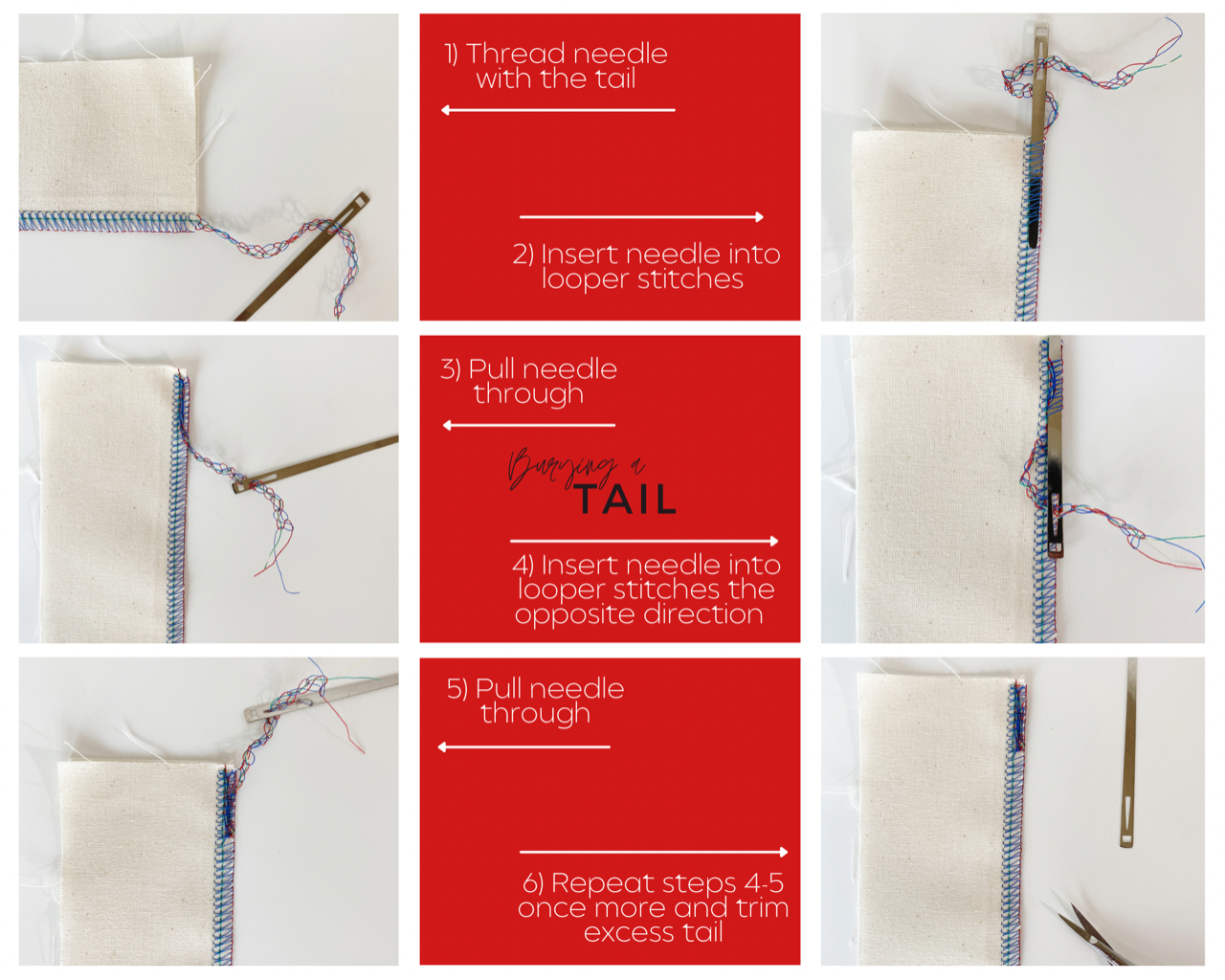
The most common entry-level and mid-range sergers are 3 or 4-thread models, often capable of performing 2-thread stitches as well. A 3-thread overlock is excellent for basic seam finishing and rolled hems on light to medium-weight fabrics. The 4-thread overlock adds an extra needle thread, creating a stronger, more secure seam often used for constructing garments, especially those made from knit fabrics where durability and stretch are paramount. These models offer a balance of functionality and affordability, making them popular for home users and small businesses. Their design focuses on reliable, straightforward operation for core serging tasks.
5-Thread Sergers and Coverstitch Machines: Advanced Capabilities
More advanced models include 5-thread sergers, which combine a 3-thread overlock with a separate chain stitch, creating a safety seam that is incredibly strong and durable, often found in ready-to-wear clothing. This provides two distinct stitch lines: one for strength and one for edge finishing.
Separate but often related are coverstitch machines. While sometimes integrated into high-end sergers as combo machines, a dedicated coverstitch machine excels at creating professional hems on knit fabrics, activewear, and necklines. It produces two or three parallel lines of stitching on the top and a looper thread that catches them on the underside, resembling a twin-needle stitch but with far greater stretch and professional appearance. This specialized machine represents a distinct branch of textile technology, focusing on flat, elastic finishes.
Air Threading and Automated Features: Enhancing User Experience
Modern sergers incorporate advanced electronic and mechanical features to simplify operation, particularly the often-daunting task of threading. Air threading systems use a burst of air to guide threads through the loopers, dramatically reducing threading time and frustration. Other automated features may include automatic tension adjustments (where the machine senses the fabric and stitch type to set tension), needle up/down functions, and LED lighting for enhanced visibility. These technological enhancements are designed to improve user experience, reduce the learning curve, and make serging more accessible, transforming a complex mechanical process into a more intuitive one.
Optimizing Performance: Maintenance and Troubleshooting for Serger Longevity
Like any precision instrument, a serger requires meticulous care to maintain its optimal performance. Understanding the technological aspects of its maintenance is key to its longevity and consistent output.
Threading Precision: The Digital Dance of Looper Paths
Correct threading is paramount. Each thread follows a specific, color-coded path through a series of guides, tension discs, and ultimately through its designated looper or needle eye. Any deviation can lead to skipped stitches, broken threads, or an unbalanced stitch. Modern sergers often feature clear, numbered threading diagrams, and some even incorporate automatic or air-threading mechanisms to simplify this complex sequence. Precision engineering ensures that each threading point guides the thread smoothly without snags or undue friction.
Tension Calibration: The Science of Balanced Stitches
Thread tension is arguably the most critical adjustable parameter on a serger. Each thread (usually 3 to 5) has its own tension dial. Achieving a balanced stitch requires careful calibration, where the threads interlock perfectly at the fabric’s edge without being too tight (causing puckering or broken threads) or too loose (causing loops or gaps). Understanding how different fabrics and thread types influence tension is an art, often aided by test swatches. Advanced models may feature electronic tension control, dynamically adjusting based on fabric sensors, representing a significant technological leap in user convenience and stitch consistency.
Blade Care and Replacement
The cutting blades are precision instruments and, over time, can become dull. Regular cleaning to remove lint and debris is essential. When blades show signs of dulling (frayed cuts, fabric pulling), they must be replaced. This involves specific tools and careful alignment to ensure proper cutting action, maintaining the serger’s ability to create clean, even edges. The choice of blade material and sharpness is critical to the machine’s overall performance.
Electronic Components and Firmware (Advanced Models)
While most sergers are primarily mechanical, higher-end and computerized models incorporate electronic components for functions like speed control, needle positioning, and sometimes even touch-screen interfaces for stitch selection. Ensuring these electronics are clean and protected from dust is important. Although less common than for general computing devices, some advanced sergers might have firmware that occasionally benefits from updates or resets to maintain peak digital performance and address any operational glitches.
The Impact on Textile Arts and Manufacturing: A Gadget’s Role in Production
The serger is not just a specialized gadget; it’s a transformative piece of technology that has profoundly influenced both bespoke textile artistry and large-scale garment manufacturing.
Professional Finish for Garments
For independent designers and home sewers, the serger provides access to industry-standard finishing techniques. It elevates the quality of handmade garments, making them comparable to professionally manufactured items. This capability supports the growing trend of custom clothing and high-quality crafting, where the “homemade” stigma is replaced by bespoke craftsmanship.
Efficiency in Production Workflows
In industrial settings, sergers are workhorse machines. Their speed, ability to simultaneously trim and stitch, and specialized stitch types (like safety seams) make them integral to efficient production lines. They enable rapid assembly of garments, reducing labor costs and increasing output, all while maintaining high standards of seam durability and finish. This technological efficiency is critical in the fast-paced world of fashion production.
Expanding Creative Possibilities
Beyond utility, sergers empower creative expression. The ability to create delicate rolled hems, decorative flatlock stitches, or gather fabrics with precision opens new avenues for textile artists. It allows for experimentation with different fabric textures and garment constructions, pushing the boundaries of what can be achieved with fabric and thread. The serger, therefore, is not merely a tool for finishing but also a catalyst for innovation in textile design.
In essence, what sergers do is provide a specialized, high-performance solution for textile edge finishing and seam construction. Through sophisticated mechanical engineering, precise thread management, and integrated cutting technology, they deliver durable, elastic, and professional-grade results that are unparalleled by conventional sewing machines. They are a testament to how specialized technology can refine craftsmanship and boost efficiency in the dynamic world of textile arts and manufacturing.
aViewFromTheCave is a participant in the Amazon Services LLC Associates Program, an affiliate advertising program designed to provide a means for sites to earn advertising fees by advertising and linking to Amazon.com. Amazon, the Amazon logo, AmazonSupply, and the AmazonSupply logo are trademarks of Amazon.com, Inc. or its affiliates. As an Amazon Associate we earn affiliate commissions from qualifying purchases.