
The world of PC gaming and professional graphics often bombards us with acronyms and numbers, and few are as pervasive or as crucial as “RTX.” NVIDIA’s GeForce RTX series has become synonymous with high-end performance, ray tracing capabilities, and a premium visual experience. But what exactly do those numbers and letters signify? Understanding the RTX naming convention is more than just deciphering a product code; it’s about grasping the hierarchy of performance, the technological advancements packed into each card, and ultimately, making an informed decision for your specific needs and budget. This article will delve deep into NVIDIA’s RTX nomenclature, unraveling the meaning behind the digits and letters, and empowering you to navigate the landscape of modern graphics cards with confidence.
The Core of the RTX Designation: Performance Tiers
At its heart, the “RTX” designation itself is a significant marker. It signifies NVIDIA’s adoption of dedicated hardware for real-time ray tracing and AI-driven features like DLSS (Deep Learning Super Sampling). This is a fundamental shift from older GTX (Giga Texel Shader eXtreme) cards, which relied on software emulation for such demanding tasks, often with a substantial performance penalty. The introduction of RT Cores (for ray tracing) and Tensor Cores (for AI) within RTX cards fundamentally redefines what’s possible in graphical rendering.
The Hierarchy of Performance: From Enthusiast to Mainstream
Within the RTX family, a clear hierarchy exists, primarily dictated by the numerical suffix appended to the RTX designation. This number is the most critical indicator of a card’s raw processing power, its ability to handle complex graphical workloads, and its target market. Generally, higher numbers equate to greater performance, but it’s crucial to understand the nuances of these tiers.
The Apex Predators: RTX 4090 and RTX 4080 (and their predecessors)
At the very top of the performance pyramid sit cards like the GeForce RTX 4090 and RTX 4080. These are the flagship models, designed for the most demanding users. Their numerical designation, often a “90” or “80” series, signifies the absolute pinnacle of NVIDIA’s consumer GPU technology at the time of their release. These cards boast the largest number of CUDA cores (NVIDIA’s parallel processing units), the highest clock speeds, the most VRAM (Video Random Access Memory), and the most advanced cooling solutions. They are engineered to push the boundaries of graphical fidelity, enabling ultra-high resolutions (4K and beyond), maximum frame rates in the most taxing games, and the most demanding professional visualization tasks. Owning an RTX 4090 or 4080 means you have access to uncompromised performance, often at a premium price point. Their architectural advancements, such as the latest generation of RT and Tensor Cores, offer substantial gains in ray tracing efficiency and DLSS performance, leading to smoother, more visually stunning experiences.
The High-End Powerhouses: RTX 4070 Ti, RTX 4070, RTX 3080, RTX 3070
Moving down the numerical scale, we encounter the high-end segment, typically represented by the “70” series. Cards like the RTX 4070 Ti, RTX 4070, RTX 3080, and RTX 3070 offer a compelling blend of exceptional performance and slightly more accessible pricing compared to the absolute top-tier offerings. While they may not match the raw power of their “90” or “80” counterparts, they are still more than capable of delivering breathtaking visuals at high resolutions (1440p and often 4K) and high refresh rates. These cards represent a sweet spot for many enthusiasts who want flagship-level features and performance without reaching for the absolute most expensive option. The generational differences are also noticeable here; for instance, an RTX 4070 will generally outperform an RTX 3070 due to architectural improvements and higher core counts. They provide an excellent experience for AAA gaming, content creation, and professional workloads that demand significant GPU acceleration.
The Mainstream Champions: RTX 4060 Ti, RTX 4060, RTX 3060
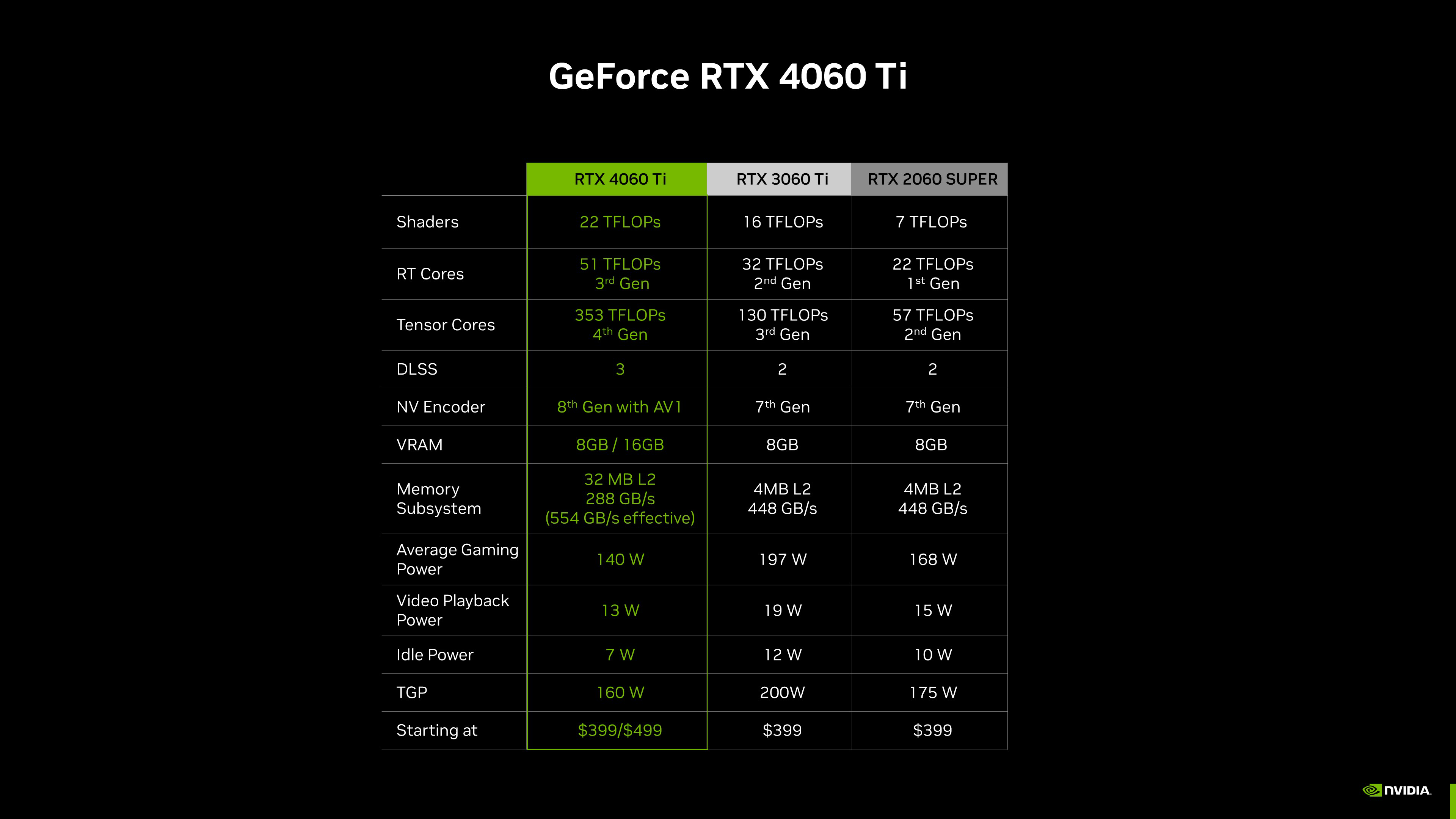
The “60” series, exemplified by the RTX 4060 Ti, RTX 4060, and RTX 3060, forms the backbone of the mainstream gaming market. These cards offer a fantastic entry point into the RTX ecosystem, providing excellent performance for 1080p and 1440p gaming at competitive frame rates and settings. They deliver a significant upgrade over older generations and older non-RTX cards, enabling modern gaming titles with ray tracing enabled at playable frame rates, especially when combined with DLSS. While they may not have the sheer grunt for the absolute highest resolutions or the most demanding professional applications, they provide a robust and enjoyable experience for the vast majority of gamers and many creative professionals. Their value proposition is strong, offering the latest NVIDIA technologies at a more approachable price point, making them an incredibly popular choice.
The Entry-Level RTX: RTX 3050 (and historically, lower numbers)
Historically, NVIDIA has also offered “50” series cards as an entry point into their RTX lineup. While less common in recent generations of the highest-tier RTX cards, these GPUs aim to bring the benefits of ray tracing and DLSS to a more budget-conscious audience. They are typically best suited for 1080p gaming at moderate settings and may require more judicious use of graphical features to maintain smooth performance. They serve as a stepping stone, offering a taste of RTX technology without the significant investment required for higher-tier cards.
Beyond the Numbers: The Significance of the Suffix
While the numerical suffix is the primary indicator of performance, other letters and suffixes can offer additional insights into a graphics card’s specific characteristics or its relationship to a particular generation or product line.
“Ti” – Titanium: A Performance Boost
The “Ti” suffix, short for Titanium, is a common addition to NVIDIA’s graphics card names. When you see “Ti” appended to an RTX number, such as RTX 4070 Ti or RTX 3060 Ti, it signifies a performance enhancement over the non-Ti variant of the same numerical tier. These cards typically feature more CUDA cores, higher clock speeds, and sometimes more VRAM, placing them firmly between the standard model and the next numerical tier up. For example, an RTX 4070 Ti offers a tangible performance uplift over an RTX 4070, making it a more compelling option for those seeking a bit more power within that specific performance bracket. It’s a way for NVIDIA to offer more granular performance options and cater to users who want a noticeable step up without necessarily jumping to a significantly more expensive card.
“SUPER” – A Refresh and Refinement
Another suffix that has appeared in NVIDIA’s naming scheme is “SUPER.” These cards often represent a mid-generation refresh or an optimized version of an existing model. A SUPER card typically sits between the standard model and the “Ti” variant, or in some cases, it might offer a performance boost over the original card it’s based on. The RTX 40 Series has seen the introduction of SUPER variants, offering users improved performance and features compared to their non-SUPER counterparts. These “SUPER” cards provide another layer of choice, allowing consumers to find a card that precisely matches their performance and budget needs.
Generational Markers: The First Digit Matters
While not explicitly part of the RTX designation, it’s crucial to remember that the first digit of the numerical suffix indicates the generation of the graphics card. So, an RTX 4070 belongs to the 40-series generation, while an RTX 3070 belongs to the 30-series. Each new generation brings architectural improvements, increased efficiency, and often significant leaps in performance and feature sets. When comparing cards, it’s generally advisable to prioritize the newer generation within a similar numerical tier. For example, an RTX 4060 will typically outperform an RTX 3060 due to the advancements in the Ada Lovelace architecture compared to the Ampere architecture. Understanding these generational markers is vital for appreciating the evolutionary progress of GPU technology.
Decoding the Complete Picture: Putting it All Together
To truly understand what an RTX number means, you need to consider all these elements in conjunction. Let’s break down a few examples:
-
GeForce RTX 4090:
- GeForce: NVIDIA’s consumer graphics card brand.
- RTX: Indicates support for real-time ray tracing and AI features (DLSS).
- 40: The generation number (40-series).
- 90: The highest performance tier within that generation.
-
GeForce RTX 3070 Ti:
- GeForce: NVIDIA’s consumer graphics card brand.
- RTX: Indicates support for real-time ray tracing and AI features (DLSS).
- 30: The generation number (30-series).
- 70: A high-performance tier.
- Ti: A performance enhancement over the standard RTX 3070.
-
GeForce RTX 4060:
- GeForce: NVIDIA’s consumer graphics card brand.
- RTX: Indicates support for real-time ray tracing and AI features (DLSS).
- 40: The generation number (40-series).
- 60: A mainstream performance tier.
By understanding this systematic approach to nomenclature, you can quickly ascertain a graphics card’s general performance bracket, its technological capabilities, and its place within NVIDIA’s product ecosystem. This knowledge is invaluable when browsing online retailers, reading reviews, or discussing GPU options with fellow enthusiasts.
Beyond the Numbers: Factors Influencing Performance
While the RTX numbers provide a solid framework for understanding performance, it’s important to acknowledge that several other factors can influence a graphics card’s real-world performance and value proposition.
VRAM: The Memory Footprint
The amount of VRAM (Video Random Access Memory) a graphics card possesses is a critical component, especially at higher resolutions and with demanding texture settings. Generally, higher-tier RTX cards will come equipped with more VRAM. For instance, an RTX 4090 typically features 24GB of GDDR6X memory, while an RTX 4060 might come with 8GB of GDDR6. Insufficient VRAM can lead to stuttering, texture pop-in, and a general degradation of visual quality, particularly in modern open-world games or complex professional rendering scenarios. While the RTX number indicates raw processing power, the VRAM capacity is crucial for ensuring that power can be fully utilized at demanding settings.
Clock Speeds and Architecture
Within the same numerical tier and generation, variations in clock speeds (the speed at which the GPU’s cores operate) and specific architectural tweaks can lead to subtle performance differences between different models, particularly between NVIDIA’s Founders Edition cards and custom designs from board partners like ASUS, MSI, or Gigabyte. These partners often implement enhanced cooling solutions and factory overclocks, which can provide a slight edge in performance. However, the core RTX designation and numerical tier remain the most significant indicators.
Power Consumption and Cooling
Higher-tier RTX cards naturally consume more power and generate more heat. This necessitates more robust power supply units (PSUs) and effective cooling solutions. While not directly part of the naming scheme, these considerations are crucial for ensuring stability and longevity. Cards with higher numbers often feature larger, more complex cooler designs to dissipate the heat generated by their powerful components.

Conclusion: Empowered by Understanding
The NVIDIA RTX naming convention, while seemingly complex at first glance, is a logical and systematic way to communicate the capabilities and performance tiers of their graphics cards. By understanding the core “RTX” designation and deciphering the numerical suffixes, along with the “Ti” and “SUPER” modifiers, you are equipped with the knowledge to make informed decisions. Whether you are a gamer seeking the ultimate visual experience, a content creator pushing the boundaries of digital art, or a professional demanding raw computational power, comprehending what RTX numbers mean empowers you to select the graphics card that best aligns with your needs, budget, and aspirations in the ever-evolving landscape of PC technology.
aViewFromTheCave is a participant in the Amazon Services LLC Associates Program, an affiliate advertising program designed to provide a means for sites to earn advertising fees by advertising and linking to Amazon.com. Amazon, the Amazon logo, AmazonSupply, and the AmazonSupply logo are trademarks of Amazon.com, Inc. or its affiliates. As an Amazon Associate we earn affiliate commissions from qualifying purchases.