
In the world of corporate finance and personal investing, the term “retained” most frequently appears in the context of “Retained Earnings.” When an investor or a business owner asks, “what do retained mean,” they are usually inquiring about the portion of net income that a company keeps rather than distributing to its shareholders as dividends.
Retained earnings represent the cumulative life-blood of a company’s financial journey. They are the profits that stay within the business to fuel future growth, pay down debt, or act as a safety net during economic downturns. Understanding this concept is vital for anyone looking to master business finance, as it reveals the true story of a company’s sustainability and its management’s priorities.

Defining Retained Earnings: The Core Concepts
To understand what is meant by “retained,” one must first look at the bottom line of an income statement. After all expenses, interest, and taxes are paid, the resulting figure is the net income. From there, a company faces a choice: give that money to the owners (dividends) or keep it (retained earnings).
The Fundamental Definition
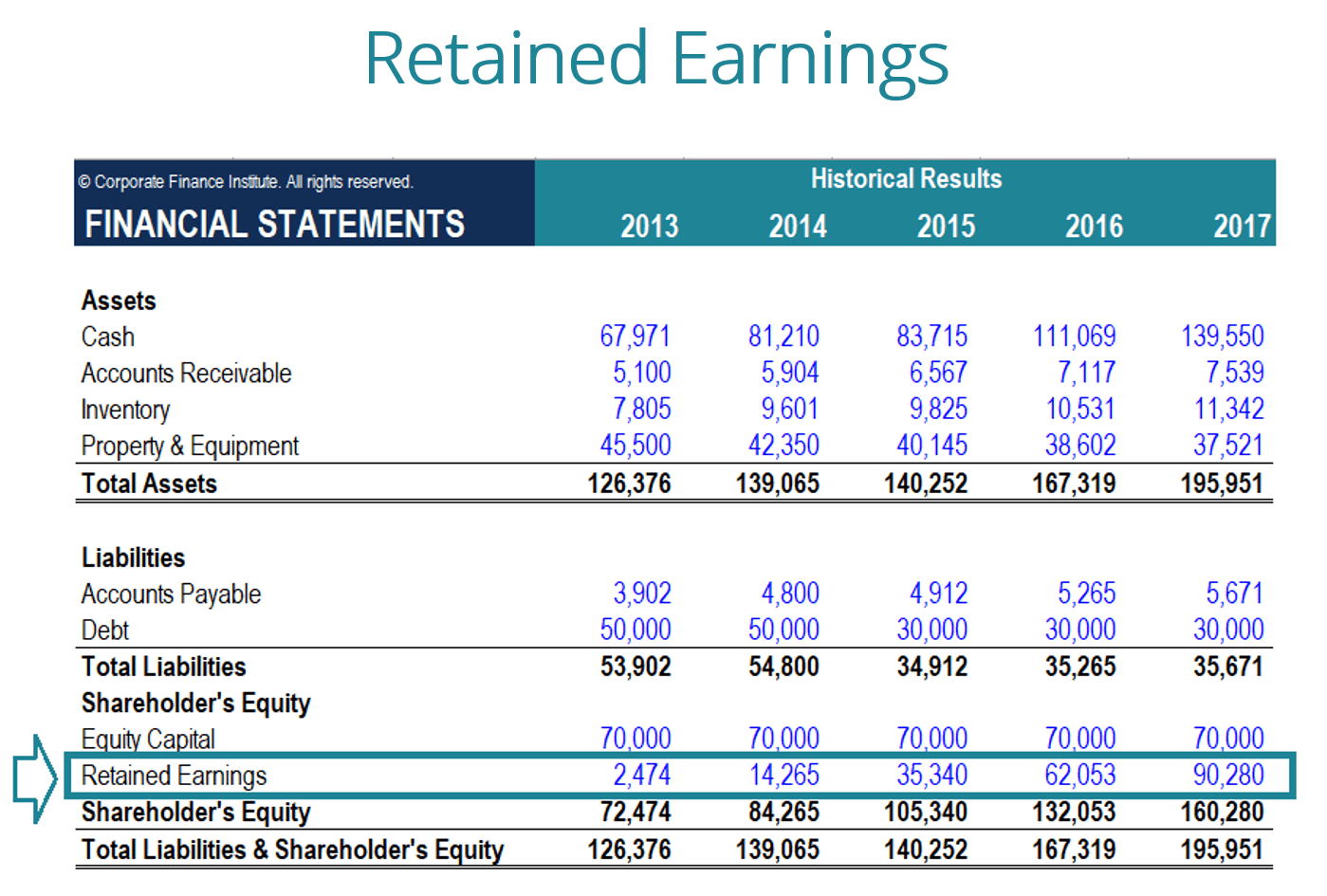
Retained earnings are the historical profits of a company, minus any dividends or distributions paid out to shareholders since the company’s inception. It is an equity account that appears on the balance sheet under the “Shareholders’ Equity” section. It essentially represents the “saved” profits that have been reinvested into the business rather than being paid out.
The Formula for Calculation
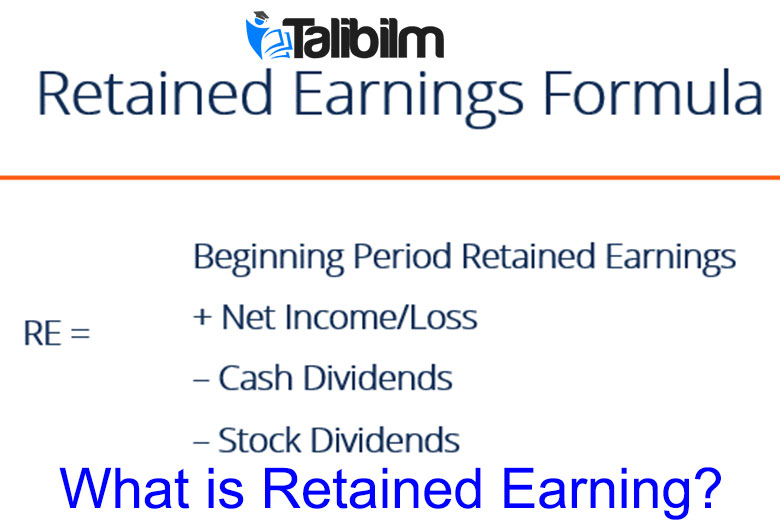
The math behind retained earnings is straightforward but cumulative. The formula is:
Ending Retained Earnings = Beginning Retained Earnings + Net Income (or Loss) – Dividends.
This calculation is performed at the end of every accounting period. If a company is in its first year of operation, the beginning balance is zero. If the company makes a profit and chooses not to pay a dividend, the entire profit becomes the retained earnings for the next period.
Retained Earnings vs. Net Income
It is a common mistake to use these terms interchangeably. Net income is a “pulse” measurement—it tells you how much the company made during a specific window of time (a quarter or a year). Retained earnings, however, are a “reservoir.” They represent the total volume of profit held over the entire lifespan of the company. A company can have a high net income in a single year but still have low or negative retained earnings if they have faced years of heavy losses in the past.
Why Retained Earnings Matter for Financial Health
For a financial analyst or a business owner, the retained earnings figure is one of the most significant indicators of a company’s long-term viability. It serves as a testament to the company’s ability to generate wealth consistently.
A Buffer for Market Volatility
Business is rarely a linear path of growth. Economic recessions, supply chain disruptions, or sudden shifts in consumer behavior can turn a profitable year into a loss. Retained earnings act as a financial shock absorber. A company with significant retained earnings can weather a “bad year” without having to take on high-interest debt or liquidate assets. It provides the staying power necessary to survive cycles of volatility.
Measuring Cumulative Profitability
While a single year of high profit is impressive, it could be a fluke. Retained earnings show the “track record.” A healthy, growing balance in this account suggests that the business model is robust and that the management has been disciplined in its spending. It tells the story of a company that doesn’t just make money but knows how to manage it.
Credibility with Lenders and Investors
When a business seeks a loan from a bank or investment from a venture capitalist, the “Retained Earnings” line is heavily scrutinized. High retained earnings signal that the company is self-sufficient. Lenders are more likely to offer favorable interest rates to companies that demonstrate they can generate their own capital. Conversely, if a company has consistently low or negative retained earnings (known as an accumulated deficit), it signals high risk and potential insolvency.
Strategic Uses of Retained Capital
Once a business decides to “retain” its earnings, the next question is: what should be done with that capital? This is where financial strategy meets operational execution.
Reinvesting in Growth and Innovation (R&D)
The most common use of retained earnings is to fund internal growth. Rather than borrowing money at 8% interest to build a new factory or develop a new software tool, a company can use its own retained profits. This “internal financing” is the cheapest way to grow because it doesn’t involve interest payments or the dilution of ownership that comes with issuing new shares. Companies in the tech sector, for instance, often retain 100% of their earnings to stay ahead of the innovation curve.
Debt Reduction and Deleveraging
Carrying high levels of debt can be a stranglehold on a business. Strategic management often uses retained earnings to pay down principal balances on loans or to buy back corporate bonds. By “deleveraging,” the company reduces its interest expense, which in turn increases future net income. This creates a virtuous cycle where the company becomes more profitable simply by being less indebted.
Strategic Acquisitions (M&A)
In a competitive marketplace, sometimes the best way to grow is to buy the competition. Retained earnings provide the “war chest” necessary for Mergers and Acquisitions (M&A). Having a large reserve of retained capital allows a company to move quickly when an acquisition opportunity arises, often allowing them to close deals without the need for external financing approvals.
The Relationship Between Retained Earnings and Shareholders
The decision to retain earnings is often a point of tension between management and shareholders. Shareholders generally want a return on their investment, while management often wants to keep the cash to grow the business.
The Dividend Decision: Pay or Retain?
The “Retention Ratio” (or Plowback Ratio) measures the percentage of net income that is kept in the business. Mature companies in stable industries (like utilities or consumer staples) often have low retention ratios because they have fewer growth opportunities; therefore, they pay out most of their earnings as dividends. Growth-stage companies (like emerging AI firms) have high retention ratios because they need every dollar to scale operations.
Share Buybacks as a Capital Return
Sometimes a company has high retained earnings but no clear way to reinvest them profitably. In this case, they might use the money to buy back their own shares from the open market. This reduces the number of shares outstanding, which increases the “Earnings Per Share” (EPS) for the remaining investors. While not a direct cash payment like a dividend, it is a powerful way to use retained earnings to increase shareholder value.
Impact on Stock Valuation
Investors often look at a company’s “Book Value,” which is heavily influenced by retained earnings. As retained earnings grow, the total equity of the company increases. This often leads to an increase in the stock price, as the company is literally becoming more valuable on paper. A company that consistently retains and effectively reinvests its earnings is often rewarded with a higher P/E (Price-to-Earnings) ratio by the market.
Common Misconceptions and Reporting Nuances
To truly understand what “retained” means, one must navigate the complexities of accounting standards and financial reporting.
Retained Earnings Are Not Cash on Hand
This is perhaps the most frequent point of confusion. A company might have $10 million in retained earnings but only $50,000 in its bank account. Why? Because those “retained” profits have already been spent on assets like machinery, inventory, or real estate. Retained earnings represent a claim on assets, not the assets themselves. You cannot pay your employees with “retained earnings”; you pay them with cash flow.
Negative Retained Earnings (The Deficit)
If a company’s cumulative losses exceed its cumulative profits, the retained earnings figure becomes negative. On a balance sheet, this is labeled as an “Accumulated Deficit.” While common in startups that are spending heavily to capture market share, a persistent deficit in an established company is a major red flag. It indicates that the business is “bleeding” capital and may eventually require a bailout or face bankruptcy.
Statement of Retained Earnings
Publicly traded companies provide a specific financial document called the Statement of Retained Earnings (or Statement of Changes in Equity). This report reconciles the beginning and ending balances of the account for the period. It provides transparency to investors, showing exactly how much profit was made, how much was paid out, and how much was kept for the future.
Conclusion
When we ask “what do retained mean” in the context of money and business, the answer lies in the balance between today’s rewards and tomorrow’s growth. Retained earnings are more than just a line item on a spreadsheet; they are a reflection of a company’s history, its stability, and its future ambitions.
For the business owner, they represent the freedom to innovate without debt. For the investor, they represent the “compounding machine” that drives long-term wealth. By maintaining a healthy level of retained capital and deploying it wisely, a business ensures that it doesn’t just survive the present, but thrives in the future. Understanding this financial pillar is the first step toward mastering the complexities of corporate finance and achieving lasting financial success.
aViewFromTheCave is a participant in the Amazon Services LLC Associates Program, an affiliate advertising program designed to provide a means for sites to earn advertising fees by advertising and linking to Amazon.com. Amazon, the Amazon logo, AmazonSupply, and the AmazonSupply logo are trademarks of Amazon.com, Inc. or its affiliates. As an Amazon Associate we earn affiliate commissions from qualifying purchases.