
The digital age is built upon a foundation of visual communication. From the vibrant hues of a smartphone interface to the color-coded data visualizations in a corporate dashboard, we rely on color to convey meaning, urgency, and identity. However, for approximately 8% of men and 0.5% of women worldwide, the world does not appear in the standard RGB spectrum. Red-green color blindness, or Color Vision Deficiency (CVD), fundamentally alters the user experience of the physical and digital worlds.
In the tech industry, understanding what red-green colorblind people see is no longer just a matter of empathy; it is a critical component of inclusive design, software engineering, and hardware innovation. By leveraging advanced algorithms, optical engineering, and artificial intelligence, the tech sector is moving beyond simple awareness toward active correction and enhancement of the visual experience.
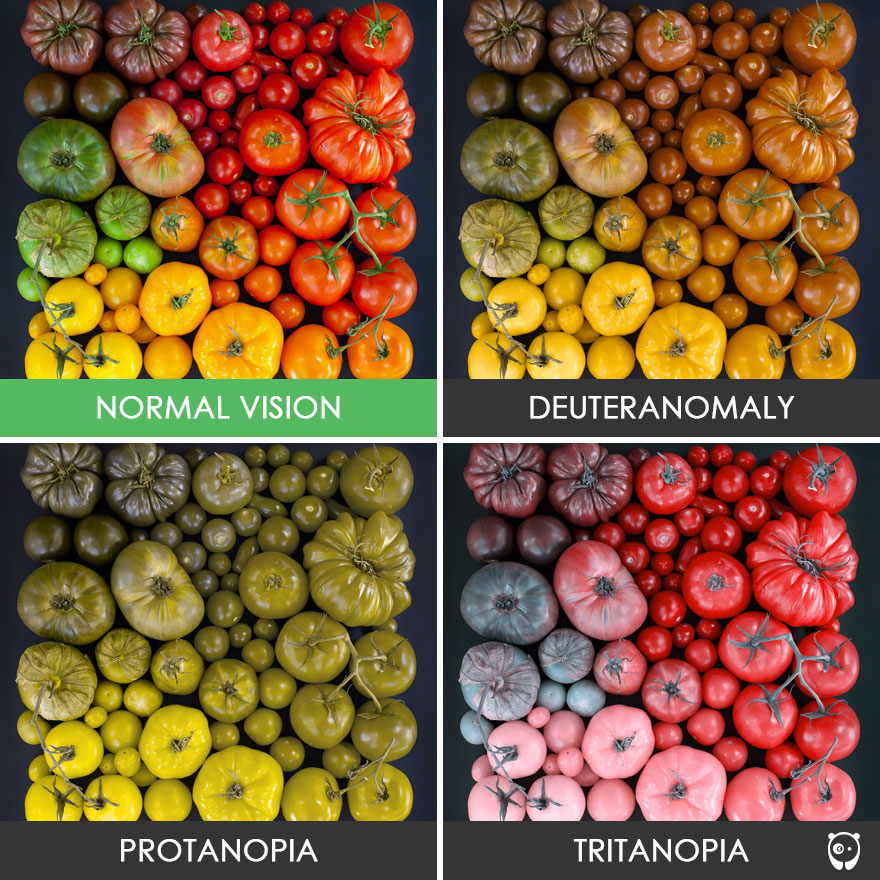
The Digital Spectrum: Understanding Protanopia and Deuteranopia
To solve a problem with technology, one must first understand the technical constraints of the “hardware” involved—in this case, the human eye. Red-green color blindness is not a binary state of seeing or not seeing color; it is a complex shift in wavelength sensitivity.
The Mechanics of Color Vision Deficiency
Human vision typically relies on three types of photopsins (cone cells) sensitive to long (red), medium (green), and short (blue) wavelengths. In individuals with red-green color blindness, the sensitivity curves of the red and green cones overlap too significantly.
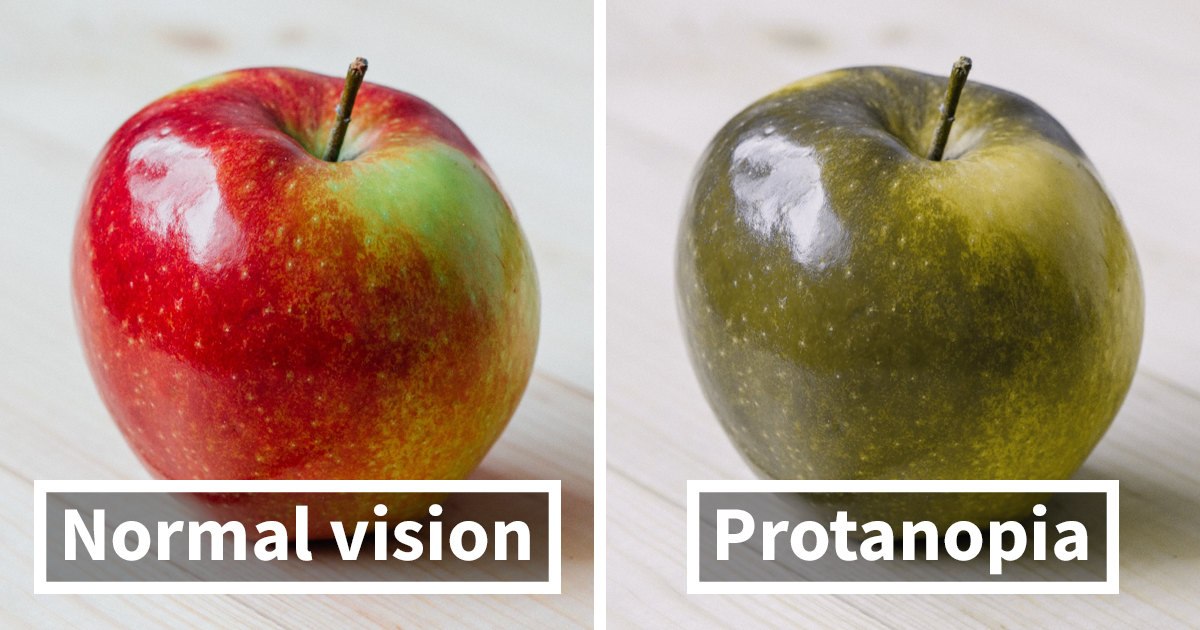
In Protanopia, the red cones are either missing or defective, leading to a world where reds appear as dark shadows and oranges or greens blend into yellowish hues. In Deuteranopia, the green cones are the culprit, causing greens to look more like beige and making it nearly impossible to distinguish between a red “stop” icon and a green “go” icon in a digital interface.
The Problem of the “Muddy Palette”
For a user with CVD, the vibrant world of a high-definition OLED screen can collapse into a “muddy” palette of yellows, blues, and browns. This creates significant friction in tech-heavy environments. Consider a software developer trying to debug code where errors are highlighted in red and successes in green, or a gamer trying to identify teammates versus enemies in a fast-paced shooter. The tech industry’s challenge is to use software to “re-map” these overlapping signals into distinct visual markers.
Assistive Hardware: The Rise of Optical Engineering and Wearables
While software can adjust pixels on a screen, hardware innovations are attempting to fix the light before it even reaches the eye. This intersection of material science and optical tech has birthed a new category of “corrective wearables.”
Spectral Filtering Technology
One of the most notable breakthroughs in the tech space is the development of spectral filters, popularized by companies like EnChroma. These are not mere “tinted glasses.” They utilize sophisticated notch filters that target the specific wavelengths of light where the red and green cones overlap. By “cutting out” these overlapping wavelengths, the glasses force a sharper distinction between the signals sent to the brain. For a user, this translates to a sudden “pop” in saturation, allowing them to see a distinction between a red apple and green leaves that was previously invisible.
Integration with Augmented Reality (AR)
The next frontier in hardware is the integration of color-correction algorithms into AR headsets. Unlike passive glasses, AR devices like the Microsoft HoloLens or specialized smart glasses can use real-time cameras to scan the environment, identify “problematic” color combinations, and overlay a digital “shimmer” or pattern over those objects. This is a leap from passive filtering to active environmental manipulation, allowing a colorblind technician to identify color-coded wiring in real-time with 100% accuracy.
Software Solutions: Accessibility by Design
While hardware can be expensive, software-level integration provides a scalable solution for billions of users. Modern operating systems and applications have moved from being “color-blind” to “color-aware.”
Operating System-Level Color Filters
Both Apple (iOS/macOS) and Google (Android) have integrated robust accessibility suites that include system-wide color filters. These settings allow a user to choose their specific type of deficiency (Protan/Deuteran/Tritan) and apply a global LUT (Look-Up Table) that shifts the entire display’s color gamut. This ensures that every app, from Instagram to a banking tool, is automatically adjusted to provide maximum contrast for that specific user.
Developer Tools and Simulation Software
For the tech community, the shift toward “Inclusion-First” design is supported by a suite of simulation tools. Programs like SimDaltonism or the “Inspect” feature in Google Chrome allow UI/UX designers to view their websites through the eyes of someone with red-green color blindness in real-time.
This has led to the adoption of “Double Coding” in tech design. Double coding is the practice of never using color alone to convey information. For example, a “Delete” button might be red, but it must also include a trash can icon or a bold border. By designing for the “worst-case” visual scenario, tech companies create more intuitive interfaces for everyone.
Game Engines and Real-Time Remapping
The gaming industry, led by giants like Ubisoft and Activision, has become a pioneer in real-time color remapping. High-performance game engines now include “Colorblind Modes” that don’t just shift the colors but allow users to customize the specific hue, saturation, and brightness of UI elements. This ensures that in a competitive environment, a colorblind player has the same millisecond-response capability as a trichromatic player.
The Future of Inclusivity: AI-Driven Real-Time Color Mapping
As we look toward the future, the role of Artificial Intelligence (AI) and Machine Learning (ML) in solving color vision deficiency is becoming increasingly prominent. We are moving toward a world of “Personalized Vision.”
Neural Networks for Dynamic Contrast
Traditional color filters are “static”—they apply the same shift regardless of what is on the screen. Emerging AI tools are being developed to analyze the content of a frame dynamically. If an AI detects a green forest with a red cardinal, it can intelligently increase the contrast only in those specific regions, rather than distorting the blue sky or white clouds. This results in a much more naturalistic viewing experience that preserves the intended aesthetic of the media.
The Role of 5G and Edge Computing
The processing power required for real-time, high-fidelity color remapping on mobile devices is significant. However, with the rollout of 5G and edge computing, this heavy lifting can be done on the cloud. Imagine a future where a smartphone camera acts as a continuous “vision engine,” streaming video to a nearby server that returns a color-corrected stream with zero latency. This would allow for high-tech “vision-as-a-service,” where accessibility is no longer limited by the hardware in your pocket.
Computer Vision and Metadata
Another tech-driven solution lies in the metadata of digital assets. If every image or video on the internet contained “color metadata,” assistive devices could read that data and provide haptic or audio feedback. For instance, a “smart ring” could vibrate differently when pointed at a red object versus a green one. By converting visual data into multi-sensory data, technology can bypass the limitations of the human eye entirely.

Conclusion: Toward a Color-Agnostic Digital Future
The question of “what do red-green colorblind people see” has evolved from a medical curiosity into a technical challenge that is being met with incredible ingenuity. Through the lens of technology, we see a shift from viewing color blindness as a disability to viewing it as a specific set of user requirements.
From the optical precision of spectral-filtering glasses to the AI-driven algorithms in our smartphones, the tech industry is successfully narrowing the gap between different visual realities. As we continue to refine these tools, the goal is clear: a digital and physical world where information is accessible to everyone, regardless of the specific wavelengths their eyes can perceive. In this future, the “muddy palette” of the past is replaced by a high-contrast, high-definition experience, engineered for every eye.
aViewFromTheCave is a participant in the Amazon Services LLC Associates Program, an affiliate advertising program designed to provide a means for sites to earn advertising fees by advertising and linking to Amazon.com. Amazon, the Amazon logo, AmazonSupply, and the AmazonSupply logo are trademarks of Amazon.com, Inc. or its affiliates. As an Amazon Associate we earn affiliate commissions from qualifying purchases.