
In the fast-paced, ever-evolving landscape of digital communication, understanding the nuances of social media platforms is paramount for effective engagement and strategic growth. Among the myriad of acronyms and shorthand that populate these virtual spaces, “RT” stands out as a particularly significant term, especially for those navigating the complexities of platforms like Twitter (now X). While its literal meaning is straightforward – a “retweet” – the implications and applications of retweeting extend far beyond a simple act of sharing. This article delves into the multifaceted meaning of “RT” within the tech-centric domain of social media, exploring its technical function, its strategic value, and its impact on information dissemination and digital influence.
The Technical Underpinnings of a Retweet
At its core, an RT is a technical function designed to amplify content. Understanding how it operates is crucial to appreciating its power and potential.
The Mechanism of Content Amplification
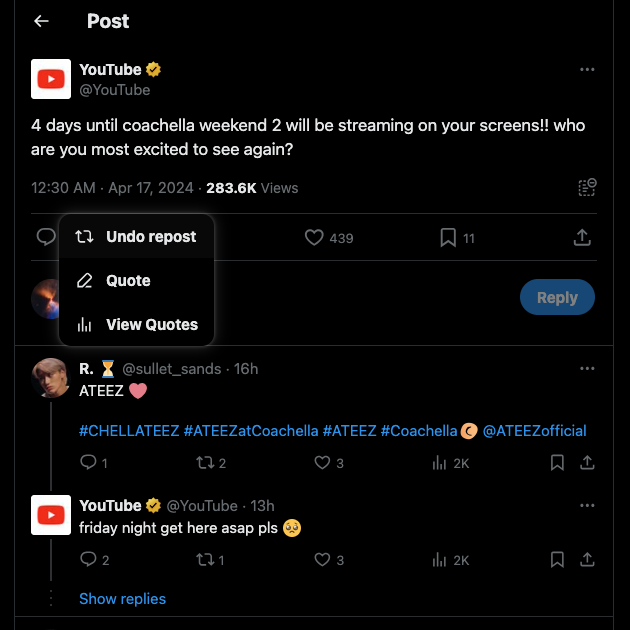
The “RT” or “Retweet” feature on platforms like X is a built-in mechanism for sharing another user’s post with your own followers. When you retweet, the original tweet appears on your profile and in the timelines of everyone who follows you. This is distinct from quoting a tweet, where you can add your own commentary or context before sharing. A direct retweet is a pure act of republication, effectively saying, “I found this important, interesting, or relevant, and I want my network to see it.”
The technical implementation ensures that the original author is credited. The retweet typically displays the original tweet’s content, the author’s username, profile picture, and timestamp, along with an indication that it was retweeted by you. This preserves the integrity of the original message and attributes authorship, a key principle in digital information sharing. The platform’s algorithms then take over, distributing this amplified content across various feeds and discovery mechanisms, thereby increasing its reach exponentially. The speed at which a retweet can travel can be astonishing, contributing to the virality of certain messages and trends.
Distinguishing RT from Quote Tweets and Shares
It’s essential to differentiate a straightforward “RT” from other sharing functionalities to fully grasp its implications.
Quote Tweets: Adding Your Voice
While an RT is a direct repost, a “Quote Tweet” allows users to add their own thoughts, opinions, or context to the original message before sharing it. This feature introduces a layer of personal commentary, transforming a simple share into a discussion starter. Technically, a Quote Tweet embeds the original tweet within a new tweet composed by the user. This gives the retweeting user the opportunity to provide their perspective, agree or disagree with the original post, or frame it in a new context. This distinction is crucial for understanding the intent behind a share; an RT is primarily about propagation, while a Quote Tweet is about engagement and interpretation.
Platform-Specific Sharing Mechanisms
Beyond Twitter/X, other social media platforms have analogous features. On platforms like Facebook, this might be a “Share” function, which often allows for adding comments. Instagram, while not having a direct “retweet” in the same vein as X, allows users to share posts to their stories, which functions as a form of amplification and can include added commentary. LinkedIn also has a “Share” option, often used for professional content and articles, which can also include personal reflections. Each platform’s technical implementation of these sharing features varies, but the underlying principle of content amplification remains consistent. Understanding these differences is key to leveraging each platform’s unique capabilities for maximum impact.
The Strategic Significance of Retweeting
Beyond its technical function, the act of retweeting holds significant strategic value in the realm of digital communication and influence. It’s a deliberate action that can shape perception, build community, and drive engagement.
Amplifying Messages and Audiences
Retweeting is a powerful tool for amplifying messages that resonate with a user’s audience. By retweeting, an individual or brand can:
- Increase Reach: Expose content to a wider audience than the original poster might have reached alone. This is particularly valuable for individuals seeking to grow their following or for brands looking to expand their brand awareness.
- Curate Content: Act as a filter or curator, highlighting valuable information, interesting perspectives, or industry news to their followers. This can establish a user or brand as a thought leader or a go-to source for specific types of content.
- Build Community and Alliances: Retweeting content from partners, influencers, or complementary brands can foster goodwill and strengthen relationships within an industry or community. It signals alignment and mutual support.
- Drive Engagement: A well-timed retweet can spark conversations, generate likes, comments, and further retweets, creating a ripple effect of engagement around a particular topic. This is especially true when the retweet is accompanied by insightful commentary (as in a Quote Tweet).
The strategic choice of what to retweet is as important as the act of retweeting itself. It reflects the user’s interests, values, and strategic objectives. For businesses, retweeting can be a way to share positive customer testimonials, industry news that positions them favorably, or content from influential figures in their space. For individuals, it can be about supporting causes they believe in, sharing knowledge, or engaging with thought leaders.

Understanding RTs in Brand Building and Marketing
For brands and organizations, retweeting is an integral part of their social media strategy. It’s not just about broadcasting their own message, but also about engaging with the broader conversation and demonstrating their relevance.
Showcasing Brand Values and Interests
When a brand retweets content, it implicitly endorses or aligns itself with that content. This can be a powerful way to communicate brand values. For example, a sustainable fashion brand might retweet articles about ethical sourcing or environmental conservation. A tech company might retweet research papers or news about groundbreaking technological advancements. This curated amplification helps to shape the brand’s identity and perception in the eyes of its audience. It’s a subtle yet effective form of content marketing, demonstrating what the brand cares about and what it considers important.
Engaging with Influencers and Customers
Retweeting is a direct channel for engaging with influencers, partners, and even customers. Retweeting positive mentions or user-generated content from customers can be a highly effective way to show appreciation, build loyalty, and encourage further engagement. Similarly, retweeting content from industry influencers can help to build relationships and gain visibility within their networks. This reciprocal exchange is a cornerstone of building a strong online presence and fostering a thriving community around a brand. It humanizes the brand and shows that it’s an active participant in its ecosystem, not just a broadcaster.
Crisis Communication and Reputation Management
In times of crisis or when addressing public concerns, the ability to retweet and amplify official statements or important updates from relevant authorities can be crucial. Brands might also use retweeting to share information that corrects misinformation or clarifies their position on a sensitive issue. While direct retweeting of negative content is generally avoided, retweeting constructive criticism or calls for specific actions from trusted sources can be a way to acknowledge issues and demonstrate a commitment to resolution. Conversely, strategically ignoring certain content, or choosing to engage through other means, is also a key aspect of reputation management in the digital age.
The Impact of RTs on Information Ecosystems
The aggregate effect of countless retweets has a profound impact on how information flows and how public discourse is shaped within the digital sphere. Understanding this broader ecosystem is key to appreciating the full scope of what “RT” signifies.
The Velocity and Virality of Information
The retweet function is a primary driver of information velocity and virality on social media. A single compelling piece of content can reach millions of users in a matter of hours, not through direct posting by the original author, but through the collective amplification efforts of many users. This can be incredibly powerful for spreading awareness about important causes, breaking news, or vital public health information.
However, this speed also comes with risks. Misinformation and disinformation can spread just as rapidly, if not faster, than accurate information. The ease with which a tweet can be retweeted, without necessarily requiring critical evaluation, means that false narratives can gain significant traction before they can be effectively debunked. This highlights the responsibility that comes with the retweet button – each RT contributes to the overall information landscape.
The Role of RTs in Shaping Public Opinion and Discourse
The cumulative effect of what is retweeted by influential accounts, media outlets, and large communities can significantly shape public opinion and frame societal discourse. When certain narratives are consistently amplified through retweets, they can become dominant, influencing what people discuss, what they believe, and how they perceive issues.
This phenomenon is particularly evident in political and social movements. Hashtags and key messages gain traction through widespread retweeting, allowing movements to mobilize, raise awareness, and exert pressure. Conversely, the selective amplification or suppression of certain types of content can also be used to steer public opinion in particular directions. Recognizing this power dynamic is crucial for media literacy and for understanding how information ecosystems are actively shaped.

The Algorithm and the Echo Chamber Effect
Social media algorithms often play a significant role in what content users see, and retweets are a key input for these algorithms. When a user consistently retweets certain types of content, or engages with specific topics, the platform’s algorithm may then prioritize showing similar content to that user and to their followers. This can lead to the creation of “echo chambers” or “filter bubbles,” where individuals are primarily exposed to information and perspectives that confirm their existing beliefs, potentially limiting their exposure to diverse viewpoints.
Understanding how retweets interact with algorithms is vital for anyone seeking to effectively navigate the social media landscape, whether for personal branding, marketing, or simply staying informed. It encourages a conscious effort to seek out diverse perspectives and to be aware of the potential for algorithmic reinforcement of existing biases. The “RT” is, therefore, not just a user action, but a component within a complex technological system that influences what we see and how we understand the world around us.
aViewFromTheCave is a participant in the Amazon Services LLC Associates Program, an affiliate advertising program designed to provide a means for sites to earn advertising fees by advertising and linking to Amazon.com. Amazon, the Amazon logo, AmazonSupply, and the AmazonSupply logo are trademarks of Amazon.com, Inc. or its affiliates. As an Amazon Associate we earn affiliate commissions from qualifying purchases.