
The seizure of illicit drugs by law enforcement agencies is a complex operation with far-reaching financial implications that extend beyond the immediate act of confiscation. While the primary goal is to disrupt criminal networks and protect public safety, the subsequent handling, storage, analysis, and destruction of these substances, alongside the management of associated assets, involves significant monetary considerations that impact budgets, resource allocation, and the broader economy of crime and justice.
The Financial Labyrinth of Illicit Assets
When police seize drugs, they are not merely taking contraband off the streets; they are intercepting a highly valuable commodity with a deep connection to illicit financial networks. Understanding this financial dimension is crucial for grasping the full scope of police actions.

Valuing the Contraband: Street Value vs. Seizure Value
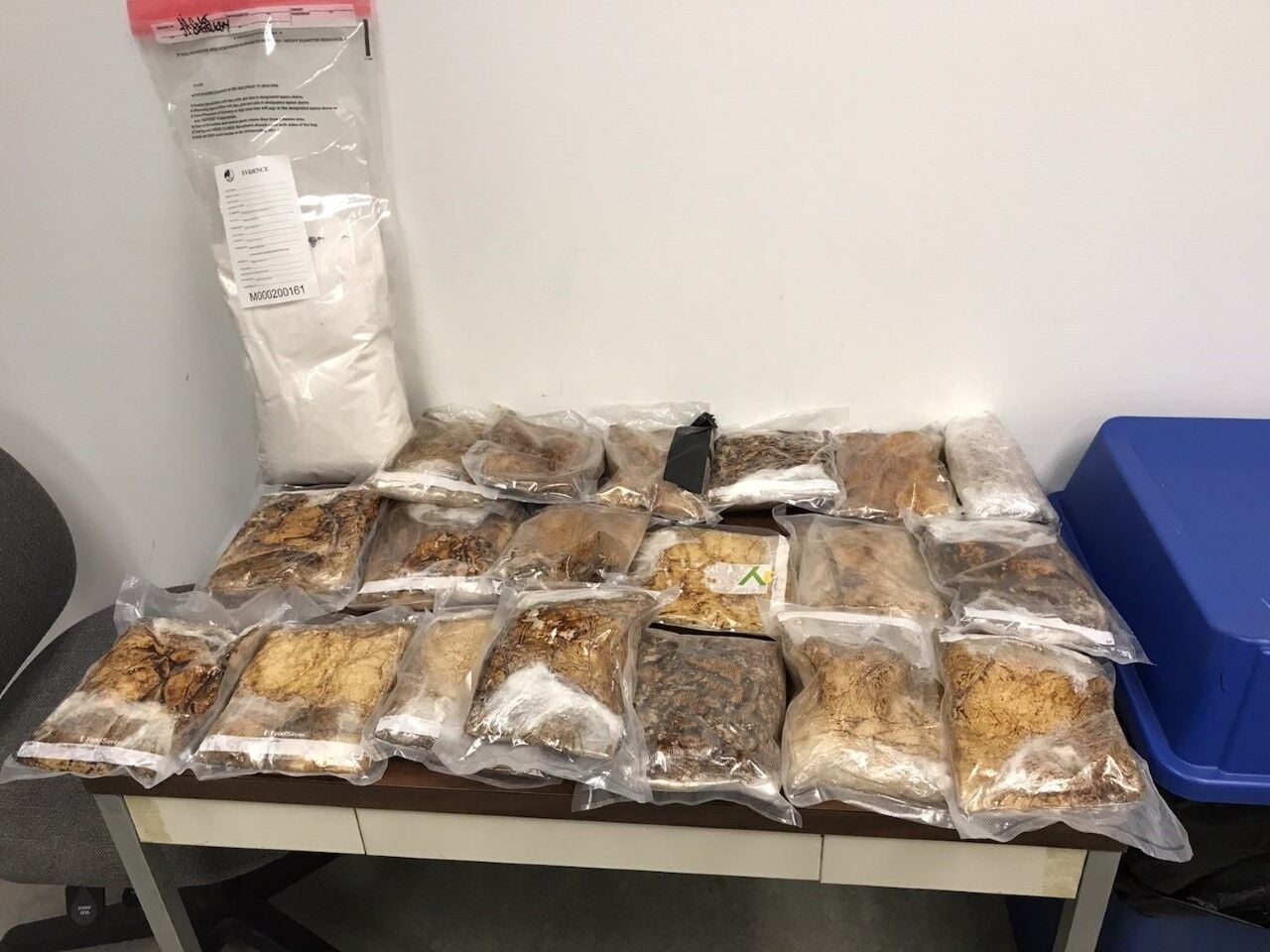
One of the immediate financial considerations is the valuation of the seized drugs. Law enforcement agencies often publicize the “street value” of their seizures, which is an estimate of what the drugs would fetch if sold to individual users on the black market. This figure is primarily used to illustrate the scale of the operation and the impact on drug supply, serving as a public relations tool and a metric of success. However, there’s also an internal “seizure value,” which might reflect the wholesale or cartel price, offering a different perspective on the financial blow dealt to criminal organizations. These valuations, though estimates, guide resource allocation for future investigations and inform policy debates on the economic impact of drug trafficking. The sheer scale of these valuations — often in the millions or even billions for major hauls — underscores the economic incentive driving the drug trade and the financial significance of successful interdictions.
The Economic Burden of Custody
Once seized, drugs transform from a criminal asset into physical evidence that must be meticulously managed. This custody phase is far from cost-free, imposing a substantial economic burden on law enforcement agencies. Secure storage facilities are paramount to prevent theft, tampering, or environmental degradation of the evidence. This often entails specialized vaults, climate-controlled environments for sensitive substances, and round-the-clock surveillance, all of which require significant capital investment and ongoing operational costs.
Beyond physical security, strict chain of custody protocols demand meticulous documentation, inventory management systems, and dedicated personnel to log, transfer, and monitor every item. Each step, from the initial seizure report to final destruction, must be traceable and defensible in court, adding layers of administrative expense. The sheer volume of seized drugs, particularly in jurisdictions with high trafficking rates, can quickly overwhelm existing storage capacities and budgetary allocations, necessitating expansion or more frequent destruction cycles, each carrying its own price tag. The cost of personnel involved in this process, from officers to evidence technicians, represents a direct financial drain on agency budgets, diverting funds that could otherwise be used for active investigations or community policing initiatives.
From Evidence to Elimination: Processes and Their Financial Footprint
The journey of seized drugs from an active crime scene to their final destruction is a resource-intensive process, each stage of which carries significant financial implications for the public purse.
Forensic Analysis and Its Price Tag
Before drugs can be destroyed, they must often undergo rigorous forensic analysis. This is a critical step for criminal prosecutions, as it definitively identifies the substance, its purity, and sometimes its origin, providing irrefutable evidence for court. However, forensic testing is an expensive endeavor. Specialized laboratories require state-of-the-art equipment, highly trained chemists, and a constant supply of reagents and consumables. The costs associated with each test can be considerable, especially when dealing with novel psychoactive substances that require complex analytical techniques. Furthermore, the backlog of samples awaiting analysis can delay court proceedings, incurring additional costs in judicial and prosecutorial resources. When a case goes to trial, forensic scientists may also be required to provide expert witness testimony, adding further costs for travel, time, and preparation. These cumulative expenses significantly impact investigative budgets, often necessitating difficult choices in resource allocation.
The Destructive Path: Methods and Expenses
Once cases are adjudicated or the drugs are no longer needed as evidence, their ultimate fate is typically destruction. The methods employed for destruction are carefully chosen to be safe, environmentally sound, and secure, but they are rarely inexpensive. Incineration is a common method for many substances, but it requires access to specialized high-temperature incinerators capable of safely neutralizing toxic compounds without releasing harmful pollutants. The operational costs of such facilities, including fuel, maintenance, and compliance with stringent environmental regulations and permits, are substantial.
Chemical neutralization is another method, particularly for liquid drugs or precursors, involving the use of specific chemicals to render the illicit substances inert. This method incurs costs for the neutralizing agents themselves, specialized equipment for mixing and containment, and the safe disposal of the resulting chemical waste, which can be hazardous. Other less common methods might exist depending on the substance and jurisdiction, but all share a common thread: they require significant financial outlay to ensure public and environmental safety. The financial burden of destruction is not a one-time event; it’s a recurring expense that scales with the volume of drug seizures, demanding consistent budgetary allocation.
Deterrence as an Economic Strategy
While the direct costs of handling seized drugs are substantial, the overarching economic strategy behind these efforts is deterrence. By removing large quantities of drugs from circulation, law enforcement aims to disrupt the supply side of the illicit market. This disruption can, at least temporarily, lead to price increases for remaining drugs, making them less accessible or profitable for criminals. The constant threat of seizures and the associated financial losses (both of the product and other assets) are intended to make the drug trade less appealing or sustainable for criminal organizations. From an economic standpoint, these operations represent an investment in public safety and a calculated blow against the economic viability of criminal enterprises, even if the direct monetary returns on this investment are difficult to quantify.
Asset Forfeiture: Recouping Illicit Gains
Beyond the direct handling of seized drugs, law enforcement agencies engage in a powerful financial mechanism known as asset forfeiture, which targets the proceeds and instrumentalities of drug trafficking. This process is perhaps the most direct way in which police actions related to drugs intersect with financial recovery and resource generation.
Seizing More Than Just Drugs
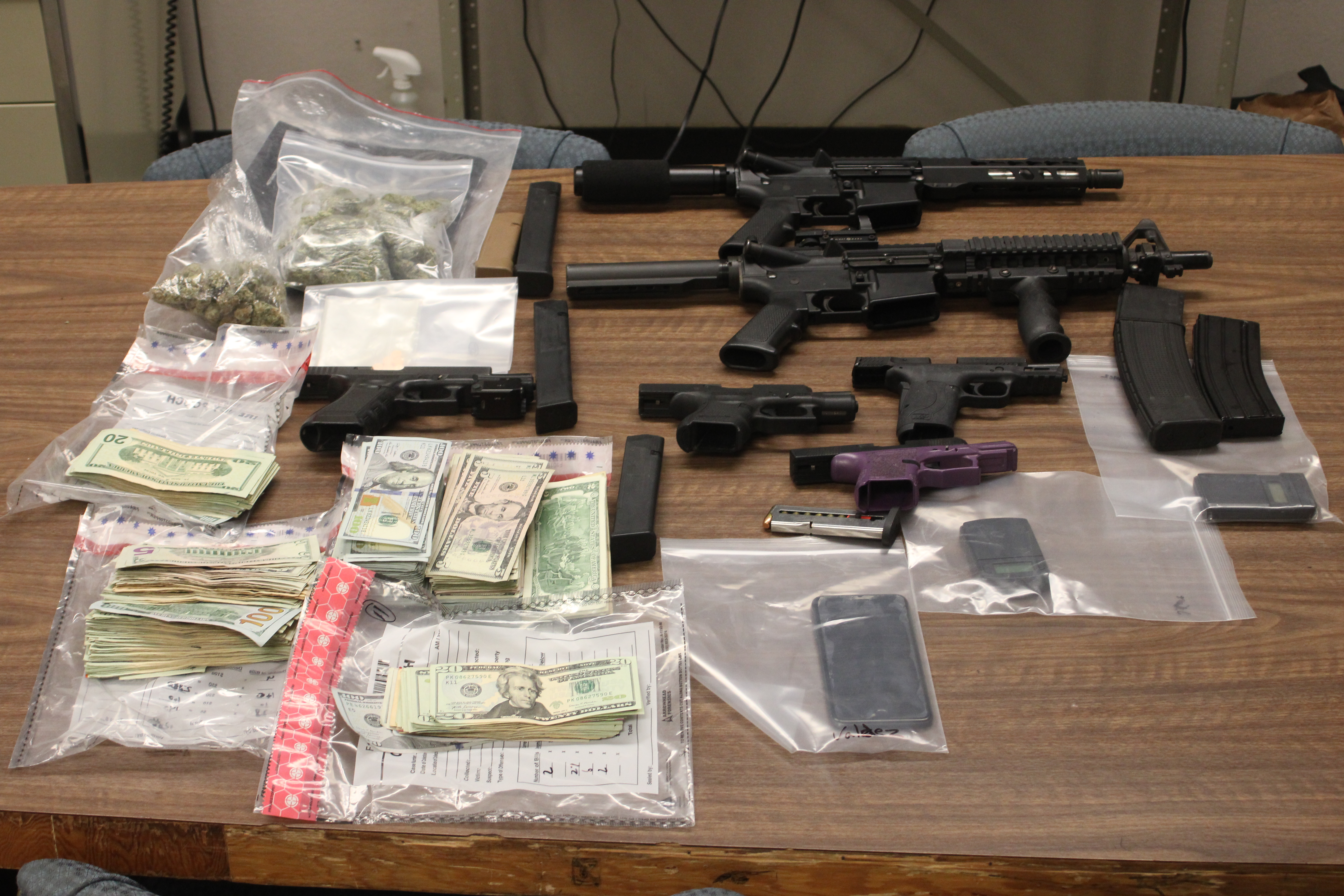
Asset forfeiture allows law enforcement to seize cash, vehicles, real estate, and other valuables that are either directly involved in or were acquired through illegal drug activities. Unlike the drugs themselves, which are typically destroyed, these assets can often be converted into monetary value. This mechanism operates under two main frameworks: criminal forfeiture, which requires a conviction against the property owner, and civil forfeiture, which allows authorities to seize assets merely suspected of being involved in criminal activity, even without a criminal charge or conviction against an individual. The focus here shifts from the illicit substance to the illicit wealth it generates. Police “follow the money” to dismantle the financial infrastructure of drug cartels and networks, aiming to strip them of their economic power. This includes not just cash found with drugs, but also properties used as stash houses, vehicles used for transportation, and even luxury items bought with drug profits.
Where Does Forfeited Money Go?
The funds generated through asset forfeiture programs are a significant financial stream for law enforcement agencies at federal, state, and local levels. Often, these funds are earmarked to directly support law enforcement operations, purchasing essential equipment (such as patrol cars, body cameras, or forensic tools), funding specialized training, or even contributing to officer salaries. Some programs also allow funds to be used for community-based initiatives, drug prevention programs, or victim compensation funds. Federal programs, such as the Department of Justice’s Asset Forfeiture Fund and the Treasury Forfeiture Fund, often share forfeited assets with cooperating state and local agencies, creating a direct financial incentive for joint operations. While providing crucial resources, these programs have also faced scrutiny and criticism regarding transparency, accountability, and the potential for creating perverse incentives for agencies to prioritize seizures that generate revenue over other policing objectives. Nevertheless, asset forfeiture remains a cornerstone of the financial strategy against drug trafficking.
The Economic Impact on Criminal Organizations
The strategic use of asset forfeiture goes beyond simply funding law enforcement; it’s a critical tool for inflicting economic damage on criminal organizations. By seizing cash, vehicles, and properties, police directly undermine the financial stability and operational capacity of drug cartels. This disrupts their ability to reinvest in their operations, recruit new members, or purchase more drugs and weapons. The “follow the money” principle is central to dismantling these empires, as financial vulnerability often leads to operational collapse. The economic impact is designed to make the drug trade less profitable and riskier, aiming to deter individuals and groups from engaging in such illicit activities by demonstrating that ill-gotten gains will ultimately be confiscated.
Preventing Corruption and Ensuring Financial Integrity
The immense street value of seized drugs and the potential for substantial monetary gains from asset forfeiture create inherent risks for corruption within law enforcement. Safeguarding financial integrity is therefore a paramount concern, requiring robust systems and continuous oversight.
Safeguarding Against Internal Theft and Diversion
The high financial value of seized drugs makes them a target not only for external criminals but also for internal corruption. To mitigate this risk, law enforcement agencies implement stringent chain of custody protocols, which are not just about evidentiary integrity but also about financial security. These protocols meticulously track every individual who handles the drugs, every transfer, and every secure storage location, effectively creating an auditable paper trail designed to prevent theft or diversion. Regular, unannounced audits of evidence rooms and inventory checks are critical financial safeguards. The cost of implementing and maintaining these elaborate security measures, including surveillance systems, restricted access facilities, and dedicated oversight personnel, is a significant, yet necessary, budgetary expense. These measures are an investment in the financial integrity of the system and the public’s trust.
The High Cost of Corruption
The financial and societal costs of corruption related to seized drugs are extraordinarily high. If seized drugs are diverted back onto the streets by corrupt officers, it not only represents a direct financial loss for the public (as the drugs re-enter the illicit economy) but also severely undermines the very purpose of drug interdiction. Beyond the immediate financial impact of diverted drugs, corruption erodes public trust in law enforcement, which can lead to indirect economic costs such as reduced cooperation from communities, increased crime rates, and a more difficult operating environment for legitimate law enforcement efforts. The investigative and legal costs associated with prosecuting corrupt officers are substantial, consuming resources that could otherwise be used for crime prevention. Ultimately, the cost of failing to prevent corruption is not just monetary; it’s a profound undermining of justice and the rule of law, with long-lasting detrimental effects on society’s economic and social fabric.
aViewFromTheCave is a participant in the Amazon Services LLC Associates Program, an affiliate advertising program designed to provide a means for sites to earn advertising fees by advertising and linking to Amazon.com. Amazon, the Amazon logo, AmazonSupply, and the AmazonSupply logo are trademarks of Amazon.com, Inc. or its affiliates. As an Amazon Associate we earn affiliate commissions from qualifying purchases.