
While the question “what do pistachios taste like?” might seem straightforward, the answer is surprisingly nuanced. Beyond a simple descriptor, the flavor of pistachios is a complex interplay of earthy, sweet, and sometimes even savory notes, influenced by factors ranging from cultivation to preparation. Understanding these subtle distinctions unlocks a richer appreciation for this beloved nut, and for those in the business world, it can even provide valuable insights into product development, marketing strategies, and, yes, even financial opportunities.
The allure of the pistachio lies not just in its vibrant green hue, which hints at its unique flavor, but also in its versatility. From being a sought-after snack to a star ingredient in both sweet and savory dishes, pistachios offer a culinary experience that is both familiar and intriguing. This article will explore the multifaceted taste of pistachios, delving into the core flavor components, the impact of processing methods, and how this seemingly simple nut can be a powerful element in brand building and even a driver of financial growth.
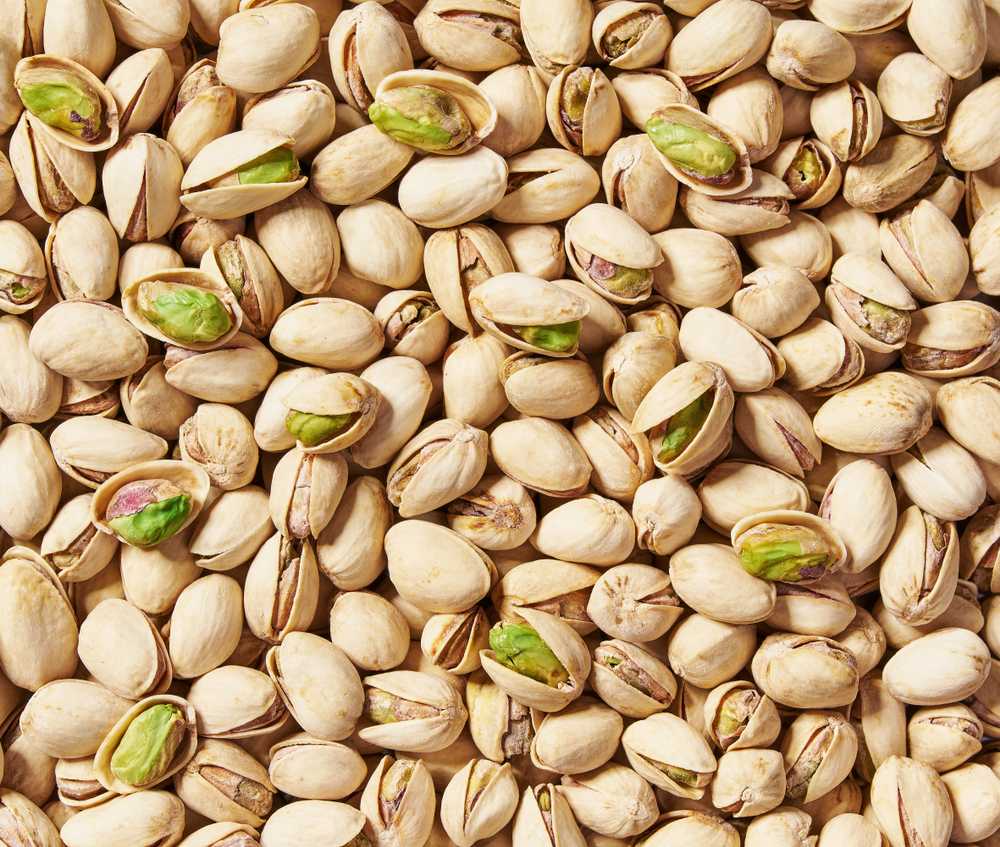
The Core Flavor of the Pistachio: Earthy Sweetness with a Hint of the Exotic
At its heart, the pistachio’s taste is characterized by a delicate balance of earthy undertones and a distinct sweetness. This is not a saccharine sweetness, but rather a natural, almost milky sweetness that emerges as you chew.
The Dominant Earthy Notes
The earthy quality of pistachios is reminiscent of other tree nuts, such as almonds or walnuts, but with a softer, less bitter edge. This earthiness likely stems from the unique soil compositions and growing conditions where pistachios thrive, often in arid or semi-arid regions. It’s a grounded flavor that provides a satisfying depth, making the nut feel substantial and wholesome. This foundational earthiness is what allows pistachios to pair so well with a wide range of other ingredients, acting as a neutral yet flavorful base.
The Subtle Sweetness and Nutty Complexity
The sweetness in pistachios is a more refined characteristic. It’s a natural sugar content that becomes more pronounced when the nuts are roasted, caramelizing slightly and enhancing their inherent sweetness. This sweetness is often accompanied by a mild, buttery richness that coats the palate, creating a luxurious mouthfeel. Beyond these primary notes, there’s a distinct nutty complexity that sets pistachios apart. Some describe it as having a slight floral or even fruity undertone, particularly in high-quality, freshly harvested nuts. This complexity is what makes pistachios so intriguing and contributes to their appeal as a premium ingredient.
The Salty Dimension: A Product of Preparation
It’s important to distinguish between the inherent flavor of a raw pistachio and its taste when prepared for consumption. While raw pistachios offer a pure, unadulterated experience, many of us are more accustomed to salted or roasted varieties. The addition of salt dramatically alters the perception of the pistachio’s flavor. Salt accentuates the nut’s natural sweetness and earthy notes, creating a delightful contrast that is highly addictive. This savory element transforms the pistachio from a subtly sweet snack into a more robust and satisfying experience, making it a popular choice for appetizers and bar snacks. The saltiness, when applied judiciously, doesn’t overpower the pistachio but rather amplifies its inherent qualities.
Beyond the Basics: How Preparation and Processing Shape Pistachio Flavor
The journey from a pistachio kernel to the snack or ingredient we enjoy is a transformative one. The methods employed in roasting, salting, and even shelling significantly influence the final taste experience, offering a spectrum of flavors for consumers and businesses alike.
The Magic of Roasting: Enhancing Sweetness and Texture
Roasting is perhaps the most common method of preparing pistachios, and it’s a game-changer for their flavor profile. Roasting, whether dry-roasted or oil-roasted, intensifies the nut’s natural sweetness through caramelization. The heat causes the sugars within the pistachio to break down and reform, creating deeper, richer sweet notes. It also develops a desirable crunchiness, transforming the slightly chewy texture of a raw pistachio into a satisfying crispness. The roasting process also liberates aromatic compounds, contributing to a more complex and appealing fragrance that further enhances the perceived flavor. The level of roast can also vary, from a light toast that preserves more of the nut’s delicate nuances to a darker roast that brings out more pronounced toasty and caramelized notes.
The Art of Salting: A Balancing Act
As mentioned, salt plays a crucial role in enhancing pistachio flavor. The type of salt and the application method are key. Sea salt, with its mineral complexity, can add another layer of subtle flavor. Coarse sea salt sprinkled on roasted pistachios provides bursts of salinity that cut through the richness and sweetness, creating an irresistible snack. Fine salt, on the other hand, can be evenly distributed, providing a more consistent savory background. The art lies in finding the right balance; too much salt can mask the pistachio’s inherent taste, while too little leaves it feeling somewhat flat. This careful calibration is something that astute food brands understand and leverage in their product development.
Shelling and Beyond: The Impact on Freshness and Flavor Degradation
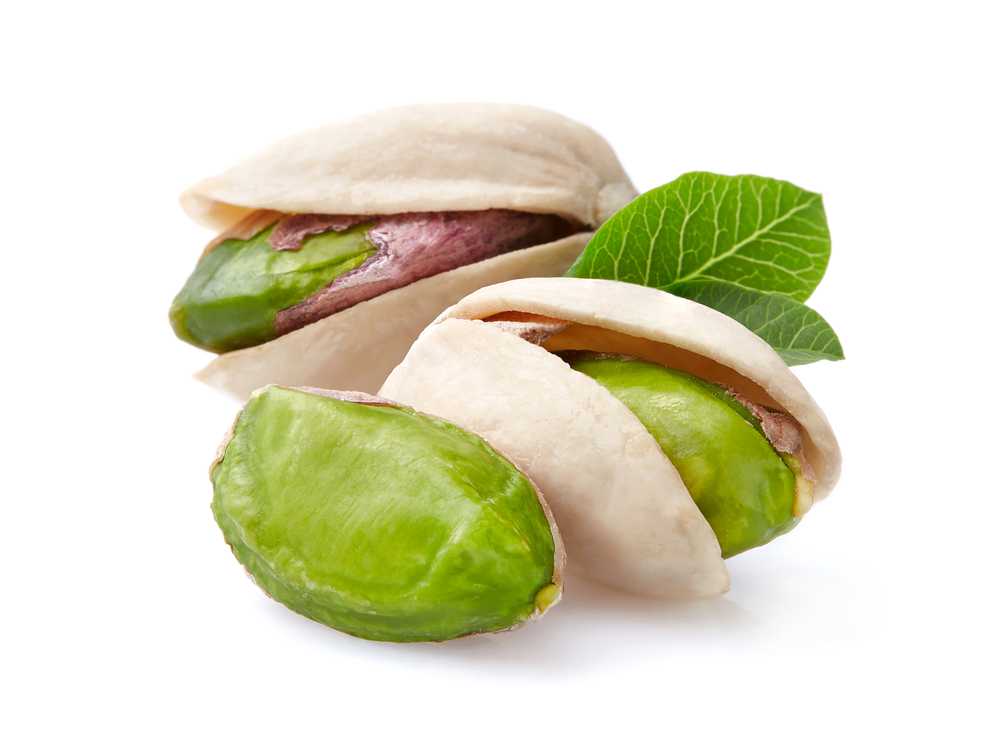
The pistachio’s natural shell plays a vital protective role, preserving its freshness and preventing the delicate oils within from oxidizing. Pistachios are unique in that they often split open naturally when ripe, making them easier to shell. However, the process of shelling, whether manual or mechanical, can expose the nut to air and moisture, potentially leading to a loss of freshness if not handled properly. Vacuum-sealed or nitrogen-flushed packaging is crucial for maintaining the optimal flavor and texture of shelled pistachios. For brands, understanding the shelf-life implications of different packaging solutions is paramount for ensuring product quality and consumer satisfaction, ultimately impacting repeat purchases and brand loyalty.
Pistachios in the Culinary Landscape: Flavor Profiles in Application
The true testament to a pistachio’s taste lies in its performance within various culinary applications. From sweet pastries to savory stews, its unique flavor profile lends itself to a surprising range of possibilities, offering brands opportunities for innovation and consumers delightful discoveries.
The Sweet Embrace: Pistachios in Desserts and Confections
In the realm of sweets, pistachios are often celebrated for their ability to impart both color and a sophisticated nutty flavor. Their subtle sweetness complements rich chocolate, creamy ice creams, and delicate pastries. Think of pistachio ice cream, with its vibrant green hue and delicate nutty undertones, or baklava, where chopped pistachios provide a textural contrast and a distinct flavor that cuts through the sweetness of honey. Pistachio macarons are another prime example, where the finely ground nut contributes to both the texture and the subtle, earthy-sweet flavor of the delicate cookie. Brands that expertly incorporate pistachios into their dessert offerings tap into a consumer desire for premium, visually appealing, and uniquely flavored treats.
The Savory Sophistication: Pistachios in Main Courses and Appetizers
While often associated with sweets, pistachios are equally at home in savory dishes. Their slightly bitter and earthy notes, when roasted, can add a wonderful depth to rubs for meats, crusts for fish, or as a textural element in salads and pilafs. Pistachio pesto, a less common but incredibly flavorful alternative to basil pesto, showcases the nut’s ability to stand up to strong flavors like garlic and cheese. Ground pistachios can also be used as a binding agent in meatballs or as a crunchy topping for roasted vegetables. For brands in the savory food sector, incorporating pistachios offers a way to elevate everyday dishes, adding a touch of gourmet appeal and a distinctive flavor profile that differentiates them in a crowded market.
The Power of Pairing: Synergies with Other Flavors
The success of pistachios in both sweet and savory applications lies in their exceptional ability to pair with a wide array of other flavors. Their earthy sweetness acts as a bridge between different taste profiles. They harmonize beautifully with citrus fruits, such as lemon and orange, where the zestiness cuts through the richness of the nut. Dairy products, like cream cheese and yogurt, provide a creamy counterpoint that enhances the pistachio’s buttery notes. Spices like cardamom, cinnamon, and even saffron find a natural affinity with pistachios, creating complex and aromatic flavor combinations. For product developers and brand marketers, understanding these synergistic pairings is key to creating successful and appealing product lines that resonate with a broad consumer base. This deep understanding of flavor synergy is a cornerstone of effective brand strategy.
The Financial Flourish of the Pistachio: Market Value and Investment Potential
Beyond their taste and culinary applications, pistachios represent a significant economic commodity. Their unique growing requirements, the demand for their distinctive flavor, and their positioning as a premium nut contribute to their substantial market value and potential as an investment.
A Premium Commodity: The Economics of Pistachio Cultivation
Pistachios are not an easy crop to cultivate. They require specific climatic conditions, including hot, dry summers and cold winters, and take several years to mature and produce fruit. This inherent difficulty in cultivation, coupled with the fact that pistachios are monoecious (requiring both male and female trees for pollination), contributes to their relatively higher price point compared to other nuts. The global demand for pistachios, driven by their popularity in snacks, confectionery, and savory dishes, consistently outpaces supply, leading to a strong and often appreciating market value. For agricultural investors and businesses involved in the food industry, understanding these supply-and-demand dynamics is crucial for forecasting market trends and making informed business decisions.
Market Trends and Consumer Demand: Driving Value
The increasing consumer preference for healthier snack options, combined with the growing interest in exotic and gourmet ingredients, has significantly boosted the demand for pistachios. Their perceived health benefits, including healthy fats, protein, and fiber, make them an attractive choice for health-conscious consumers. Furthermore, the visual appeal of pistachios, particularly their vibrant green color, makes them a sought-after ingredient for visually driven marketing campaigns and product packaging. Brands that can effectively communicate the premium quality and unique flavor of pistachios are often able to command higher prices and achieve greater market share. This demand directly influences the financial performance of pistachio producers and related businesses.

Investment Opportunities: From Farming to Food Products
The financial allure of pistachios extends beyond direct consumption. Investment opportunities exist at various levels of the value chain. This includes direct investment in pistachio farming operations, particularly in regions with optimal growing conditions. For those interested in less hands-on investments, opportunities exist in companies that process, package, and market pistachios, as well as in food manufacturers that utilize pistachios as a key ingredient in their products. The consistent global demand and the premium positioning of pistachios suggest a potentially stable and rewarding investment landscape for those who understand the market intricacies. Recognizing the value of a well-marketed and high-quality pistachio product can translate into significant financial returns.
aViewFromTheCave is a participant in the Amazon Services LLC Associates Program, an affiliate advertising program designed to provide a means for sites to earn advertising fees by advertising and linking to Amazon.com. Amazon, the Amazon logo, AmazonSupply, and the AmazonSupply logo are trademarks of Amazon.com, Inc. or its affiliates. As an Amazon Associate we earn affiliate commissions from qualifying purchases.