
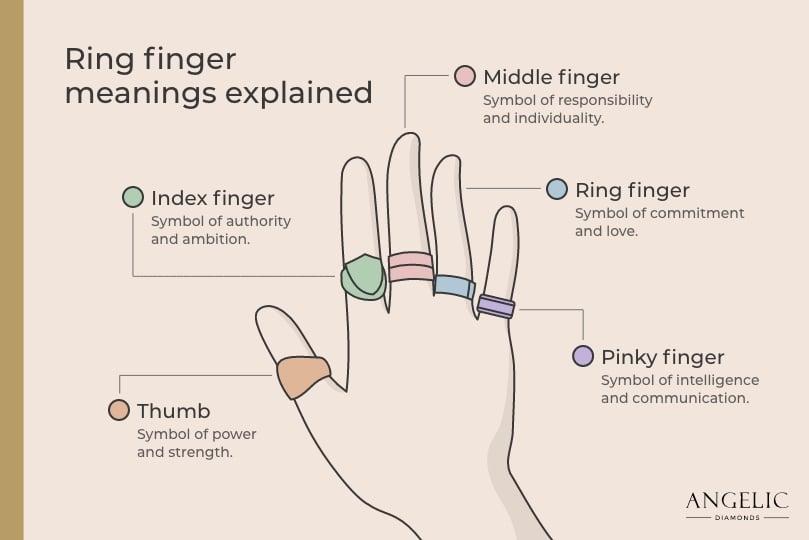
The pinky ring, a subtle yet striking piece of jewelry, has long been an object of intrigue and fascination. For centuries, it has adorned the hands of individuals from all walks of life, carrying with it a rich tapestry of meanings, social cues, and historical associations. While often perceived as a mere fashion accessory, the pinky ring, upon closer examination, reveals itself to be a potent symbol, capable of conveying a surprisingly diverse array of messages. This exploration delves into the multifaceted significance of pinky rings, moving beyond superficial perceptions to uncover the deeper implications embedded within this distinctive adornment.
The Historical Genesis of the Pinky Ring
The allure of the pinky ring is not a modern phenomenon. Its roots stretch back to ancient civilizations, where jewelry served not only as decoration but also as a powerful indicator of status, power, and affiliation. The pinky finger, being the least used and most visually prominent finger for a ring, offered a discreet yet noticeable platform for these symbolic declarations.
Ancient Civilizations and Early Symbolism
From the Egyptians to the Romans, rings have always held profound significance. In many ancient cultures, rings were used as seals, signifying authority and ownership. The practice of wearing rings on specific fingers evolved over time, with the pinky finger emerging as a favored choice for certain types of rings. For instance, in ancient Rome, signet rings, often worn on the pinky, were used to impress wax seals onto documents, acting as a personal signature and a mark of legitimacy. These rings were frequently crafted from precious metals and adorned with intricate carvings, reflecting the wealth and social standing of the wearer. The choice of the pinky finger for such important items likely stemmed from its less practical nature, reducing the risk of damage to the seal while keeping it readily accessible for official duties. This historical precedent laid the groundwork for the pinky ring to become associated with authority and importance.
The Victorian Era and the Rise of Discreet Signaling
The Victorian era witnessed a resurgence of interest in jewelry as a means of expressing personal sentiments and social affiliations. While elaborate displays of wealth were common, there was also a growing appreciation for more subtle and nuanced forms of communication. The pinky ring, with its less ostentatious placement, lent itself perfectly to these discreet signals. During this period, men, in particular, often wore pinky rings, which could signify a variety of things depending on their design and composition. A simple gold band might indicate a gentleman of means, while a ring featuring a specific crest or motif could allude to membership in a particular club, society, or even a familial lineage. This era saw the pinky ring become a refined accessory for the discerning individual, a silent communicator in a society that valued propriety and subtle social cues. The pinky ring became a small, personal statement, a detail that could speak volumes to those who understood its unspoken language.
Modern Interpretations and Cultural Meanings
In contemporary society, the pinky ring continues to carry a diverse range of meanings, often reflecting personal choices, cultural backgrounds, and evolving social dynamics. While some historical associations persist, new interpretations have emerged, making the pinky ring a versatile symbol in the modern landscape.
The Gentleman’s Ring and Professional Status
Historically, the pinky ring, particularly on the right hand, became a symbol of the “gentleman’s ring” in Western culture. This often implied a certain level of sophistication, professional achievement, and social standing. Lawyers, in particular, have a long-standing tradition of wearing a pinky ring, often a gold band or a signet ring. This practice is thought to have originated from the idea that a lawyer’s hand, which would be frequently used for signing documents and gesturing during legal proceedings, needed to be adorned with a ring that wouldn’t interfere with its functions. The pinky finger, being less involved in manual tasks, was the ideal choice. This association with the legal profession has, in turn, lent the pinky ring an aura of intellect, probity, and success in broader professional circles. The ring serves as a quiet nod to one’s professional journey and a subtle marker of accomplishment, visible yet not overtly boastful.

The Pinky Ring as a Symbol of Personal Identity and Rebellion
Beyond traditional notions of status, the pinky ring has also been embraced as a symbol of personal identity, individuality, and even a touch of rebellion. In various subcultures and communities, wearing a pinky ring can signify a rejection of mainstream norms or an embrace of a particular aesthetic. For artists, musicians, and those in creative fields, the pinky ring can be an expression of their unique style and artistic sensibility. It can be a statement of non-conformity, a way to stand out in a crowd and communicate a sense of self-assuredness. Furthermore, in certain contexts, particularly within some LGBTQ+ communities, the pinky ring has held specific significance, often as a symbol of solidarity, pride, and belonging. The ability of the pinky ring to be both subtle and impactful allows it to serve a wide spectrum of personal expressions, from quiet confidence to bold declarations of self.
Pinky Rings in Popular Culture and Media
The presence of pinky rings in popular culture and media has further shaped their perception and reinforced various symbolic meanings. From iconic characters in films and television shows to influential figures in music and sports, the pinky ring has often been a defining accessory, contributing to the persona of the wearer. These portrayals can range from depicting powerful tycoons and shrewd businessmen to edgy artists and streetwise individuals, each lending a specific nuance to the ring’s significance. The media’s portrayal of pinky rings plays a crucial role in how they are understood and adopted by the wider public, influencing trends and solidifying certain associations. The visibility of pinky rings on celebrated figures can inspire others to embrace the accessory, imbuing it with the charisma and aura of the individuals who wear them.
The Significance of Placement and Design
The meaning conveyed by a pinky ring is not solely determined by its existence; the specifics of its placement and design play a crucial role in shaping its interpretation. The subtle differences in how and where a pinky ring is worn, and the materials and motifs it features, can drastically alter the message it communicates.
Left Hand vs. Right Hand: Shifting Meanings
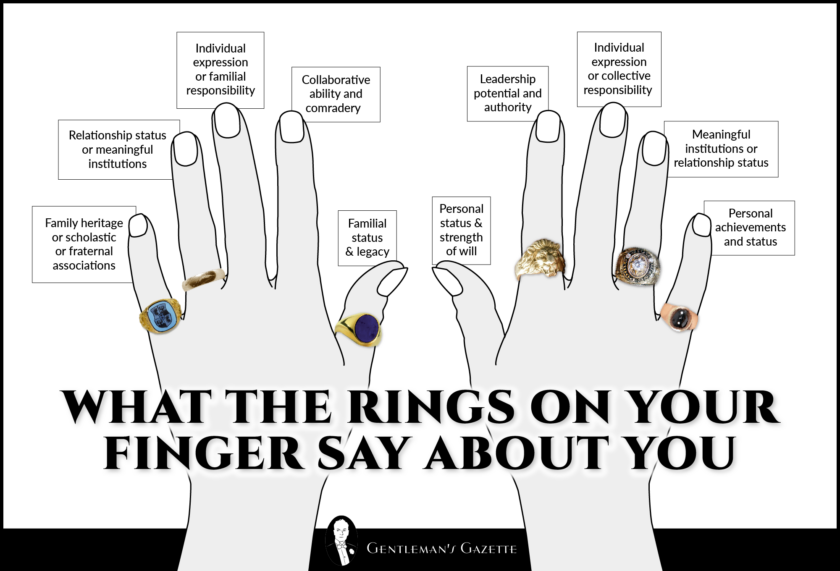
The hand on which a pinky ring is worn can subtly alter its significance. While there is no universally fixed rule, a common interpretation suggests that a pinky ring on the left hand might be seen as more personal, perhaps indicating marital status or a sentimental connection. Historically, in some cultures, a wedding band was not always worn on the traditional ring finger, and other fingers, including the pinky, were used. Conversely, a pinky ring on the right hand has often been associated with professional achievements, authority, and a more public-facing identity. This distinction, though not absolute, adds another layer of complexity to understanding the symbolism of the pinky ring, allowing for a more nuanced appreciation of its potential meanings. The choice of hand can be a deliberate or subconscious act, contributing to the overall narrative the wearer wishes to project.
Material, Gemstones, and Engravings: Unveiling Deeper Layers
The materials used to craft a pinky ring, the gemstones it incorporates, and any engravings it may bear, all contribute to its individual significance. A simple band of gold or silver might convey understated elegance, while a ring set with a precious gemstone, such as a diamond, sapphire, or ruby, can denote wealth, power, or a specific personal association with that stone’s traditional meanings. Signet rings, often worn on the pinky, carry further depth through their engraved crests or initials, serving as a tangible link to heritage, family, or personal seals of authenticity. These intricate details allow the pinky ring to transcend being a mere accessory and become a deeply personal emblem, carrying a story and a unique set of meanings for the wearer and those who understand its language. The craftsmanship and embellishments transform a simple adornment into a profound personal statement.
Conclusion: The Enduring Allure of the Pinky Ring
The pinky ring, with its long and varied history, continues to captivate and intrigue. Its enduring allure lies in its ability to be both understated and significant, a discreet symbol capable of conveying a wealth of meanings. From its ancient roots as a marker of authority to its modern interpretations as an emblem of personal identity and professional success, the pinky ring remains a compelling accessory. Whether worn for historical tradition, personal expression, or simply for aesthetic appeal, the pinky ring invites contemplation, prompting us to consider the stories and symbols we choose to adorn ourselves with, and the subtle yet powerful messages they convey in the intricate dance of human communication. Its continued presence in fashion and culture is a testament to its multifaceted symbolism and its capacity to adapt and resonate across generations.
aViewFromTheCave is a participant in the Amazon Services LLC Associates Program, an affiliate advertising program designed to provide a means for sites to earn advertising fees by advertising and linking to Amazon.com. Amazon, the Amazon logo, AmazonSupply, and the AmazonSupply logo are trademarks of Amazon.com, Inc. or its affiliates. As an Amazon Associate we earn affiliate commissions from qualifying purchases.