
The question of what people wear in Spain transcends simple fashion trends; it offers a compelling lens into the intricate layers of cultural identity, regional pride, and individual expression that coalesce into powerful forms of personal and collective branding. Spanish attire, from the traditional garments of regional festivals to the sophisticated daily wear of urban professionals, consistently communicates values, heritage, and aspirations. This exploration delves into how clothing in Spain functions not merely as adornment but as a deliberate statement of brand — both personal and national — shaped by history, climate, social norms, and a distinct appreciation for design.
The Fabric of Identity: Spain’s Diverse Fashion Landscape
Spain is a nation of profound regional diversity, and this heterogeneity is vividly reflected in its sartorial choices. Each region, with its unique history and traditions, cultivates a distinct aesthetic that serves as a powerful regional brand marker.
Regional Styles as Brand Markers
Consider Andalusia, where the vibrant traje de flamenca for women and the more understated traje corto for men are potent symbols, not just of flamenco culture, but of Andalusian identity itself. These garments, with their ruffles, polka dots, intricate embroidery, and specific cuts, are instantly recognizable brand assets that evoke passion, festivity, and a deep connection to southern Spanish heritage. They are worn with an inherent pride that reinforces the region’s brand narrative during ferias and romerías. Similarly, in Catalonia, the traditional sardana attire, while less commonly seen in daily life, still represents a cultural anchor, its specific design elements linking wearers to a distinct Catalan brand identity.
Beyond explicit traditional wear, daily fashion in regions like the Basque Country subtly reflects a different brand. Here, practicality, quality, and a more muted color palette often prevail, mirroring a cultural emphasis on resilience and understated sophistication. This demonstrates how even in modern contexts, the design philosophy inherent to a region’s history continues to inform contemporary choices, creating a consistent brand message through clothing. These regional styles are not merely costumes; they are meticulously preserved and evolved design languages that articulate specific geographical and cultural brands to both insiders and outsiders.
Traditional Aesthetics Meeting Modern Design
Spanish fashion consistently showcases a remarkable ability to integrate traditional aesthetics into modern design, thereby creating a continuity of “brand heritage.” Elements such as the deep, rich colors (think reds, blacks, and earth tones), intricate lace work, high-quality fabrics, and specific silhouettes (like the structured shoulders and cinched waists often associated with bullfighting attire or the flowing lines inspired by flamenco dresses) regularly find their way into contemporary Spanish collections.
Designers, both high-fashion and ready-to-wear, frequently reinterpret these motifs, ensuring that the unique “Spanish look” remains relevant and desirable. This isn’t just about nostalgia; it’s a strategic embrace of a strong design legacy. For example, a crisp, tailored jacket might incorporate the precise cut of a bullfighter’s chaquetilla, or an evening gown might feature a silhouette reminiscent of a mantón de Manila. This fusion creates a distinct brand identity for Spanish fashion as a whole — one that is deeply rooted in history yet forward-looking and stylish. It markets a sense of authenticity and timeless elegance that distinguishes it on the global stage.
Personal Branding in Spanish Daily Life
Beyond regional or national identity, clothing in Spain plays a crucial role in individual personal branding, communicating social status, professional competence, and personal taste with nuanced precision.
The Art of Effortless Elegance: Everyday Personal Branding
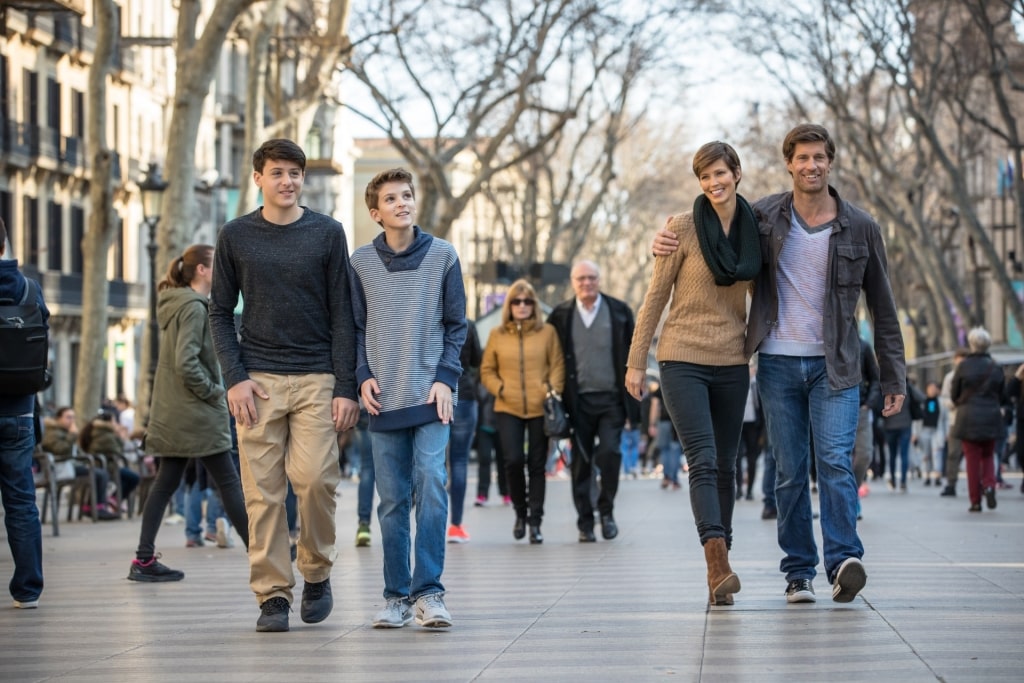
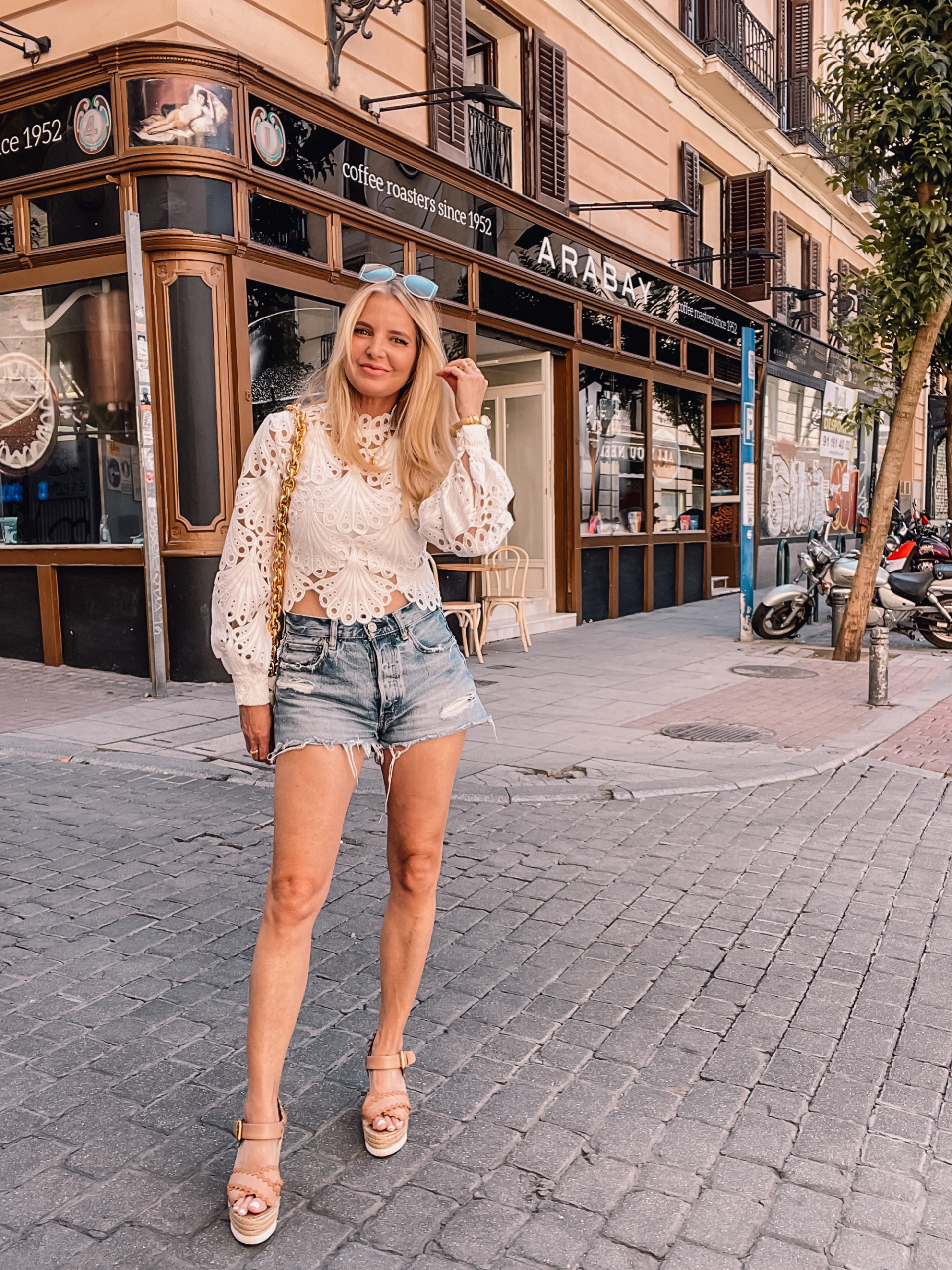
Spaniards, particularly in urban centers like Madrid or Barcelona, are renowned for their approach to everyday attire: an artful blend of effortlessness and undeniable polish. This “effortless elegance” is a powerful form of personal branding. It’s not about ostentation but about communicating a sophisticated personal brand through careful attention to detail. Clothes are typically well-fitted, often made of quality fabrics, and accessorized thoughtfully. Even for a casual outing, one might observe impeccably tailored trousers paired with a high-quality sweater, or a perfectly chosen scarf elevating a simple dress.
This deliberate curation of one’s appearance signals respect for oneself and one’s surroundings, projecting a personal brand of refinement, confidence, and social awareness. It’s a subtle yet effective strategy for designing one’s public image, indicating that the wearer values presentation and has a discerning eye for style. This approach contrasts sharply with more overtly casual dressing prevalent in some other cultures, establishing a distinctive Spanish personal brand identity that values looking “put-together.”
Communicating Professionalism and Status Through Attire
In professional environments across Spain, attire is a critical component of personal branding and can significantly influence perceptions of competence, authority, and trustworthiness. In sectors like finance, law, or corporate management, formal business wear — impeccably tailored suits for men and stylish, well-constructed dresses or pantsuits for women — is not merely a dress code but a statement of one’s professional brand.
Specific choices in fabric, cut, and even the subtle use of accessories can communicate adherence to corporate identity while allowing for individual expression within professional boundaries. A well-chosen watch or a high-quality leather briefcase, for instance, reinforces a personal brand of meticulousness and success. Conversely, in creative or tech industries, while dress codes may be more relaxed, the choices still reflect a deliberate personal brand: perhaps innovative, modern, or approachable. In all cases, clothing is used as a tool to design a professional persona that aligns with career aspirations and industry expectations, contributing to one’s perceived brand value in the workplace.
Social Occasions and Thematic Branding
Spanish social life is rich with diverse occasions, each demanding a particular sartorial brand. Dressing for a fiesta, a family gathering, an evening out, or a religious procession involves specific choices that act as thematic branding. When attending a formal dinner, the chosen attire — often more elaborate and glamorous than daily wear — projects a personal brand that values celebration, tradition, and social grace. For a relaxed evening with friends, the brand might shift to a more casual yet stylish vibe, demonstrating adaptability and a relaxed confidence.
This thematic branding through clothing is about understanding the “audience” and “context” of each social event and designing an appropriate look that respects the occasion while still expressing individuality. It signals belonging, understanding of social codes, and a readiness to engage appropriately. This intentional shift in personal presentation for different social contexts is a testament to the Spanish appreciation for style as a dynamic tool for communication and branding.
Spanish Fashion as a Global Brand: Design and Marketing Impact
The impact of Spanish fashion extends far beyond its borders, positioning Spain as a significant player in the global design and marketing landscape.
From Local Craftsmanship to International Runways
Spain has successfully leveraged its rich design heritage and entrepreneurial spirit to create globally recognized fashion brands. Designers like Cristóbal Balenciaga set a precedent for Spanish haute couture, imbuing it with a distinct architectural precision and elegant restraint that became synonymous with luxury. Today, brands like Loewe continue this legacy, showcasing exceptional craftsmanship and a sophisticated design philosophy that resonate internationally.
Perhaps even more impactful is the success of Spanish fast-fashion behemoths like Zara (part of Inditex group). Zara’s business model — focused on rapid trend adaptation, efficient supply chains, and accessible pricing — has itself become a global case study in marketing and brand strategy. It has effectively branded “fashion for the masses” with a veneer of contemporary design and quick turnover, making Spanish retail a formidable force. These diverse examples illustrate how Spanish design, whether through artisanal luxury or democratic accessibility, has built a powerful global brand presence.
The Influence of Spanish Design on Global Trends
Spanish design elements frequently permeate international fashion trends, effectively branding a distinct “Spanish look” on a global scale. The use of vibrant color palettes, especially reds and blacks, dramatic silhouettes, intricate embroidery, and specific fabric textures (such as lace and silk) often echo Spanish aesthetic sensibilities. For example, the dramatic flounce or ruffle, a hallmark of flamenco attire, has been reinterpreted by countless international designers, becoming a widely recognized design motif. Similarly, the structured tailoring and sharp lines often seen in Spanish design have influenced global perceptions of sophisticated dressing.
This consistent influence is a testament to the strength and unique appeal of Spanish design language. It is a subtle form of cultural marketing, where specific aesthetic choices become globally recognized and desired, associating creativity, passion, and elegance with the Spanish brand.
Sustainability and Ethical Branding in Spanish Fashion
In an increasingly conscious global market, a growing number of Spanish fashion brands are strategically positioning themselves through sustainability and ethical practices. This represents a critical evolution in brand identity, moving beyond aesthetics to encompass values and responsibility. Brands that emphasize fair labor practices, use organic or recycled materials, and adopt transparent supply chains are building a brand image rooted in integrity and environmental stewardship.
This focus on ethical branding not only appeals to a growing segment of consumers who prioritize responsible consumption but also enhances Spain’s overall image as a forward-thinking and conscientious participant in the global fashion industry. By championing sustainability, these brands are not just selling clothes; they are selling a commitment to a better future, further enriching the multifaceted brand narrative of Spanish design and its contribution to the global dialogue on fashion.
aViewFromTheCave is a participant in the Amazon Services LLC Associates Program, an affiliate advertising program designed to provide a means for sites to earn advertising fees by advertising and linking to Amazon.com. Amazon, the Amazon logo, AmazonSupply, and the AmazonSupply logo are trademarks of Amazon.com, Inc. or its affiliates. As an Amazon Associate we earn affiliate commissions from qualifying purchases.