
India, a subcontinent brimming with diverse cultures, languages, and traditions, presents a fascinating study in how attire functions as a profound element of identity and personal branding. Beyond mere covering, the garments chosen and worn across India are sophisticated visual communicators, signaling social status, regional allegiance, religious belief, professional standing, and individual taste. This intricate relationship between clothing and identity provides a rich canvas for understanding the power of visual branding, both on an individual and collective scale.
Cultural Attire as National and Regional Branding
The traditional garments of India are not just pieces of fabric; they are enduring symbols that powerfully brand the nation and its myriad regions. They articulate a visual language steeped in history, craftsmanship, and local ethos.
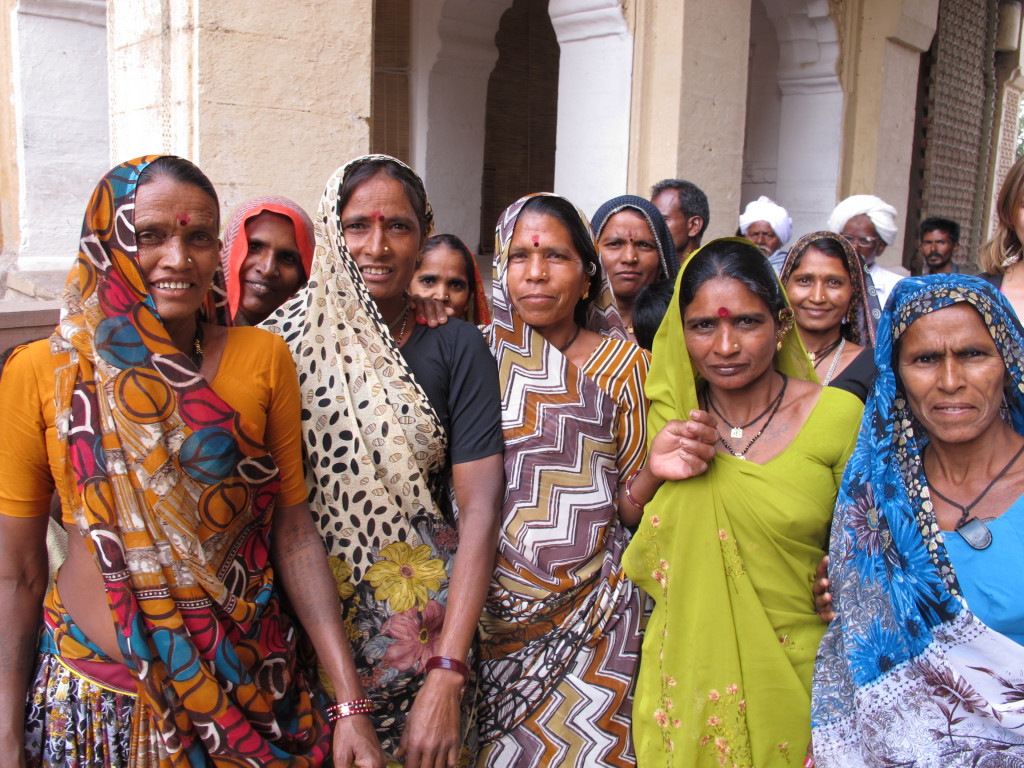
The Sari: An Enduring Emblem of India’s Feminine Brand
Perhaps no other garment encapsulates the feminine identity of India quite like the sari. A length of unstitched fabric, typically five to nine yards long, draped in various styles, the sari is a masterclass in versatile design and cultural branding. Each drape, fabric, and motif often tells a story of its origin. A Kanjeevaram silk sari from the south, with its heavy gold zari work, immediately brands the wearer with an air of traditional elegance and regional pride, synonymous with auspicious occasions and celebrations. Conversely, a simple cotton sari from Bengal might brand an intellectual or artistic persona, emphasizing grace and understated sophistication.
The sari transcends mere fashion; it’s a powerful cultural ambassador. Its iconic status has been leveraged by the Indian tourism industry to brand India as a land of vibrant tradition and timeless beauty. For millions of Indian women, selecting a sari is a deliberate act of personal branding, reflecting their connection to heritage while simultaneously expressing individual style. The choice of color, weave, and drape communicates non-verbally, forming an immediate perception of the wearer’s background, occasion, and even personality.
From Dhoti to Kurta: Masculine Identity and Cultural Marketers
While the sari often takes center stage, men’s traditional wear also serves as significant cultural markers. The dhoti, an unstitched garment draped around the legs, is a prime example. Its material and draping style can signify regional origin, social standing, or even religious adherence. In some contexts, it brands simplicity and reverence, while in others, particularly when made of fine silk, it denotes affluence and traditional authority.
The kurta-pajama, a tunic paired with loose trousers, offers another layer of branding. It’s widely adopted across India and is a versatile garment that can be dressed up or down. A silk kurta paired with an embroidered Nehru jacket brands an individual with a sense of refined cultural elegance, often seen at formal events or in political circles. A simple cotton kurta, on the other hand, brands comfort, accessibility, and a connection to everyday life. These garments, through their consistent presence and regional variations, contribute to a collective masculine brand identity that balances tradition with practicality. They are not merely clothing but a testament to a design philosophy rooted in comfort, climate suitability, and cultural resonance.
Visual Storytelling: Textiles, Patterns, and the Indian Design Language
The textiles themselves—their weaves, prints, and embroidery—are potent branding tools. The intricate block prints of Rajasthan, the vibrant Kalamkari from Andhra Pradesh, the delicate Chikankari embroidery of Lucknow, or the opulent brocades of Varanasi each carry a distinct aesthetic signature. These aren’t just patterns; they are visual identities, often protected by geographical indication tags, which function as origin brands.
When an individual wears a garment featuring these unique textiles, they are not just wearing clothes; they are showcasing a piece of cultural heritage, endorsing craftsmanship, and making a statement about their appreciation for indigenous art forms. This acts as a powerful form of personal branding, allowing individuals to align themselves with specific cultural narratives and design values. These textile traditions are regularly showcased in international fashion weeks, marketing India’s rich artisanal legacy to a global audience and positioning it as a fount of exquisite design and ethical craftsmanship.
Personal Branding in India’s Diverse Wardrobe
In a nation undergoing rapid modernization, individual clothing choices are increasingly complex and strategic, forming a critical component of personal branding in various social and professional spheres.
Traditional vs. Contemporary: Navigating Professional and Social Identities
The modern Indian individual navigates a sartorial landscape that often blends the traditional with the contemporary. This duality is a conscious act of personal branding. For instance, a woman working in a multinational corporate setting might opt for a crisp pantsuit or a Western dress during office hours to project a global, professional brand image. However, the same individual might choose an elegant salwar-kameez or a silk sari for a family wedding or a religious festival, signaling adherence to cultural norms and family values.
Men similarly adapt their attire. A corporate executive might wear Western business suits for client meetings to brand themselves as internationally aligned, while opting for a well-tailored kurta-pajama for a cultural event or a political gathering to emphasize their cultural roots and accessibility. This fluid transition between traditional and Western wear underscores a sophisticated understanding of context-specific personal branding, where clothing is strategically deployed to manage perceptions and convey appropriate identities.
The ‘Fusion Wear’ Phenomenon: A Brand of Modern Indian Identity
The rise of ‘fusion wear’ is a testament to India’s evolving fashion identity and a powerful expression of modern personal branding. This category blends Indian aesthetics with Western silhouettes – think kurtas paired with jeans, ethnic prints on contemporary dresses, or saris draped over blouses with Western cuts. Fusion wear allows individuals to celebrate their heritage while embracing global trends, branding themselves as culturally aware, modern, and cosmopolitan.

It’s a lifestyle brand choice, appealing to a demographic that values both tradition and innovation. Designers and brands have capitalized on this trend, creating collections that specifically cater to this demand, thereby crafting a brand identity for a new generation of Indian consumers who seek to express a unique, hybridized self. This phenomenon showcases how personal branding is not about choosing one identity over another, but skillfully blending elements to create a distinctive, contemporary narrative.
Color, Fabric, and Accessories: Non-Verbal Brand Cues
Beyond the garment type, the subtle nuances of color, fabric, and accessories play a significant role in personal branding in India. Colors carry immense symbolic weight: auspicious reds for brides, somber whites for mourning, vibrant yellows for festive occasions. Wearing specific colors in certain contexts is a non-verbal affirmation of understanding and adherence to cultural protocols, branding one as culturally sensitive and informed.
Fabric choices also convey specific brand messages. Luxurious silks often brand wealth and status, while handloom cottons can brand an individual as earthy, conscious, or supportive of traditional crafts. Accessories, from intricate gold jewelry to understated silver, or the placement of a bindi, all contribute to a holistic personal brand statement, communicating social standing, marital status, or spiritual inclinations without uttering a single word. These elements are meticulously chosen to curate a desired perception, demonstrating a deep-seated understanding of visual identity management.
The Global Branding of Indian Fashion and Textile Design
Indian fashion and textile design are not confined to domestic markets; they represent a significant global brand, influencing international aesthetics and contributing to the narrative of slow fashion and artisanal luxury.
Exporting Heritage: Indian Designers on the World Stage
Contemporary Indian designers are increasingly leveraging the rich heritage of Indian textiles, embroidery, and silhouettes to create global luxury brands. Names like Sabyasachi Mukherjee, Anita Dongre, and Rahul Mishra have successfully positioned “India” as a source of exquisite craftsmanship, intricate detailing, and unique aesthetic sensibilities on international runways. Their designs tell stories of Indian heritage, marketing a blend of opulence, tradition, and modern appeal.
This is a strategic brand play, where the ‘India’ brand is associated with high-quality artisanal work, hand-finished luxury, and a deep cultural narrative. By reinterpreting traditional Indian attire through a contemporary lens, these designers are not just selling clothes; they are selling a piece of India’s cultural soul, thereby strengthening India’s brand identity in the global fashion lexicon. This includes showcasing traditional techniques like Zardozi, Aari, or mirror work, elevating them to high fashion and adding significant brand value.
The Influence of Traditional Motifs on International Design
Beyond specific designers, Indian motifs and design elements have organically permeated global fashion and interior design. The iconic paisley pattern, originally from Persia but heavily influenced and popularized by Indian textiles, is now a universally recognized design motif. Similarly, intricate floral patterns, geometric prints, and the philosophy of draping have inspired countless international collections.
This widespread adoption signifies the successful ‘branding’ of Indian aesthetic principles globally. It demonstrates how certain design languages, through their timeless appeal and versatility, transcend geographical boundaries, becoming part of a universal design vocabulary. This influence is a testament to the enduring appeal and robust design foundations present in Indian attire, effectively positioning Indian aesthetics as a global brand influencer.
Design Principles and Storytelling in Indian Apparel
The garments worn in India are not arbitrary; they are the result of centuries of design evolution, shaped by climate, culture, and context.
Functionality Meets Form: Design for Diverse Climates and Lifestyles
The design of traditional Indian attire is deeply rooted in functionality, offering comfort and practicality in the country’s diverse climates. Loose drapes, breathable fabrics like cotton and linen, and layering techniques are inherent design principles that cater to hot and humid weather, while intricate weaves and heavier silks provide warmth in cooler regions. This emphasis on comfort and climate suitability can be seen as a core design brand principle, emphasizing an organic, human-centric approach to clothing.
The sari, for example, allows for ease of movement and ventilation, making it highly functional. Similarly, the dhoti and kurta provide comfort and modesty. This pragmatic approach to design, where form beautifully follows function, contributes to the timeless appeal and resilience of Indian traditional wear. It’s a design philosophy that champions comfort without compromising on aesthetic appeal, forming a unique brand identity for Indian apparel.

Craftsmanship as a Mark of Authenticity and Brand Value
A significant component of the “brand value” of Indian attire lies in its unparalleled craftsmanship. From hand-block printing to intricate embroidery, and from complex weaving techniques to delicate embellishments, the human hand is central to the creation of many garments. This artisanal touch is a powerful brand differentiator in a world increasingly dominated by mass-produced clothing.
The story behind a handloom sari, the painstaking hours involved in Chikankari embroidery, or the intricate details of a Banarasi brocade are all part of the garment’s narrative, adding immeasurable value and authenticity. This focus on craftsmanship not only preserves traditional skills but also brands Indian attire as unique, high-quality, and deeply connected to human endeavor. For consumers, owning such a piece is an investment in art, heritage, and ethical production—a powerful statement of their personal brand values.
aViewFromTheCave is a participant in the Amazon Services LLC Associates Program, an affiliate advertising program designed to provide a means for sites to earn advertising fees by advertising and linking to Amazon.com. Amazon, the Amazon logo, AmazonSupply, and the AmazonSupply logo are trademarks of Amazon.com, Inc. or its affiliates. As an Amazon Associate we earn affiliate commissions from qualifying purchases.