
In the modern economic landscape, the question “What do people eat for dinner?” has shifted from a matter of culinary preference to a complex calculation of personal finance, time management, and market trends. While cultural traditions still play a role, the primary driver of the evening meal in the 21st century is increasingly financial. From the rise of “food inflation” to the “convenience tax” of delivery apps, what lands on the dinner plate is a direct reflection of a household’s fiscal health and the broader movement of the global economy.

Understanding the economics of dinner requires looking beyond recipes and into the mechanics of personal budgeting, the subscription economy, and the opportunity cost of time. For the modern consumer, dinner is not just a meal; it is one of the most significant recurring expenses that determines long-term financial stability.
The Microeconomics of the Dinner Plate: Budgeting and Inflation
For the average household, food is typically the third-largest expense after housing and transportation. However, unlike a fixed mortgage or a car payment, the “dinner budget” is highly elastic. When people ask what others are eating for dinner today, the answer is increasingly dictated by the Consumer Price Index (CPI) and the fluctuating costs of raw commodities.
The Impact of Grocery Inflation on Meal Selection
Over the past several years, “agflation” (agricultural inflation) has fundamentally altered the grocery list. When the price of proteins like beef or poultry spikes, consumers undergo “substitution effects”—a microeconomic phenomenon where they switch to lower-cost alternatives like legumes, grains, or eggs. What people eat for dinner is now a tactical response to supply chain disruptions. For many, the choice is no longer between Italian or Mexican cuisine, but between branded premium products and private-label “store brands” that offer the same caloric value at a 20-30% discount.
The Hidden Costs of Food Waste
Financial experts often point out that what people “eat” for dinner is only part of the story; what they throw away is the real drain on personal wealth. Statistical data suggests that the average household loses thousands of dollars annually to food spoilage. Modern dinner habits are shifting toward “zero-waste” cooking, not just for environmental reasons, but as a crucial strategy for business-minded personal finance. Utilizing leftovers and “pantry diving” are becoming essential skills for those looking to maximize their discretionary income.
The Cost of Convenience: Analyzing the Delivery and Subscription Model
The digital age has introduced a new variable into the dinner equation: the “convenience premium.” The rise of DoorDash, UberEats, and Grubhub has transformed the evening meal into a service-based transaction rather than a commodity-based one. When we examine what people eat for dinner, we must also examine how they pay for it and the massive markups involved.
The “Delivery Fee Trap” and Discretionary Income
For many young professionals and gig economy workers, dinner is often sourced through a mobile app. However, the financial implications are staggering. Between menu markups, service fees, delivery charges, and tips, a meal that costs $15 at a restaurant can easily balloon to $30 when delivered to the door. This 100% markup represents a significant leak in personal wealth accumulation. Financial advisors frequently highlight that “eating out” (or “ordering in”) is the primary obstacle to building an emergency fund or starting an investment portfolio for the millennial and Gen Z demographics.
The Math Behind Meal Kit Services
The mid-market solution to the dinner dilemma has been the rise of meal kits like HelloFresh or Blue Apron. From a branding and marketing perspective, these services sell “simplicity,” but from a money perspective, they occupy a middle ground. They are cheaper than restaurant delivery but significantly more expensive than traditional grocery shopping. The value proposition here is the “elimination of decision fatigue,” but for the budget-conscious, the cost-per-serving remains high. Those who manage their money like a business often find that these kits are an unnecessary luxury that can be replicated through bulk meal prepping at a fraction of the cost.
Dining Out vs. Cooking at Home: An Opportunity Cost Analysis
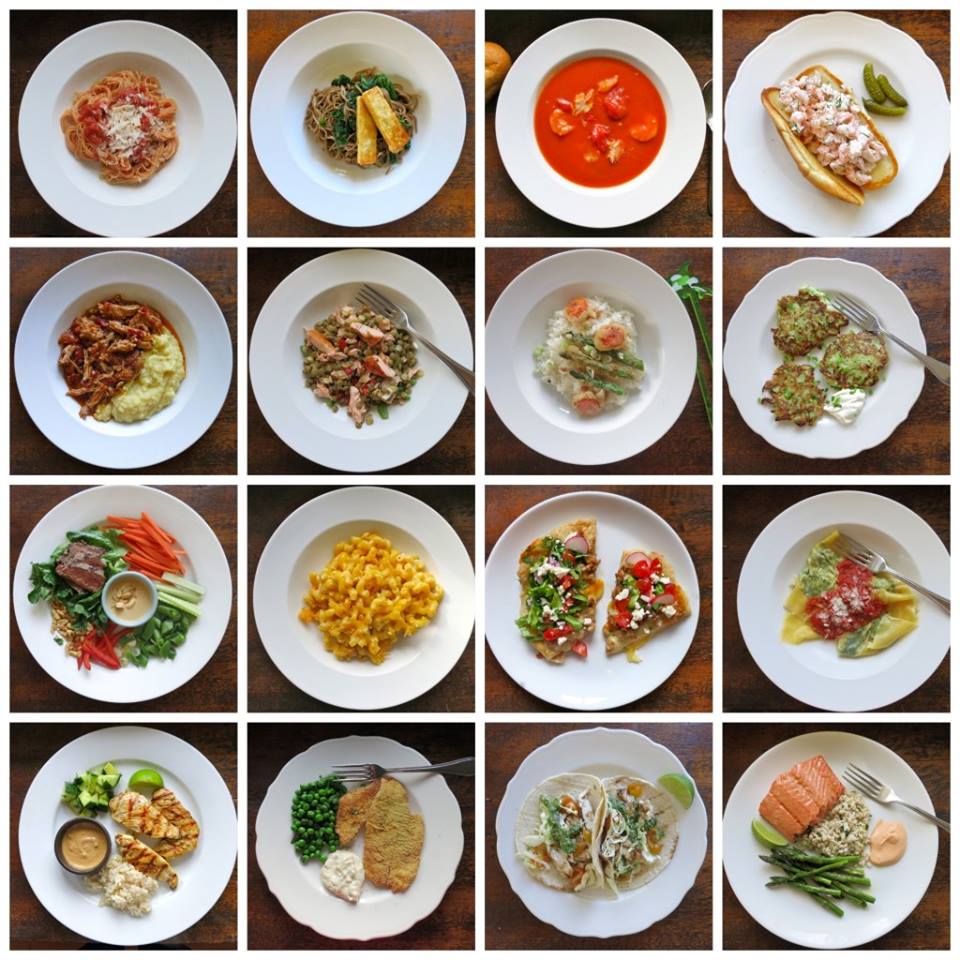
The debate over whether to cook at home or dine out is a classic exercise in determining the value of one’s time. In the niche of personal finance and wealth management, time is often viewed as the most valuable currency. What people eat for dinner is frequently a result of this “Time vs. Money” trade-off.
The Value of Time in a High-Income Household
For a high-earning professional whose hourly rate exceeds $100, spending two hours grocery shopping and cooking a $10 meal might actually be a net loss. In this context, spending $40 on a nutritious, ready-made dinner is a logical financial decision because it frees up time for high-value work or essential rest. This “Opportunity Cost” model explains why dinner habits vary so wildly across different income brackets. What people eat is often a reflection of what their time is worth on the open market.
The Long-Term ROI of Home Cooking
Conversely, for those focused on early retirement or aggressive debt repayment, the “Return on Investment” (ROI) of home cooking is unparalleled. By investing three hours on a Sunday into “meal prepping” the week’s dinners, an individual can reduce their monthly food expenditure by 50% or more. These savings, when redirected into a compound-interest-bearing vehicle like an S&P 500 index fund, can result in hundreds of thousands of dollars in wealth over a 20-year horizon. In this light, a home-cooked dinner of rice and beans isn’t just a meal—it’s a sophisticated investment strategy.
The Rise of “Dinner” as a Side Hustle and Income Stream
Interestingly, the question of what people eat for dinner has created a massive ecosystem for online income and side hustles. The food industry is no longer just about those who eat; it is about those who facilitate the eating.
Monetizing the Dinner Table via Content Creation
The “Money” aspect of dinner has extended into the creator economy. Thousands of individuals have turned their nightly dinner preparations into profitable side hustles via YouTube, TikTok, and food blogs. By documenting “Budget Dinners” or “$5 Meal Challenges,” creators are leveraging the universal need for affordable eating to generate ad revenue, brand sponsorships, and affiliate income. This represents a unique intersection where one’s dinner expense is converted into a business asset.
The Gig Economy and the Distribution of Dinner
On the other side of the transaction are the millions of workers for whom “what people eat for dinner” represents their primary source of income. The gig economy thrives on the dinner rush. For someone looking to diversify their income, delivering dinner has become one of the most accessible side hustles available. This creates a circular economy where one person’s convenience expense becomes another person’s investment capital.
Strategic Financial Planning for the Evening Meal
To truly master the “money” of dinner, one must treat the household kitchen as a small business. This requires strategic planning, inventory management, and a keen eye for market fluctuations.
Bulk Purchasing and the “Cost-per-Unit” Strategy
Savvy consumers treat their dinner supplies like an investment portfolio. Buying non-perishable staples—grains, proteins, oils—in bulk when prices are low is a form of “hedging” against inflation. By lowering the cost-per-unit of their dinner ingredients, they insulate their monthly budget from the volatility of the global food market.
Investing in Kitchen Capital
Finally, the tools of the trade matter. Investing in high-quality “kitchen assets” like an Instant Pot, a high-end chef’s knife, or an air fryer can significantly reduce the desire to dine out. These tools lower the “barrier to entry” for home cooking by reducing prep time and improving the quality of the final product. While the initial capital expenditure might be high, the “payback period” (the time it takes for the savings from not eating out to cover the cost of the appliance) is usually remarkably short.
In conclusion, what people eat for dinner is a profound indicator of their financial philosophy. Whether it is a luxury delivery, a meal-prepped protein bowl, or a budget-friendly pasta dish, every dinner choice is a vote for a specific financial future. By understanding the economic forces at play—from inflation to the value of time—individuals can transform the simple act of eating into a powerful tool for wealth creation and financial independence.
aViewFromTheCave is a participant in the Amazon Services LLC Associates Program, an affiliate advertising program designed to provide a means for sites to earn advertising fees by advertising and linking to Amazon.com. Amazon, the Amazon logo, AmazonSupply, and the AmazonSupply logo are trademarks of Amazon.com, Inc. or its affiliates. As an Amazon Associate we earn affiliate commissions from qualifying purchases.