
The term “opioids” frequently appears in news cycles, often associated with terms like “addiction,” “overdose,” and “crisis.” While these are undeniably critical aspects of the opioid discussion, they represent only a fraction of the complex reality of these substances. To truly understand “what do opioids do,” we need to delve deeper than the headlines, exploring their scientific mechanisms, their legitimate medical applications, and the profound, multifaceted impact they have on individuals, families, and society. This exploration will be framed through the lens of the technological, branding, and financial landscapes, as understanding opioids also requires an appreciation for how information is disseminated, how medical and pharmaceutical brands are perceived, and the economic forces at play.
The Science of Opioids: How They Interact with the Body
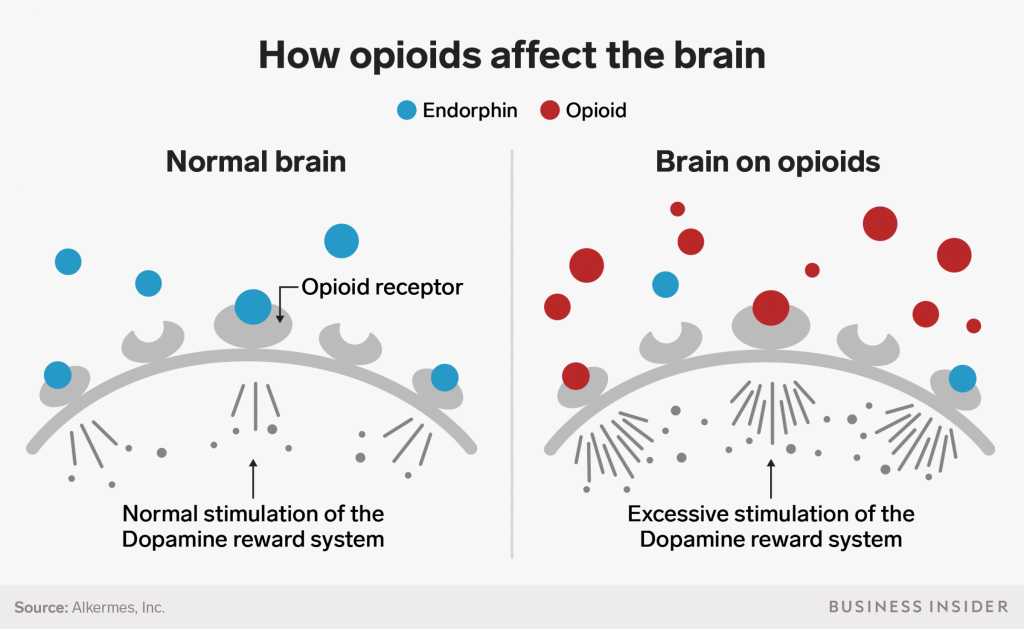
At their core, opioids are a class of drugs that interact with specific receptors in the brain and body, primarily the opioid receptors. These receptors are part of the body’s natural pain management system, and when opioids bind to them, they can significantly alter the perception of pain.
How Opioids Mimic Natural Painkillers
The human body naturally produces its own opioid-like chemicals called endorphins. Endorphins are released in response to pain, stress, and even pleasurable activities, acting as natural analgesics and mood elevators. Opioids, whether derived from natural sources like the opium poppy (e.g., morphine, codeine) or synthesized in laboratories (e.g., oxycodone, fentanyl), have a similar molecular structure to these endorphins. This structural similarity allows them to bind to the same opioid receptors.
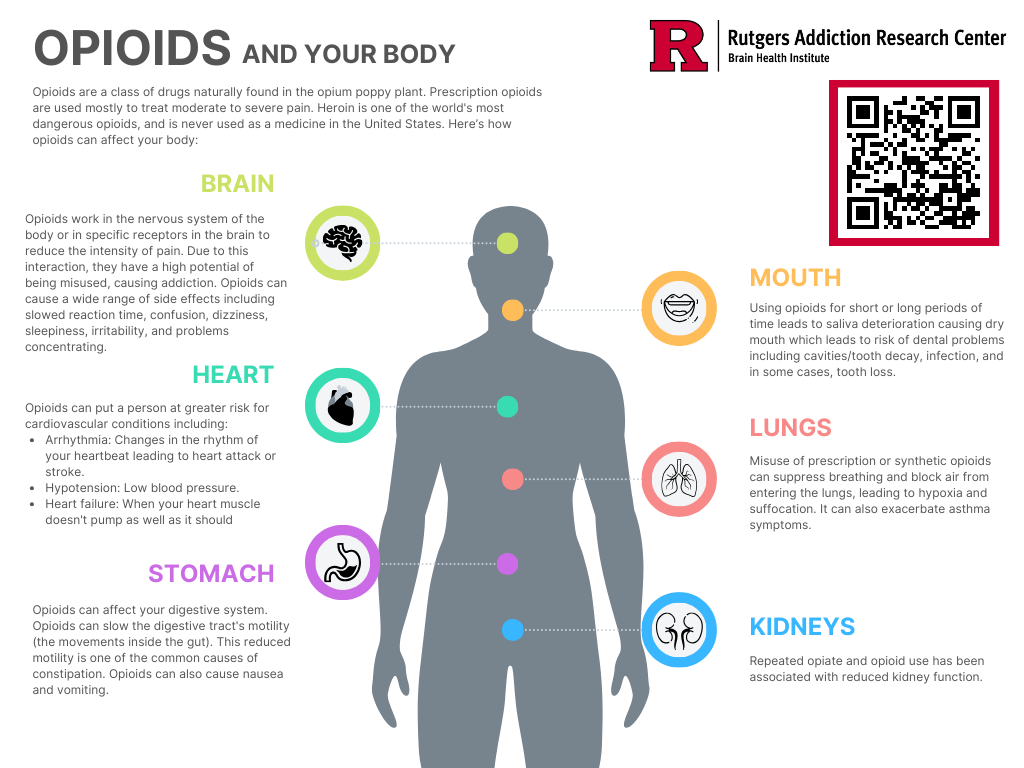
When an opioid enters the bloodstream, it travels to the brain and spinal cord. Upon reaching the opioid receptors, it triggers a cascade of effects. The primary effect is pain relief, or analgesia. Opioids essentially block pain signals from reaching the brain, making individuals less aware of or sensitive to pain. This is why opioids are so effective in managing moderate to severe pain, such as that experienced after surgery, during childbirth, or from chronic conditions.
Beyond pain relief, opioids also affect other parts of the brain, influencing mood and producing feelings of pleasure or euphoria. This reward pathway activation is a key factor in their potential for misuse and addiction. The surge of dopamine associated with opioid use can create a powerful reinforcement loop, encouraging repeated drug-seeking behavior.
Different Types of Opioids and Their Potency
The term “opioid” encompasses a wide range of substances, varying significantly in their origin, potency, and duration of action. Understanding these differences is crucial for appreciating their medical utility and their risks.
- Natural Opioids: These are derived directly from the opium poppy. Morphine, one of the most potent natural opioids, has been used for centuries for pain relief. Codeine is another natural opioid, often found in cough suppressants and milder pain medications.
- Semi-synthetic Opioids: These are created by chemically altering natural opioids. Examples include oxycodone (OxyContin, Percocet), hydrocodone (Vicodin), and hydromorphone (Dilaudid). These drugs are often more potent than their natural precursors.
- Synthetic Opioids: These are entirely man-made and can be designed to be extremely potent. Fentanyl is a prime example. It is significantly more potent than morphine, and even small amounts can be lethal. Other synthetic opioids include tramadol and methadone, which have different pharmacological profiles and are often used in addiction treatment.
The potency of an opioid directly correlates with its potential for both therapeutic benefit and harm. Higher potency opioids can provide more profound pain relief but also carry a greater risk of respiratory depression (slowed breathing), overdose, and addiction. This spectrum of potency underscores the importance of careful prescribing practices and strict monitoring.
The Therapeutic Applications of Opioids: A Medical Necessity
Despite the negative connotations, opioids are indispensable in modern medicine. Their ability to effectively manage pain is crucial for patient recovery, comfort, and quality of life.
Managing Acute Pain: From Surgery to Trauma
Following surgical procedures, patients often experience significant pain. Opioids are frequently prescribed to manage this acute pain, allowing for more comfortable recovery and enabling patients to participate in physical therapy and regain mobility sooner. The judicious use of opioids in the post-operative period is a critical component of pain management protocols.
Similarly, in cases of severe trauma, such as major accidents or injuries, opioids are essential for providing immediate pain relief. This not only alleviates suffering but also helps to stabilize patients and facilitate necessary medical interventions. For individuals suffering from severe burns, for instance, the pain can be excruciating, and opioids are vital for managing their discomfort during wound care and healing.
Addressing Chronic Pain: Balancing Relief and Risk
Chronic pain, defined as pain that lasts for more than three to six months, presents a complex therapeutic challenge. Conditions like arthritis, neuropathy, and back pain can significantly impair a person’s ability to function and enjoy life. In carefully selected cases, and under strict medical supervision, opioids can be a part of a comprehensive pain management plan for chronic pain.
However, the use of opioids for chronic pain is a subject of intense debate and ongoing research. While they can offer relief, the risk of developing tolerance (requiring higher doses for the same effect), physical dependence, and addiction is a significant concern. Therefore, healthcare providers often explore a multimodal approach to chronic pain management, incorporating non-opioid medications, physical therapy, psychological interventions, and lifestyle modifications. The goal is to find the lowest effective dose of opioids, if used at all, for the shortest possible duration, while actively monitoring for side effects and the potential for misuse.
The development of new technologies and data analytics plays a vital role in this complex landscape. Electronic health records (EHRs) and prescription drug monitoring programs (PDMPs) allow healthcare providers and regulatory bodies to track opioid prescriptions, identify potential red flags, and ensure patients are not receiving excessive amounts of medication from multiple sources. This technological integration aims to improve patient safety and mitigate the risks associated with long-term opioid use.
The Dark Side of Opioids: Addiction, Overdose, and Societal Impact
The undeniable effectiveness of opioids in pain management is unfortunately overshadowed by their profound potential for harm when misused or abused. This has led to a public health crisis with devastating consequences.
The Neurobiology of Opioid Addiction
Addiction is a chronic, relapsing brain disease characterized by compulsive drug seeking and use, despite harmful consequences. Opioids are particularly prone to causing addiction due to their powerful effects on the brain’s reward system. As mentioned earlier, repeated exposure to opioids leads to changes in brain chemistry and structure, making it incredibly difficult for individuals to stop using the drug, even if they want to.
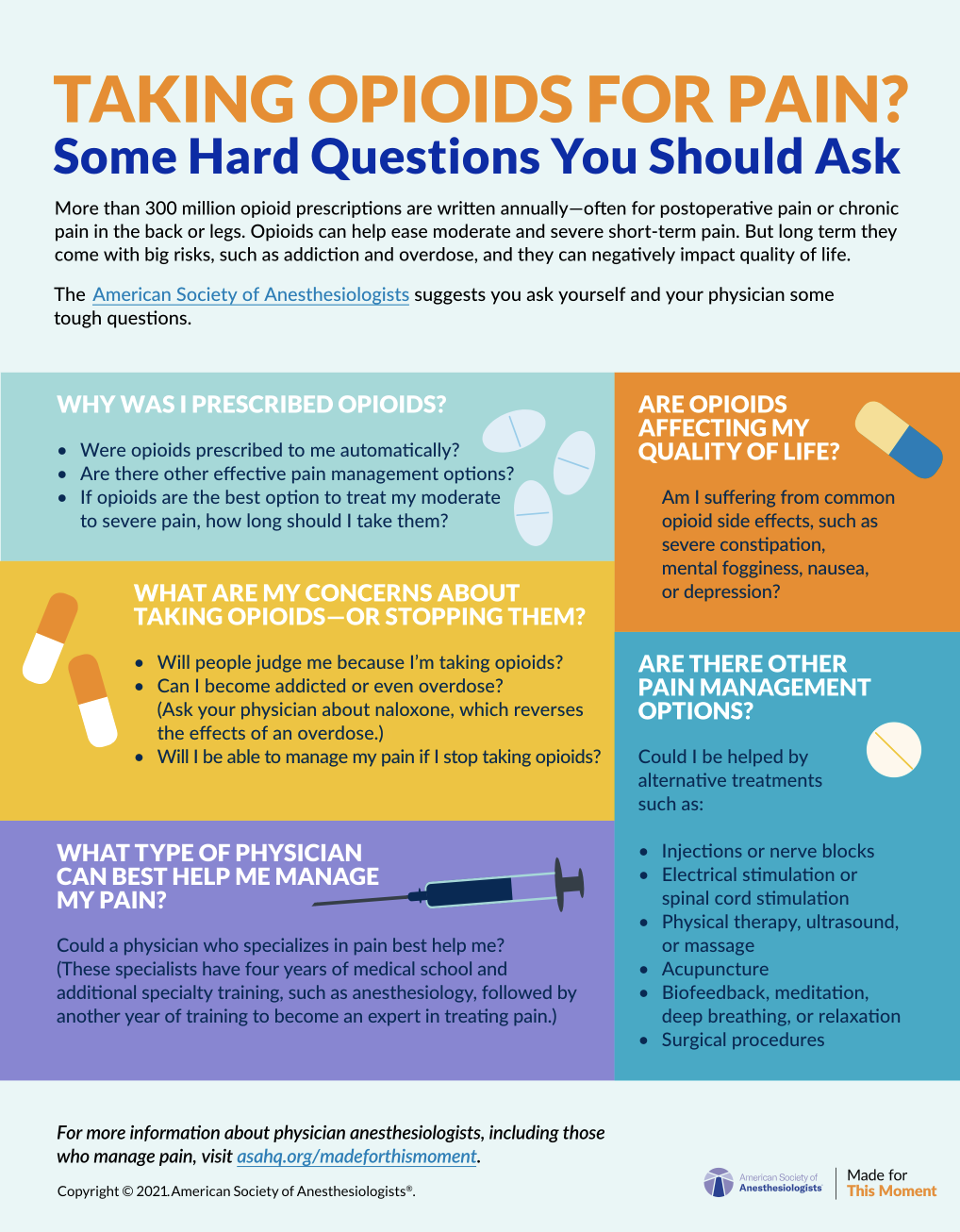
When a person becomes physically dependent on opioids, their body adapts to the presence of the drug. If opioid use is suddenly stopped or reduced, they will experience withdrawal symptoms, which can be intensely uncomfortable and include nausea, vomiting, muscle aches, anxiety, and insomnia. These withdrawal symptoms often drive continued drug use to avoid suffering.
Beyond physical dependence, addiction involves profound psychological changes. Cravings can become overwhelming, and individuals may prioritize obtaining and using the drug over essential needs like food, shelter, and social connections. The pursuit of the drug can consume their lives, leading to the destruction of relationships, careers, and personal well-being.
The Overdose Crisis: A Public Health Emergency
The opioid overdose crisis is a stark testament to the dangers of these substances. Overdoses occur when a person takes more of an opioid than their body can handle, leading to a dangerous slowdown or cessation of breathing. This respiratory depression is the primary cause of death in opioid overdoses.
The rise of potent synthetic opioids like fentanyl has dramatically exacerbated the overdose crisis. These drugs can be mixed into heroin, counterfeit pills, or other illicit substances without the user’s knowledge, making it impossible for them to gauge the dose they are taking. A tiny amount of fentanyl, equivalent to a few grains of salt, can be lethal.
The impact of overdoses is not limited to those who misuse drugs. Families are torn apart, communities suffer from the loss of loved ones, and healthcare systems are strained by the constant influx of overdose victims and individuals seeking treatment. Public health initiatives, harm reduction strategies like naloxone (an opioid overdose reversal medication), and expanded access to addiction treatment are critical in combating this crisis.
Societal and Economic Ramifications
The opioid epidemic has far-reaching societal and economic consequences. The cost of healthcare for addiction treatment, overdose response, and related health issues is enormous. Furthermore, the loss of productivity due to addiction, incarceration, and premature death represents a significant economic burden.
The ripple effects extend to the criminal justice system, social services, and the workforce. Businesses struggle with employee addiction, and the reputation of pharmaceutical companies involved in the marketing and distribution of opioid medications has been severely damaged, leading to numerous lawsuits and regulatory scrutiny.
Branding and Public Perception: Navigating the Opioid Narrative
The way opioids are discussed, marketed, and perceived has a profound impact on public understanding and policy. Pharmaceutical companies have historically employed sophisticated branding and marketing strategies to promote their opioid products. This has included direct-to-consumer advertising and aggressive lobbying efforts, which critics argue contributed to the overprescribing of these medications.
The shift in public perception surrounding opioids has been dramatic. From being hailed as revolutionary pain relievers, they are now largely viewed through the lens of the addiction crisis. This change in branding and narrative has led to increased skepticism of pharmaceutical companies and a demand for greater transparency and accountability.
Technological advancements in data analysis and online information dissemination have also played a role. The internet allows for both the rapid spread of information about opioid risks and the proliferation of misinformation. Understanding what sources are credible and how to critically evaluate information about opioids is paramount in navigating this complex issue. Furthermore, the rise of online support communities and digital health platforms offers new avenues for individuals seeking information and recovery resources, demonstrating how technology can be leveraged for positive change in addressing the opioid crisis.
Moving Forward: A Multifaceted Approach to Opioid Management
Addressing the multifaceted challenges posed by opioids requires a comprehensive and collaborative approach that leverages technology, informed branding, and sound financial policies.
Technological Innovations in Pain Management and Addiction Treatment
Technology offers promising avenues for improving pain management and addiction treatment. Wearable devices and remote monitoring systems can track patient vital signs and adherence to treatment plans, allowing for early intervention if problems arise. AI-powered tools are being developed to personalize pain management strategies and identify individuals at high risk of developing addiction.
In the realm of addiction treatment, telehealth services and mobile apps provide accessible support and resources for individuals in recovery. Digital platforms can connect patients with therapists, support groups, and medication management services, breaking down geographical and logistical barriers to care.
Rebuilding Trust: Ethical Branding in the Pharmaceutical Industry
The opioid crisis has highlighted the critical need for ethical branding and transparent communication within the pharmaceutical industry. Companies must prioritize patient well-being over profit margins and engage in responsible marketing practices. This involves accurately representing the risks and benefits of medications, avoiding misleading claims, and investing in education about safe prescribing and opioid stewardship.
The narrative surrounding pain management needs to evolve, moving away from a solely pharmacological approach to one that emphasizes a holistic understanding of pain, incorporating non-opioid therapies and patient empowerment. Building trust will require a sustained commitment to ethical conduct and a genuine focus on improving patient outcomes.
Financial Implications and Policy Reforms
The economic impact of the opioid crisis necessitates careful financial planning and policy reform. This includes allocating adequate resources for addiction treatment, prevention programs, and research into non-addictive pain therapies. Government policies that regulate opioid prescribing, enforce responsible manufacturing and distribution, and support evidence-based addiction treatment are crucial.
Furthermore, exploring innovative financial models for healthcare delivery, such as value-based care, can incentivize better patient outcomes and more cost-effective pain management. Understanding the financial incentives that have driven opioid prescribing and developing strategies to realign those incentives towards patient safety is paramount.
In conclusion, understanding “what do opioids do” is a complex endeavor. It requires a deep dive into their scientific mechanisms, an appreciation for their legitimate medical uses, and a sober recognition of their devastating potential for harm. By integrating insights from technology, ethical branding, and sound financial principles, society can work towards mitigating the opioid crisis and fostering a future where pain is managed safely and effectively, and where individuals struggling with addiction receive the support and care they deserve.
aViewFromTheCave is a participant in the Amazon Services LLC Associates Program, an affiliate advertising program designed to provide a means for sites to earn advertising fees by advertising and linking to Amazon.com. Amazon, the Amazon logo, AmazonSupply, and the AmazonSupply logo are trademarks of Amazon.com, Inc. or its affiliates. As an Amazon Associate we earn affiliate commissions from qualifying purchases.