
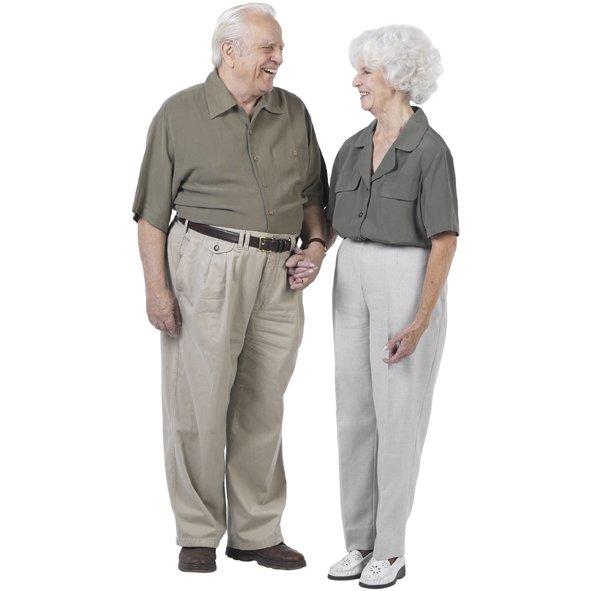
The seemingly simple question, “what do old people wear?”, opens a profound discussion about branding, personal identity, market perception, and strategic design. Far from being a trivial query about fashion trends, it delves into how individuals, particularly mature adults, use apparel to project their personal brand and how commercial brands either successfully or woefully engage with this influential demographic. In an increasingly age-diverse society, understanding the nuances of clothing choices for older adults is critical for brands aiming to build lasting relationships, foster loyalty, and tap into a significant economic force. This exploration moves beyond superficial style guides to examine the strategic implications for personal branding and the evolving landscape of corporate brand engagement with the mature consumer.

The Evolving Personal Brand of the Mature Individual
For mature individuals, clothing is often more than just fabric; it’s a carefully curated aspect of their personal brand, reflecting accumulated experiences, values, and a confident self-awareness. Unlike younger demographics who might be driven by fast fashion trends and peer validation, older adults often leverage their attire to communicate stability, wisdom, and a distinct personal narrative. This shift from transient trends to enduring style is a powerful statement of personal brand maturity.
Beyond Stereotypes: Clothing as a Statement of Identity
The prevailing societal stereotypes often depict older adults as uniform in their style choices, gravitating towards muted colors, loose fits, and purely functional garments. However, this outdated perception fails to acknowledge the vast diversity within the mature demographic. Many older individuals actively resist these stereotypes, using their clothing to assert individuality, vitality, and contemporary relevance. Their personal brand, expressed through their attire, might challenge preconceived notions of aging, demonstrating that style is timeless and adaptable. A sharp suit, a vibrant scarf, or a perfectly tailored dress on an older person can project an image of authority, creativity, or effortless sophistication, meticulously crafting a personal brand that defies ageist pigeonholes. Brands that understand and cater to this desire for individual expression—rather than mass-producing generic “senior wear”—are better positioned to connect authentically.
Comfort, Quality, and Purpose: Redefining Personal Style
While visual appeal remains important, the personal brand of a mature individual often prioritizes comfort, quality, and purpose in their clothing choices. This doesn’t imply a compromise on style, but rather an integration of practical considerations into their aesthetic. High-quality fabrics that are durable and feel good against the skin, ergonomic designs that accommodate changes in mobility, and versatile pieces that transition seamlessly between various social contexts are highly valued. These preferences are not merely functional; they speak to a personal brand that values longevity, sustainability, and a discerning eye for craftsmanship. An older individual’s choice of a cashmere sweater over a synthetic blend, or a bespoke jacket over an off-the-rack item, communicates a personal brand built on an appreciation for enduring value and refined taste, rather than fleeting trends. Brands that embed these principles into their design and marketing — emphasizing lasting quality, thoughtful comfort, and timeless elegance — resonate deeply with this value-driven segment.
Marketing to the Silver Spenders: Brand Strategies for an Overlooked Demographic
The mature consumer market, often dubbed the “silver tsunami,” represents a colossal economic force with significant disposable income and brand loyalty. Yet, many fashion and apparel brands continue to overlook or misrepresent this demographic in their marketing strategies. Understanding “what old people wear” from a brand perspective means recognizing their unique purchasing power, motivations, and the profound impact of authentic representation.
Bridging the Generational Gap in Fashion Marketing
Traditional fashion marketing often focuses heavily on youth, creating campaigns that alienate older consumers by either ignoring them entirely or portraying them in anachronistic ways. This creates a significant gap between what brands offer and what mature consumers are looking for. Successful brand strategies for this demographic require a fundamental shift: embracing age diversity in campaigns, featuring realistic and aspirational images of older adults, and designing product lines that genuinely meet their needs without sacrificing style. Brands like L.L.Bean or Eileen Fisher have historically appealed to this segment by emphasizing quality, comfort, and timeless design, subtly building brand loyalty over decades. More contemporary brands are beginning to recognize this by showcasing older models in their advertising, thus creating a brand narrative that feels inclusive and respectful, rather than exclusionary or patronizing. Bridging this gap involves understanding that mature individuals are not a monolithic group but a diverse collection of tastes, lifestyles, and economic capabilities, all of whom seek brands that speak to their lived experiences.
Authenticity and Representation: Crafting Brand Narratives
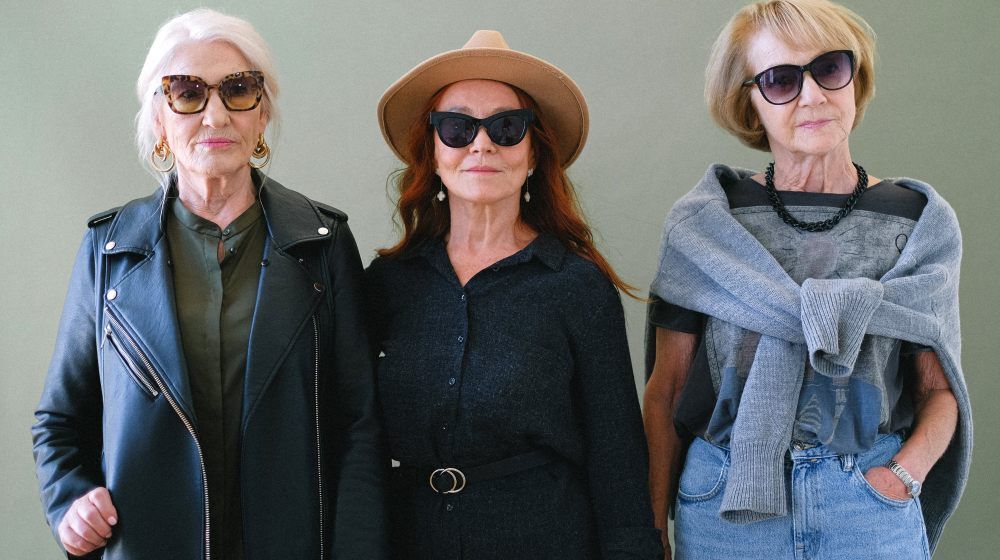
The mature consumer is highly discerning and sensitive to inauthentic marketing. Brands that attempt to “youth-wash” their older models or employ marketing language that patronizes or stereotypes them will likely fail. Authenticity in brand narratives is paramount. This means featuring older individuals in diverse, active, and fulfilling roles that reflect the reality of modern aging. It’s about showing them traveling, pursuing hobbies, engaging with family, working, and enjoying life, dressed in apparel that complements their lifestyle rather than restricting it. Furthermore, brands must consider the channels through which they reach this audience. While digital adoption among older adults is growing, traditional media, community events, and word-of-mouth still hold significant sway. Crafting brand narratives that resonate requires understanding not just what older people wear, but how they live and what truly matters to them, translating these insights into compelling, respectful, and genuinely appealing brand stories.
Design Principles and Brand Innovation for Ageless Apparel
Beyond marketing, the core of addressing “what old people wear” lies in thoughtful product design and brand innovation. This involves a commitment to creating apparel that transcends age-specific labels, focusing instead on universal design principles that prioritize comfort, functionality, and timeless style without compromising on aesthetic appeal.
Functionality Meets Style: Engineering for the Mature Body
The physiological changes associated with aging—such as reduced flexibility, changes in skin sensitivity, and varying body shapes—present unique design challenges and opportunities. Innovative brands are embracing these factors not as limitations, but as guides for superior design. This includes features like easily accessible closures (magnets instead of tiny buttons), stretch fabrics that allow for freedom of movement without sacrificing structure, adaptive designs that accommodate medical devices discreetly, and waistbands that are comfortable for extended wear. These are not merely functional additions; they are sophisticated design choices that enhance the wearer’s experience and contribute to a brand’s reputation for empathy and ingenuity. For example, a brand that engineers trousers with a comfortable, non-restrictive waistband that also maintains a sharp silhouette elevates its value proposition significantly, signaling a deep understanding of its target audience’s needs and a commitment to thoughtful design.
Sustainable Practices and Legacy Brands: Value-Driven Choices
Mature consumers, often having lived through periods of scarcity and valuing durability, are frequently more inclined towards sustainable and ethically produced garments. They appreciate brands that offer quality items designed to last, reducing the need for constant replacement. This alignment with sustainable practices, timeless design, and ethical manufacturing appeals to a personal brand that prioritizes legacy, responsibility, and conscious consumption. Brands that embody these values—using eco-friendly materials, ensuring fair labor practices, and offering repair services—can build deep trust and loyalty within this demographic. The concept of “legacy brands” often resonates because it implies established quality and a heritage of craftsmanship, mirroring the mature consumer’s own life journey and accumulated wisdom. When “old people wear” a brand, it often signifies a deliberate choice based on a brand’s reputation, ethical stance, and a promise of enduring quality.
The Future of Fashion Branding for an Aging Population
The conversation around “what do old people wear?” is dynamic and evolving. As global populations continue to age, the significance of catering to this demographic will only intensify. The future of fashion branding for older adults lies in hyper-personalization, digital integration, and fostering genuine community.
Customization and Personalization: The Bespoke Experience
The desire for clothing that perfectly fits an individual’s unique body and style preferences grows with age. Brands that invest in customization and personalization technologies—from virtual try-ons to made-to-measure services—will gain a significant competitive edge. Imagine a brand offering custom-tailored trousers where the wearer can specify length, rise, and even pocket placement, accommodating individual needs while ensuring a flattering fit. This bespoke approach reinforces the idea of clothing as an extension of one’s personal brand, reflecting individual taste rather than mass-market trends. Such services cater to a demographic that appreciates attention to detail and a tailored experience, moving beyond the limitations of standard sizing to offer truly unique and comfortable garments.
Digital Engagement and Community Building
While often perceived as less digitally savvy, many older adults are active online, engaging with social media, e-commerce, and digital communities. Brands have an immense opportunity to connect with this demographic through targeted digital marketing, online styling sessions, and virtual communities where mature individuals can share style tips, feedback, and connect with like-minded peers. Building online spaces where older adults feel seen, valued, and understood can transform a transactional relationship into a vibrant brand community. This approach allows brands to gather valuable insights, iterate on designs, and foster a sense of belonging, turning the question of “what old people wear” into a collaborative and empowering dialogue about ageless style and identity.
aViewFromTheCave is a participant in the Amazon Services LLC Associates Program, an affiliate advertising program designed to provide a means for sites to earn advertising fees by advertising and linking to Amazon.com. Amazon, the Amazon logo, AmazonSupply, and the AmazonSupply logo are trademarks of Amazon.com, Inc. or its affiliates. As an Amazon Associate we earn affiliate commissions from qualifying purchases.