
In the world of consumer hardware, we are accustomed to analyzing the specifications of our smartphones, laptops, and wearables. We look for RAM capacity, processor clock speeds, and sensor resolutions. Yet, one of the most vital pieces of technology many of us interact with daily is often overlooked in its technical complexity: our prescription eyewear.
When you look at the inner temple of a pair of glasses, you will find a series of embossed numbers—typically three sets separated by small squares or dashes. These are not merely inventory codes or serial numbers; they are the fundamental engineering specifications that dictate the device’s optical performance, structural integrity, and ergonomic fit. In this deep dive into optical technology, we will explore what these numbers mean and how they represent the intersection of physics, precision manufacturing, and digital innovation.
The Geometry of Vision: Understanding Frame Dimensions as Engineering Specs
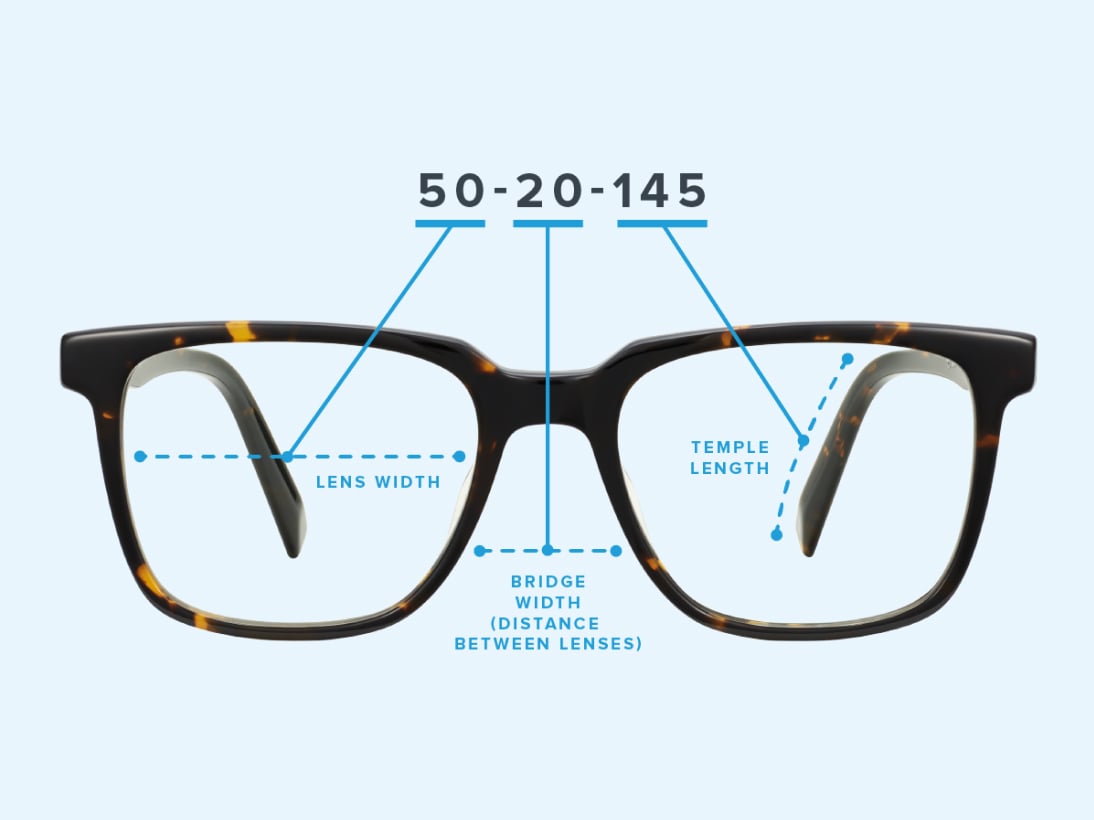
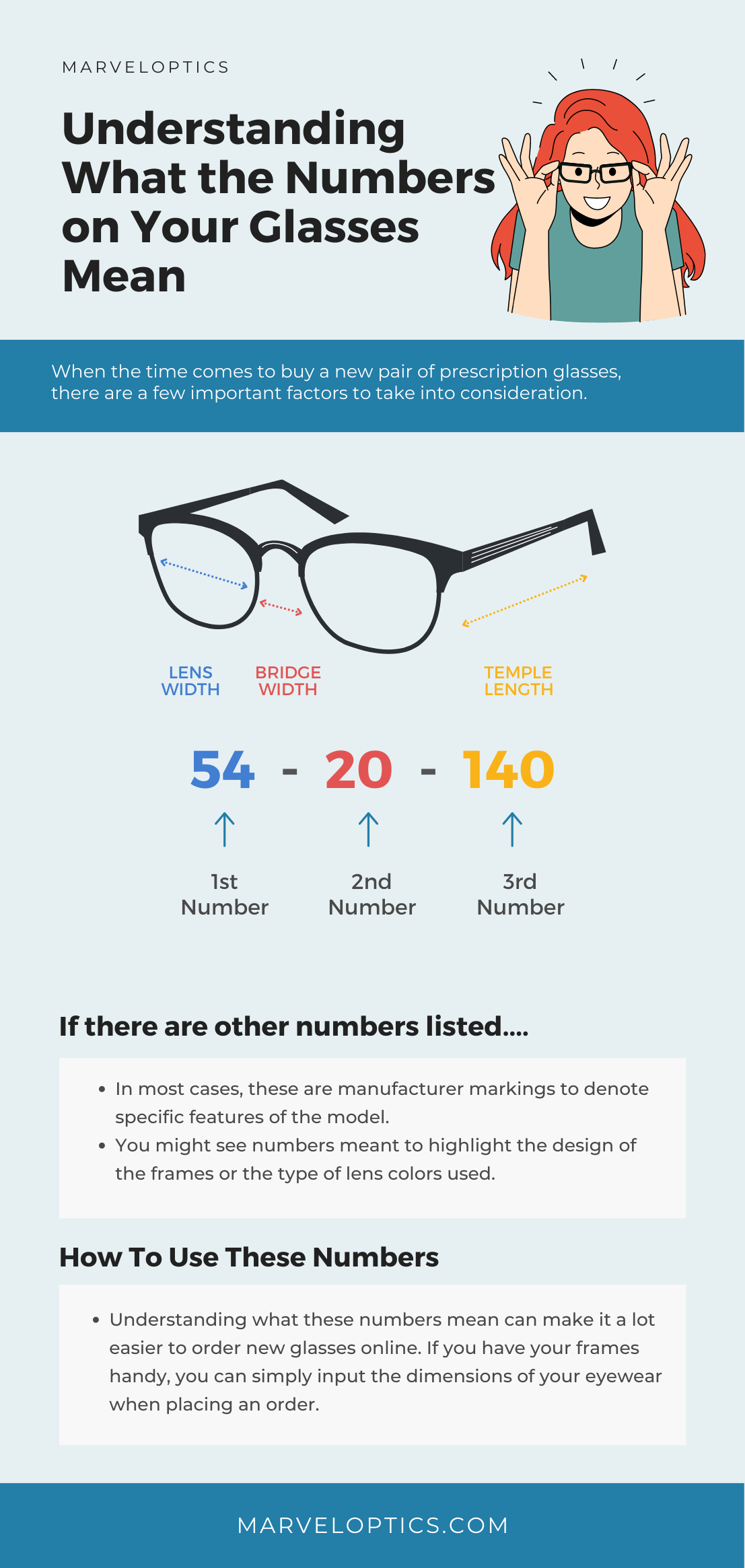
At its core, a pair of glasses is a precision-engineered frame designed to hold two optical processors—the lenses—at a fixed distance and angle from the human eye. To achieve visual clarity, the alignment must be near-perfect. The numbers on your glasses (for example, 52-18-140) represent the hardware’s physical dimensions in millimeters.
Lens Width and the Field of View
The first number in the sequence refers to the lens width. In technical terms, this is the horizontal diameter of one lens at its widest point. From an engineering standpoint, the lens width determines the “aperture” through which the user views the world. A larger lens width provides a wider peripheral field of view but introduces challenges in lens thickness and weight distribution. For high-index digital lenses, the lens width must be calculated precisely to ensure that the optical center of the lens aligns with the user’s pupil, minimizing chromatic aberration at the edges of the frame.
The Bridge Gap: Optimizing Structural Stability
The second number represents the bridge width, the distance between the two lenses across the nose. This is perhaps the most critical mechanical specification for comfort. In the tech world, we might compare this to the “port spacing” on a device; it dictates how the hardware interfaces with the human user. If the bridge is too narrow, the frame sits too high, disrupting the focal point; if it is too wide, the device lacks stability. Modern eyewear manufacturers utilize 3D scanning and anthropometric data to determine standard bridge widths that accommodate the widest possible demographic of facial structures.
Temple Length and Ergonomic Balance
The final number in the sequence is the temple length—the measurement of the arms from the hinge to the tip. This dimension is crucial for the ergonomic balance of the device. Since high-quality lenses can be heavy, the temple length must be sufficient to distribute the weight across the ears and the side of the head. This prevents “front-heaviness,” a common failure in poorly engineered eyewear that leads to the device slipping down the nose.
From Analog to Digital: How Advanced Manufacturing Processes Utilize These Metrics
The transition from traditional eyewear to modern “smart” frames has transformed how these numbers are utilized. In the past, these measurements were used by opticians for manual adjustments. Today, they are the baseline data points for Computer-Aided Design (CAD) and Computer-Aided Manufacturing (CAM).
CNC Machining and Precision Milling
Most high-end frames, whether made from acetate, titanium, or carbon fiber, are produced using CNC (Computer Numerical Control) machines. The numbers on the glasses serve as the primary coordinates for these machines. When a manufacturer designs a new frame, the technical specifications are programmed into the software to ensure that every millisecond of the milling process adheres to the exact geometry required for lens retention. The “groove” inside the frame, which holds the lens in place, must be carved with micron-level precision to ensure a “tension fit” that prevents the lens from popping out under thermal expansion.
Digital Surfacing: The High-Tech Approach to Lens Personalization
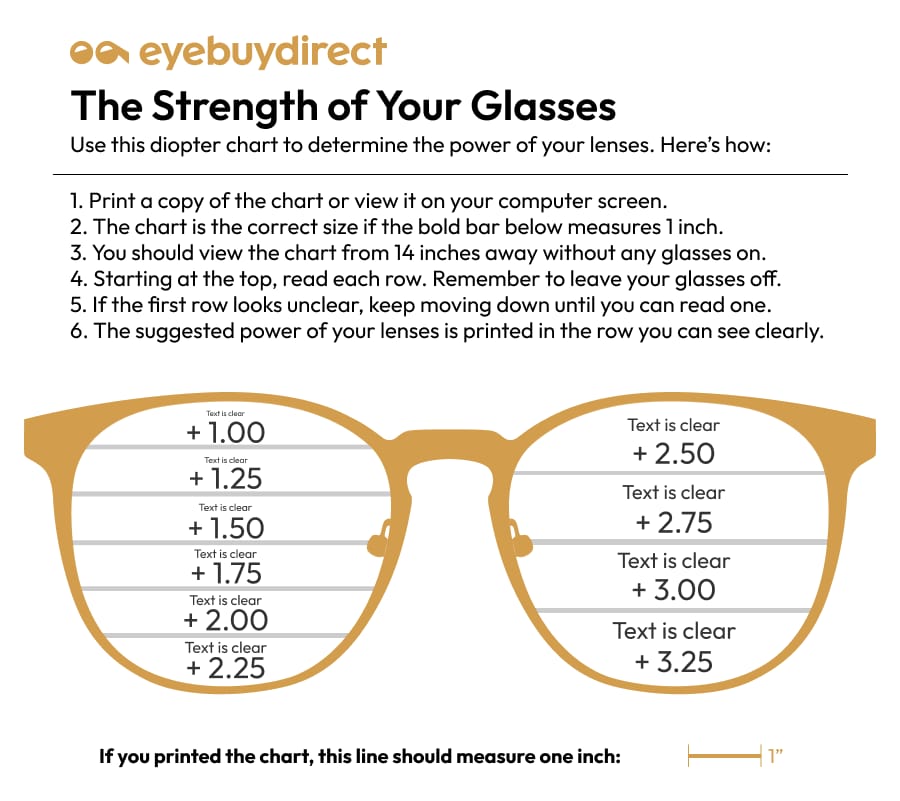
The numbers on the frame are also vital for the “Digital Surfacing” of lenses. Unlike traditional molded lenses, digital lenses are “surfaced” using point-file technology. This involves a diamond-point generator that cuts the prescription into the back surface of the lens at a resolution of 0.01 diopters. To do this accurately, the software must know the exact dimensions of the frame (the numbers) to calculate the “wrap angle” and “pantoscopic tilt.” By integrating the frame’s physical specs with the user’s prescription, manufacturers can create a customized optical experience that eliminates the distortion often found in non-digital lenses.
The Evolution of Smart Eyewear: When Measurements Meet Microcircuits
As we move into the era of Augmented Reality (AR) and smart glasses (such as the Ray-Ban Meta or Xreal Air), the numbers on the frames have taken on even greater technical significance. In these devices, the frame is no longer just a lens holder; it is a chassis for a computer.
Integrating Sensors into Standard Frame Dimensions
Engineers face a massive challenge in smart eyewear: how to fit batteries, PCB boards, speakers, and cameras into a frame that still adheres to standard optical measurements (like a 145mm temple length). In smart glasses, the “temple length” number is often slightly longer or thicker to accommodate high-density lithium-ion batteries. The challenge is maintaining the center of gravity. If the electronic components make the temples too heavy, the glasses will not stay on the face. Thus, the numbers on the glasses represent a delicate trade-off between battery life and wearable ergonomics.
The Challenge of Heat Dissipation in Technical Frames
In high-performance computing, heat is the enemy. When a pair of smart glasses is processing video or running AR overlays, the internal components generate heat. Because these devices sit directly against the skin, the “bridge width” and “temple length” are engineered with thermal dissipation in mind. Some high-tech frames use the metal components of the hinges as heat sinks. Understanding the physical dimensions allows engineers to calculate the surface area available for cooling, ensuring that the device remains within safe operating temperatures for the user.
Data-Driven Fitting: The Role of AI and Computer Vision in Modern Dispensing
The way we use the numbers on glasses is also being revolutionized by Artificial Intelligence (AI) and Computer Vision. We are moving away from the “trial and error” method of trying on physical frames to a data-first approach.
Virtual Try-On Algorithms
Modern e-commerce platforms for eyewear utilize sophisticated Computer Vision algorithms to “read” a user’s face through a smartphone camera. By establishing a scale (often by using a standard credit card as a reference for size), the software calculates the user’s pupillary distance (PD) and facial width. It then maps these measurements against the numbers on various frames in its database. This ensures that the virtual “render” of the glasses is proportionally accurate to the real-world product, reducing the high return rates associated with online optical retail.
3D Facial Mapping and Custom Frame Fabrication
Some tech-forward companies are now offering 3D-printed frames. Instead of picking a frame with a set 52-18-140 measurement, a 3D scanner takes 30,000 data points of the user’s face. This data is then used to generate a unique set of numbers specific to that individual. The result is a bespoke piece of hardware that offers a perfect fit, optimized for the exact bridge structure and ear position of the user. This represents the “ultimate spec”—eyewear where the numbers are no longer standardized but personalized.
Future Outlook: The Intersection of Optical Physics and Wearable Tech
The numbers on your glasses are more than just a size guide; they are the legacy of decades of optical physics and the blueprint for the future of wearable technology. As we look forward, these measurements will become even more integrated into our digital ecosystems.
In the near future, we may see glasses where the “numbers” include data on wireless protocol compatibility, sensor arrays, or display resolution. However, the fundamental geometry—the lens width, bridge, and temple—will remain the foundation. Whether you are wearing a simple pair of reading glasses or the latest head-mounted display, these technical specifications ensure that the hardware performs its most basic, yet most important function: providing a clear, comfortable interface between the human brain and the visual world.
Understanding these numbers allows us to appreciate eyewear not as a fashion accessory, but as a sophisticated tool. In an age where we obsess over the specifications of our pocket-sized screens, it is only fitting that we apply the same technical scrutiny to the screens that sit right in front of our eyes. Precision, after all, is the difference between a blurry image and a high-definition life.
aViewFromTheCave is a participant in the Amazon Services LLC Associates Program, an affiliate advertising program designed to provide a means for sites to earn advertising fees by advertising and linking to Amazon.com. Amazon, the Amazon logo, AmazonSupply, and the AmazonSupply logo are trademarks of Amazon.com, Inc. or its affiliates. As an Amazon Associate we earn affiliate commissions from qualifying purchases.