
Understanding the cryptic markings on your tires is more than just a matter of automotive trivia; it’s a fundamental aspect of vehicle maintenance, safety, and even performance optimization. For the discerning vehicle owner, deciphering these numbers unlocks a wealth of information that directly impacts how your car handles, its fuel efficiency, and its overall longevity. In the realm of automotive technology, these seemingly arbitrary digits represent a sophisticated system of standardization designed to ensure compatibility, inform purchasing decisions, and facilitate precise engineering.
The Foundation: Understanding Tire Dimensions
The first step in demystifying tire size lies in understanding the core dimensions that define it. These primary numbers provide a universal language for tire manufacturers and consumers alike, ensuring that a tire designed for a specific vehicle application will, in theory, fit and function correctly.
Tire Width: The First Numerical Clue
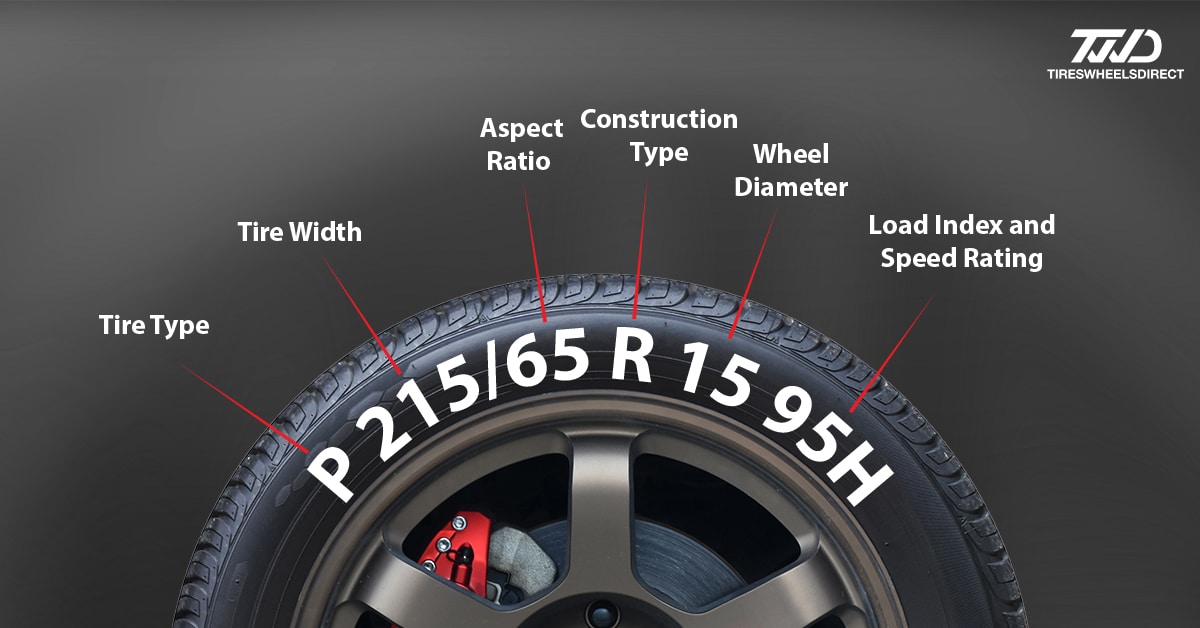
The initial number in a tire size designation, such as the “205” in “205/55R16,” represents the tire’s nominal width in millimeters. This measurement is taken from the sidewall to sidewall at its widest point. A larger number indicates a wider tire, which can have several implications. Wider tires generally offer a larger contact patch with the road surface. This increased contact area can translate to improved grip and traction, particularly during cornering and braking. For performance-oriented vehicles, wider tires are often a deliberate engineering choice to enhance handling capabilities. However, it’s not always a case of “bigger is better.” A wider tire can also contribute to increased rolling resistance, potentially leading to slightly reduced fuel economy. The precise width is a critical design parameter, directly influencing how the tire interacts with the road and the vehicle’s suspension system.
Aspect Ratio: The Sidewall’s Story
Following the width, you’ll find a two-digit number representing the tire’s aspect ratio, expressed as a percentage. In our example of “205/55R16,” the “55” signifies that the tire’s sidewall height is 55% of its width. This is a crucial indicator of the tire’s profile. A lower aspect ratio (e.g., 45, 40, or even 35) denotes a “low-profile” tire, characterized by a shorter sidewall. Low-profile tires typically offer sharper steering response and more direct road feel because there’s less sidewall flex. This is a common feature in sports cars and performance vehicles where agile handling is paramount. Conversely, a higher aspect ratio (e.g., 65, 70, or 75) means a taller, more substantial sidewall. Taller sidewalls provide a more comfortable ride by absorbing more road imperfections and shock. They also offer greater cushioning, which can be beneficial for off-road applications or for vehicles prioritizing passenger comfort. The aspect ratio is a fundamental determinant of the tire’s overall diameter, in conjunction with its rim size, and plays a significant role in the vehicle’s ride quality and handling characteristics.
Rim Diameter: The Foundation for Fitment
The final numerical component in the common tire size designation, such as the “16” in “205/55R16,” indicates the diameter of the wheel (or rim) that the tire is designed to fit, measured in inches. This is a non-negotiable dimension. A tire with a 16-inch aspect ratio is specifically engineered to mount onto a 16-inch diameter wheel. Attempting to fit a tire onto a rim of the incorrect diameter is not only impossible but also incredibly dangerous. This number is critical for ensuring proper tire-to-wheel sealing, preventing the tire from separating from the rim under load, and maintaining the structural integrity of the entire wheel-tire assembly. The rim diameter, along with the tire’s width and aspect ratio, dictates the overall outside diameter of the tire, which in turn affects the vehicle’s speedometer readings, odometer accuracy, and the clearance between the tire and various chassis components.
Beyond the Basics: Decoding Additional Markings
While the primary numerical sequence provides the fundamental dimensions, a tire’s sidewall is a treasure trove of additional technical information, crucial for understanding its performance capabilities and limitations.
Radial Construction: The “R” Indicator
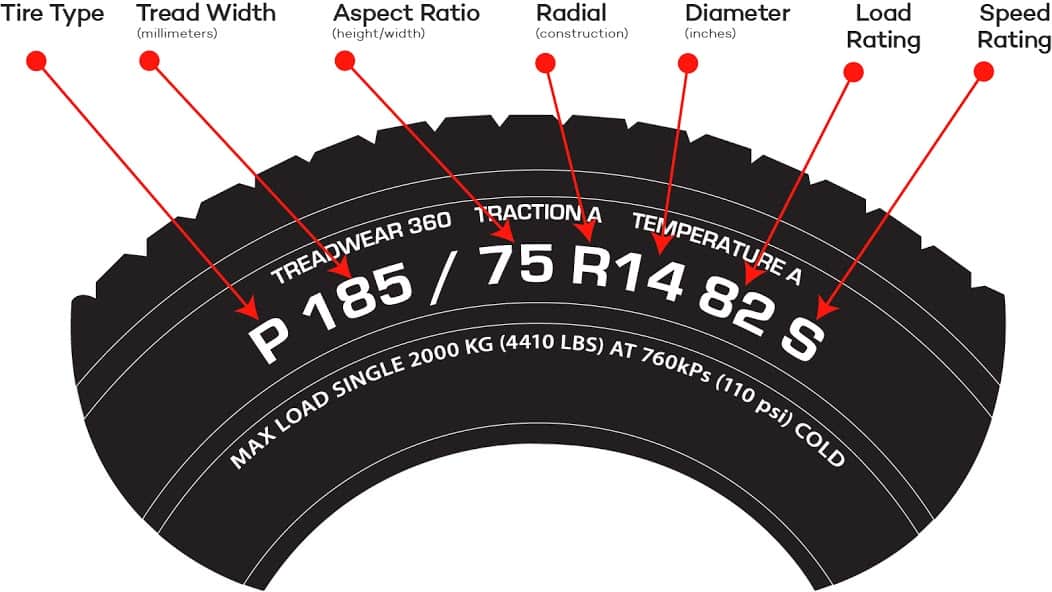
The letter preceding the rim diameter, most commonly “R,” denotes the tire’s construction type. In the vast majority of modern passenger vehicles, this “R” stands for “Radial.” Radial tires have their internal plies (layers of fabric or steel cords) running radially across the tire, from bead to bead. These plies are then often reinforced by a cap ply that runs circumferentially around the tire, under the tread. This construction offers several advantages over older bias-ply designs, including improved fuel efficiency due to lower rolling resistance, better handling and cornering stability, and a more comfortable ride. Other construction types, such as “B” for Bias-ply, are rarely encountered on new passenger cars today but may be found on some older vehicles or specialized equipment. Understanding the construction type helps in appreciating the tire’s inherent design philosophies and performance characteristics.
Load Index: The Tire’s Weight-Carrying Capacity
Following the rim diameter, you’ll typically find a two or three-digit number, such as “91” in “205/55R16 91.” This is the load index, a numerical code that corresponds to the maximum weight each individual tire can safely support when properly inflated. This is a critical safety feature. Each load index number has a specific weight equivalent, which can be found in lookup tables provided by tire manufacturers and regulatory bodies. For instance, a load index of 91 typically corresponds to a maximum load of 615 kilograms (approximately 1,356 pounds) per tire. Exceeding a tire’s load index rating can lead to tire failure, overheating, and a serious risk of an accident. Vehicles are designed with specific load capacities, and the tires fitted must be capable of supporting at least that weight. It’s crucial to replace tires with ones that have a load index equal to or greater than the original equipment specifications.
Speed Rating: How Fast Can It Go Safely?
The final character in a standard tire size designation is typically a letter, such as “V” in “205/55R16 91V.” This is the speed rating, an alphabetic code indicating the maximum speed at which the tire can safely carry its designated load. Like the load index, the speed rating is a critical safety parameter. Each letter corresponds to a specific maximum speed. For example, “H” might represent 210 km/h (130 mph), while “V” could be 240 km/h (149 mph), and “Y” might be as high as 300 km/h (186 mph). Tire manufacturers test tires to these speed ratings under controlled conditions. Driving at speeds exceeding a tire’s rated speed can lead to excessive heat buildup, tire deformation, and potential failure. While most everyday driving rarely reaches these limits, the speed rating is a vital consideration for performance vehicles, long-distance highway driving, or in regions where higher speed limits are common. It’s essential to match or exceed the original equipment speed rating when replacing tires, especially if the vehicle is designed for higher speeds.
The Technological Significance of Tire Markings
The standardized system of tire sizing is a testament to the advanced engineering and technological integration within the automotive industry. These markings are not arbitrary; they are the product of extensive research, development, and rigorous testing designed to ensure safety, performance, and compatibility across a vast array of vehicles and driving conditions.
Ensuring Interoperability and Safety Standards
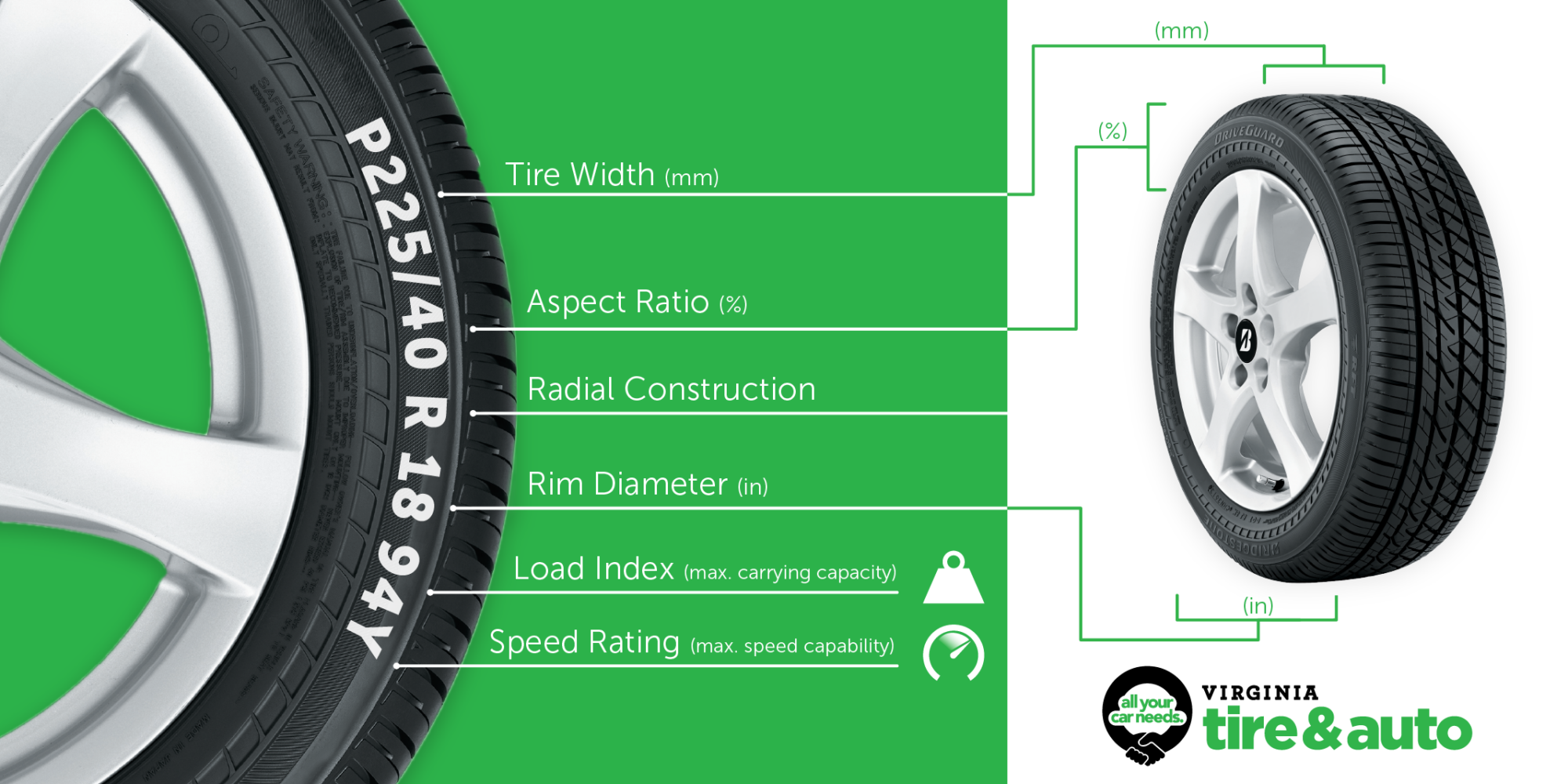
The primary technological purpose of tire size designations is to guarantee interoperability and adherence to global safety standards. When a vehicle manufacturer specifies a particular tire size, they are relying on this standardized nomenclature to ensure that any tire bearing that designation will fit the vehicle’s wheels and suspension geometry correctly. This prevents the widespread chaos that would ensue if every tire manufacturer used unique, proprietary sizing systems. The load index and speed rating further reinforce safety, providing clear, quantifiable limits that, when respected, prevent tire failure due to overload or excessive speed. This standardization is a cornerstone of automotive safety, allowing for consistent performance and predictable behavior across different tire brands and models that conform to the same specifications. It empowers consumers to make informed choices, knowing that a tire labeled “P205/55R16 91V” will have a defined set of characteristics and capabilities relevant to their vehicle.
Performance Optimization and Vehicle Dynamics
Beyond basic fitment and safety, tire size plays a profound role in vehicle dynamics and performance optimization. Engineers meticulously select tire dimensions to complement a vehicle’s suspension, braking system, and intended use. The width of the tire influences the size of the contact patch, directly impacting grip levels. The aspect ratio dictates the sidewall’s flexibility, affecting steering responsiveness, ride comfort, and the tire’s ability to absorb road irregularities. The overall diameter of the tire also influences the vehicle’s gearing, speedometer accuracy, and even the effectiveness of its anti-lock braking and stability control systems. For instance, a performance car might be equipped with wider, lower-profile tires to maximize cornering grip, while an SUV designed for off-road capability would feature narrower tires with a higher aspect ratio for better ground clearance and a more compliant ride over rough terrain. The precise interplay of these dimensions, as communicated through the tire size markings, allows for the fine-tuning of a vehicle’s handling characteristics, braking performance, and overall driving experience. This technological sophistication ensures that the tire, a single point of contact between the vehicle and the road, functions as an integral component in the complex system of automotive engineering.
aViewFromTheCave is a participant in the Amazon Services LLC Associates Program, an affiliate advertising program designed to provide a means for sites to earn advertising fees by advertising and linking to Amazon.com. Amazon, the Amazon logo, AmazonSupply, and the AmazonSupply logo are trademarks of Amazon.com, Inc. or its affiliates. As an Amazon Associate we earn affiliate commissions from qualifying purchases.