
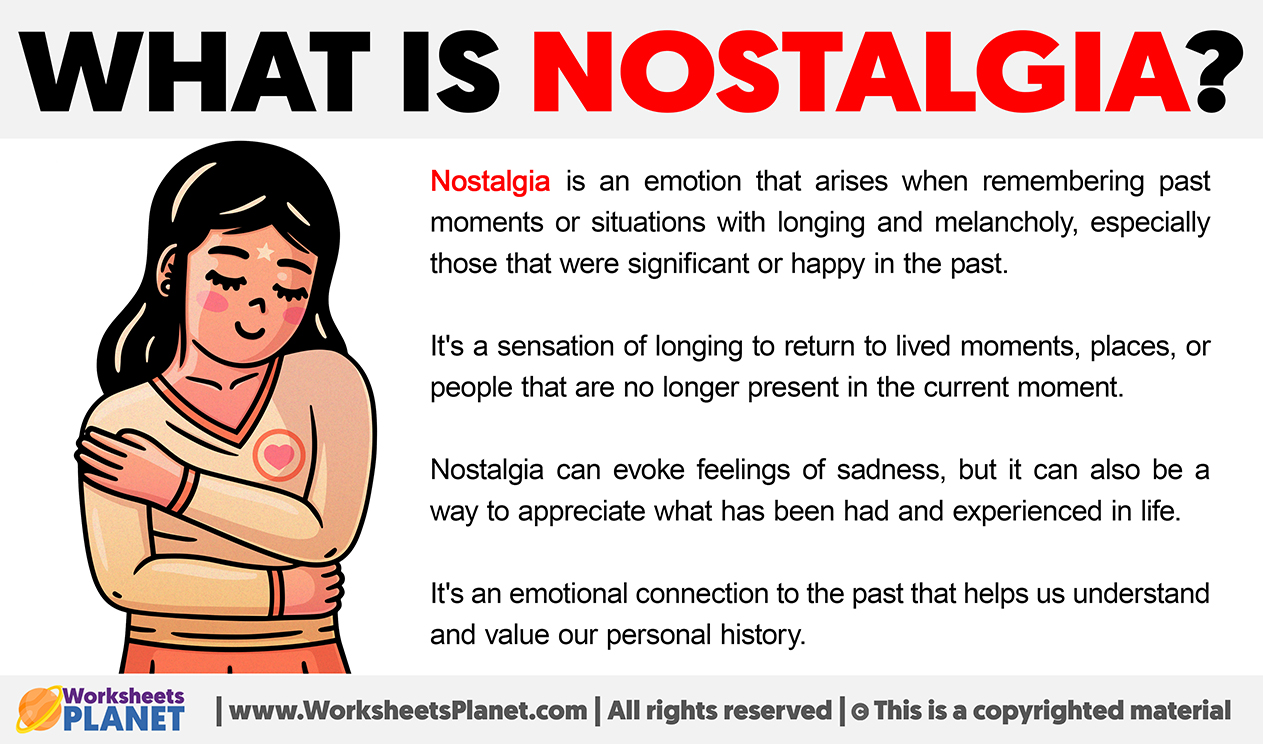
In the rapidly evolving landscape of global commerce, where “newness” and “disruption” are often treated as the ultimate goals, a powerful counter-current has emerged: nostalgia. While the dictionary defines nostalgia as a sentimental longing for the past, in the world of professional brand strategy, its meaning is far more complex and lucrative. For a brand, nostalgia isn’t just a trip down memory lane; it is a sophisticated marketing tool used to forge deep emotional connections, establish immediate trust, and navigate the uncertainties of the modern market.
To understand what nostalgia means in a brand context, we must look beyond the aesthetics of retro logos and vintage packaging. It is an emotional infrastructure that allows companies to bridge the gap between their heritage and their future. This article explores how nostalgia functions as a cornerstone of brand identity, its psychological impact on consumer behavior, and how strategic “newstalgia” is redefining brand loyalty in the digital age.

The Anatomy of Nostalgia in Brand Identity
In branding, nostalgia is the strategic deployment of familiar cues to evoke a sense of comfort and security. When a brand asks, “What does nostalgia mean for us?” they are essentially asking how they can tap into the collective memory of their audience to bypass the skepticism often directed at modern advertising.
Defining the “Nostalgia Loop” in Marketing
The “nostalgia loop” is a branding cycle where a company revisits its own history to reinforce its current market position. This isn’t merely about recycling old ideas; it’s about identifying the core values that made the brand successful in the first place and translating them for a contemporary audience. For legacy brands like Polaroid or Levi’s, nostalgia means “authenticity.” By highlighting their long history, they signal to the consumer that they have survived the test of time, which is a powerful differentiator in a “disposable” economy.
The Psychology of Consumer Connection
Psychologically, nostalgia serves as an emotional anchor. Research in consumer behavior suggests that when individuals feel nostalgic, they are more likely to spend money and value social connection over financial gain. For a brand strategist, this means that nostalgia is a shortcut to “Brand Love.” By tapping into a consumer’s “Golden Age”—whether that’s the 1990s for Millennials or the early 2000s for Gen Z—brands can evoke the feelings of safety and simplicity associated with those eras. This emotional resonance creates a halo effect, where the positive feelings of the past are transferred directly to the modern product.
Anemoia: Targeting the “Nostalgia for a Time Never Known”
A fascinating sub-niche in brand strategy is “anemoia”—the longing for a period one never actually lived through. We see this in Gen Z’s obsession with film photography and Y2K fashion. For brands, this means nostalgia isn’t limited to older demographics. A brand can project a “vintage” identity to younger consumers to provide a sense of groundedness and “analog” soul in an increasingly digital and AI-driven world.
Strategic Implementation: How Brands Leverage the Past to Build the Future
Knowing what nostalgia means is only half the battle; the real value lies in its implementation. Successful brands do not simply copy-paste their 1980s catalogs. Instead, they use nostalgia as a lens through which they view innovation.
Visual Aesthetics and Retro Branding
Visual identity is the most immediate way to signal nostalgia. This involves the use of “heritage” color palettes—muted tones, warm oranges, or neon pastels—and typography that recalls specific decades. Think of Burger King’s recent rebrand, which returned to a minimalist, 1970s-inspired logo. By doing this, the brand signaled a return to “real food” and simplicity, effectively using nostalgia to distance itself from the “over-processed” image of modern fast food.
Reviving Heritage Products for Modern Audiences
Product revival is a high-stakes brand strategy. When a company brings back a “vaulted” item, it creates a sense of scarcity and exclusivity. However, the meaning of nostalgia here is “reimagination.” The product must look and feel like the original but function according to modern standards. Nintendo’s “Classic Mini” consoles are a masterclass in this: they provide the exact visual and tactile experience of the 1980s but utilize HDMI connections and digital storage. They sold a feeling, not just a piece of hardware.
Storytelling and Brand Narratives
Nostalgia is most potent when it is woven into the brand narrative. This involves using storytelling to connect the brand’s origin story with the consumer’s personal history. Brands like Coca-Cola or Disney don’t just sell products; they sell the memory of family gatherings and childhood wonder. In this context, nostalgia means “continuity.” It tells the consumer, “The world has changed, but we are still here, and we still stand for the same things.”
Newstalgia: The Bridge Between Innovation and Tradition
A critical term for modern brand managers is “Newstalgia.” This is the perfect blend of something old and something new. It allows a brand to feel familiar enough to be trusted, yet innovative enough to be relevant.
Blending High-Tech with High-Touch
In the tech-heavy brand landscape, “high-touch” elements are becoming a luxury. Newstalgia allows brands to offer the efficiency of modern technology with the emotional warmth of the past. For example, high-end electric vehicle manufacturers are increasingly using “retro-futurism” in their designs. They provide the carbon-neutral technology of 2024 but use interior materials and dashboard layouts that evoke the classic luxury of the 1960s. This helps consumers transition to new technologies by giving them a familiar psychological “handhold.”
Case Studies in Successful Modernization
Consider the resurgence of vinyl records. For a brand like Sony or Audio-Technica, the “meaning” of nostalgia in this sector is a response to digital fatigue. They are marketing an intentional, physical experience. Similarly, fashion houses like Gucci and Coach have seen massive success by digging into their archives to reissue “archival” bags. These products command a premium because they possess “provenance”—a history that new, “fast fashion” brands cannot replicate.
Social Media and the Viral Power of the Past
Nostalgia is highly “shareable.” On platforms like TikTok and Instagram, nostalgic content drives massive engagement. Brands that understand this use “throwback” campaigns to encourage user-generated content. By asking followers to share their own memories of a brand, the company moves from being a corporate entity to a participant in the consumer’s personal life story.
The Economic and Emotional ROI of Nostalgic Branding
The ultimate goal of any brand strategy is to drive growth and sustainability. Nostalgia offers a unique Return on Investment (ROI) because it addresses both the balance sheet and the brand’s emotional equity.
Building Long-Term Loyalty in a Fickle Market
In an era of low brand loyalty, where consumers can switch to a competitor with a single click, nostalgia acts as a “stickiness” factor. It is much harder for a consumer to abandon a brand that is tied to their identity or their childhood. When nostalgia is used correctly, it creates a “moat” around the brand. Competitors can copy features and prices, but they cannot copy the 50 years of shared history a consumer has with a legacy brand.
Mitigating Risks: When Nostalgia Feels Outdated
The danger of a nostalgia-based brand strategy is the risk of becoming a “museum piece.” If a brand leans too heavily on the past without offering modern utility, it becomes irrelevant. To avoid this, brand managers must ensure that nostalgia is used to enhance the current value proposition, not replace it. The goal is to be “timeless,” not “stuck.” A brand must ask: “Does this vintage aesthetic serve a purpose today, or are we just afraid of the future?”
Lowering Customer Acquisition Costs (CAC)
Nostalgia can significantly lower the cost of acquiring customers. Familiarity breeds favorability. When a brand launches a nostalgic campaign, it doesn’t have to spend as much effort explaining “who” they are. The consumer already knows. This pre-existing brand awareness allows marketing budgets to be focused on conversion rather than basic introduction, making the entire funnel more efficient.
Future-Proofing Brands Through Emotional Resonance
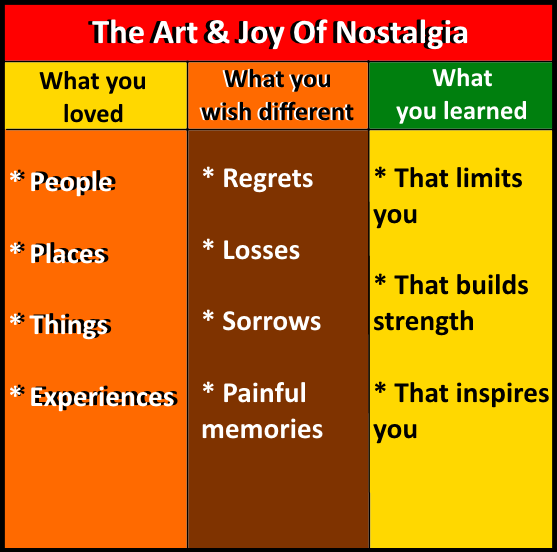
As we look toward the future, the meaning of nostalgia in branding will only grow in significance. In a world increasingly dominated by intangible digital assets and artificial intelligence, the human craving for something “real” and “remembered” will become a premium commodity.
A professional brand strategy that embraces nostalgia is not an admission that a company’s best days are behind it. Rather, it is a sophisticated acknowledgement that human emotions are the ultimate drivers of the economy. By understanding that nostalgia means “safety,” “identity,” and “trust,” brands can create a roadmap that honors their heritage while aggressively pursuing innovation.
In conclusion, “what nostalgia means” is the ability to turn the past into a renewable energy source for the future. Whether it is through a logo that recalls a simpler time, a product that brings back a cherished memory, or a narrative that connects generations, nostalgia is the bridge that allows brands to remain relevant in a world that never stops changing. Strategic nostalgia is, ultimately, the art of staying the same so that you can change everything else.
aViewFromTheCave is a participant in the Amazon Services LLC Associates Program, an affiliate advertising program designed to provide a means for sites to earn advertising fees by advertising and linking to Amazon.com. Amazon, the Amazon logo, AmazonSupply, and the AmazonSupply logo are trademarks of Amazon.com, Inc. or its affiliates. As an Amazon Associate we earn affiliate commissions from qualifying purchases.