
For global brands, the holiday season represents the most lucrative marketing window of the year. However, as consumer demographics shift and become increasingly multicultural, the traditional “one-size-fits-all” approach to festive advertising is proving outdated. Understanding how Muslim consumers navigate the Christmas season—not necessarily as a religious observation, but as a socio-economic phenomenon—is a critical component of modern brand strategy. By analyzing the intersection of cultural identity and holiday commerce, businesses can develop more inclusive, resonant, and profitable campaigns.
The Cultural Context of Holiday Participation
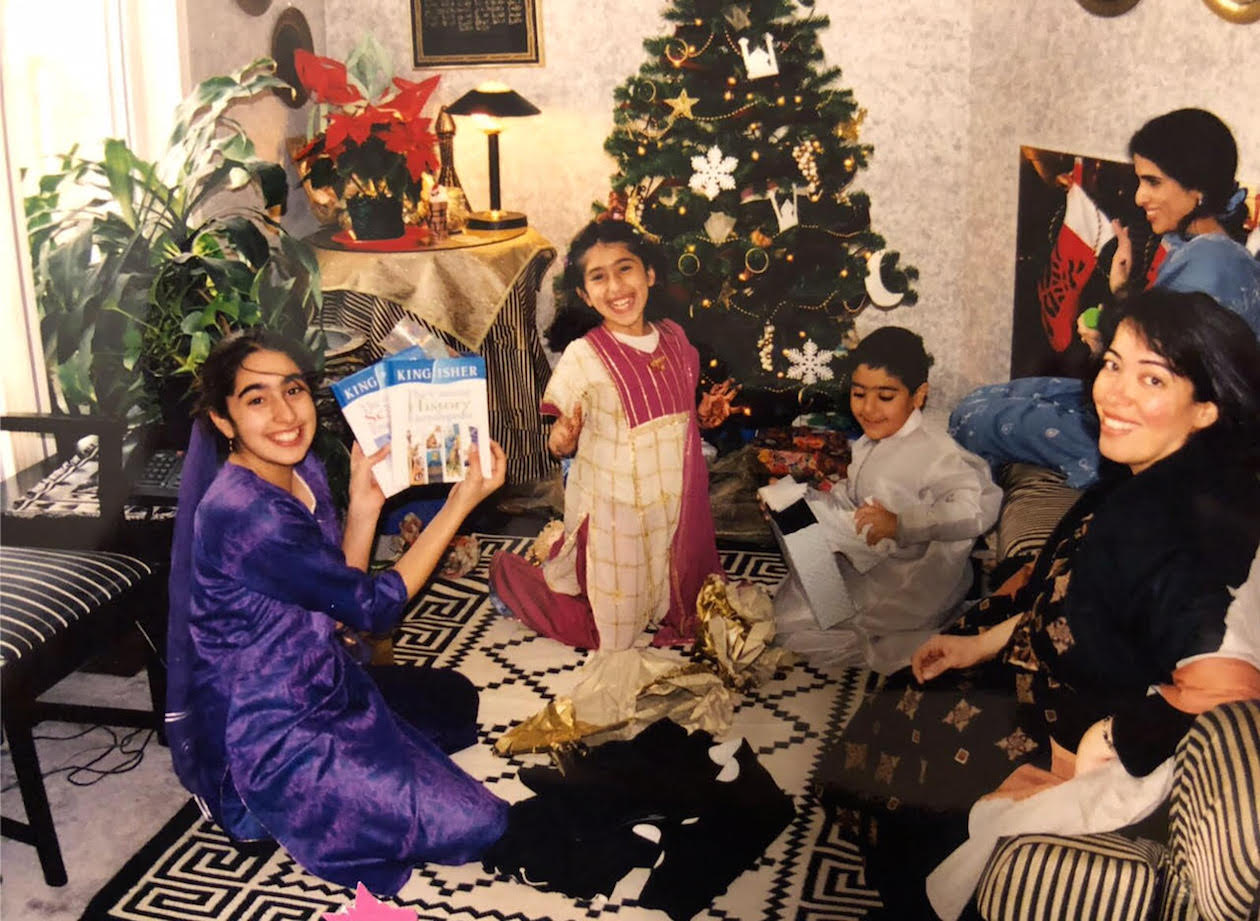
For the global Muslim community, Christmas is a complex intersection of theological boundaries and cultural integration. While Muslims do not celebrate the birth of Jesus in the traditional liturgical or religious sense, they hold Isa (Jesus) in high regard as a prophet of Islam. Consequently, for many Muslims living in Western countries, the “Christmas season” is experienced less as a religious event and more as a period of national holidays, family gathering, and seasonal shopping.
Separating Tradition from Theology
From a brand perspective, it is vital to distinguish between religious observance and social participation. Many Muslim families utilize the end-of-year public holidays to enjoy communal experiences—shopping for gifts during retail sales, participating in office parties, or engaging in charitable efforts. When a brand fails to recognize this distinction, they risk alienating a demographic that is actively engaging with the economy during these months but may feel excluded by marketing that is exclusively rooted in Christian imagery.
The Rise of the “Inclusive Consumer”
The modern Muslim consumer is not looking for religious validation from brands during December; they are looking for inclusion. They are active participants in the modern festive economy. Brands that pivot their messaging toward themes of “giving,” “gratitude,” “winter togetherness,” and “seasonal kindness” find a much higher resonance with Muslim audiences than those that lean heavily on religious iconography. This shift is not just about sensitivity; it is a fundamental pillar of brand equity in a globalized market.
Strategic Marketing During the December Window
When brands develop their Q4 strategy, the goal is often to capture the widest possible share of the holiday wallet. Data shows that households that do not celebrate Christmas still participate in the retail cycle—buying technology, clothing, home goods, and travel services. A brand strategy that remains siloed in traditional festive tropes misses out on a significant market segment.
Moving Beyond the “Holiday Neutral” Trope
Many brands fall into the trap of using “Happy Holidays” as a catch-all, believing it solves the issue of inclusivity. While linguistic changes are a start, they are rarely enough. True strategic inclusion involves visual and narrative representation. If a brand’s Christmas campaign features a diverse cast of families—including those who may not be traditional Christians—it validates the reality of the consumer base. When a Muslim customer sees themselves reflected in a brand’s aesthetic, they are more likely to foster brand loyalty.

Leveraging the “Off-Season” Growth
A segment of the Muslim market may not participate in the gift-giving ritual of December 25th, but they are often highly attentive to the major retail sales that occur during this time. Strategic marketing that targets “End of Year Sales” or “Winter Shopping Events” rather than “Christmas Gift Guides” captures this demographic without compromising the brand’s core message. By positioning products as “value-driven” or “lifestyle-enhancing,” brands can maintain consistent engagement across all segments, effectively bridging the gap between holiday celebrants and non-celebrants.
Navigating Corporate Identity and Social Responsibility
Corporate identity is not static; it evolves alongside the society in which a company operates. Today, a brand’s position on diversity, equity, and inclusion (DEI) is closely watched by stakeholders and consumers alike. How a company handles the December period is often used as a litmus test for how genuine their commitment to inclusion truly is.
Authenticity vs. Tokenism
There is a distinct difference between performative inclusion and genuine brand strategy. Tokenism—such as adding a generic “diverse” character to a commercial without understanding the cultural context—often backfires. Authentic brand strategy requires internal research. By understanding that many Muslim consumers appreciate the festive season as a time for family, charity (Sadaqah), and reflection, brands can craft narratives that align with these values rather than forcing a religious narrative that feels alien.
Aligning Values with Consumer Narratives
The most successful brands are those that find common ground. Christmas, at its core, is celebrated by many as a time of charity and giving. These are universal virtues that align perfectly with Islamic principles. A brand that launches a Q4 campaign focusing on giving back to the community, supporting underprivileged families, or promoting environmental sustainability will find that their messaging transcends religious boundaries. By focusing on values rather than religious symbols, brands can build a cohesive identity that invites, rather than excludes, their Muslim consumer base.
The Economic Implications of Inclusive Design
From a financial standpoint, the cost of being exclusive is becoming increasingly apparent. In the digital age, a brand’s reputation is built through social media interaction, influencer partnerships, and user-generated content. If a brand ignores a significant portion of its demographic, it creates a void that competitors are all too happy to fill.
Digital Strategy and Multi-Cultural Targeting
Digital marketing allows for granular targeting. A brand can run a “Holiday Sale” campaign with different creative assets for different segments. One segment might receive messaging focused on the traditional celebration, while another receives messaging focused on the “Year End Sale” or “Winter Lifestyle.” This level of sophistication in brand strategy is no longer a luxury; it is a necessity for companies competing for market share in a diverse landscape.

Future-Proofing the Brand
The next generation of consumers—Gen Z and Gen Alpha—is the most diverse in history. Their brand loyalty is inextricably linked to their perception of a company’s inclusivity. A brand that struggles to communicate with diverse demographics today will find it significantly harder to capture the loyalty of the next generation tomorrow. By taking a proactive approach to how they frame the December season, companies are not just managing their current marketing—they are future-proofing their entire brand strategy.
Ultimately, the question of what Muslims do at Christmas is a window into the broader evolution of the global marketplace. As barriers to communication fall, and as brands operate on a more global, interconnected stage, the necessity for a nuanced, inclusive strategy becomes clear. It is not about diluting the meaning of Christmas for those who celebrate it; it is about expanding the narrative to include the diverse reality of the customers who support the brand year-round. By focusing on shared values, inclusive visual storytelling, and a clear distinction between religious observance and seasonal commerce, brands can foster deeper, more meaningful connections that resonate far beyond the month of December. This is not just good politics; it is the future of sustainable, high-performing brand management.
aViewFromTheCave is a participant in the Amazon Services LLC Associates Program, an affiliate advertising program designed to provide a means for sites to earn advertising fees by advertising and linking to Amazon.com. Amazon, the Amazon logo, AmazonSupply, and the AmazonSupply logo are trademarks of Amazon.com, Inc. or its affiliates. As an Amazon Associate we earn affiliate commissions from qualifying purchases.