
The term “linemen” can conjure up images of burly figures scaling utility poles, sparks flying, and the vital work of keeping our lights on. While this is a crucial aspect of their role, the scope of what linemen do extends far beyond this singular image. In the context of the modern technological landscape, the question “what do linemen do” takes on a broader, more encompassing meaning, touching upon the essential infrastructure that powers our digital lives. This article will delve into the multifaceted world of linemen, exploring their critical functions within the Tech niche, focusing on the technological infrastructure they maintain and the innovations shaping their profession.

The Backbone of Connectivity: Powering the Digital Age
Linemen are the unsung heroes of our interconnected world. Their work directly impacts our ability to communicate, work, learn, and entertain ourselves. Without their diligent efforts, the seamless flow of data and electricity that underpins our modern society would cease to function.
Powering the Grid: From Generation to Consumption
At its core, the lineman’s role is to ensure the reliable delivery of electrical power. This journey begins at the generation source – be it a power plant, a solar farm, or a wind turbine – and extends through a complex network of transmission and distribution lines to reach homes, businesses, and critical technological infrastructure.
Transmission and Distribution Infrastructure
Linemen are responsible for the installation, maintenance, and repair of high-voltage transmission lines that carry electricity over long distances and lower-voltage distribution lines that bring power to local communities. This involves working with a variety of equipment, including insulators, transformers, circuit breakers, and conductors. They must understand the principles of electrical engineering and physics to safely and effectively manage these systems.
Substation Operations and Maintenance
Substations are critical nodes in the electrical grid, where voltage levels are transformed to make power more manageable for different stages of distribution. Linemen play a vital role in maintaining these substations, ensuring that transformers, switchgear, and other equipment are functioning optimally. This often involves inspecting for wear and tear, performing routine maintenance, and responding to any malfunctions that could disrupt power flow.
The Unseen Infrastructure: Fiber Optic and Telecommunications
Beyond the electrical grid, the concept of “linemen” has expanded to include those who work with the physical infrastructure of telecommunications, particularly fiber optic cables. As our reliance on high-speed internet and mobile communication grows, these linemen are just as crucial to our technological well-being.
Laying the Digital Highways: Fiber Optic Cable Installation
Fiber optic linemen are responsible for deploying the physical pathways for the internet. This involves burying cables underground, stringing them on poles (often alongside electrical lines), and connecting them to network hubs and end-users. Their work is the bedrock of high-speed broadband, 5G networks, and the cloud computing that powers so much of our digital experience.
Maintaining the Data Flow: Telecommunications Network Upkeep
Just like their electrical counterparts, fiber optic linemen perform regular maintenance on telecommunications networks. This includes inspecting cables for damage from weather, construction, or accidents, splicing fiber optic strands to repair breaks, and ensuring that connections are secure and performing at optimal speeds. Any disruption in these lines can have widespread consequences, impacting businesses, financial markets, and personal communication.
Essential Skills and Technologies in the Lineman Profession
The work of a lineman is demanding, requiring a unique blend of physical prowess, technical expertise, and an unwavering commitment to safety. The profession is also increasingly influenced by technological advancements.
Safety First: A Paramount Concern
Working with high voltages and at significant heights presents inherent risks. Safety protocols are paramount, and linemen undergo rigorous training to mitigate these dangers. This includes proper use of personal protective equipment (PPE), understanding of electrical hazards, and adherence to strict work procedures.
Personal Protective Equipment (PPE) and Safety Gear
Linemen utilize specialized gear designed to protect them from electrical shock, falls, and environmental hazards. This includes flame-resistant clothing, insulated gloves and boots, hard hats, safety harnesses, and fall arrest systems. Understanding the proper use and limitations of this equipment is a fundamental aspect of their training.
Risk Assessment and Hazard Mitigation
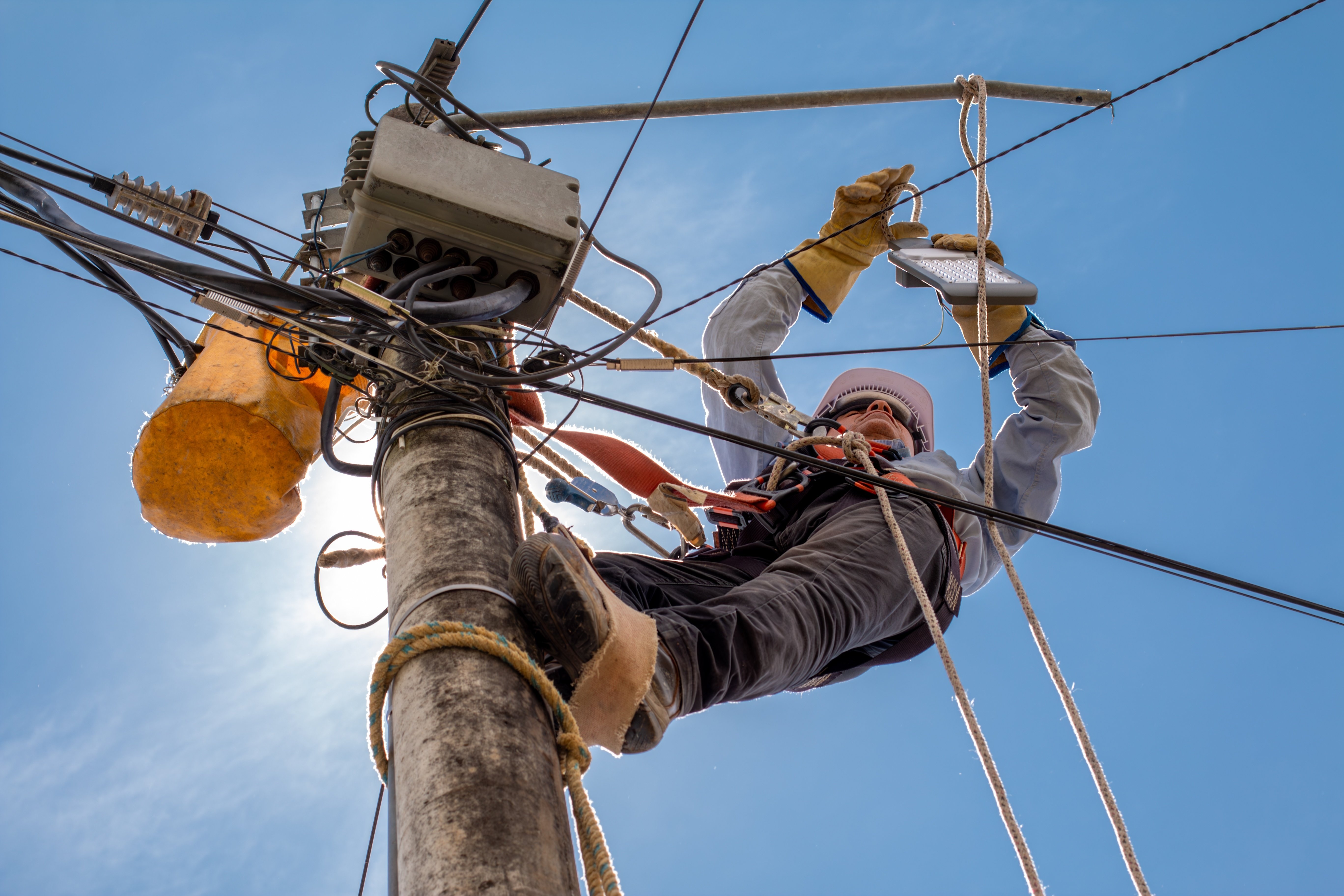
Before undertaking any work, linemen must conduct thorough risk assessments to identify potential hazards. This involves evaluating the work environment, the equipment involved, and the potential for electrical or physical danger. Based on this assessment, they implement mitigation strategies to ensure the safety of themselves and their colleagues.
Embracing Technological Advancements
The lineman profession is not static; it’s evolving with the integration of new technologies that enhance efficiency, safety, and data collection.
Advanced Diagnostic Tools and Monitoring Systems
Modern linemen are equipped with sophisticated diagnostic tools to monitor the health of the electrical and telecommunications networks. This includes infrared cameras to detect hot spots in electrical equipment, specialized testers to measure signal strength and identify faults in fiber optic cables, and remote monitoring systems that provide real-time data on network performance.
Drones and Robotics in Infrastructure Inspection
Drones are increasingly being utilized for inspections of power lines and telecommunications infrastructure, especially in remote or hard-to-reach areas. These unmanned aerial vehicles can capture high-resolution imagery and thermal data, allowing linemen to identify potential issues without having to physically ascend poles or towers. Robotics are also being explored for tasks such as cable pulling and repair in hazardous environments.
Smart Grid and IoT Integration
The development of smart grids and the Internet of Things (IoT) is transforming the role of linemen. Smart grids incorporate sensors and communication technologies that allow for better monitoring, control, and automation of the electrical network. Linemen are involved in installing and maintaining these smart devices, which enable features like remote diagnostics, predictive maintenance, and faster restoration of power after outages.
The Future of Linemen: Adapting to Evolving Technologies
The demands placed upon linemen are constantly shifting as our technological needs grow and change. The future of the profession will be defined by a continued adaptation to new energy sources, evolving communication standards, and the increasing complexity of interconnected systems.
Renewable Energy Infrastructure and the Grid
The transition to renewable energy sources like solar and wind power presents new challenges and opportunities for linemen. They are increasingly involved in the installation and maintenance of infrastructure connected to these distributed energy resources, which can be geographically dispersed and have different operational characteristics than traditional power sources.
Integration of Solar and Wind Power Farms
Linemen are responsible for connecting solar farms and wind turbines to the main electrical grid. This involves installing and maintaining the associated substations, transmission lines, and control systems that manage the flow of power from these renewable sources.
Battery Storage and Grid Stability
As renewable energy sources are intermittent, battery storage systems are becoming essential for grid stability. Linemen will play a crucial role in the installation and maintenance of these large-scale battery arrays, ensuring they can effectively store and discharge energy to balance supply and demand.
The Expansion of 5G and Beyond
The rollout of 5G technology and the development of future wireless communication standards require significant investment in new infrastructure. This directly impacts the work of telecommunications linemen.
Fiber Optic Backbone for 5G Networks
5G networks rely heavily on a robust fiber optic backbone to support the increased data speeds and capacity they offer. Linemen are critical in deploying this fiber infrastructure, ensuring that cell towers and base stations are adequately connected.
Maintenance and Upgrades for Evolving Wireless Technologies
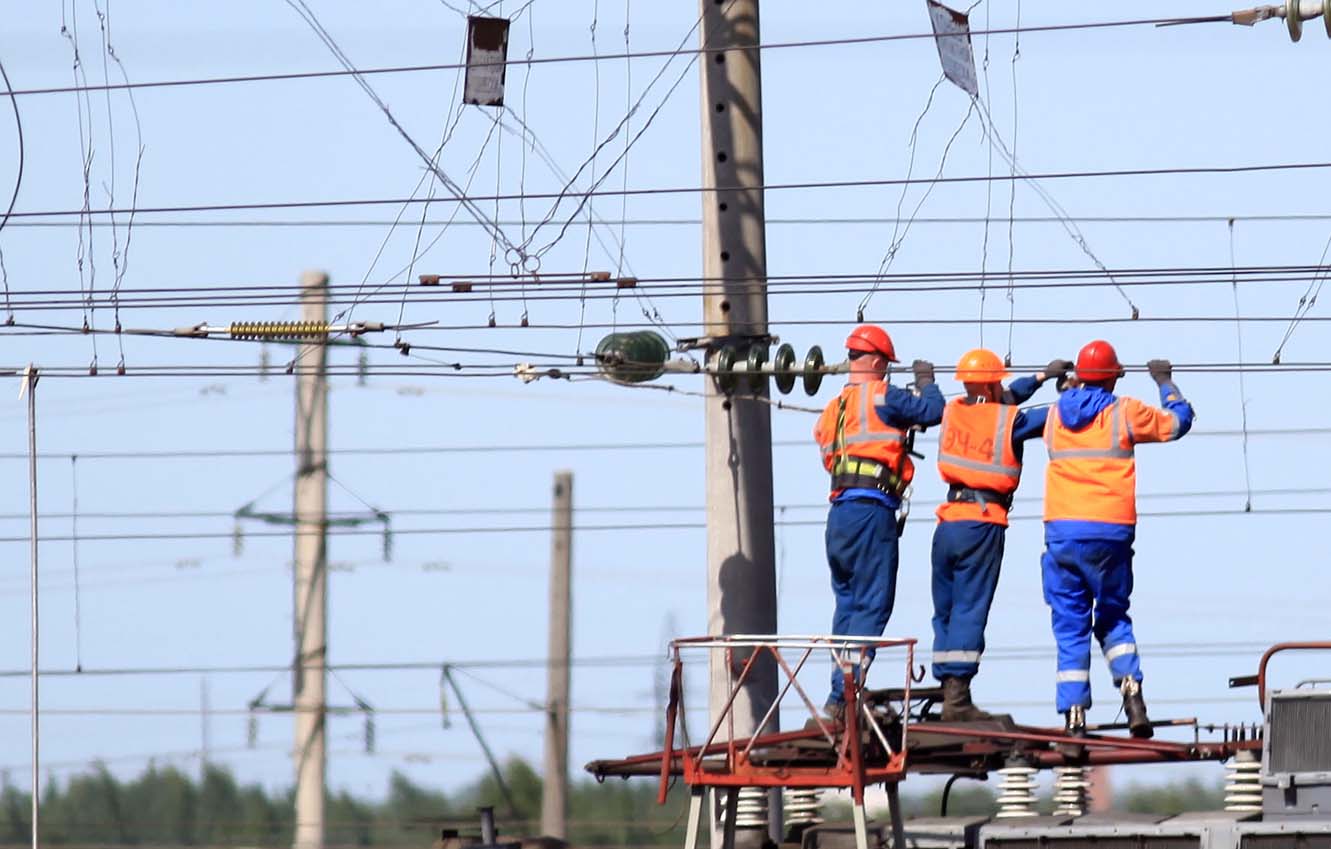
As wireless technology continues to advance, linemen will be responsible for the ongoing maintenance and upgrades of existing infrastructure, as well as the installation of new equipment to support future generations of mobile communication. This could involve working with denser networks of smaller cell sites and more complex antenna systems.
In conclusion, the question “what do linemen do” opens a window into a vital and dynamic profession. Far from being solely about manual labor, the role of a lineman in the 21st century is deeply intertwined with technological innovation. They are the essential builders and maintainers of the physical infrastructure that powers our digital lives, ensuring the flow of electricity and data that we increasingly depend on. Their work is a critical component of the tech ecosystem, and their adaptability to new technologies will continue to shape our connected future.
aViewFromTheCave is a participant in the Amazon Services LLC Associates Program, an affiliate advertising program designed to provide a means for sites to earn advertising fees by advertising and linking to Amazon.com. Amazon, the Amazon logo, AmazonSupply, and the AmazonSupply logo are trademarks of Amazon.com, Inc. or its affiliates. As an Amazon Associate we earn affiliate commissions from qualifying purchases.