
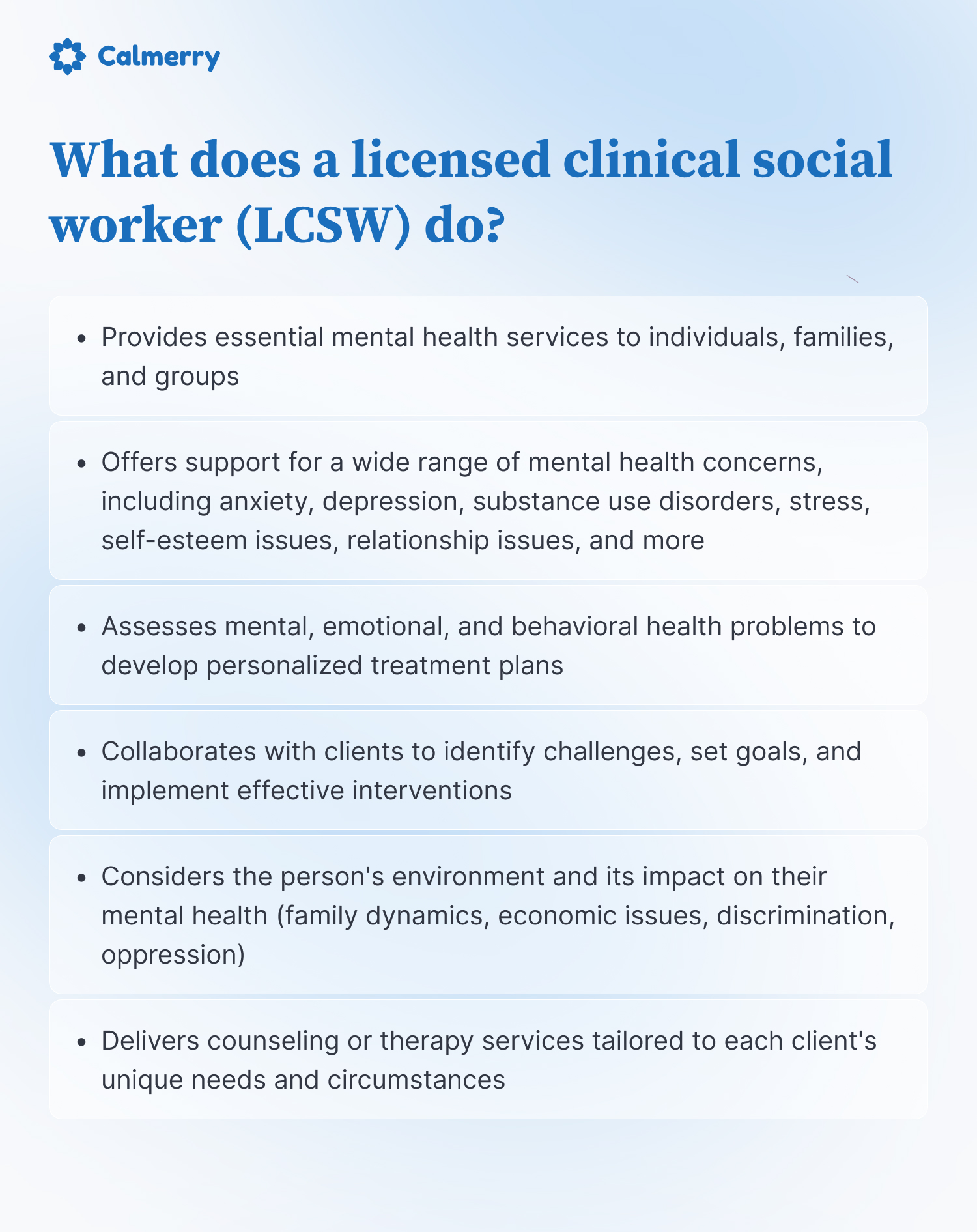
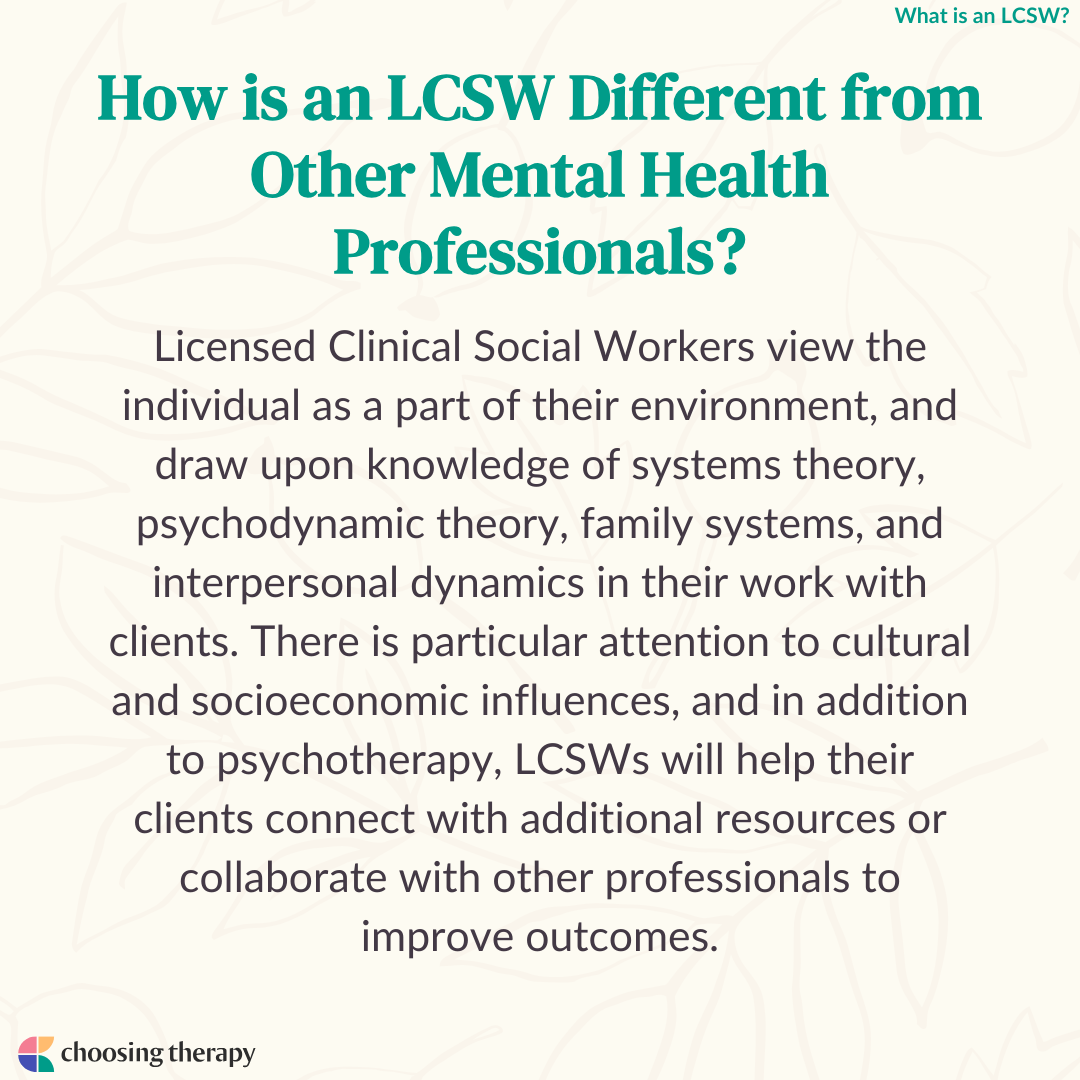
Licensed Clinical Social Workers (LCSWs) play a pivotal role in mental health and social well-being, yet the financial and business dimensions of their multifaceted work are often less explored. Understanding what LCSWs do fundamentally involves appreciating their professional services, the economic models they operate within, and the significant financial implications their work carries for individuals, private practices, and the broader healthcare system. From direct therapeutic intervention to navigating complex financial landscapes for clients and managing their own entrepreneurial ventures, the daily functions of an LCSW are deeply intertwined with financial considerations.
The Earning Potential and Career Trajectories of a Clinical Social Worker
The decision to become an LCSW represents a significant investment in education and licensure, with the expectation of a return on this investment through a rewarding and financially stable career. The financial trajectory of an LCSW is not monolithic; it varies widely based on specialization, work setting, geographical location, and years of experience.
Understanding Salary Ranges Across Settings
An LCSW’s income can fluctuate considerably depending on where they practice. Those employed in hospitals and healthcare systems often benefit from competitive salaries, comprehensive benefits packages, and opportunities for professional development, reflecting the critical nature of their roles in integrated care. Similarly, LCSWs working for government agencies (e.g., VA hospitals, child protective services) may find stable salaries, robust benefits, and defined pension plans, although starting salaries might be modest.
In the non-profit sector, while the mission is often highly rewarding, salaries can sometimes be lower than in private or governmental settings due to funding constraints. However, non-profits often offer unique opportunities for impactful work and specialized skill development. School social workers generally follow district salary schedules, which can be influenced by educational attainment and years of service.
The most significant financial distinction often lies with private practice. While launching a private practice involves substantial initial investment and risk, it also offers the highest earning potential for experienced LCSWs, allowing them to set their own fees, manage their caseload, and build a scalable business. Location plays a crucial role, with urban and affluent areas often commanding higher service fees. Furthermore, specialization in high-demand areas such as trauma therapy, addiction, or family therapy can also lead to increased earning potential across all settings.
Career Advancement and Financial Growth
Progression within the clinical social work field typically leads to enhanced financial compensation. Early career LCSWs may focus on direct client service, but with experience, opportunities for advancement into supervisory, managerial, or administrative roles become available. These positions, requiring leadership skills and often additional training, come with higher salaries and expanded responsibilities, including overseeing programs, managing budgets, and supervising other clinicians.
Specialization is another key driver of financial growth. Pursuing certifications in specific therapeutic modalities (e.g., EMDR, CBT, DBT) or client populations (e.g., geriatric care, adolescent mental health) not only enhances an LCSW’s expertise but also allows them to command higher fees or secure more specialized, better-paying positions. This continuous professional development represents an ongoing investment that typically yields substantial financial returns over a career.
The Investment in Education and Licensure
Becoming an LCSW requires a Master of Social Work (MSW) degree, followed by thousands of hours of supervised clinical experience, and passing a rigorous licensing exam. This path involves significant financial outlay for tuition, supervision fees, study materials, and examination costs. For many, this also includes lost income during the period of graduate study. Therefore, the decision to pursue an LCSW license is a calculated financial investment, with the expectation that the long-term career stability, earning potential, and professional fulfillment will provide a substantial return on this initial expenditure. Understanding these upfront costs and the subsequent earning power is crucial for prospective social workers planning their financial future.
Building a Business: The Entrepreneurial Path of Private Practice LCSWs
For many LCSWs, the journey leads to entrepreneurship, establishing their own private practices. This transition from employee to business owner introduces a new set of financial and operational responsibilities, transforming clinical work into a service-based business.
Launching a Private Practice: Startup Costs and Revenue Models
Starting a private practice requires careful financial planning. Initial startup costs can include securing office space (rent, utilities), purchasing necessary equipment (furniture, computers, secure filing systems), investing in practice management software (Electronic Health Records – EHR), and professional liability insurance. Beyond these, there’s the initial investment in marketing and branding to attract clients.
Revenue generation in private practice is primarily through client fees. LCSWs must determine appropriate fee structures, considering local market rates, their experience, and specialization. Many also implement sliding scales to accommodate clients with varying income levels, balancing accessibility with practice viability. The cash flow management, billing cycles, and accounts receivable become critical components of daily operations, directly impacting the financial health of the practice. Understanding and managing these financial flows is as crucial as providing quality clinical care.
Navigating Insurance and Reimbursement
A significant financial challenge and opportunity for private practice LCSWs involves navigating the complex world of health insurance. Deciding whether to accept insurance (become “in-network”) or operate as an “out-of-network” provider has profound financial implications. Becoming in-network can provide a steady stream of referrals and a guaranteed payment rate from insurance companies, but often involves lower reimbursement rates and extensive administrative paperwork.
Out-of-network providers can set their own fees, which may be higher, but clients are responsible for a larger portion of the cost upfront, potentially limiting the client base. LCSWs must understand CPT (Current Procedural Terminology) codes, diagnostic codes, and the intricate billing process to ensure accurate and timely reimbursement. This financial literacy is essential for maximizing revenue and minimizing claims denials, directly impacting the practice’s profitability. Many private practitioners dedicate considerable time or outsource billing to specialized services, further adding to their operational costs.
Marketing and Client Acquisition as a Business Imperative
In a competitive market, effective marketing and client acquisition are not merely optional extras but critical financial imperatives for a private practice. A strong referral network from physicians, schools, and other mental health professionals is invaluable. However, increasingly, LCSWs must also invest in a robust online presence, including a professional website, social media engagement, and online directory listings. These marketing efforts, whether through paid advertising or organic content creation, represent a financial investment aimed at attracting and retaining clients. Understanding the return on investment (ROI) of different marketing strategies is key to sustainable practice growth. Without a consistent client flow, even the most skilled clinician cannot maintain a financially viable practice.
The Economic Value and Financial Accessibility of Clinical Social Work Services
Beyond the direct income generated by LCSWs, their work provides significant economic value, both tangible and intangible, to individuals and society. Moreover, addressing the financial barriers to accessing mental health care is a core part of the social work mission.
Quantifying the ROI of Therapy
The services provided by LCSWs, such as psychotherapy, crisis intervention, and case management, offer a significant return on investment. For individuals, effective mental health care can lead to improved functioning at work, reducing absenteeism and increasing productivity, which translates to better earning potential. It can also enhance decision-making skills, improve relationships, and foster overall life satisfaction, indirectly contributing to financial stability and reduced stress-related health issues.
From a societal perspective, early and effective intervention by LCSWs can mitigate the long-term costs associated with untreated mental illness, such as emergency room visits, hospitalizations, disability benefits, and involvement with the justice system. Investing in clinical social work is, therefore, an investment in public health and economic resilience.
Addressing Financial Barriers to Access
A fundamental aspect of what LCSWs do is to ensure their services are accessible to those who need them, regardless of socioeconomic status. This often involves navigating financial barriers for clients. Many LCSWs offer sliding scale fees, adjusting their rates based on a client’s income and ability to pay. They may also dedicate a portion of their practice to pro bono work, providing free services to individuals in significant need.
Furthermore, LCSWs are skilled at connecting clients to financial resources, such as government assistance programs, community grants for mental health services, or victim compensation funds. They advocate for equitable insurance coverage and work within community mental health centers that receive public funding to provide low-cost or free services. This commitment to financial accessibility underscores the ethical obligations of the profession and broadens the economic impact of their work across diverse populations.
Impact on Public Health Budgets
LCSWs contribute significantly to managing public health budgets by providing cost-effective mental health services. By focusing on prevention, early intervention, and community-based care, they help divert individuals from more expensive inpatient care or chronic reliance on emergency services. Their holistic approach, addressing not just mental health symptoms but also social determinants of health (housing, employment, financial stability), leads to more sustainable outcomes and reduced strain on public welfare programs. Through advocacy and program development, LCSWs also play a role in shaping policies that ensure adequate funding for mental health initiatives, thereby safeguarding and optimizing public financial resources dedicated to well-being.
Diversifying Income: Beyond Traditional Clinical Roles
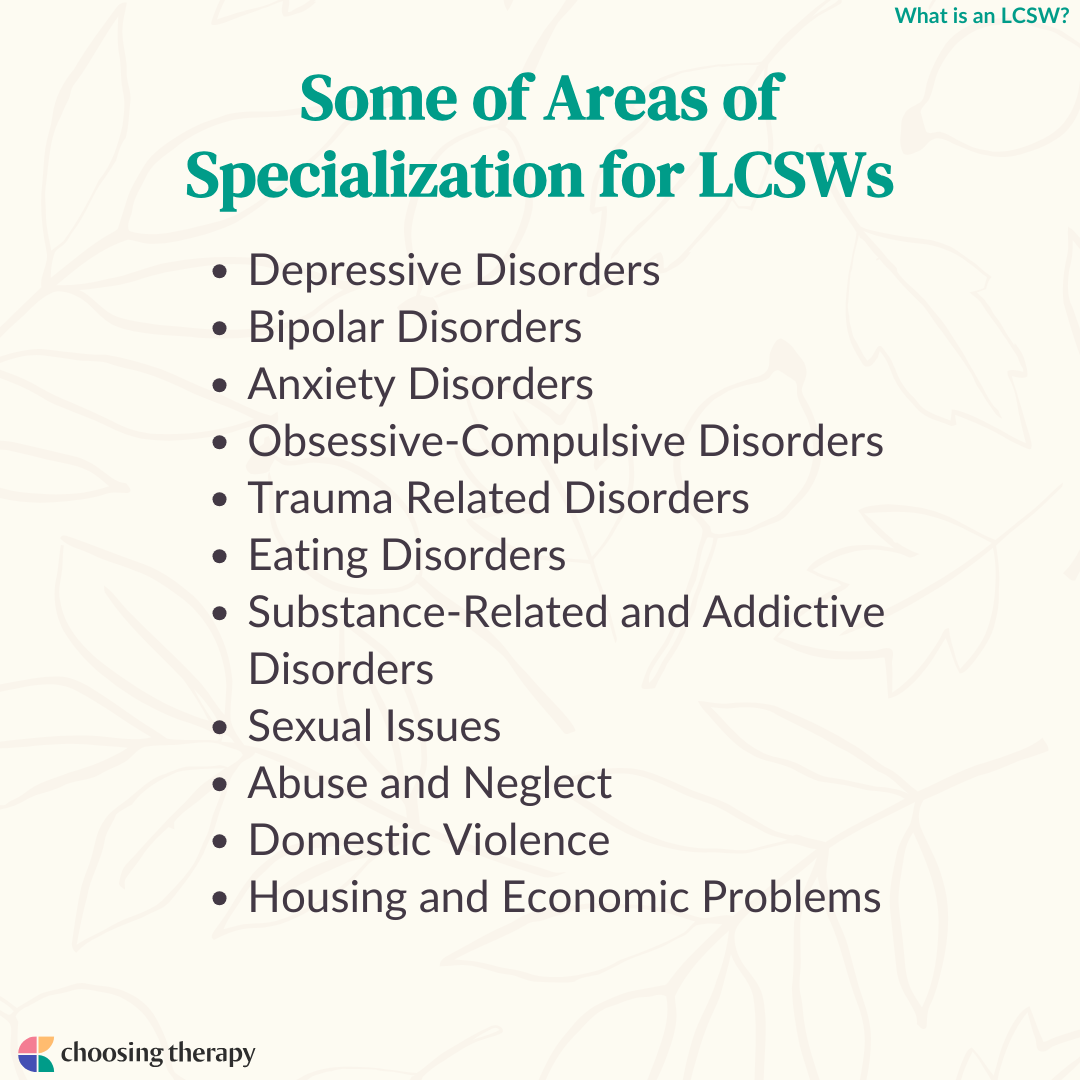
The expertise of an LCSW extends far beyond the therapy room, offering numerous avenues for diversifying income and leveraging their skills in innovative, financially rewarding ways. This adaptability is crucial for long-term financial security and professional growth in a changing economic landscape.
Consultancy and Training
LCSWs possess highly specialized knowledge in human behavior, organizational dynamics, trauma-informed care, and crisis management. This expertise is valuable to a wide range of organizations. Many LCSWs engage in consultancy, offering their insights to businesses, schools, government agencies, or non-profits on topics such as employee wellness, conflict resolution, diversity and inclusion, or program development. They also provide training and workshops on mental health awareness, stress management, or specific therapeutic techniques, generating additional income streams outside of direct clinical hours. These roles allow LCSWs to apply their skills in broader contexts while being compensated for their specialized knowledge.
Supervision and Mentorship
With years of experience and specialized training, LCSWs can become approved clinical supervisors. This role involves guiding and mentoring less experienced social workers who are working towards their licensure hours. Supervision is a highly valued and remunerated service, as it is a mandatory step for aspiring LCSWs. It represents a way for seasoned professionals to share their knowledge, contribute to the development of the next generation of clinicians, and earn income for their time and expertise, often at a higher hourly rate than direct therapy.
Online Platforms and Digital Health Services
The rise of digital technology has opened new financial avenues for LCSWs. Telehealth services allow clinicians to provide therapy remotely, expanding their geographic reach and potentially reducing overhead costs associated with a physical office. Many LCSWs also create and monetize digital content, such as online courses, webinars, e-books, or subscription-based educational platforms focused on mental health topics. Engaging with online communities, offering virtual groups, or even developing mental health apps are emerging ways for LCSWs to diversify their income, reach a wider audience, and build a scalable business model in the digital age. This blend of clinical expertise with digital entrepreneurship highlights the dynamic financial possibilities within the field.
aViewFromTheCave is a participant in the Amazon Services LLC Associates Program, an affiliate advertising program designed to provide a means for sites to earn advertising fees by advertising and linking to Amazon.com. Amazon, the Amazon logo, AmazonSupply, and the AmazonSupply logo are trademarks of Amazon.com, Inc. or its affiliates. As an Amazon Associate we earn affiliate commissions from qualifying purchases.