
Choosing a banking partner is one of the most significant decisions in your personal finance journey. As the largest bank in the United States by assets, JPMorgan Chase & Co. offers a robust suite of financial tools, a vast network of branches, and a highly-rated digital interface. However, before you can leverage their financial products to grow your wealth or manage your daily expenses, you must navigate the onboarding process.
Opening an account at Chase is a straightforward procedure, but being unprepared can lead to unnecessary delays or even a rejected application. Whether you are looking to open your first checking account, move your business finances, or start a college savings fund, this guide details everything you need to know to successfully open a Chase bank account and optimize your financial health.

1. Essential Documentation and Eligibility Requirements
The foundation of any financial relationship is identity verification. Under federal law—specifically the USA PATRIOT Act—financial institutions are required to verify the identity of any person opening an account to prevent money laundering and identity theft. Chase adheres strictly to these “Know Your Customer” (KYC) protocols.
Personal Identification and Social Security Number
The most critical requirement is a valid, government-issued photo ID. This is non-negotiable. Chase typically accepts:
- A state-issued driver’s license.
- A U.S. passport.
- A state-issued non-driver ID card.
- A military ID.
In addition to your physical ID, you must provide your Social Security Number (SSN) or Individual Taxpayer Identification Number (ITIN). This is used not only for identity verification but also for reporting interest earned to the IRS and conducting a soft pull on your banking history through systems like ChexSystems.
Proof of Address and Contact Information
Chase requires a physical U.S. address to establish your account (P.O. Boxes are generally not accepted as a primary residence address). If your current address does not match the one on your driver’s license, you may need to provide secondary documentation. This could include:
- A recent utility bill (gas, electric, or water).
- A lease agreement or mortgage statement.
- A bank statement from another institution.
Furthermore, you will need to provide a valid phone number and email address. These are essential for two-factor authentication (2FA), which is a cornerstone of modern digital financial security, ensuring that only you can access your funds via the Chase Mobile app or website.
Minimum Age and Citizenship Status
To open a standard checking or savings account independently, you must be at least 18 years old. For minors, Chase offers specialized accounts, such as Chase First Banking™ (ages 6–17) or Chase High School Checking™, which require a parent or guardian to be a co-owner.
Regarding citizenship, while you do not necessarily need to be a U.S. citizen, you generally need to be a “U.S. person” for tax purposes (Permanent Resident/Green Card holder) to apply online. Non-U.S. citizens without a Green Card may still be able to open an account but will likely need to visit a physical branch to provide additional documentation, such as a foreign passport and a Form W-8BEN.
2. Choosing the Right Chase Account for Your Financial Goals
Before you submit your application, it is vital to select the account type that aligns with your financial strategy. Chase offers a variety of products tailored to different stages of life and income levels.
Chase Total Checking® vs. Chase Premier Plus Checking℠
The Chase Total Checking® account is the most popular option for everyday banking. It provides access to over 15,000 ATMs and 4,700 branches. While there is a monthly maintenance fee (typically $12), it is easily waivable if you have monthly direct deposits totaling $500 or more, or maintain a minimum daily balance of $1,500.
For those with higher balances, the Chase Premier Plus Checking℠ offers additional perks, such as waived fees for out-of-network ATMs and free personal checks. This account is ideal for individuals who maintain a combined balance of $15,000 or more across their Chase deposits and investments, as this allows them to waive the higher $25 monthly fee.
Savings Accounts and Certificates of Deposit (CDs)
If your goal is to build an emergency fund or save for a specific purchase, you may want to open a Chase Savings℠ account alongside your checking account. While Chase’s standard savings rates are often lower than those of online-only high-yield savings accounts, the convenience of having your money in one ecosystem allows for instant transfers.
For more disciplined saving, Chase Certificates of Deposit (CDs) offer fixed interest rates for a set term. This is a low-risk investment vehicle suitable for those who have a lump sum of cash they won’t need for several months or years and want a guaranteed return on investment.
Specialized Accounts for Students and Businesses
Chase is highly competitive in the student banking niche. The Chase College Checking℠ account offers $0 monthly maintenance fees for students aged 17–24 for up to five years while in college.

For entrepreneurs, the Chase Business Complete Banking® account is a powerful tool. It integrates payment processing (Chase QuickAccept℠) directly into the checking account, allowing business owners to receive same-day deposits without extra fees—a massive advantage for cash flow management.
3. The Application Process: Online vs. In-Branch
Once you have your documents ready and have chosen your account, you must decide how to apply. Chase has optimized both its digital and physical onboarding experiences to be as frictionless as possible.
Step-by-Step Guide to Online Applications
Applying online is the most efficient method and typically takes less than 10 minutes.
- Visit the Chase Website: Navigate to the specific account page you are interested in.
- Enter Personal Details: Input your name, address, SSN, and ID information.
- Choose Features: You will be asked if you want to opt for overdraft protection or a debit card.
- Verification: Chase will verify your identity through a series of automated checks.
- Initial Funding: You will be prompted to link an external bank account to make your first deposit.
Benefits of Visiting a Physical Branch
While online applications are convenient, visiting a branch has distinct advantages, particularly for complex financial situations. If you are opening a joint account, both parties usually need to be present with their respective IDs. Furthermore, if you are a non-citizen or have a “frozen” credit report, an in-person banker can manually process documentation that the online system might flag.
Branch visits also allow you to establish a relationship with a personal banker, which can be beneficial if you plan to apply for a mortgage or a large business loan with Chase in the future.
Mobile App Integration and Paperless Setup
During the application process, Chase strongly encourages users to sign up for “Paperless Statements.” From a financial management perspective, this is highly recommended. It reduces the risk of mail fraud and identity theft, and it often helps in waiving certain account fees. Once your account is approved, downloading the Chase Mobile® app is the next logical step to manage your cash flow in real-time.
4. Funding Your New Account and Managing Initial Deposits
An account is not fully “active” until it is funded. Understanding the rules around initial deposits is key to avoiding early fees.
Minimum Opening Deposit Requirements
Many Chase accounts have a $0 minimum opening deposit requirement when opened online, but you must fund the account within a certain timeframe (usually 60 days) to keep it open. If you are opening an account in a branch, you might be asked to provide a small initial deposit (often $25) via cash or check.
Transferring Funds from External Banks
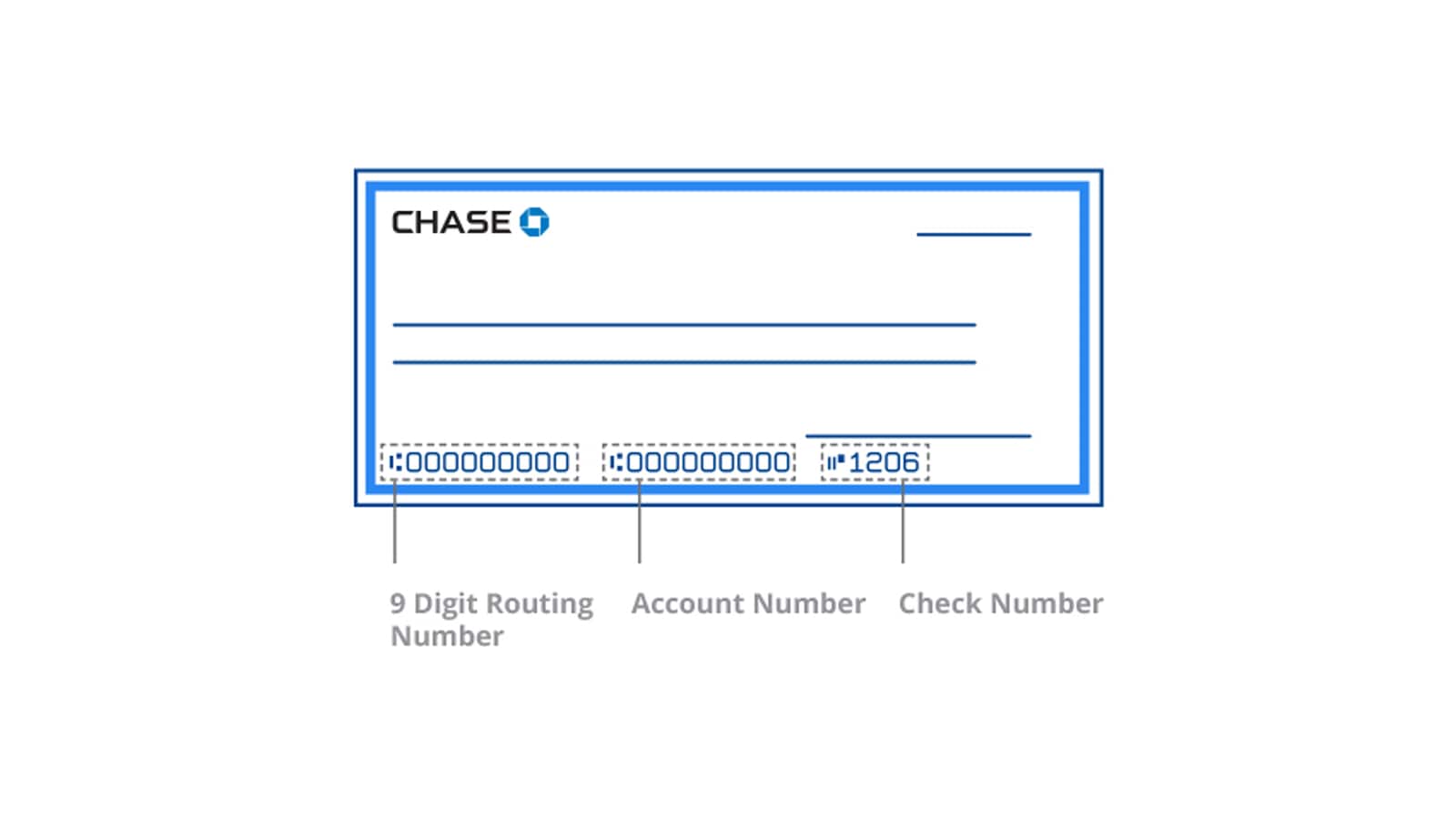
The most common way to fund a new account is via an ACH transfer from an existing bank. When you provide the routing and account number of your old bank, Chase will initiate a transfer. Be aware that these funds may take 1-3 business days to clear. During this “seasoning” period, the funds may be visible in your balance but not yet available for withdrawal.
Avoiding Monthly Maintenance Fees
This is the most critical aspect of managing a Chase account. To ensure your bank account remains a tool for wealth building rather than a drain on your finances, you must meet the fee-waiver requirements every month.
- Direct Deposit: This is the easiest method. Ensure your employer’s payroll department updates your banking info promptly.
- Minimum Balance: If you don’t have a steady direct deposit, you must keep the “Minimum Daily Balance” above the threshold (e.g., $1,500 for Total Checking) every single day. If your balance drops to $1,499 for even one hour, the fee will trigger at the end of the cycle.
5. Post-Opening Steps: Maximizing Your Chase Experience
After successfully opening your account, the focus shifts from setup to optimization. Chase offers several integrated tools that can help you manage your money more effectively.
Setting Up Direct Deposit and Overdraft Protection
To maximize the utility of your account, set up your direct deposit immediately. This often unlocks sign-up bonuses—Chase frequently offers $200 to $300 incentives for new customers who establish a qualifying direct deposit within 90 days.
Additionally, consider your overdraft options. Chase offers “Overdraft Protection,” where funds are pulled from a linked Chase savings account to cover a shortfall in checking. Without this, or “Debit Card Coverage,” Chase may decline transactions that exceed your balance, saving you from the $34 Insufficient Funds Fee.
Exploring the Chase Mobile® App and Security Features
The Chase Mobile app is more than just a place to check your balance; it is a comprehensive financial dashboard.
- Credit Journey: This free tool allows you to monitor your VantageScore® 3.0 credit score and receive alerts about changes to your credit report.
- Spending Planner: Chase automatically categorizes your transactions, providing insights into where your money is going (e.g., groceries, entertainment, bills).
- Zelle® Integration: For peer-to-peer payments, Chase integrates with Zelle, allowing you to send and receive money instantly with no transaction fees.
By utilizing these tools, your Chase account becomes the central hub of your financial life, providing the data and convenience necessary to make informed decisions about spending, saving, and investing.
Opening a Chase bank account is a foundational step in securing your financial future. By gathering the correct documentation, choosing the account that fits your lifestyle, and understanding how to waive maintenance fees, you can take full advantage of the stability and technological prowess of one of the world’s leading financial institutions.
aViewFromTheCave is a participant in the Amazon Services LLC Associates Program, an affiliate advertising program designed to provide a means for sites to earn advertising fees by advertising and linking to Amazon.com. Amazon, the Amazon logo, AmazonSupply, and the AmazonSupply logo are trademarks of Amazon.com, Inc. or its affiliates. As an Amazon Associate we earn affiliate commissions from qualifying purchases.