
Navigating the world of car insurance can seem like a daunting task, filled with jargon, endless options, and a myriad of requirements. Yet, for anyone who owns or drives a vehicle, car insurance isn’t just a legal obligation in most places; it’s a fundamental pillar of personal financial protection. It shields you from potentially catastrophic financial losses arising from accidents, theft, or other unforeseen events. Understanding what you need to get car insurance is the first critical step toward securing this essential financial safety net. This comprehensive guide will demystify the process, detailing the documents, information, and strategic considerations necessary to acquire the right policy for your needs, all while keeping your personal finances in mind.
Understanding the Fundamentals of Car Insurance
Before diving into the specifics of what you need, it’s crucial to grasp the foundational concepts of car insurance. This understanding will empower you to make informed decisions and ensure you’re not just buying a policy, but investing in robust financial protection.
Why Car Insurance is Non-Negotiable
Beyond legal mandates, car insurance serves a vital role in personal finance. A single accident, even a minor one, can incur thousands of dollars in damages, medical bills, and legal fees. Without insurance, these costs fall squarely on your shoulders, potentially leading to significant debt, the depletion of savings, or even bankruptcy. Insurance acts as a buffer, transferring the risk of these costs from you to the insurer, for a manageable premium. It protects your assets, secures your financial future, and provides peace of mind on the road. From a financial planning perspective, it’s an essential expense, akin to budgeting for housing or food.
Key Types of Coverage You’ll Encounter
Car insurance isn’t a one-size-fits-all product; it’s a bundle of various coverages designed to address different risks. Understanding these is key to assessing your needs and comparing quotes effectively.
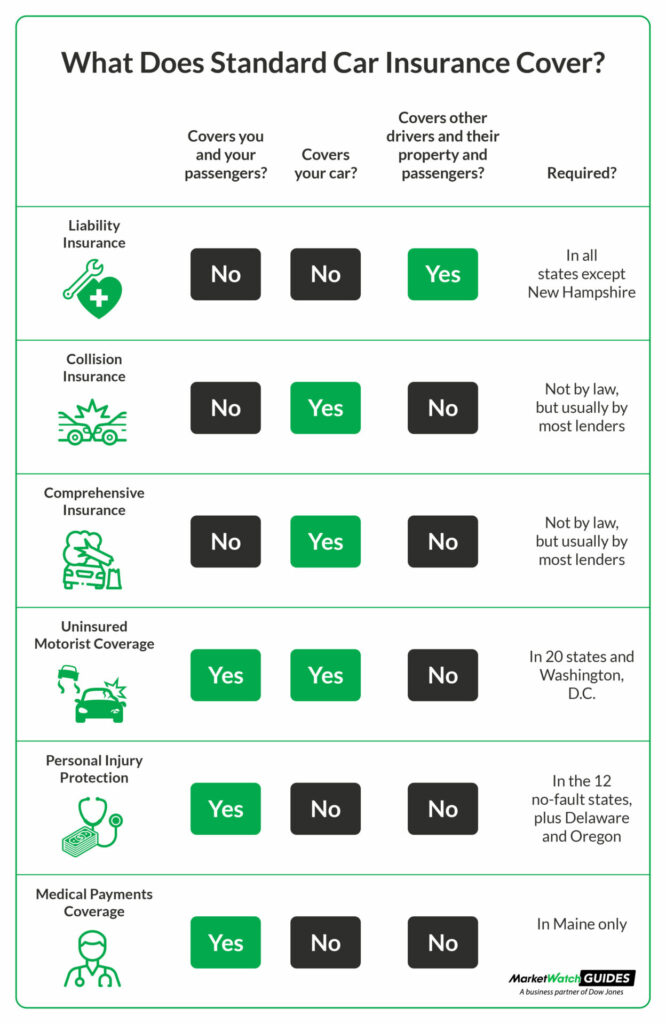
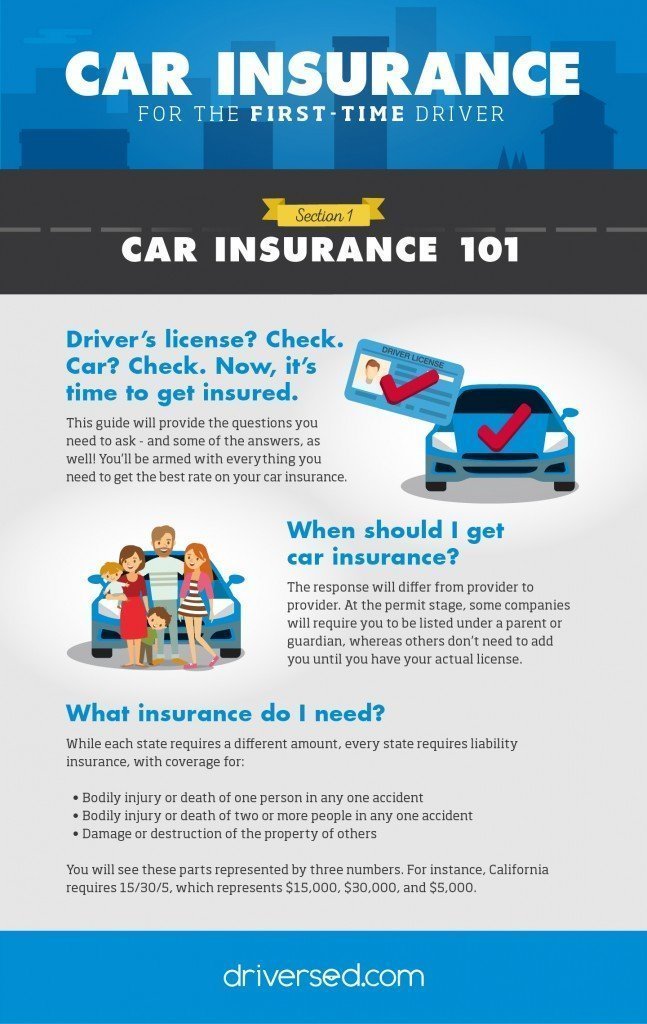
- Liability Coverage: This is the most common and often legally required coverage. It pays for damages and injuries you cause to other people or their property in an at-fault accident. It typically has two components: Bodily Injury Liability (for medical expenses, lost wages, and pain and suffering of others) and Property Damage Liability (for damage to another person’s vehicle or property).
- Collision Coverage: This pays for damage to your own vehicle if you hit another car, an object (like a tree or pole), or if your car rolls over. It’s often required if you have a car loan or lease.
- Comprehensive Coverage: This covers damage to your vehicle from events other than collisions, such as theft, vandalism, fire, natural disasters (hail, floods), or hitting an animal. Like collision, it’s typically required for financed or leased vehicles.
- Personal Injury Protection (PIP) or Medical Payments (MedPay): These cover medical expenses for you and your passengers, regardless of who is at fault for an accident. PIP can also cover lost wages and essential services.
- Uninsured/Underinsured Motorist (UM/UIM) Coverage: This protects you if you’re hit by a driver who doesn’t have insurance or doesn’t have enough insurance to cover your damages and medical bills.
Choosing the right combination of these coverages involves balancing risk tolerance, budget, and the value of your vehicle.
Factors Influencing Your Premium
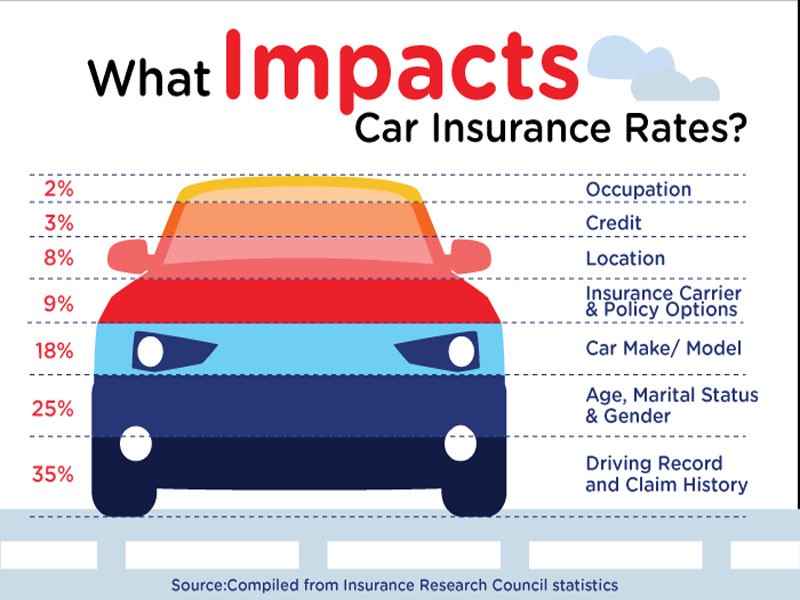
Car insurance premiums are calculated based on a multitude of factors, all designed to assess your risk profile. Understanding these can help you strategize to lower your costs.
- Driving Record: A clean record with no accidents or traffic violations is paramount for lower rates.
- Age and Experience: Younger, less experienced drivers typically face higher premiums due to statistical risk.
- Vehicle Type: The make, model, year, safety features, and even the likelihood of theft of your car all play a role. Expensive cars or those with high repair costs tend to have higher premiums.
- Location: Urban areas with higher traffic density and crime rates often incur higher costs than rural areas.
- Credit Score: In many states, insurers use a credit-based insurance score (which differs slightly from a standard credit score) to predict the likelihood of a claim. A higher score often translates to lower premiums.
- Annual Mileage: The more you drive, the higher your perceived risk of an accident.
- Coverage Limits and Deductibles: Higher liability limits and lower deductibles (the amount you pay out-of-pocket before insurance kicks in) generally lead to higher premiums.
Being aware of these factors allows you to understand the rationale behind quotes and identify areas where you might adjust your profile or choices to save money.
Essential Documents and Information Required
When you’re ready to get a car insurance quote and eventually purchase a policy, insurers will require specific personal, vehicle, and financial information. Having these details organized beforehand will streamline the process and ensure accuracy.
Personal Identification and Driver’s License
The insurance company needs to verify who you are and that you are legally authorized to drive.
- Driver’s License Number: This is critical for checking your driving history and verifying your eligibility. Ensure it’s valid and current.
- Date of Birth: Used to assess your age and driving experience.
- Full Name and Address: For identification and to determine your geographic risk factor.
- Social Security Number (SSN): Often requested to check your credit-based insurance score, which, as mentioned, can significantly impact your premium. If you’re uncomfortable providing your SSN, some insurers may offer quotes without it, but the final policy may require it.
- Information for All Drivers in the Household: If other licensed drivers reside with you and have access to your vehicle, their information (license number, date of birth, etc.) will also be required as they will likely need to be listed on your policy.
Vehicle Information Details
The car itself is a major component of the insurance equation. The insurer needs to know everything about what they are insuring.
- Vehicle Identification Number (VIN): This 17-character alphanumeric code uniquely identifies your vehicle. It’s found on your dashboard, driver’s side door jamb, and registration card. The VIN provides all necessary details about your car: make, model, year, engine size, body style, and safety features.
- Make, Model, and Year: Even without the VIN initially, these basic details can get you a preliminary quote.
- Current Odometer Reading: Some usage-based insurance programs or mileage discounts may require this.
- Safety Features: Details like anti-lock brakes, airbags, anti-theft devices, and advanced driver-assistance systems (ADAS) can sometimes qualify you for discounts.
- Vehicle Usage: How often you drive the car, your average annual mileage, and its primary use (commute, pleasure, business) influence risk.
Driving History and Records
Your past behavior on the road is a strong predictor of future risk, and insurers rely heavily on this.
- Accident History: Dates of any past accidents, who was at fault, and details of claims made.
- Traffic Violations: Records of speeding tickets, DUIs, reckless driving, or other moving violations.
- Prior Insurance History: Details about your previous insurance providers, policy numbers, and duration of coverage. Maintaining continuous coverage often leads to lower rates, as it demonstrates responsibility.
- Driving School Certificates: If you’ve completed defensive driving courses, especially as a younger driver, this could qualify you for discounts.
Insurers will typically pull your Motor Vehicle Record (MVR) and claims history (via services like CLUE — Comprehensive Loss Underwriting Exchange) to verify this information.
Financial and Payment Information
Finally, you’ll need to be prepared to discuss payment terms and provide your financial details.
- Bank Account Information: For setting up automatic payments or direct debits, which can sometimes come with a small discount.
- Credit/Debit Card Details: If you prefer to pay by card.
- Payment Schedule Preference: Whether you want to pay monthly, quarterly, semi-annually, or annually. Annual payments often save you money by avoiding installment fees.
Navigating the Application Process
With your information in hand, the next step is to actually get quotes and choose a policy. This involves a strategic approach to comparison and understanding.
Gathering Your Information: A Pre-Application Checklist
Before you even start getting quotes, create a comprehensive checklist of all the documents and pieces of information listed above. This includes:
- Your driver’s license
- Vehicle registration or title (for VIN and other car details)
- Current insurance policy (if you have one, to compare coverages and limits)
- List of any accidents or tickets from the past 3-5 years
- Names and driver’s license numbers for all household drivers
- Details of any anti-theft or safety features on your vehicle
Having this readily accessible will save you time and ensure accuracy, preventing delays and potential misquotes.
Obtaining Quotes: Online, Agents, and Brokers
There are several avenues for getting car insurance quotes, each with its advantages.
- Online Comparison Sites: These platforms allow you to enter your information once and receive multiple quotes from various insurers. They are convenient for quick comparisons but may not always capture complex situations or specialized discounts.
- Direct from Insurers: Visiting individual insurance company websites allows you to get quotes directly. This is useful if you have a specific company in mind or want to explore their unique offerings.
- Captive Agents: These agents work exclusively for one insurance company (e.g., State Farm, Allstate). They have deep knowledge of their company’s products and can offer personalized advice, but their options are limited to that single insurer.
- Independent Agents/Brokers: These professionals work with multiple insurance companies. They can shop around on your behalf, comparing policies from various providers to find the best fit and price. They often provide valuable insights and advocacy, especially for complex insurance needs.
It’s often wise to use a combination of these methods to ensure you get a broad range of options and competitive pricing.
Comparing Policies: Beyond Just the Price Tag
While cost is a significant factor, it should not be the sole determinant when choosing an insurance policy. A cheaper policy might offer inadequate coverage, leaving you vulnerable.
- Coverage Limits: Ensure the liability limits are sufficient to protect your assets. Many financial advisors recommend limits higher than the state minimums.
- Deductibles: Consider what you can comfortably afford out-of-pocket in the event of a claim. A higher deductible means lower premiums, but a larger upfront cost if you have an accident.
- Exclusions: Carefully read what the policy doesn’t cover.
- Customer Service and Claims Reputation: Research the insurer’s reputation for handling claims and customer service. Websites like J.D. Power and the NAIC (National Association of Insurance Commissioners) offer insights into customer satisfaction and complaint ratios. A smooth claims process is invaluable during a stressful time.
- Financial Stability: Ensure the insurer is financially sound. Ratings agencies like A.M. Best provide insights into an insurer’s financial strength.
Understanding Policy Terms and Conditions
Once you’ve selected a policy, take the time to read the full policy document. It outlines your rights, responsibilities, coverage limits, exclusions, and the claims process. Don’t hesitate to ask your agent or the insurer to clarify any confusing terms. Understanding your policy ensures there are no surprises when you need to use it most.
Strategies for Reducing Your Insurance Costs
While car insurance is a necessary expense, there are numerous strategies to manage and potentially reduce your premiums without compromising essential coverage. These financial tactics can free up funds for other personal finance goals.
Exploring Discounts and Bundling Options
Insurers offer a wide array of discounts that can significantly lower your premium. Always ask what discounts you qualify for.
- Multi-Policy Discount: Bundling your car insurance with other policies, such as home or renters insurance, often yields substantial savings.
- Multi-Car Discount: Insuring more than one vehicle with the same company.
- Good Driver Discount: For maintaining a clean driving record over a specified period.
- Good Student Discount: For young drivers who maintain good academic grades.
- Defensive Driving Course Discount: Completing an approved defensive driving course.
- Vehicle Safety Feature Discounts: For cars equipped with anti-lock brakes, airbags, anti-theft devices, etc.
- Low Mileage Discount: If you drive fewer miles than average.
- Pay-in-Full Discount: Paying your premium annually instead of in installments.
- Automatic Payment/Paperless Billing Discount: For setting up recurring payments or opting for digital statements.
These discounts can add up, making a significant difference to your annual financial outlay.
Adjusting Deductibles and Coverage Limits
Strategic adjustments to your policy’s financial parameters can also impact your premium.
- Increasing Deductibles: Choosing a higher deductible for collision and comprehensive coverage means you pay more out-of-pocket if you file a claim, but your monthly or annual premium will be lower. This strategy requires you to have an emergency fund sufficient to cover the higher deductible.
- Reviewing Coverage Limits: While it’s advisable to have robust liability coverage, you might re-evaluate collision and comprehensive coverage on older vehicles. If your car’s market value is low, paying high premiums for these coverages might not be financially sensible, as the payout in case of a total loss might barely exceed the annual premium costs. Use the “10% rule” as a rough guide: if your annual premium for collision/comprehensive is more than 10% of your car’s value, it might be time to drop it.
Maintaining a Clean Driving Record
This is perhaps the most impactful strategy for long-term savings. Every accident or moving violation can lead to surcharges on your premium for several years. Driving safely, adhering to traffic laws, and avoiding distractions not only keeps you and others safe but also directly translates into lower insurance costs over time. A consistent record of safe driving demonstrates lower risk to insurers, which they reward with better rates.
Choosing the Right Vehicle
The type of car you drive is a major factor in insurance costs. Before purchasing a vehicle, research its insurance costs.
- Safety Ratings: Cars with higher safety ratings often qualify for lower premiums due to reduced risk of injury.
- Repair Costs: Vehicles that are expensive to repair or have costly parts will generally have higher collision and comprehensive premiums.
- Theft Rates: Certain car models are more frequently targeted by thieves, leading to higher insurance costs.
- Engine Size and Horsepower: High-performance vehicles are often associated with higher risk and thus higher premiums.
Choosing a practical, safe, and less frequently stolen vehicle can lead to significant insurance savings over its lifespan, making it a sound financial decision.
Maintaining Your Policy and What Comes Next
Getting car insurance isn’t a one-time event; it’s an ongoing financial responsibility that requires periodic review and active management.
Understanding Your Policy Documents
Once you’ve purchased a policy, you’ll receive a declarations page and the full policy booklet. The declarations page summarizes your coverage types, limits, deductibles, premiums, and policy period. Keep this accessible, along with your insurance ID cards, which you must carry in your vehicle. Familiarize yourself with these documents so you know exactly what you’re covered for and what your obligations are.
When and How to Update Your Policy
Your life and circumstances change, and your insurance policy should reflect those changes to ensure continuous and adequate coverage.
- New Vehicle: Always inform your insurer before purchasing a new car to ensure it’s covered immediately.
- Moving: A change of address can significantly impact your rates, both positively and negatively.
- Adding/Removing Drivers: When a new driver joins your household or an existing driver moves out.
- Major Life Events: Marriage, divorce, or a new job (especially if it changes your commute) can affect your policy.
- Mileage Changes: If your annual mileage significantly increases or decreases.
- Modifications to Your Vehicle: Major upgrades or modifications to your car.
Failing to update your policy can lead to denied claims or insufficient coverage. Contact your insurer or agent promptly whenever these changes occur.
What to Do in Case of an Accident
While the hope is you never need to use your insurance, knowing the steps to take after an accident is crucial.
- Ensure Safety: Check for injuries and move to a safe location if possible.
- Exchange Information: Get the other driver’s name, contact information, insurance details, and license plate number.
- Document the Scene: Take photos of vehicle damage, the scene, and any relevant road signs.
- Contact the Police: If there are injuries, significant damage, or if required by law in your state.
- Notify Your Insurer: Report the accident to your insurance company as soon as possible, providing all documented details. They will guide you through the claims process.
Having a clear understanding of these steps can alleviate stress during an already difficult situation and ensure your claim is handled efficiently.
In conclusion, securing car insurance is a fundamental aspect of responsible vehicle ownership and sound personal financial planning. It’s about much more than just ticking a legal box; it’s about safeguarding your financial stability against the unpredictable nature of the road. By understanding the essentials, gathering the necessary information, strategically comparing options, and actively managing your policy, you can confidently navigate the process and ensure you have the financial protection you need, at a price you can afford.
aViewFromTheCave is a participant in the Amazon Services LLC Associates Program, an affiliate advertising program designed to provide a means for sites to earn advertising fees by advertising and linking to Amazon.com. Amazon, the Amazon logo, AmazonSupply, and the AmazonSupply logo are trademarks of Amazon.com, Inc. or its affiliates. As an Amazon Associate we earn affiliate commissions from qualifying purchases.