
The immediate concern when a beloved feline companion experiences discomfort is often their well-being. However, beneath the surface of medical intervention lies a critical layer of financial decision-making that every pet owner must navigate. Addressing a cat’s constipation is not just about veterinary care; it’s about making informed financial choices that impact your budget, potential future expenses, and the long-term economic stability of your household. Understanding the monetary implications and planning proactively can mitigate stress during an already difficult time.
Navigating the Financial Burden of Feline Constipation
When a cat shows signs of constipation, the path forward often begins with a visit to the veterinarian. This initial step immediately triggers a series of potential costs that astute pet owners should be prepared for. Recognizing these expenses in advance can prevent financial shock and allow for more rational decision-making.
Initial Veterinary Consultation Costs
The fundamental expense is the consultation fee for the veterinary examination. This fee covers the veterinarian’s time, expertise in diagnosing the issue, and the physical assessment of your cat. Consultation fees can vary significantly based on location, the clinic’s prestige, and whether it’s a general practice or an emergency clinic. An emergency visit, especially outside regular hours, will invariably incur a higher premium, sometimes doubling or tripling the standard rate. Being aware of your clinic’s fee structure and having an emergency fund can make this initial outlay less daunting.
Diagnostic Procedures: X-rays, Blood Work, Ultrasounds
Beyond the initial check-up, diagnosing the root cause of constipation often requires further investigation, leading to additional costs.
- X-rays: Essential for visualizing the colon and identifying the extent of fecal impaction or potential obstructions (such as foreign bodies or tumors). A set of abdominal X-rays can be a significant expense, often costing hundreds of dollars.
- Blood Work: Comprehensive blood panels can reveal underlying metabolic issues, dehydration, kidney disease, or electrolyte imbalances that might contribute to constipation. While less expensive than imaging, these tests add to the overall diagnostic bill.
- Ultrasounds: In some cases, an abdominal ultrasound might be recommended for a more detailed view of abdominal organs, assessing bowel motility, or identifying masses. This advanced imaging technique is typically more costly than X-rays due to the specialized equipment and expertise required.
Each diagnostic step carries its own price tag, and understanding why these tests are recommended is crucial for a cost-benefit analysis. Sometimes, foregoing a test might seem like a short-term saving but could lead to a misdiagnosis, prolonged suffering for the cat, and ultimately higher costs for ineffective treatments later on.
Treatment Expenses: Medications, Enemas, Hospitalization
Once a diagnosis is made, treatment costs come into play.
- Medications: These can include stool softeners, motility enhancers, or pain relief. While individual prescriptions might not be exorbitant, chronic conditions can lead to recurring monthly medication costs.
- Enemas: Administering an enema, especially if performed by veterinary staff, involves professional fees for the procedure and the cost of the materials used.
- Hospitalization: For severe cases of obstipation (severe constipation) or megacolon, a cat might require hospitalization for intravenous fluids, manual de-obstipation under sedation, or even surgery. Hospitalization is arguably the most financially intensive aspect of treatment, with daily rates, medication, and procedure costs quickly accumulating into thousands of dollars.
Comparing the costs of various treatment options and discussing payment plans with your vet can be vital for managing these substantial outlays.
Proactive Financial Strategies for Pet Health
The best defense against high emergency veterinary bills is a robust financial offense. Strategic planning can transform an unexpected crisis into a manageable expense, safeguarding both your cat’s health and your financial stability.
The Investment in Preventative Care
Preventative care, while an ongoing expense, is often a sound financial investment. Regular wellness check-ups allow veterinarians to identify subtle health changes early, before they escalate into costly emergencies. Discussing diet, hydration, and exercise with your vet can prevent issues like constipation from developing or becoming chronic. High-quality food, appropriate litter boxes, and fresh water, though initial expenditures, contribute to overall health and can reduce the likelihood of expensive medical interventions down the line. Consider the long-term ROI of preventative measures versus the potential cost of treating a full-blown medical crisis.
Budgeting for Unexpected Pet Medical Costs
Integrating pet care costs into your regular household budget is a cornerstone of responsible pet ownership. This means not just budgeting for food and routine vaccinations but also allocating a specific amount for potential medical emergencies. Even a modest monthly contribution to a dedicated “pet health” fund can accumulate into a substantial buffer over time. This approach ensures that when issues like constipation arise, the financial means are already established, reducing the need for hasty and potentially more expensive borrowing solutions.
Exploring Pet Insurance Options
Pet insurance is a financial tool designed to offset significant veterinary expenses. While it comes with a monthly premium, it can provide invaluable peace of mind when faced with costly procedures, diagnostics, or chronic conditions. When researching policies, pay close attention to:
- Coverage details: What conditions are covered? Are pre-existing conditions excluded?
- Deductibles: How much you pay out-of-pocket before coverage kicks in.
- Reimbursement rates: The percentage of the vet bill the insurance company will cover.
- Annual limits: The maximum amount the policy will pay in a year.
- Waiting periods: The time frame before certain conditions are covered.

A comprehensive policy can turn a multi-thousand-dollar emergency into a manageable deductible and a percentage of the remaining cost, safeguarding your liquid assets during a pet health crisis.
Building an Emergency Pet Fund
Separate from general savings, an emergency pet fund is specifically earmarked for unforeseen veterinary expenses. This fund provides immediate access to capital without liquidating other investments or incurring high-interest debt. Aim to save at least $1,000-$3,000 for pet emergencies, as this amount can cover many common conditions and diagnostic procedures. Regularly contributing to this fund, even small amounts, reinforces financial discipline and builds a critical safety net. This fund acts as your self-insurance, offering flexibility and immediate access to funds without the constraints or waiting periods of external insurance policies.
Cost-Effective Home Management vs. Professional Intervention
When a cat shows mild signs of constipation, pet owners often consider home remedies. However, a crucial financial consideration is knowing when a home-based approach becomes a false economy, leading to higher costs in the long run.
Assessing DIY Solutions: When Are They Financially Viable?
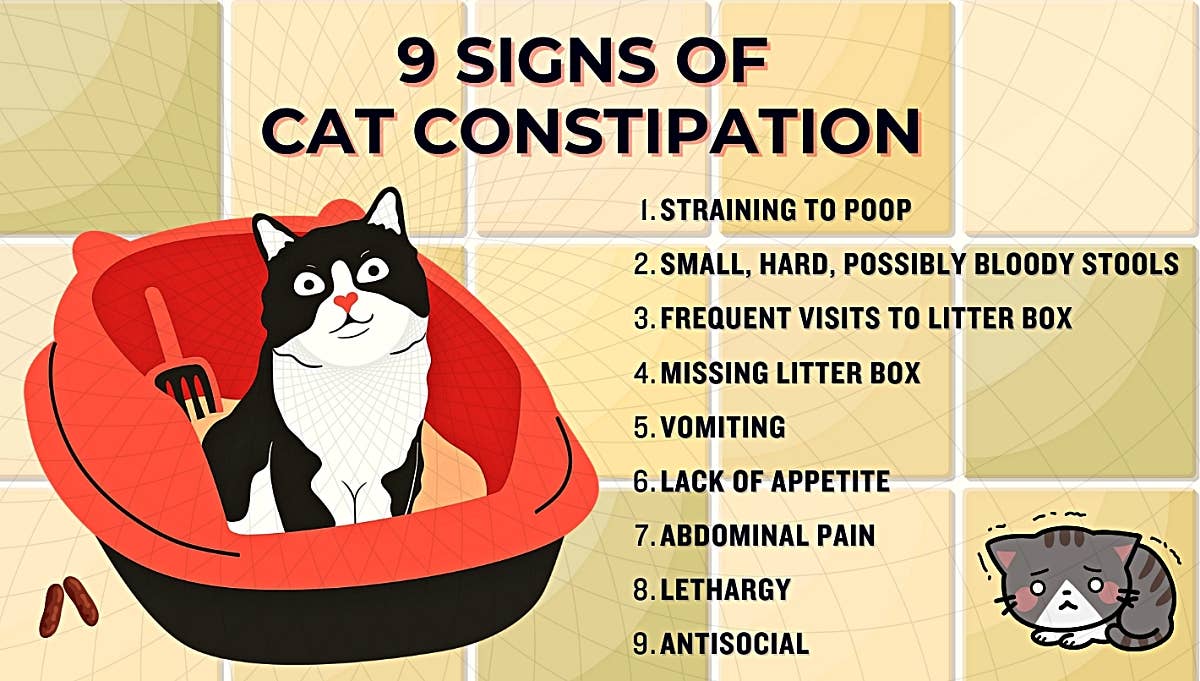
For very mild, infrequent constipation, some owners might try increasing water intake, adding fiber (like a small amount of canned pumpkin), or using over-the-counter gentle laxatives specifically formulated for cats (only after consulting a vet). These initial steps are low-cost. However, the financial viability of DIY solutions hinges on their effectiveness and the cat’s rapid improvement. If symptoms persist for more than 24-48 hours, worsen, or are accompanied by lethargy, vomiting, or loss of appetite, the cost-effectiveness of continuing home treatment drastically diminishes. The risk of the condition becoming more severe, requiring more invasive and expensive veterinary interventions, outweighs the minor savings from avoiding an early vet visit.
The Hidden Costs of Delayed Veterinary Attention
Delaying professional veterinary care for persistent constipation can lead to significant hidden costs. What might have been a straightforward and relatively inexpensive treatment for mild constipation could escalate into a severe case of obstipation or even megacolon, requiring intensive hospitalization, manual de-obstipation under anesthesia, or even surgery. The financial trajectory shifts dramatically from a few hundred dollars to potentially thousands. Beyond the direct medical expenses, there’s the emotional cost of prolonged pet suffering and the time and productivity lost by the owner dealing with a worsening situation. Early intervention, therefore, often presents the best financial outcome in the long run.
Nutritional Choices and Their Long-Term Financial Impact
A cat’s diet plays a pivotal role in preventing constipation. Investing in high-quality, moisture-rich cat food (often wet food) can be more expensive than dry kibble in the short term. However, the long-term financial benefits can be substantial. A diet that promotes healthy digestion and hydration reduces the likelihood of chronic constipation, thereby minimizing recurring vet visits, medication costs, and the risk of developing more serious, costly conditions like kidney disease or urinary tract issues, which are often exacerbated by chronic dehydration. View superior nutrition as a preventative healthcare investment rather than just a daily expense.
Long-Term Financial Planning for Senior Cats and Chronic Conditions
As cats age, or if they develop chronic constipation, the financial landscape changes from managing acute episodes to planning for ongoing care. This requires a different kind of financial foresight.
Managing Recurring Costs for Chronic Constipation
If your cat suffers from chronic constipation, recurring costs for medications (stool softeners, motility drugs), prescription diets, or regular veterinary check-ups become a reality. Budgeting for these monthly expenses is essential. Exploring options like buying medications in bulk (if appropriate and vet-approved), using generic alternatives, or purchasing prescription diets from online retailers with discounts can offer some relief. Financial planning for chronic conditions requires a realistic assessment of ongoing expenses and how they fit into your overall budget without creating undue strain.
End-of-Life Care and Financial Considerations
In severe cases, especially in senior cats with other comorbidities, a discussion about quality of life and end-of-life care may arise. This difficult conversation also carries financial implications. Decisions regarding palliative care, ongoing pain management, or humane euthanasia (including cremation or burial services) require careful consideration not just for the cat’s comfort but also for the financial impact on the owner. Having an honest conversation with your veterinarian about these costs in advance can help prepare you for these eventualities, allowing you to make compassionate decisions without added financial pressure.
The Value of a Second Opinion
While seeking a second opinion might incur another consultation fee, it can sometimes be a wise financial decision, especially for complex or recurring cases of constipation. A different vet might offer alternative diagnostic pathways, treatment plans, or cost-saving strategies that were not initially considered. This can potentially lead to a more effective and financially sustainable long-term solution, preventing repeated expensive, unsuccessful treatments. View a second opinion not as an extra cost, but as an investment in confirming the best financial and medical path forward for your beloved pet.
Ultimately, addressing feline constipation is a multifaceted challenge that intertwines medical care with significant financial decisions. By adopting a proactive and informed financial approach, pet owners can ensure their cats receive the best possible care without compromising their own economic well-being.
aViewFromTheCave is a participant in the Amazon Services LLC Associates Program, an affiliate advertising program designed to provide a means for sites to earn advertising fees by advertising and linking to Amazon.com. Amazon, the Amazon logo, AmazonSupply, and the AmazonSupply logo are trademarks of Amazon.com, Inc. or its affiliates. As an Amazon Associate we earn affiliate commissions from qualifying purchases.