
A flat tire is more than just an inconvenience; it’s an unexpected event with a direct impact on your personal finances. While the immediate concern might be getting back on the road, the savvy individual understands that managing a flat tire effectively involves a series of financial decisions and prior preparations. Ignoring these financial considerations can lead to inflated costs, unnecessary stress, and a significant dent in your budget. This guide delves into the financial strategies you should employ before, during, and after encountering a flat tire, ensuring you’re equipped to handle the situation without financial distress.

The Immediate Financial Ramifications
When you encounter a flat tire, your first thoughts might be about safety and getting to a repair shop. However, underneath these practicalities lie several immediate financial considerations that demand your attention. Making informed choices in the heat of the moment can significantly mitigate the overall financial impact.
Assessing Repair vs. Replacement Costs
The most pressing financial question is whether your tire can be repaired or if it requires a full replacement. A simple puncture in the tread area, if caught early and not too large, is often repairable for a modest fee, typically ranging from $20 to $50. This is the most financially desirable outcome. However, if the damage is to the sidewall, if the puncture is too large, or if the tire has been driven on while severely underinflated (damaging the internal structure), replacement becomes inevitable. New tires can range from $100 to $300 or more per tire, depending on the vehicle type, tire brand, and performance characteristics.
It’s crucial to understand that replacing just one tire might not always be the optimal solution, especially for all-wheel-drive (AWD) vehicles. Many AWD systems require tires to be within a certain percentage of tread depth of each other to prevent damage to the drivetrain, which could lead to far more expensive repairs. In such cases, you might be looking at replacing two or even all four tires, drastically increasing the immediate financial outlay. Always consult a reputable tire professional who understands these nuances and can advise on the most cost-effective and vehicle-appropriate solution.
The Hidden Costs of Neglect and Emergency Services
Driving on a flat or severely underinflated tire, even for a short distance, can lead to cascading financial problems. What might have been a simple, inexpensive repair can quickly escalate into a full tire replacement due to irreparable damage to the sidewall or internal structure of the tire. Furthermore, driving on a compromised tire can damage your wheel rim, leading to an additional $100 to $500 expense for repair or replacement of the rim itself.
Beyond the tire and rim, there are the costs associated with emergency services. If you lack the tools, knowledge, or physical ability to change the tire yourself, or if your vehicle doesn’t have a spare, you’ll need roadside assistance. A one-time call-out for a tire change or tow can range from $50 to $200 or more, depending on your location, time of day, and distance towed. These are immediate, unplanned expenses that can quickly erode your emergency buffer if not anticipated.
Evaluating Your Roadside Assistance and Insurance Coverage
Before the flat tire ever happens, understand what coverage you already possess. Many new car purchases come with a period of complimentary roadside assistance. Auto insurance policies often offer roadside assistance as an optional add-on, typically for a small annual fee. Membership organizations like AAA provide comprehensive roadside services, including towing and tire changes, for a yearly subscription. Even some credit card companies offer emergency roadside benefits as a perk.
Knowing your coverage means you won’t incur unnecessary out-of-pocket expenses for services you already pay for. Before calling an independent tow truck, verify if your existing plans cover the cost. Additionally, in rare cases where a flat tire leads to an accident or significant vehicle damage, your comprehensive or collision insurance might come into play, though deductible considerations are paramount here. Be aware that a flat tire alone, without other vehicle damage, is typically not covered by standard auto insurance policies.
Strategic Financial Preparedness for Unexpected Automotive Events
While a flat tire is often an unforeseen event, its financial repercussions don’t have to be. Proactive financial planning and maintenance strategies can significantly buffer the impact, transforming a potential crisis into a manageable hiccup.
Building a Dedicated Automotive Emergency Fund
One of the most effective ways to mitigate the financial shock of a flat tire, or any automotive issue, is to establish a dedicated emergency fund specifically for vehicle maintenance and repairs. Instead of draining your general emergency fund or resorting to credit cards, this specialized fund ensures you have liquid cash readily available. Aim to accumulate enough to cover at least one new tire, a tow, and potentially a wheel repair. Even setting aside $20-$50 per month can build a substantial buffer over time, making unexpected events like a flat tire a non-event from a financial perspective.
The Economic Case for Proactive Tire Maintenance
An often-overlooked aspect of financial preparedness is diligent, proactive tire maintenance. Regularly checking tire pressure, rotating tires as recommended by the manufacturer, and ensuring proper wheel alignment extend the lifespan of your tires significantly. Underinflated tires wear out faster, reduce fuel economy, and are more susceptible to punctures and blowouts. Misaligned wheels cause uneven tire wear, necessitating premature replacement.
Consider the economics: neglecting a $60 tire rotation every 5,000-7,500 miles could lead to needing new tires hundreds of dollars sooner. A tire pressure gauge costs less than $10, but its regular use can save you hundreds in fuel costs and tire replacements. Proactive maintenance is not an expense; it’s an investment that yields substantial long-term savings by maximizing tire life, improving fuel efficiency, and reducing the likelihood of costly emergencies.
Understanding Tire Warranties and Road Hazard Protection
When purchasing new tires, always inquire about warranties and road hazard protection plans. Most reputable tire manufacturers offer a mileage warranty, guaranteeing the tire for a certain number of miles. While this doesn’t cover punctures, it’s valuable for wear and tear. More importantly, many tire retailers offer supplemental “road hazard protection” plans. For a relatively small additional cost (often 10-20% of the tire price), these plans typically cover free repairs for eligible punctures and, crucially, free replacement if the tire is irreparably damaged by a road hazard (potholes, nails, glass, etc.) within a specified period or tread depth.
While not all extended warranties are worth the cost, road hazard protection for tires can be a sound investment given the frequency of such incidents. Carefully read the terms and conditions, including prorated coverage, replacement limitations, and any service requirements (like rotations) to keep the warranty valid. This financial product can save you hundreds of dollars on unexpected tire replacements.
Making Cost-Effective Decisions When Disaster Strikes
Even with the best preparations, a flat tire can still catch you off guard. When it happens, your ability to make financially astute decisions is paramount. Avoiding impulse reactions and understanding your options can prevent unnecessary expenditures.
DIY Solutions vs. Professional Service: A Cost-Benefit Analysis
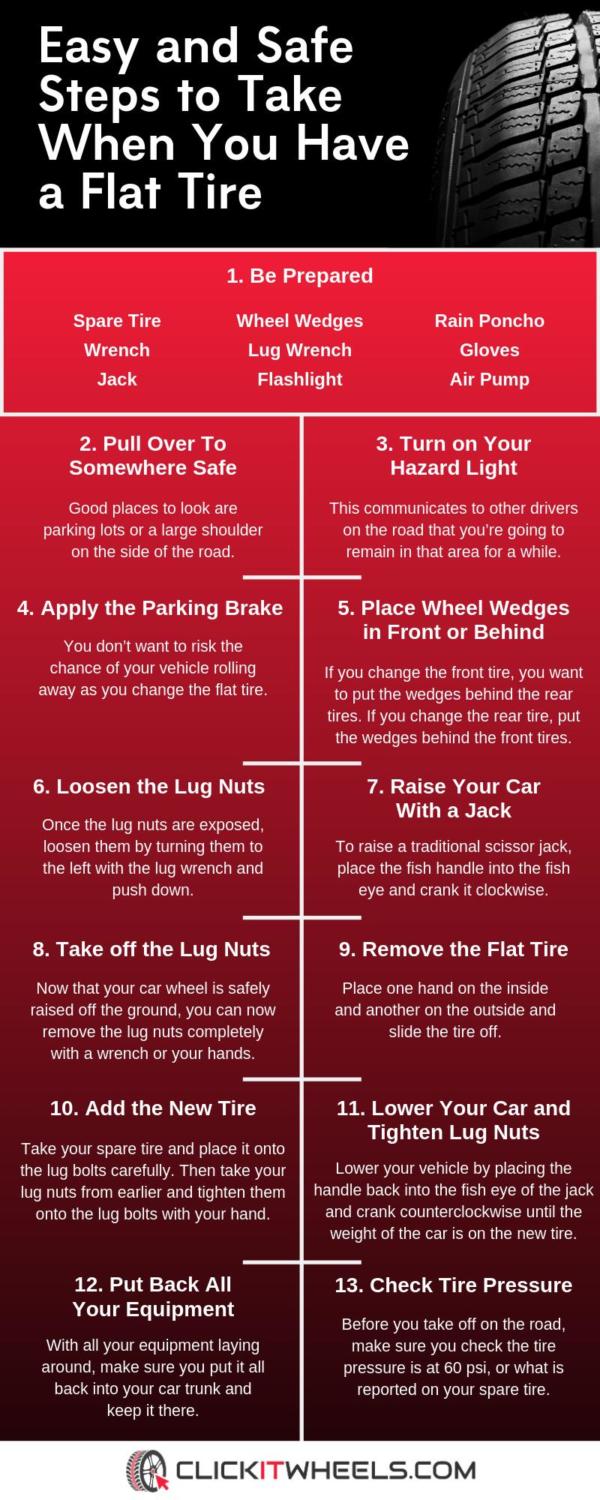
If you have a spare tire, the tools (jack, lug wrench), and the physical capability, changing a flat tire yourself is the most cost-effective immediate solution. It avoids roadside assistance fees and allows you to take the damaged tire for repair or replacement at your convenience, potentially saving you money by shopping around. However, it’s essential to be safe; ensure you’re on a level surface, away from traffic, and understand the proper procedure.
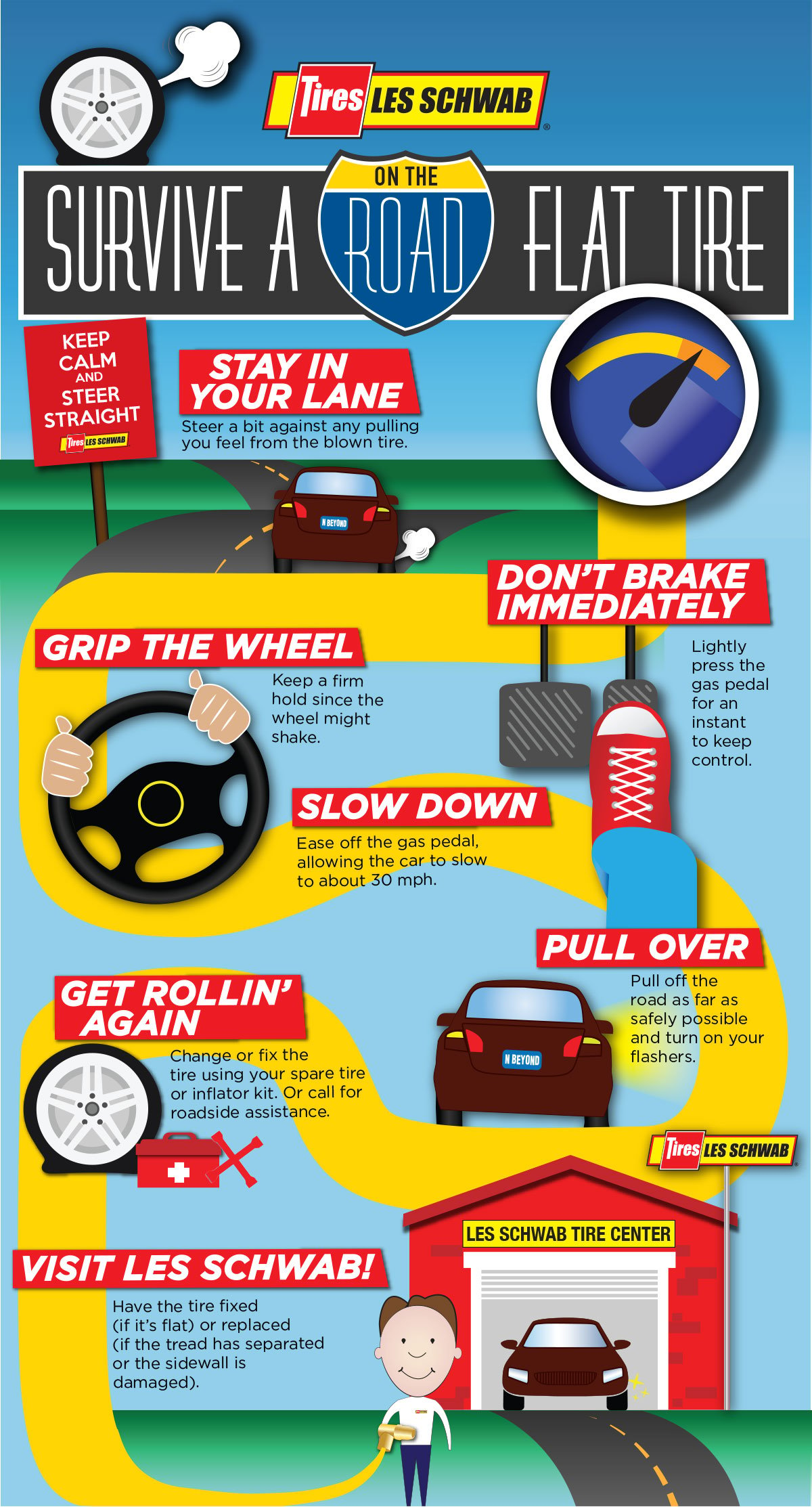
If DIY isn’t an option, professional service is necessary. This could mean using your roadside assistance coverage, calling a mobile tire repair service, or having your car towed to a shop. Weigh the immediate cost of these services against the potential cost of driving on a flat tire (rim damage, further tire damage) or the risk of injury from an unsafe DIY attempt. Sometimes, paying for professional help is the wiser financial decision in the long run.
Navigating Towing and Transportation Expenses
If your vehicle doesn’t have a spare, or if the spare is also flat or unusable, towing becomes inevitable. The cost of towing is highly variable, depending on distance, vehicle type, and time of day. Without roadside assistance coverage, you could be looking at $75 to several hundred dollars. To manage this expense, if you don’t have coverage, call a few local towing companies for quotes. Be clear about your location and destination. If you know a trusted repair shop, direct the tow there. Avoid simply letting the tow company take you to their preferred shop, which might not offer the best prices or services.
Consider that some mobile tire repair services can come to your location, repair the tire on site (if possible), or even bring a new tire. This might be a more cost-effective alternative to a full tow, depending on the service availability and pricing in your area.
Leveraging Technology for Financial Savings
Modern technology offers several tools to help manage flat tire expenses. Tire pressure monitoring systems (TPMS) in most modern vehicles can alert you to low tire pressure before it becomes a full-blown flat, giving you time to address the issue and prevent further damage. Smartphone apps can compare prices for new tires across various retailers in your area, helping you find the best deal if replacement is necessary. Some apps also provide directories for reputable repair shops and even mobile tire services.
Using navigation apps to find the nearest and most highly-rated tire shop, rather than settling for the first option, can ensure you get quality service at a fair price. Furthermore, digital payment systems and budgeting apps can help you track these unexpected expenses and adjust your budget accordingly for future preparedness.
Integrating Automotive Finance into Your Personal Budget
Dealing with a flat tire effectively is not just about reacting; it’s about robust financial integration. By viewing tire care and potential replacements as an ongoing aspect of your vehicle’s lifecycle, rather than a series of isolated emergencies, you can achieve greater financial stability and peace of mind.
Allocating Funds for Regular Tire Upkeep and Replacement
Just as you budget for oil changes and fuel, allocate a regular portion of your monthly budget specifically for tire maintenance and eventual replacement. A good rule of thumb is to factor in the cost of a full set of tires over their expected lifespan (e.g., if tires cost $600 and last 60,000 miles, and you drive 15,000 miles/year, you’d need new tires every four years, budgeting roughly $12.50/month). This approach shifts the financial burden from a sudden, large expense to a manageable, consistent allocation. This fund can then absorb not only scheduled replacements but also unexpected issues like flat tire repairs or road hazard replacements.
The Long-Term Savings of Quality Tire Investments
While it might be tempting to opt for the cheapest tires available, this often proves to be a false economy. Quality tires offer better durability, handling, and fuel efficiency. They are less prone to punctures, wear more evenly, and last longer, ultimately reducing your long-term cost per mile. Investing in tires that are appropriate for your vehicle and driving conditions can prevent frequent replacements, reduce the likelihood of costly incidents, and even contribute to better fuel economy, yielding savings over the tire’s lifespan. Consider the total cost of ownership rather than just the upfront price.
Financial Tools to Manage Automotive Budgets and Expenses
Utilize personal finance software or budgeting apps to create a dedicated category for automotive expenses, including tire maintenance, repairs, and emergencies. Track all related spending to gain a clear picture of your vehicle’s true cost. This data can inform your budgeting decisions, help you identify areas for potential savings, and ensure your automotive emergency fund is adequately funded. Many apps can categorize transactions automatically and provide insights into your spending patterns, empowering you to manage flat tire contingencies and broader automotive financial health with greater confidence and control.
aViewFromTheCave is a participant in the Amazon Services LLC Associates Program, an affiliate advertising program designed to provide a means for sites to earn advertising fees by advertising and linking to Amazon.com. Amazon, the Amazon logo, AmazonSupply, and the AmazonSupply logo are trademarks of Amazon.com, Inc. or its affiliates. As an Amazon Associate we earn affiliate commissions from qualifying purchases.