
A job fair is more than just a room full of employers; it’s a dynamic arena for personal branding. For job seekers, it represents a pivotal opportunity to market themselves directly to potential employers, articulate their value proposition, and leave a memorable impression. Success at a job fair hinges not merely on showing up, but on a strategic approach to presenting your professional identity, engaging with purpose, and effectively managing follow-up.
Pre-Fair Preparation: Crafting Your Personal Brand Blueprint
Your journey to a successful job fair experience begins long before you step foot into the venue. This preparatory phase is critical for defining and refining your personal brand, ensuring you present a cohesive, compelling, and professional image.

Defining Your Professional Narrative
Before you can effectively communicate your value to others, you must first understand it yourself. What unique skills, experiences, and aspirations define your professional identity?
- Self-Assessment: Take stock of your core competencies, achievements, and career goals. Identify your strengths and how they align with the types of roles or industries you’re targeting. What problems do you solve? What unique perspective do you bring?
- Target Audience Identification: Research the companies attending the fair. Which ones align with your values, career aspirations, and skill set? Understanding their needs will allow you to tailor your message and demonstrate how you fit into their organizational structure and culture.
- Value Proposition Development: Condense your self-assessment into a clear, concise statement that articulates what you offer. This isn’t just a list of skills; it’s about the unique benefits you bring to an employer. For instance, instead of “I am a project manager,” consider “I drive cross-functional teams to deliver complex projects on time and under budget, fostering collaboration and achieving measurable results.”
Resume and Portfolio Polish
Your resume and any supplementary materials (like a portfolio or online profile) are tangible representations of your personal brand. They must be impeccably polished, tailored, and easily digestible.
- Tailored Resumes: Generic resumes rarely make an impact. Customize your resume for each target company or type of role. Highlight experiences and skills most relevant to their needs, using keywords from their job descriptions. Have multiple versions ready if you’re exploring diverse opportunities.
- Concise & Impactful Language: Use strong action verbs and quantify your achievements whenever possible. Instead of “Responsible for customer service,” try “Improved customer retention by 15% through proactive engagement and problem resolution.”
- Professional Design & Format: Ensure your resume is clean, easy to read, and free of typos. Use a consistent format. Consider having a digital version readily accessible via a QR code on your physical resume or business card.
- Online Presence Alignment: Your LinkedIn profile and any professional websites (e.g., portfolio site for designers, GitHub for developers) should be up-to-date and consistent with your resume. Recruiters will look you up. Ensure your online brand reinforces your in-person presentation.
Crafting Your Elevator Pitch
This is your personal brand commercial – a brief, compelling summary of who you are, what you do, and what you’re looking for. It should be delivered in 30-60 seconds and pique the listener’s interest.
- Structure: Start with your name and current role/status. Briefly mention a key skill or achievement. State your career objective or what you’re seeking. End with a question to invite further conversation.
- Practice & Refine: Practice your pitch until it feels natural, not memorized. Be ready to adapt it slightly based on the company or recruiter you’re speaking with. The goal is to open a dialogue, not deliver a monologue.
Researching Target Companies
Strategic engagement requires knowledge. Researching companies beforehand demonstrates genuine interest and allows you to tailor your questions and discussions.
- Company Culture & Values: Understand what makes a company tick. This helps you determine if there’s a good fit and allows you to speak to how your personal brand aligns with theirs.
- Recent News & Projects: Mentioning a company’s recent achievements or challenges shows you’ve done your homework and are engaged.
- Specific Roles: While you might not know the exact roles available, understand the types of positions they typically hire for and how your skills can contribute.
Making a Lasting Impression: Your Job Fair Strategy
At the fair itself, every interaction is an opportunity to reinforce your personal brand. Your appearance, communication style, and networking approach all contribute to the impression you leave.
Dress for Success: Visual Branding
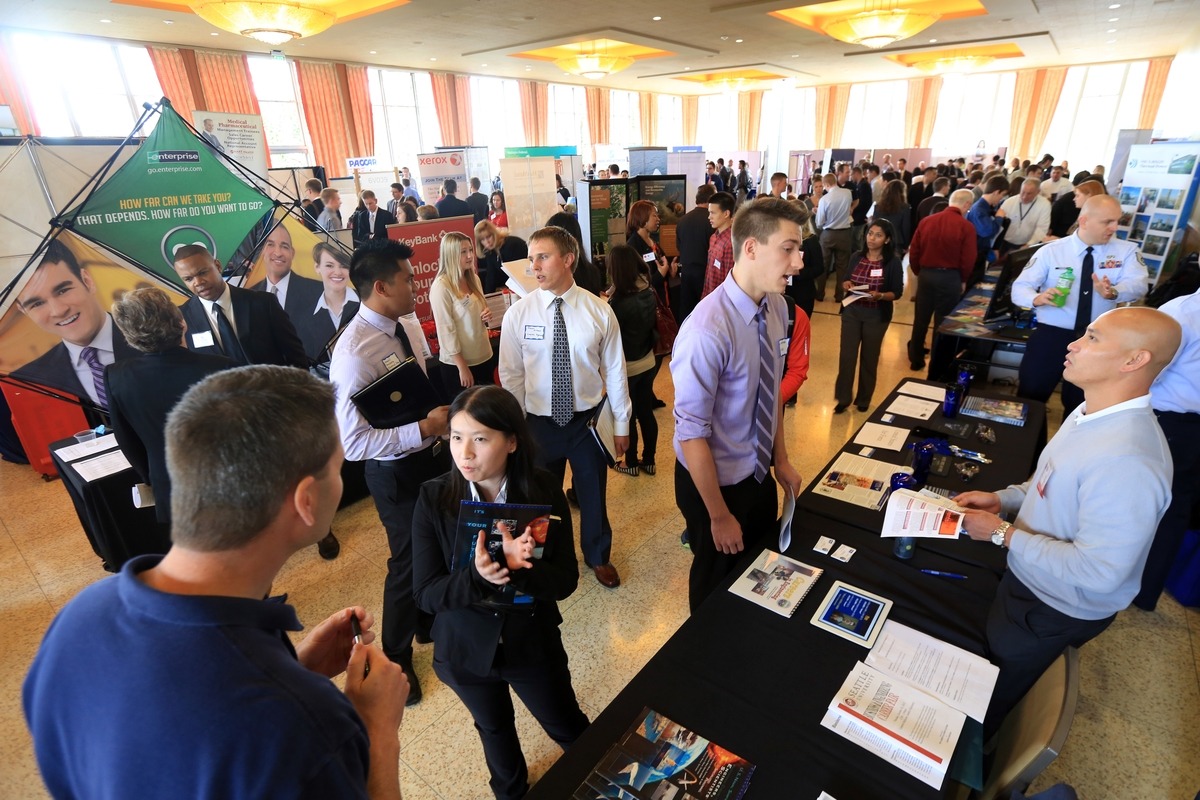
Your attire is your first visual statement. It communicates professionalism, respect, and attention to detail.
- Professional Attire: Opt for business professional or business casual. A well-fitting suit or smart separates (blouse/shirt, trousers/skirt, blazer) are generally safe choices. Avoid anything too casual, distracting, or uncomfortable.
- Grooming: Pay attention to personal grooming – neat hair, clean nails, and minimal fragrance. Your overall presentation should be polished and professional.
Engaging Effectively: Articulating Your Value
Successful interactions are about more than just handing over a resume; they’re about demonstrating your personality, passion, and potential.
- Confident Approach: Make eye contact, offer a firm handshake, and introduce yourself clearly. Confidence is a key aspect of strong personal branding.
- Active Listening: Don’t just wait for your turn to speak. Listen attentively to what recruiters say about their company and roles. This shows respect and allows you to tailor your responses effectively.
- Targeted Questions: Ask thoughtful, open-ended questions that go beyond what’s on their website. Inquire about team culture, professional development opportunities, or specific projects. This demonstrates genuine curiosity and foresight.
- Highlighting Alignment: Weave in elements of your personal brand that align with the company’s needs or values. “I noticed your company emphasizes [specific value], and in my previous role, I [demonstrate alignment with an achievement].”
Networking with Purpose
Beyond specific job openings, a job fair is an excellent networking opportunity.
- Collect Contact Information: Always ask for a business card or contact information from recruiters and company representatives. Note down key details of your conversation to personalize follow-up.
- Engage with Peers: Don’t overlook other job seekers. They could be future colleagues, valuable connections, or sources of insights.
- Informational Interviews: If a direct job fit isn’t immediately apparent, explore the possibility of an informational interview to learn more about the company or industry.
Gathering Information and Contacts
Be organized. As you move from booth to booth, keep track of who you spoke with, what you discussed, and what actions you need to take.
- Note-Taking: Immediately after each conversation, jot down the recruiter’s name, their role, key points discussed, and any specific next steps. This information will be invaluable for personalized follow-up.
- Resource Collection: Collect company brochures, business cards, and any other materials provided.
Post-Fair Follow-Up: Sustaining the Connection
Your efforts at the job fair can quickly fade if not followed up strategically. This final phase is crucial for cementing your personal brand in the minds of potential employers and advancing your candidacy.
Strategic Follow-Up Communications
A well-crafted thank-you note is more than just good etiquette; it’s a powerful branding tool.
- Timeliness: Send personalized thank-you emails within 24-48 hours of the fair. Promptness reinforces your professionalism and enthusiasm.
- Personalization: Refer to specific points of your conversation, reiterate your interest in the role or company, and briefly remind them of how your skills and experience align with their needs. This demonstrates attention to detail and a genuine connection.
- Reinforce Value: Briefly reiterate your unique value proposition and how you can contribute to their team.
- Professional Closing: Ensure your email is error-free, professional, and includes your contact information.
Leveraging Your New Connections
The business cards you collected are not just souvenirs; they are gateways to professional relationships.
- LinkedIn Connections: Send LinkedIn connection requests to the recruiters you met, including a brief, personalized message reminding them of your interaction at the fair.
- Stay Engaged: Follow target companies on social media and engage with their content. This keeps you informed and visible.
- Nurture Relationships: For connections that might not lead to an immediate job, consider periodically reaching out with relevant articles or industry insights to keep the relationship warm.
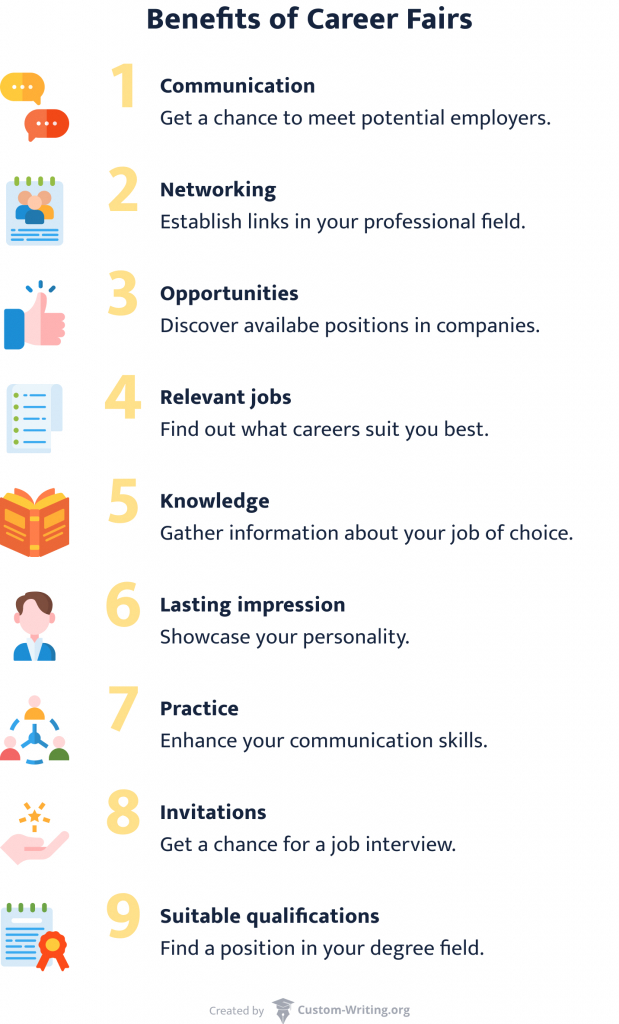
Reflecting and Refining Your Approach
Every job fair is a learning experience. Take time to reflect on what went well and what could be improved.
- Self-Critique: Evaluate your elevator pitch, your questions, and your overall engagement style. Were you clear, confident, and compelling?
- Feedback Integration: If you receive any feedback, incorporate it into your strategy for future networking events or interviews.
- Continuous Brand Evolution: Your personal brand is not static. Continuously refine your narrative, skills, and online presence to remain relevant and competitive in the job market.
By approaching a job fair with a meticulous plan for branding yourself, engaging strategically, and following up effectively, you transform a potentially overwhelming event into a powerful catalyst for your career advancement. It’s about presenting your best self, understanding your unique value, and communicating it with clarity and confidence.
aViewFromTheCave is a participant in the Amazon Services LLC Associates Program, an affiliate advertising program designed to provide a means for sites to earn advertising fees by advertising and linking to Amazon.com. Amazon, the Amazon logo, AmazonSupply, and the AmazonSupply logo are trademarks of Amazon.com, Inc. or its affiliates. As an Amazon Associate we earn affiliate commissions from qualifying purchases.