
Your personal brand is the sum total of the impressions you leave on others, and a job interview is the ultimate audit of that brand. While many candidates focus exclusively on rehearsing their verbal answers, the physical and digital items you bring to an interview are silent signals of your professionalism, preparation, and attention to detail. Every object placed on the conference table functions as a branding touchpoint, conveying a narrative about who you are as a professional.
Curating Your Professional Toolkit
Before you even step into the building, your “kit” should be curated to reflect your identity as an organized, reliable, and solution-oriented individual. Minimalism often communicates confidence, while clutter suggests a lack of focus.
The Portfolio as a Brand Statement
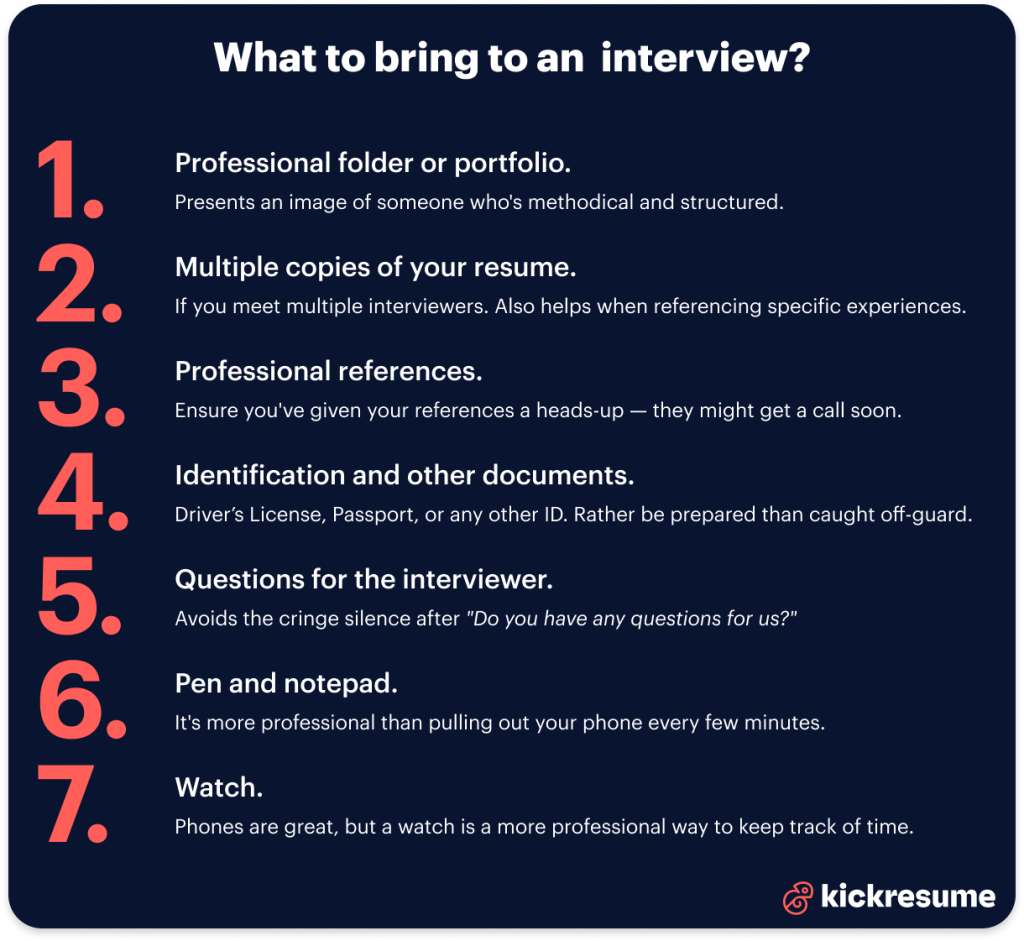
Your portfolio should not merely be a binder of past work; it is the physical manifestation of your professional philosophy. Whether you are in design, marketing, or project management, the way you present your case studies matters as much as the content itself. Ensure your portfolio is housed in a sleek, neutral-colored folder or professional leather padfolio. Avoid binders with company logos from previous employers; your brand is currently the one under the spotlight.
The Power of Tangible Documentation
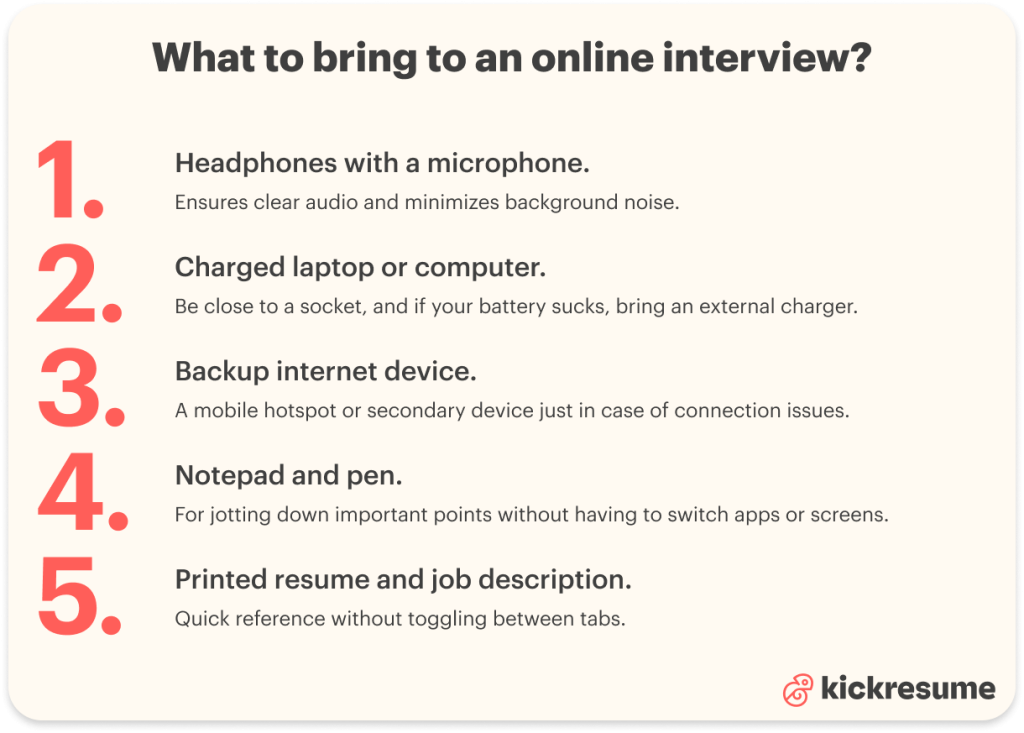
Even in an increasingly digital world, carrying physical copies of your resume is non-negotiable. A polished, high-quality paper copy—printed on premium, weighted resume paper—demonstrates that you respect the interviewer’s time. If a hiring manager’s laptop fails or they simply prefer a hard copy to scribble notes on, you have eliminated a friction point. Carry at least three copies neatly tucked away in your folder, along with a list of references printed in the same professional format. This consistency in branding shows that you treat every detail as a priority.
Digital Presence and Technical Readiness
Your digital assets serve as an extension of your personal brand. While you don’t necessarily need to bring a laptop to every interview, you must be prepared to demonstrate technical fluency if the role requires it.
Managing Your Digital Assets
If your work requires a digital presentation, never rely solely on cloud connectivity. Wi-Fi can be unreliable, and guest networks are notoriously restrictive. Always carry a secondary storage device containing your presentation, and ensure your files are formatted in a universally accessible way, such as a PDF or a standardized slide deck.
The “Tech-Ready” Mindset
If you are coming from a tech-centric role, bringing your own hardware can sometimes be appropriate, provided it is pristine. A clean, updated device signals that you manage your tools with care. However, if you are bringing a tablet or laptop, ensure that all notifications are silenced, the desktop is clean, and your battery is fully charged. Nothing undermines a brand faster than a dying battery or an intrusive “ping” from a personal messaging app mid-interview.
Mastering the Narrative Through Presentation

The items you carry are props in the story you are telling. Every candidate is telling a story of growth, capability, and cultural fit. Your belongings should reinforce that narrative without distracting from it.
The Stationery of Success
It may seem archaic, but bringing a high-quality pen and a professional notebook remains a gold standard in corporate settings. It signals that you are an active listener, someone who values the information being shared enough to document it. Avoid using a branded pen from a competitor or a cheap, leaking plastic pen. Choose a writing instrument that feels substantial and reliable. Your notebook should be dedicated to professional notes; avoid using a notebook with doodles, personal grocery lists, or outdated meeting notes.
Subtle Branding Through Accessories
Your bag, your attire, and even the way you carry your materials contribute to your overall visual identity. A disorganized, overflowing bag contradicts a resume that claims you have “exceptional organizational skills.” Opt for a bag or briefcase that is structurally sound and professional. The goal is to ensure that your accessories facilitate your performance rather than providing a visual distraction. Everything you bring should be an asset, not a liability.
Beyond the Physical: The Mental Inventory
While the focus here is on what you bring, it is critical to acknowledge that your best asset is your mental preparation. The items you bring are the physical support for your cognitive narrative.
Anticipating the “Ask”
The most prepared candidates bring items that anticipate the needs of the interviewer. If you are entering a role that requires analytical skills, bring a notebook with a few thoughtful, researched questions prepared on the first page. If you are entering a creative role, bring a physical artifact that showcases a problem you solved. By carrying items that act as “conversation starters,” you shift the dynamic from a passive Q&A session to a collaborative, brand-building dialogue.
Reviewing the Content of Your Briefcase
Conduct a “pre-flight” check the night before. Remove any unnecessary clutter, such as old receipts, food wrappers, or unrelated documents. Ensure your materials are organized in a logical flow. The simple act of pulling out a clean, crisp document without having to rummage through a pile of nonsense is a subtle power move. It tells the interviewer, “I know exactly where I stand, and I am prepared for what comes next.”
Finalizing Your Personal Branding Strategy
When you walk into the interview room, you are not just presenting your skills; you are presenting a solution to the company’s pain points. Every item you remove from your bag should be an intentional choice that supports your personal brand narrative.
Consistency as a Competitive Advantage
In a competitive job market, the difference between two equally qualified candidates is often found in the margins. It is the attention to detail—the quality of the resume paper, the organization of your portfolio, the readiness of your digital tools—that creates a lasting professional impression. Consistency is the hallmark of a high-value personal brand. When your physical presentation matches your professional resume and your verbal communication, you create a cohesive, trustworthy image.
The Psychology of Preparedness
Ultimately, bringing the right items provides you with a sense of psychological safety. When you know you have the resources you need to handle any request, your anxiety decreases, and your performance improves. You are not just bringing tools to an interview; you are bringing the infrastructure of your success. As you prepare for your next career move, view every item in your toolkit as a reflection of your professional standards. Whether it is a digital file or a printed reference sheet, make sure it says exactly what you want it to say about your brand. By treating the interview as a curated experience, you demonstrate that you are not just looking for a job, but that you are a serious professional ready to integrate into and elevate the brand you are interviewing with. The items you carry are the final touch in a sequence of strategic decisions that define your trajectory in the marketplace. Invest in these tools, keep them pristine, and let your preparation speak volumes before you even say a word.
aViewFromTheCave is a participant in the Amazon Services LLC Associates Program, an affiliate advertising program designed to provide a means for sites to earn advertising fees by advertising and linking to Amazon.com. Amazon, the Amazon logo, AmazonSupply, and the AmazonSupply logo are trademarks of Amazon.com, Inc. or its affiliates. As an Amazon Associate we earn affiliate commissions from qualifying purchases.