
In the realm of automotive technology, the pursuit of efficiency is a never-ending race. For truck owners, this often translates to a desire for more torque, better towing capacity, and a more responsive engine. While many enthusiasts focus on software chips or cold air intakes, one of the most significant technological upgrades one can make to a truck’s internal combustion system is the installation of aftermarket headers.
To the uninitiated, headers might look like a simple collection of tangled pipes. However, from an engineering perspective, they represent a sophisticated solution to one of the most persistent bottlenecks in engine performance: exhaust gas restriction. By replacing the standard, factory-installed exhaust manifold with precision-engineered headers, you are essentially upgrading the “respiratory system” of your vehicle. This article explores the technical mechanics, the fluid dynamics, and the digital calibration required to understand exactly what headers do on a truck.
Understanding the Engineering: The Science of Exhaust Scavenging
To understand what headers do, we must first look at the component they replace—the exhaust manifold. On most factory trucks, the exhaust manifold is a thick, cast-iron unit designed for durability and low production cost. It collects exhaust gases from multiple cylinders into a single, cramped chamber. This design, while sturdy, creates “backpressure,” where the exhaust gases from one cylinder interfere with the exit of gases from another.
From Manifold to Header: The Structural Shift
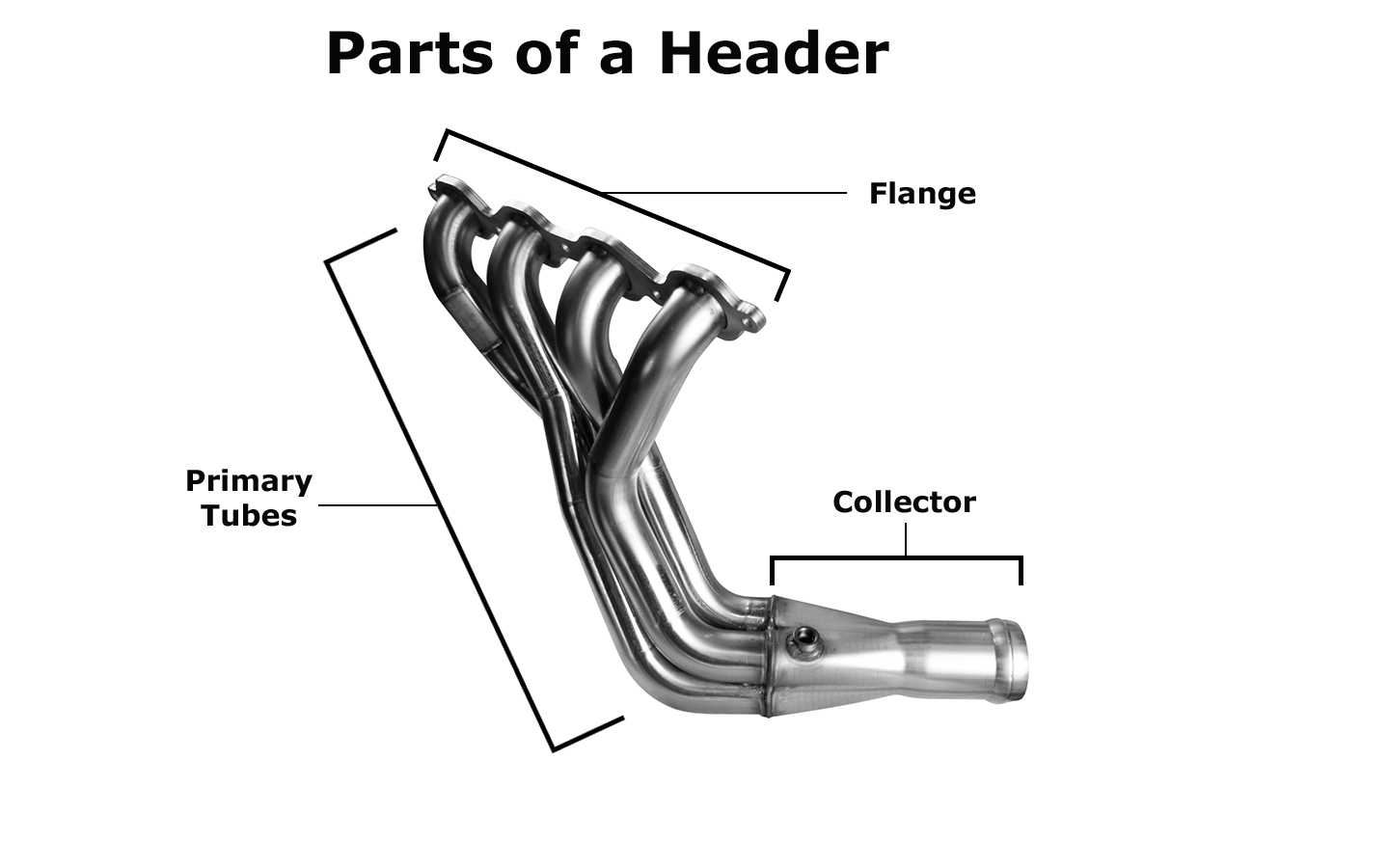
The primary technological difference between a manifold and a header lies in the individualization of the exhaust paths. Headers consist of individual tubes for each exhaust port, which eventually merge into a larger pipe called a collector. Unlike the rough, cast-iron interior of a manifold, headers are typically made from mandrel-bent stainless steel or aluminum. Mandrel bending is a high-tech manufacturing process that ensures the pipe maintains a consistent diameter throughout the curve, preventing any restrictive “kinks” that could impede airflow.
The Venturi Effect and Pulse Tuning
The real “magic” of header technology is a phenomenon known as scavenging. As the engine runs, exhaust gas doesn’t flow in a steady stream; it moves in high-pressure pulses. When a pulse of hot gas shoots down a primary header tube, it creates a localized vacuum (low-pressure zone) behind it.
Through precise mathematical tuning of the tube length and diameter, engineers can time these pulses so that the vacuum created by one cylinder’s exhaust helps “pull” the exhaust out of the next cylinder in the firing order. This is known as the Venturi effect. By maximizing scavenging, headers ensure that the cylinder is completely cleared of spent gases, allowing for a purer mixture of air and fuel in the next intake stroke.
Key Benefits of Aftermarket Headers for Modern Trucks
The transition from a restrictive manifold to a high-flow header system results in several measurable performance gains. These aren’t just subjective improvements in “feel”; they are quantifiable changes in the engine’s volumetric efficiency.
Boosting Horsepower and Torque Through Airflow
The most sought-after benefit of truck headers is the increase in horsepower and torque. By reducing backpressure, the engine doesn’t have to work as hard to push exhaust gases out of the system. This “saved” energy is instead directed toward the crankshaft, resulting in more power delivered to the wheels. For trucks, which are often used for hauling heavy loads or off-roading, the increase in low-end torque is particularly valuable. It allows the vehicle to move heavy weight with less strain on the powertrain.
Thermal Management and Engine Longevity
Modern truck engines generate an immense amount of heat. Factory cast-iron manifolds are notorious for soaking up this heat and retaining it deep within the engine bay. High-tech aftermarket headers, especially those with ceramic coatings, offer superior thermal management. Ceramic coatings act as a thermal barrier, keeping the heat inside the tubes so it can be expelled out of the tailpipe more quickly. This keeps the engine bay cooler, protecting sensitive electronic components, wiring harnesses, and plastic connectors from heat-related degradation.
Sound Profile and Acoustic Engineering
While often viewed as a secondary benefit, the acoustic transformation of a truck after installing headers is a result of precise sound engineering. Because the exhaust pulses are no longer colliding in a cramped manifold, the “thumping” or “droning” sound often associated with heavy-duty trucks is replaced by a smoother, more rhythmic tone. In tech-heavy performance builds, the exhaust note is an indicator of the engine’s rhythmic health and efficiency.
Types of Headers: Tech Specs and Material Science
Not all headers are created equal. Depending on the truck’s intended use—whether it’s a daily driver, a dedicated towing rig, or a high-speed desert runner—the technical specifications of the headers will vary significantly.
Shorty vs. Long-Tube Headers
The debate between “Shorty” and “Long-Tube” headers is central to truck performance tech.
- Shorty Headers: These are designed to be a direct bolt-on replacement for the factory manifold. They are more compact and typically offer gains in the mid-to-high RPM range. They are ideal for trucks that need to remain emissions-legal and don’t require extensive modifications to the rest of the exhaust system.
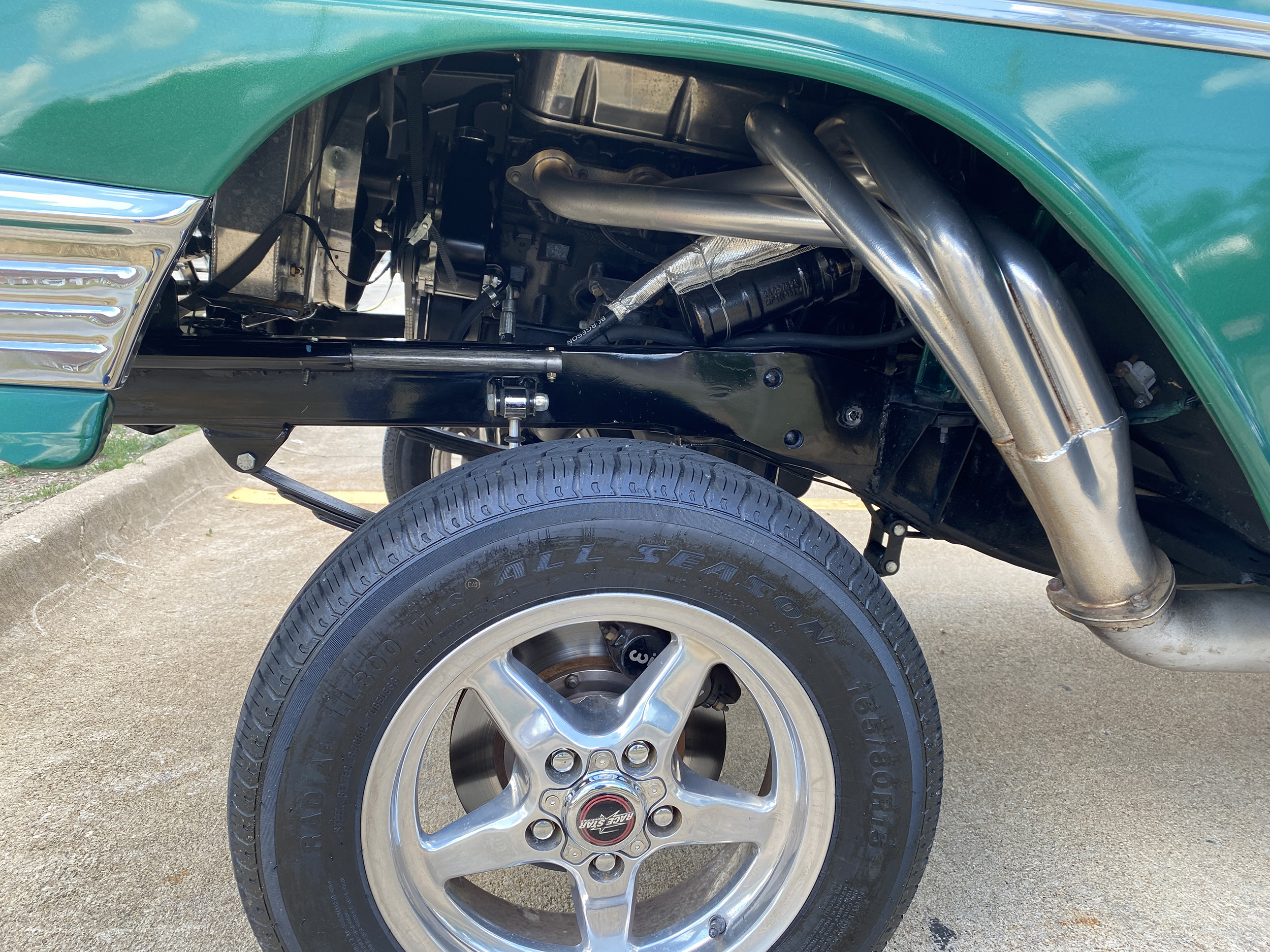
- Long-Tube Headers: These feature much longer primary tubes that converge further down under the vehicle. From a physics standpoint, long-tube headers are superior for building low-to-mid-range torque, which is the “sweet spot” for truck performance. However, they often require relocating catalytic converters and are more complex to install.
Material Selection: Stainless Steel vs. Ceramic Coating
The materials used in header construction are a testament to modern metallurgical advancements. 304 Stainless Steel is the gold standard for high-end headers due to its high chromium and nickel content, which prevents rust and corrosion even under extreme heat cycles. For users in harsh environments, ceramic-coated headers provide an extra layer of protection. This coating is applied using a specialized process that bonds the ceramic to the metal, providing a finish that can withstand temperatures exceeding 1,600 degrees Fahrenheit.
The Digital Integration: Tuning and ECU Calibration
In the modern era, mechanical upgrades like headers cannot be viewed in isolation. Because today’s trucks are essentially “computers on wheels,” changing the airflow dynamics of the engine requires a corresponding update to the digital management system.
Oxygen Sensor Feedback Loops
Modern trucks utilize O2 (oxygen) sensors to monitor the efficiency of the combustion process. These sensors are located in the exhaust stream. When you install headers, especially long-tube variants, the position of these sensors changes. The exhaust gases also reach the sensors at different temperatures and speeds than the factory settings anticipate. Without technical adjustment, this can lead to “check engine” lights or the engine running in a “limp mode” to prevent perceived damage.
Remapping for Optimal Air-Fuel Ratios
To fully unlock the potential of headers, a digital “tune” or ECU (Engine Control Unit) remapping is often required. Tuners use specialized software to adjust the air-fuel ratio and ignition timing to match the increased airflow provided by the headers. By recalibrating the engine’s software, technicians can ensure that the increased “exhale” of the headers is balanced by a more aggressive “inhale” and spark, resulting in a cohesive performance ecosystem.
Considerations for the High-Tech Truck Enthusiast
Before diving into a header upgrade, there are several technical hurdles and environmental factors that the modern truck owner must consider. The intersection of performance and regulation is a complex space.
Emissions Compliance and Sensor Compatibility
One of the biggest challenges in the world of automotive technology is balancing power with environmental responsibility. Many high-performance long-tube headers are labeled “for off-road use only” because they alter the factory emissions equipment. However, many manufacturers now produce “shorty” headers that are 50-state legal and carry a CARB (California Air Resources Board) EO number. Understanding the legal tech requirements in your specific region is crucial to ensuring your truck remains road-legal.

Installation Challenges in Modern Engine Bays
As truck technology has advanced, engine bays have become increasingly crowded. Turbos, cooling lines, steering shafts, and complex wiring looms take up almost every square inch of space. Installing headers is no longer a simple “wrench-and-bolt” affair; it often requires precision tools and, in some cases, the partial lifting of the engine. The technical complexity of the installation means that many owners opt for professional shops that specialize in performance technology to ensure that the headers are seated perfectly with no exhaust leaks, which could compromise both performance and safety.
In conclusion, headers are much more than just shiny pipes. They are a critical piece of engineering that optimizes fluid dynamics, manages extreme thermal energy, and interacts deeply with the vehicle’s digital brain. For the truck owner looking to push their vehicle beyond factory limitations, understanding the tech behind headers is the first step toward a more powerful, efficient, and capable machine.
aViewFromTheCave is a participant in the Amazon Services LLC Associates Program, an affiliate advertising program designed to provide a means for sites to earn advertising fees by advertising and linking to Amazon.com. Amazon, the Amazon logo, AmazonSupply, and the AmazonSupply logo are trademarks of Amazon.com, Inc. or its affiliates. As an Amazon Associate we earn affiliate commissions from qualifying purchases.