
The human body is a marvel of biological engineering, and understanding its intricate mechanisms is key to optimizing performance, preventing injury, and enhancing overall well-being. At the posterior of the thigh lies a group of three muscles known collectively as the hamstrings. While their fundamental function is well-established in basic anatomy, the modern era of fitness technology offers an unprecedented opportunity to delve deeper into their biomechanical significance, monitor their activity, and leverage data to improve their efficiency and resilience. This article explores the crucial roles of the hamstring muscles, examining how technology is revolutionizing our comprehension and application of this vital muscle group.
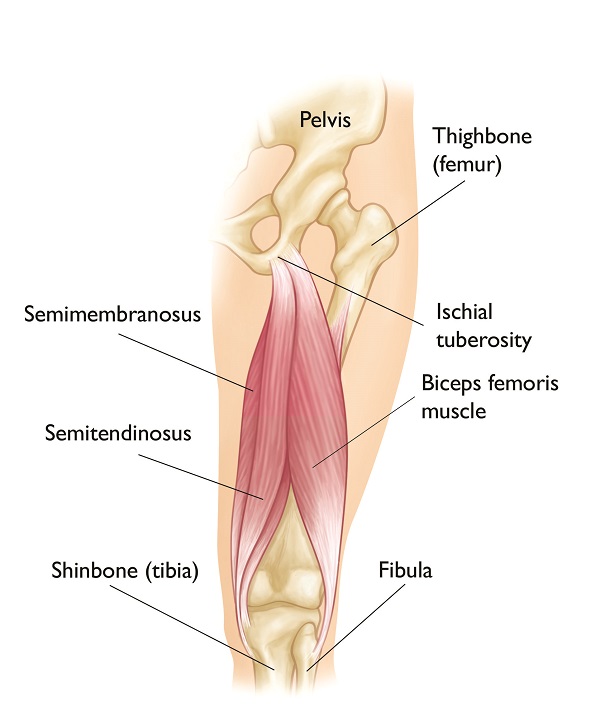
The Biomechanical Foundation: Core Functions of the Hamstrings
The hamstrings, comprised of the biceps femoris, semitendinosus, and semimembranosus, are a critical component of lower body movement. Their primary actions are directly linked to locomotion and postural stability, making them indispensable for a wide range of physical activities, from walking and running to jumping and lifting.
Knee Flexion: The Art of Bending the Leg
One of the most prominent functions of the hamstrings is their role in knee flexion – the action of bending the knee. This movement is essential for decelerating the lower leg during activities like running, enabling controlled landing, and facilitating movements like cycling or kicking. Specialized sensors embedded in wearable devices, such as accelerometers and gyroscopes found in smart insoles or motion capture suits, can precisely quantify the forces and angles associated with knee flexion during various movements. This granular data allows athletes and trainers to assess the efficiency of hamstring engagement during the swing phase of running, identifying any imbalances or weaknesses that might predispose an individual to injury. For instance, a discrepancy in hamstring activation between the left and right legs, detectable through bio-impedance sensors or electromyography (EMG) integrated into specialized shorts, can signal a need for targeted rehabilitation or strengthening exercises.
Hip Extension: Driving Forward Motion
Beyond their role at the knee, the hamstrings also play a significant part in hip extension – the movement of bringing the thigh backward or straightening the hip joint. This action is fundamental to propelling the body forward, whether during a sprint, a powerful jump, or even during activities like rowing. Load cells integrated into exercise equipment, such as weight machines or smart barbells, can measure the forces exerted during hip extension exercises like deadlifts or good mornings. By analyzing this data in conjunction with real-time muscle activation patterns captured by wearable EMG sensors, fitness professionals can gain a nuanced understanding of how effectively the hamstrings are contributing to overall hip extension power. This allows for personalized training adjustments, ensuring optimal muscle recruitment and preventing over-reliance on other muscle groups that might lead to compensatory strain.
Stabilizing the Knee Joint: A Crucial Ancillary Role
While knee flexion and hip extension are their primary roles, the hamstrings also act as vital stabilizers for the knee joint, particularly in conjunction with the anterior cruciate ligament (ACL). They help to prevent excessive forward translation of the tibia (shin bone) relative to the femur (thigh bone). This stabilizing function is paramount in activities involving cutting, pivoting, and sudden changes in direction, where the knee is subjected to significant rotational forces. Advanced biomechanical analysis software, often paired with high-speed motion capture cameras and force plates, can meticulously dissect the forces acting on the knee during these dynamic movements. By observing the precise timing and magnitude of hamstring muscle activation in response to these forces, researchers and clinicians can identify athletes at higher risk of ACL injuries and implement proactive injury prevention strategies. Wearable sensors that monitor joint angles and ground reaction forces can provide ongoing feedback, alerting individuals to potentially risky movement patterns.
Technology’s Role in Hamstring Assessment and Training
The evolution of fitness technology has transformed how we assess and train the hamstring muscles, moving beyond subjective observation to data-driven insights. From advanced imaging to sophisticated wearable devices, technology offers unparalleled precision in understanding hamstring function and optimizing performance.
Biomechanical Analysis and Motion Capture: Deconstructing Movement
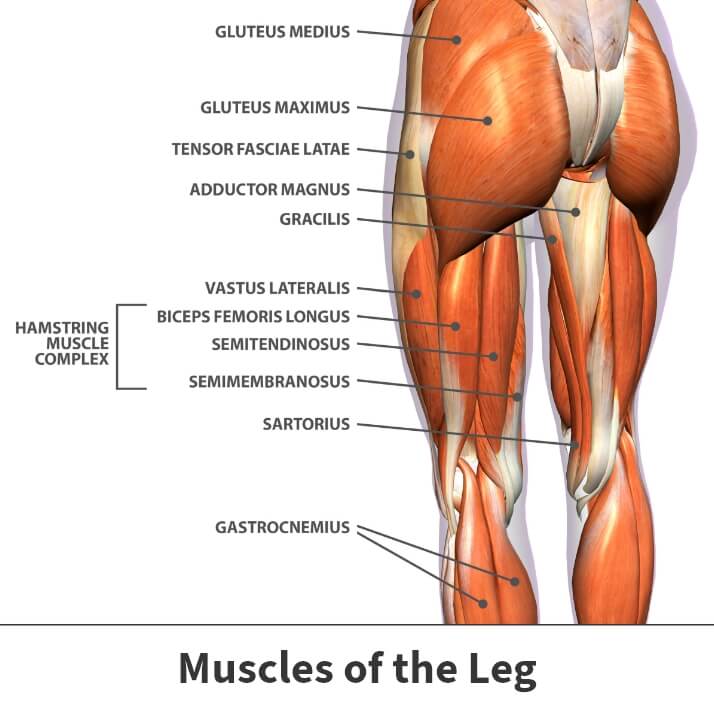
High-definition motion capture systems, utilizing infrared cameras and reflective markers placed on key anatomical landmarks, provide a detailed, three-dimensional reconstruction of body movements. When coupled with force plates that measure ground reaction forces, these systems allow for an incredibly precise analysis of biomechanics. For hamstring muscles, this means quantifying the forces they generate and absorb during activities like running, jumping, and landing. For example, an analysis might reveal that during a sprint, the hamstrings are not firing with the optimal peak force or that their activation pattern is delayed, indicating potential inefficiency or a higher risk of strain. Similarly, in landing mechanics, motion capture can highlight excessive eccentric loading on the hamstrings, a common precursor to hamstring tears. This detailed data allows for the creation of highly personalized training programs that target specific movement deficits identified by the technology.
Wearable Sensors and Performance Tracking: Real-Time Insights
The proliferation of wearable technology has democratized access to performance data. Smartwatches, fitness trackers, and specialized athletic apparel equipped with accelerometers, gyroscopes, and even basic EMG sensors can continuously monitor movement patterns, stride length, cadence, and ground contact time during exercise. For hamstrings, this translates to real-time feedback on the intensity and efficiency of their engagement. For instance, a runner using a connected app might receive alerts if their stride asymmetry suggests one hamstring is working harder than the other, or if their hamstring engagement during the deceleration phase of their stride appears insufficient, indicating a need for more eccentric strength training. Advanced wearables are also beginning to incorporate heat-mapping technology that can provide insights into muscle temperature, which can be an indicator of readiness or fatigue, indirectly relating to hamstring function.
Electromyography (EMG) and Muscle Activation: Understanding Neuromuscular Control
Electromyography (EMG) is a physiological technique that measures the electrical activity produced by skeletal muscles. Surface EMG sensors, increasingly integrated into athletic apparel or used as standalone devices, can detect the electrical signals that trigger muscle contractions. This allows for a direct assessment of when and how strongly the hamstring muscles are activating during specific movements. By comparing EMG data from the hamstrings with other muscle groups, trainers can identify imbalances and ensure proper muscle recruitment patterns. For example, during a squat, low hamstring EMG activity relative to quadriceps activity might indicate a need to focus on exercises that better engage the hamstrings, such as Romanian deadlifts. Portable EMG systems allow for this analysis to be conducted not just in a lab setting but also during actual training sessions, providing invaluable real-time feedback for optimizing technique and training load.
Optimizing Hamstring Health and Performance with Technology
Leveraging the insights gleaned from technological assessments allows for a proactive and personalized approach to hamstring health and performance enhancement. This data-driven strategy moves beyond generalized training protocols to address individual needs and mitigate risks.
Injury Prevention Strategies: Proactive Measures Through Data
Hamstring injuries, particularly tears, are a common and often debilitating concern for athletes. Technology plays a pivotal role in shifting the paradigm from reactive treatment to proactive prevention. By analyzing biomechanical data from motion capture, wearable sensors, and even 3D motion analysis performed by physical therapists, patterns indicative of increased injury risk can be identified. For example, a runner whose stride analysis reveals a consistently higher rate of knee valgus (inward collapse of the knee) during landing, coupled with delayed hamstring activation, might be flagged for specific neuromuscular retraining. Wearable devices can be programmed to alert athletes to these potentially risky movement patterns during training, allowing for immediate correction. Furthermore, the use of force-measuring insoles can highlight imbalances in the forces distributed across the hamstrings during eccentric loading, enabling targeted interventions to strengthen weaker areas before an injury occurs.
Rehabilitation and Return-to-Play Protocols: Precision in Recovery
Following a hamstring injury, the process of rehabilitation and the decision for an athlete to return to play are critical junctures. Technology offers unprecedented precision in guiding these phases. Wearable EMG sensors can track the gradual return of hamstring muscle activation and strength during rehabilitation exercises, ensuring that the muscle is firing effectively and without compensatory patterns. Force plates can be used to objectively measure the force-generating capacity of the injured hamstring relative to the uninjured limb, providing clear benchmarks for progress. Advanced rehabilitation software can analyze gait patterns and functional movement assessments, ensuring that the athlete’s biomechanics have returned to pre-injury levels. This data-driven approach provides clinicians and athletes with objective evidence of readiness, minimizing the risk of premature return and re-injury.

Performance Enhancement and Training Load Management: Maximizing Potential
Beyond injury prevention and rehabilitation, technology is instrumental in optimizing hamstring performance for athletes across disciplines. By meticulously tracking metrics like peak power output during sprints, hamstring engagement during plyometric drills, and eccentric loading capacity during deceleration, trainers can design highly specific training programs. Wearable devices that monitor heart rate variability and sleep patterns, in conjunction with training load data, contribute to intelligent training load management. This ensures that athletes are adequately recovering, preventing overtraining which can negatively impact hamstring function and increase injury risk. Tools like virtual reality (VR) environments are also emerging as a way to simulate sport-specific movements, allowing for controlled practice and analysis of hamstring engagement in a safe, technologically augmented setting. The ability to precisely quantify the impact of different training modalities on hamstring strength and power through objective data allows for continuous refinement and maximization of athletic potential.
aViewFromTheCave is a participant in the Amazon Services LLC Associates Program, an affiliate advertising program designed to provide a means for sites to earn advertising fees by advertising and linking to Amazon.com. Amazon, the Amazon logo, AmazonSupply, and the AmazonSupply logo are trademarks of Amazon.com, Inc. or its affiliates. As an Amazon Associate we earn affiliate commissions from qualifying purchases.