
The term “hacker” often conjures images of hooded figures hunched over glowing screens, fueled by caffeine and an insatiable desire for digital chaos. While this Hollywood portrayal holds a kernel of truth, the reality of what hackers do is far more nuanced, diverse, and often, far more impactful than the sensationalized narratives suggest. In the intricate landscape of digital security, hackers are not a monolithic entity but a spectrum of individuals and groups with varying motivations, skill sets, and objectives. Understanding their actions is paramount to fortifying our own digital defenses and navigating the ever-evolving threat landscape. This exploration delves into the multifaceted world of hacking, focusing on the technical methodologies, strategic objectives, and the underlying principles that drive their operations.
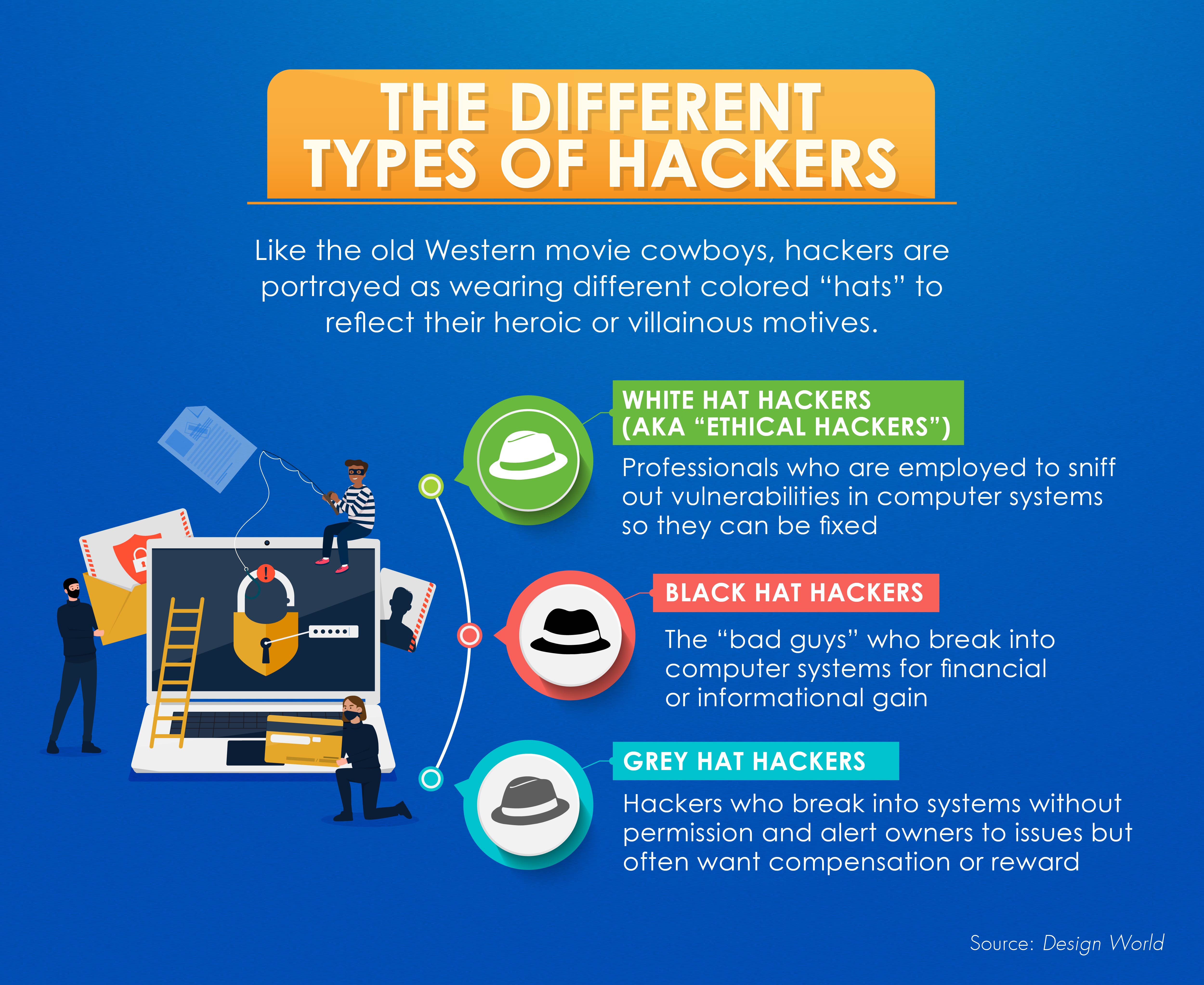
The Spectrum of Hacking: From Malice to Morality
The word “hacker” itself has become a loaded term, often synonymous with illicit activity. However, the original spirit of hacking was one of ingenuity and problem-solving, pushing the boundaries of what technology could achieve. This distinction is crucial in understanding the modern hacker landscape, which encompasses a broad spectrum of intentions and ethical frameworks.
White Hat Hackers: The Digital Guardians
White hat hackers, also known as ethical hackers, operate within legal and ethical boundaries. Their primary objective is to identify vulnerabilities in systems, networks, and applications before malicious actors can exploit them. They are employed by organizations, cybersecurity firms, or hired as independent contractors to perform penetration testing, vulnerability assessments, and security audits.
Penetration Testing and Vulnerability Assessment
Penetration testing is a simulated cyberattack against a computer system, network, or web application to find exploitable vulnerabilities. White hat hackers use the same tools and techniques as their malicious counterparts but with explicit permission from the system owner. This process involves reconnaissance, scanning, gaining access, maintaining access, and covering tracks – all within a controlled environment. Vulnerability assessments, on the other hand, are more passive, focusing on identifying weaknesses without necessarily attempting to exploit them. This often involves automated scanning tools and manual code review.
Bug Bounty Programs and Responsible Disclosure
A significant avenue for white hat hackers is participation in bug bounty programs offered by many tech companies. In these programs, hackers are rewarded financially for discovering and reporting security flaws. This incentivizes proactive security testing and allows companies to fix issues before they are exploited. Responsible disclosure is a key tenet, where hackers report their findings to the vendor privately, giving them a reasonable timeframe to address the vulnerability before making it public. This collaborative approach fosters a more secure digital ecosystem.
Black Hat Hackers: The Digital Adversaries
Black hat hackers represent the malicious side of the spectrum. Their actions are illegal and intended to cause harm, steal data, disrupt services, or gain financial or personal advantage. They operate without authorization, often targeting individuals, corporations, and even governments.
Malware Development and Deployment
A core activity for black hat hackers is the creation and distribution of malware. This includes viruses, worms, trojans, ransomware, spyware, and adware. These malicious programs are designed to infiltrate systems, steal sensitive information (like login credentials, financial data, and personal identifiable information), disrupt operations, or hold systems hostage for ransom. Deployment methods range from phishing emails and malicious websites to exploiting software vulnerabilities and infected removable media.
Phishing and Social Engineering
Phishing remains one of the most effective attack vectors employed by black hat hackers. This involves deceiving individuals into revealing sensitive information or downloading malware, typically through fraudulent emails, text messages, or websites that impersonate legitimate entities. Social engineering, a broader tactic, exploits human psychology to gain access to systems or information. Hackers might impersonate IT support, colleagues, or trusted authorities to manipulate victims into performing actions that compromise security.
Exploiting System Vulnerabilities
Black hat hackers constantly seek out and exploit weaknesses in software, hardware, and network configurations. This can involve leveraging known vulnerabilities for which patches are available but have not been applied (unpatched vulnerabilities), or discovering zero-day vulnerabilities – flaws that are unknown to the software vendor and for which no patch exists. Exploiting these vulnerabilities allows them to gain unauthorized access, escalate privileges, or execute arbitrary code on target systems.
Grey Hat Hackers: The Ambiguous Zone
Grey hat hackers exist in a moral and legal gray area. They might discover vulnerabilities without permission but then inform the system owner, sometimes requesting a fee for their discovery. Their intentions can be mixed, ranging from a desire to improve security to personal gain. While their actions may not always be malicious, operating without authorization carries significant legal risks.
The Toolkit of a Hacker: Essential Technologies and Techniques
The effectiveness of any hacker, regardless of their ethical alignment, hinges on their mastery of a diverse array of tools and techniques. These technologies enable them to probe, infiltrate, and manipulate digital systems with varying degrees of sophistication.
Reconnaissance and Information Gathering
Before any offensive action can be taken, hackers must understand their target. This phase, known as reconnaissance or footprinting, involves gathering as much information as possible about the target system, network, and individuals.
Open-Source Intelligence (OSINT)
OSINT is the practice of gathering information from publicly available sources. This can include social media profiles, company websites, public records, news articles, and forums. For a hacker, OSINT helps identify potential targets, understand their infrastructure, uncover employee information for social engineering, and discover publicly accessible services.
Network Scanning and Enumeration
Once basic information is gathered, hackers use network scanning tools like Nmap to identify active hosts, open ports, and running services on a network. Enumeration goes deeper, attempting to extract detailed information about users, groups, shared resources, and system configurations. This phase is crucial for identifying potential entry points and vulnerabilities.
Exploitation and Infiltration Techniques
With a target identified and potential weaknesses mapped, hackers move to the exploitation phase, aiming to gain unauthorized access.
Exploiting Software and Hardware Vulnerabilities
As mentioned, exploiting known or zero-day vulnerabilities in operating systems, applications, and firmware is a cornerstone of hacking. This can involve using publicly available exploit kits or developing custom exploits tailored to specific weaknesses.

Credential Stuffing and Brute-Force Attacks
Credential stuffing involves using lists of stolen usernames and passwords from previous data breaches to attempt logins on other websites and services. Brute-force attacks systematically try all possible combinations of characters for a password until the correct one is found. These attacks are effective against weak or reused passwords.
Malware and Rootkits
Once access is gained, hackers often deploy malware to maintain persistence, exfiltrate data, or further compromise the system. Rootkits are a particularly insidious form of malware designed to hide their presence and that of other malicious software, making detection and removal extremely difficult.
Post-Exploitation and Persistence
Gaining initial access is rarely the end goal. Hackers aim to maintain their presence within a compromised system for extended periods, often to achieve more significant objectives.
Privilege Escalation
After initial entry, hackers often lack the highest level of access. Privilege escalation techniques allow them to gain administrative or root privileges, granting them complete control over the compromised system.
Lateral Movement
In larger networks, hackers don’t just stay on the initial entry point. Lateral movement involves moving from one compromised system to others within the network, spreading their reach and increasing their potential impact. This often involves exploiting trust relationships between systems or using compromised credentials.
Data Exfiltration and Command and Control (C2)
The ultimate goal for many black hat hackers is to steal valuable data – financial information, intellectual property, personal data, etc. Data exfiltration involves covertly transferring this stolen data out of the compromised network. Simultaneously, hackers establish command and control (C2) channels to remotely manage compromised systems, issue commands, and receive stolen data.
The Evolving Landscape: Emerging Threats and Countermeasures
The world of hacking is in a constant state of flux, driven by rapid technological advancements and the continuous innovation of both attackers and defenders. Staying ahead requires a proactive and adaptive approach to cybersecurity.
The Rise of AI in Hacking and Defense
Artificial intelligence (AI) is increasingly being leveraged by both malicious actors and cybersecurity professionals. AI can automate reconnaissance, generate more sophisticated phishing campaigns, and create advanced malware. Conversely, AI is also crucial for threat detection, anomaly analysis, and automated incident response.
AI-Powered Attacks
Malicious actors are using AI to create more personalized and convincing phishing attacks, identify zero-day vulnerabilities at an unprecedented scale, and develop polymorphic malware that constantly changes its signature to evade detection. AI can also be used to analyze vast amounts of data to find the most opportune targets and attack vectors.
AI-Driven Cybersecurity
On the defensive side, AI powers advanced threat detection systems that can identify subtle anomalies indicative of an attack. Machine learning algorithms can analyze network traffic patterns, user behavior, and system logs to flag suspicious activities in real-time. AI is also being used to automate security operations, reducing response times and freeing up human analysts for more complex tasks.
Cloud Security Challenges and Opportunities
The widespread adoption of cloud computing has introduced new attack surfaces and security considerations. While cloud providers offer robust security features, misconfigurations and inadequate security practices by users remain a significant vulnerability.
Cloud Misconfigurations as an Entry Point
Improperly configured cloud storage buckets, weak access control policies, and exposed API keys are common entry points for cloud-based attacks. Hackers can exploit these misconfigurations to gain unauthorized access to sensitive data stored in the cloud.
Securing Cloud Environments
Defending cloud environments requires a shared responsibility model. Organizations must implement strong access controls, encrypt data at rest and in transit, regularly audit their cloud configurations, and utilize cloud-native security tools to monitor for threats and enforce policies.
The Human Element: Insider Threats and Awareness Training
While external attacks garner significant attention, insider threats – malicious or unintentional actions by individuals within an organization – pose a substantial risk.
Malicious Insiders
Disgruntled employees, contractors, or partners with authorized access can intentionally steal data, sabotage systems, or leak confidential information. Their existing access makes them particularly dangerous.

Unintentional Insiders
More commonly, insider threats stem from human error. Employees falling victim to phishing attacks, mishandling sensitive data, or using weak passwords can inadvertently create security breaches. Comprehensive security awareness training is therefore a critical defense mechanism, empowering employees to recognize and avoid common threats.
In conclusion, the actions of hackers are diverse and constantly evolving, driven by a complex interplay of technical prowess, strategic objectives, and the ever-changing digital landscape. From the guardians of cybersecurity to the architects of digital disruption, understanding “what hackers do” is not merely an academic pursuit but a fundamental necessity for navigating our increasingly interconnected world and ensuring the resilience of our digital lives and operations.
aViewFromTheCave is a participant in the Amazon Services LLC Associates Program, an affiliate advertising program designed to provide a means for sites to earn advertising fees by advertising and linking to Amazon.com. Amazon, the Amazon logo, AmazonSupply, and the AmazonSupply logo are trademarks of Amazon.com, Inc. or its affiliates. As an Amazon Associate we earn affiliate commissions from qualifying purchases.