
This article will explore the taste profile of ground cherries, delving into their unique flavor characteristics and how they compare to more familiar fruits. We will discuss their subtle sweetness, tartness, and the surprising notes that contribute to their distinctive culinary appeal.
The Sweet and Tart Symphony of Ground Cherries
Ground cherries, also known by their scientific name Physalis pruinosa, offer a complex and intriguing flavor profile that sets them apart from many common fruits. While their appearance might suggest a simple sweetness, a deeper dive reveals a delightful interplay of sweet and tart notes, often accompanied by unexpected undertones.

The Foundation: A Delicate Sweetness
At its core, the sweetness of a ground cherry is mild and nuanced. It’s not the intense, sugary burst you might experience with a ripe strawberry or a sweet grape. Instead, it’s a more restrained sweetness, akin to a very ripe honeydew melon or a delicate nectarine. This gentle sweetness serves as the foundation upon which other flavors are built, making the fruit approachable and pleasant without being overpowering. The sugar content is moderate, contributing to a clean, refreshing taste rather than a cloying one. This makes them an excellent choice for those who prefer less intensely sweet fruits or for recipes where you want the fruit’s flavor to be present but not dominant.
The Zing: A Tangy Counterpoint
Intertwined with the sweetness is a discernible tartness, which provides a crucial counterpoint and prevents the fruit from becoming monotonous. This tartness is usually bright and zesty, reminiscent of underripe pineapple or a hint of kiwi. It’s not a sharp, puckering sourness, but rather a lively tang that awakens the palate and adds a layer of complexity. The level of tartness can vary depending on the ripeness of the fruit and the specific variety of ground cherry. Fully ripe ground cherries will have a more pronounced sweetness, while those harvested slightly before peak ripeness will lean more towards their tart side. This dynamic range in flavor means that the experience of eating a ground cherry can be subtly different from one fruit to another, adding to their charm.
Beyond the Basics: Unveiling Nuanced Notes
What truly elevates the flavor of ground cherries beyond a simple sweet-and-tart equation are the subtle, often surprising, underlying notes. Many people describe hints of tropical fruits, such as pineapple or passionfruit, woven into the taste. Others detect a faint, almost subtle, tomato-like quality, which is not unpleasant but rather adds an earthy depth. Some enthusiasts also report notes of subtle spice, perhaps reminiscent of a very mild black pepper or a touch of allspice, especially in the finish. These complex undertones contribute to the “mystery” of ground cherry flavor, making it an enjoyable experience to try and identify them. This complexity makes them a fascinating ingredient for culinary exploration.
Factors Influencing Ground Cherry Flavor
The taste of ground cherries is not static; it can be influenced by several factors, from their stage of ripeness to the growing conditions. Understanding these variables can help one appreciate the full spectrum of their flavor.
The Crucial Role of Ripeness
Ripeness is arguably the most significant factor determining the flavor of a ground cherry. These fruits are unique in that they ripen and fall to the ground within their papery husks, hence their name. The husk, which starts green, turns a characteristic light brown or tan when the fruit is ripe.
- Underripe Ground Cherries: These will be noticeably tarter, with a more vegetal or slightly herbaceous undertone. The sweetness will be minimal, and the overall flavor might be less appealing. Many gardeners opt to wait for the husk to change color and for the fruit to drop before harvesting.
- Perfectly Ripe Ground Cherries: This is when the magic happens. The sweetness will be at its peak, balanced beautifully by the bright tartness. The more complex, tropical, and subtly spicy notes will also be most apparent. The texture will be firm yet yielding, with a pleasant slight chew.
- Overripe Ground Cherries: While less common due to their tendency to be eaten by wildlife once they drop, overripe ground cherries can develop a more fermented or alcoholic note, losing some of their fresh vibrancy. The texture might also become softer or slightly mushy.
Growing Conditions and Terroir
Like any fruit, ground cherries are subject to the influence of their environment. Soil quality, sunlight exposure, and water availability can all subtly impact their flavor.
- Sunlight: Ample sunlight is crucial for developing the sugars that contribute to sweetness. Fruits grown in sunnier locations often have a more pronounced sweet profile.
- Soil Nutrients: Well-drained, nutrient-rich soil can support healthy plant growth, leading to more robust fruit development and potentially more complex flavors.
- Water Management: Consistent watering is important for fruit development, but overwatering can lead to diluted flavors or a softer texture. Conversely, drought stress can sometimes concentrate sugars, intensifying both sweetness and tartness.
Variety Differences
While the general flavor profile of ground cherries remains consistent, there can be subtle differences between various cultivated varieties. Some might be bred for a slightly sweeter profile, while others might emphasize tartness or specific aromatic notes. For example, the ‘Aunt Molly’s’ variety is often described as having a rich, sweet flavor with distinct tropical undertones, whereas other varieties might lean more towards a tart, citrusy note. Exploring different varieties can be a rewarding experience for any ground cherry enthusiast.
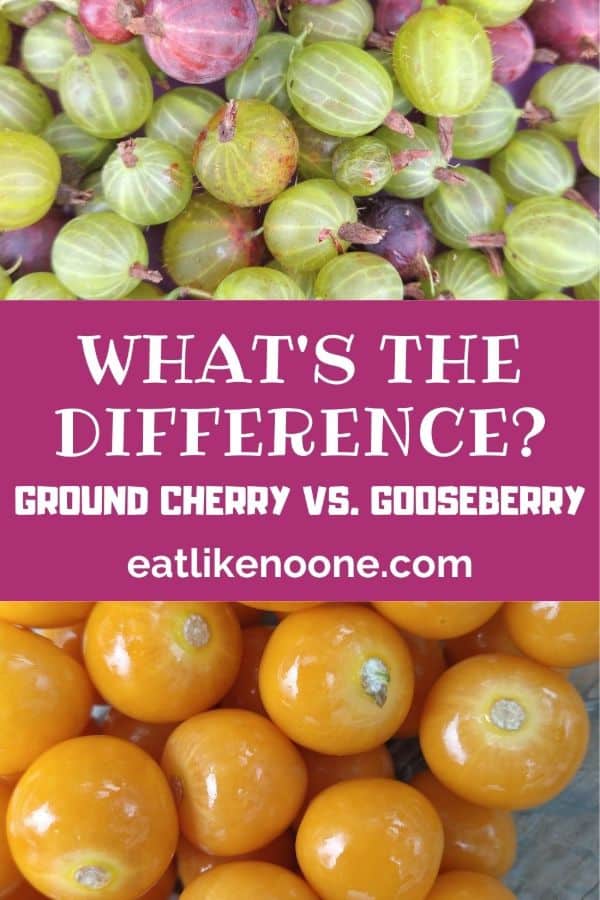
Culinary Applications: Where Ground Cherries Shine
The unique flavor profile of ground cherries makes them a versatile ingredient in the kitchen, capable of enhancing both sweet and savory dishes. Their size and intriguing taste lend themselves to various culinary applications.
Sweet Preparations: Desserts and Jams
In sweet applications, ground cherries offer a less common but delightful alternative to more traditional berries.
- Jams and Preserves: Their inherent sweetness and tartness, coupled with a slightly pectin-rich flesh, makes them excellent for jams, jellies, and preserves. The resulting products often have a beautiful amber color and a complex flavor that is both familiar and exotic. A touch of lemon juice can be added to further enhance their brightness.
- Pies and Tarts: Baked into pies or tarts, ground cherries retain some of their distinct flavor, offering a unique twist on fruit desserts. They can be used on their own or in combination with other fruits like apples or berries to add an interesting tart counterpoint. Their texture, when baked, can be described as slightly chewy.
- Toppings and Sauces: Ground cherry sauces or compotes can be a sophisticated accompaniment to ice cream, yogurt, or pancakes. Their vibrant flavor cuts through richness, and their subtle tropical notes add an unexpected depth.
- Fresh in Salads and Fruit Platters: For a simple yet elegant treat, ground cherries can be enjoyed fresh. Their distinctive flavor profile makes them a fascinating addition to fruit salads, adding a pop of unique taste. They can also be a conversation starter on a cheese board, their tartness providing a pleasant contrast to creamy cheeses.
Savory Applications: Unexpected Pairings
While often associated with sweetness, the subtle tomato-like notes and bright acidity of ground cherries can also lend themselves surprisingly well to savory dishes.
- Salsas and Chutneys: Their tartness and mild sweetness can be a delightful component in fresh salsas, particularly those featuring tomatoes, onions, and peppers. They can also be incorporated into chutneys, offering a unique fruity and tangy element that complements roasted meats or Indian cuisine.
- Garnishes for Savory Dishes: A scattering of fresh ground cherries can provide a vibrant visual appeal and an unexpected burst of flavor to salads, grilled fish, or chicken dishes. Their tartness can awaken the palate and add a refreshing contrast to richer flavors.
- Infused Vinegars: The flavor compounds in ground cherries can be extracted into vinegars, creating a unique base for salad dressings or marinades. The resulting vinegar will carry subtle sweet and tart notes, with a hint of their characteristic tropical undertones.
- Adding Depth to Sauces: A small addition of ground cherries to pan sauces or braising liquids can introduce a subtle layer of complexity and acidity, helping to balance richness and enhance overall flavor.
Comparing Ground Cherries to Familiar Fruits: A Taste Exploration
To better understand the unique flavor of ground cherries, it’s helpful to draw comparisons to fruits that are more commonly encountered. These comparisons highlight both the similarities and the distinct characteristics that make ground cherries stand out.
The “Cherry” Misnomer: A Different Kind of Sweetness
The name “ground cherry” can be misleading, as their flavor profile is quite different from that of true cherries.
- True Cherries (Sweet and Tart): Sweet cherries, like Bing or Rainier, offer a straightforward sweetness with often a mild tartness. Tart cherries, such as Morello or Montmorency, are significantly more sour. Ground cherries, while possessing sweetness and tartness, lack the deep, rich, almost wine-like sweetness of a ripe sweet cherry. Their tartness is also generally brighter and less astringent than that of a tart cherry.
- Flavor Profile: The dominant notes in true cherries are typically concentrated fruitiness and a certain richness. Ground cherries, on the other hand, are more about a delicate balance and nuanced undertones, including tropical hints and subtle vegetal notes.
Similarities to Tropical Fruits: A Hint of the Exotic
The most striking comparison for many is the subtle tropical fruit notes present in ground cherries.
- Pineapple: The bright, slightly tangy sweetness of ripe pineapple is often echoed in ground cherries. This comparison is particularly apt when considering the zestiness and the underlying sugary notes. However, ground cherries are generally less acidic and less aggressively tropical than a ripe pineapple.
- Passionfruit: The more complex, aromatic, and slightly musky notes of passionfruit can also be detected in some ground cherries, especially those with a more pronounced tropical character. This comparison speaks to the subtle, intriguing undertones that make ground cherries so captivating.
- Papaya/Melon: The mild, almost creamy sweetness of ripe papaya or a honeydew melon can also be a point of reference for the foundational sweetness of ground cherries. This highlights their approachable and refreshing nature.
The Tomato Connection: A Subtle Earthy Note
The botanical relationship between ground cherries and tomatoes is undeniable, and this can sometimes translate into subtle flavor parallels.
- Tomatoes: While not tasting overtly like a tomato, especially when fully ripe and sweet, some ground cherries can exhibit a very faint, almost imperceptible vegetal or earthy undertone, similar to a ripe tomato. This is not a dominant flavor, but rather a grounding note that adds to their complexity and distinguishes them from purely sweet fruits. It’s a hint of umami that can be appreciated in their nuanced profile.

Beyond the Familiar: A Taste of the Unique
Ultimately, ground cherries offer a flavor experience that is difficult to perfectly replicate with any single familiar fruit. They occupy a unique space, offering a delicate sweetness, a lively tartness, and a captivating array of subtle tropical and earthy undertones. Their taste is often described as a refreshing surprise, a delightful departure from the ordinary, and an invitation to explore the fascinating world of lesser-known fruits. Their ability to be both subtly sweet and intriguingly complex makes them a truly special addition to any palate’s repertoire.
aViewFromTheCave is a participant in the Amazon Services LLC Associates Program, an affiliate advertising program designed to provide a means for sites to earn advertising fees by advertising and linking to Amazon.com. Amazon, the Amazon logo, AmazonSupply, and the AmazonSupply logo are trademarks of Amazon.com, Inc. or its affiliates. As an Amazon Associate we earn affiliate commissions from qualifying purchases.