
Oktoberfest. The very name conjures images of beer steins, oompah bands, and a sea of people adorned in distinct, vibrant attire. For many, especially female attendees, the question of “what to wear” isn’t just about fashion; it’s about immersing oneself in a rich cultural tradition and embracing a powerful brand identity. The answer, overwhelmingly, is the Dirndl. But the Dirndl is far more than a simple costume; it’s a meticulously crafted garment that embodies a specific brand of Bavarian heritage, a symbol that has transcended its origins to become an international icon of festive celebration. Understanding what girls wear at Oktoberfest, therefore, requires delving into the branding, marketing, and enduring appeal of the Dirndl itself.
The Dirndl: A Garment as Brand Identity
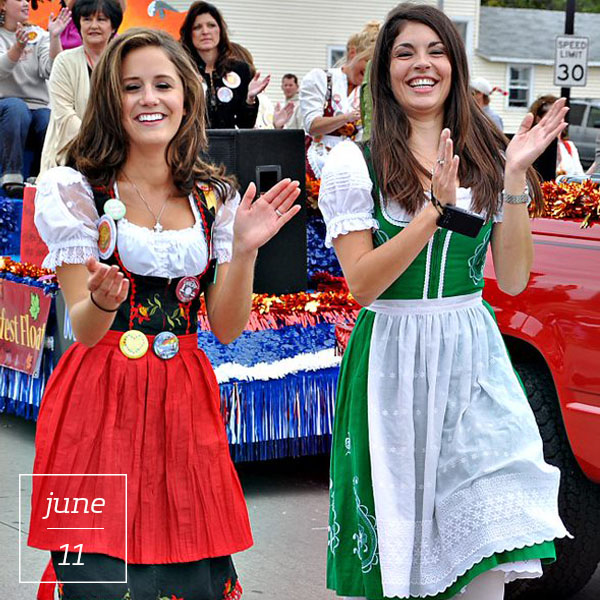
The Dirndl, a traditional dress originating from the alpine regions of Austria and Bavaria, has become inextricably linked with Oktoberfest. Its resurgence in popularity, not just in Munich but at Oktoberfest-themed events worldwide, speaks volumes about its effectiveness as a cultural brand. The Dirndl is not merely clothing; it is a statement, a wearable embodiment of a specific lifestyle and heritage that brands itself on tradition, festivity, and a certain playful elegance.
Historical Roots and Evolution: From Peasant Wear to Festival Fashion
The origins of the Dirndl can be traced back to the late 19th century, when wealthy city dwellers began adopting the traditional clothing of rural servants as a fashion statement. Initially, it was a practical outfit, consisting of a bodice, blouse, skirt, and apron, designed for ease of movement and comfort. Over time, however, the Dirndl evolved. The designs became more elaborate, with richer fabrics, intricate embroidery, and more varied cuts. This evolution mirrors how many successful brands adapt to changing consumer tastes while retaining their core identity. The Dirndl’s journey from humble beginnings to a celebrated festival garment demonstrates a successful brand narrative, where tradition is not preserved in stasis but rather reimagined and revitalized for contemporary appeal.
The Anatomy of a Dirndl: Signature Elements and Their Branding Significance
A modern Dirndl, as seen on the grounds of Oktoberfest, typically consists of several key components, each contributing to its recognizable brand aesthetic:
- The Bodice (Mieder): This is the fitted upper part of the dress, often made from brocade, velvet, or linen. It typically features a low neckline, emphasizing the décolletage, and is often adorned with decorative lacing or embroidery. The close-fitting nature of the bodice is a core element of the Dirndl’s silhouette, contributing to its flattering and iconic appearance.
- The Blouse (Bluse): Worn underneath the bodice, the blouse is usually white and features puff sleeves, often with gathered or ruffled edges. The neckline of the blouse can vary, from a deep V-neck to a more modest scooped style, allowing for customization and personal expression. The contrast between the richly patterned bodice and the delicate blouse is a key visual characteristic.
- The Skirt (Rock): The skirt is typically A-line and reaches at least to the knee, often longer. It is made from a variety of fabrics, from simple cotton to more luxurious silks, and is often patterned with traditional Bavarian motifs like floral designs, checks, or edelweiss. The volume and flow of the skirt add to the festive and graceful appearance.
- The Apron (Schürze): This is perhaps the most distinctive and symbolically charged element of the Dirndl. Tied around the waist, the apron’s bow placement carries a coded meaning, a subtle yet significant branding detail that has evolved over time.
The Apron Knot: A Subtle Yet Powerful Branding Code
The placement of the apron knot is a widely recognized, albeit often playfully interpreted, code amongst Dirndl wearers. This seemingly small detail is a powerful aspect of the Dirndl’s brand narrative, adding a layer of social communication and personal expression.
- Bow on the Left: Traditionally signifies that the wearer is single and available. This is the most common and widely understood placement.
- Bow on the Right: Indicates that the wearer is in a relationship or married.
- Bow in the Front (Middle): Suggests that the wearer is a virgin.
- Bow in the Back: Typically signifies that the wearer is a widow or a waitress.
While these “rules” are not strictly adhered to by everyone, especially in the modern, more casual atmosphere of many Oktoberfest celebrations, the apron knot remains a fascinating element of the Dirndl’s brand identity. It adds a playful, almost secret, layer of communication, allowing wearers to participate in a tradition that is both visually appealing and culturally resonant. This intricate system of non-verbal communication within the garment’s design is a testament to the depth of its brand story.
Beyond the Traditional: Dirndl Variations and Market Adaptations
The Dirndl’s success as a cultural brand is not solely due to its historical authenticity; it’s also a result of its ability to adapt and cater to a diverse market. While the classic Dirndl remains popular, contemporary interpretations offer a wide range of styles, materials, and price points, effectively broadening its appeal.
Modern Design Trends and Material Innovations
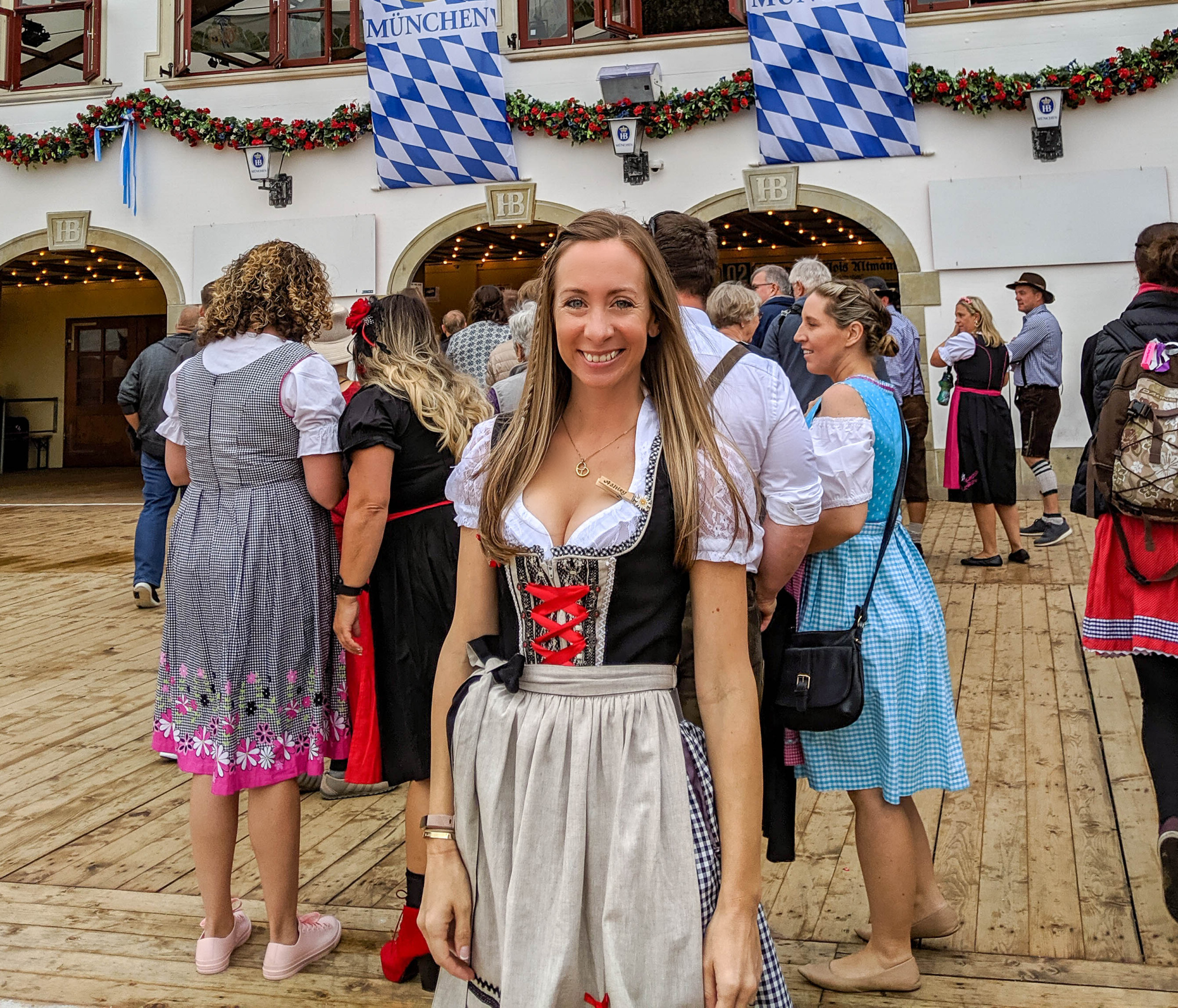
Today’s Dirndl market is incredibly diverse. Designers and manufacturers have introduced new fabrics, bolder color palettes, and more contemporary silhouettes.
- Fabric Choices: While traditional Dirndls often use linen, cotton, and silk, modern variations incorporate materials like polyester blends for durability and ease of care, or even stretch fabrics for added comfort. The use of intricate lace, sequin embellishments, and sophisticated embroidery further elevates the garment’s visual appeal and perceived value.
- Color Palettes and Patterns: Beyond the traditional floral prints and muted tones, contemporary Dirndls come in an array of vibrant colors, from electric blues and fiery reds to subtle pastels. Modern patterns might include geometric designs, abstract motifs, or even playful, whimsical prints, catering to a younger demographic and those seeking a more personalized expression.
- Skirt and Neckline Variations: While the classic midi-length skirt remains a staple, mini-Dirndls and longer, more flowing styles are also prevalent. Necklines have also seen innovation, with V-necks, sweetheart necklines, and off-the-shoulder designs offering different levels of style and allure. This adaptability ensures that the Dirndl remains relevant and desirable across different age groups and fashion preferences.
The “Oktoberfest Brand” and its Global Reach
The Dirndl is the undisputed visual anchor of the “Oktoberfest brand.” This brand, which encompasses the entire festival experience – the music, the food, the beer, and the atmosphere – is heavily reliant on the recognizable attire of its attendees. This has led to the widespread popularity of Dirndls and Lederhosen not just in Munich but at Oktoberfest celebrations and Bavarian-themed events across the globe.
- Event Marketing and Branding: Event organizers worldwide leverage the iconic imagery of Oktoberfest, with the Dirndl front and center, to market their own events. This creates a consistent visual language that immediately communicates fun, festivity, and a touch of European charm. The Dirndl acts as a powerful visual mnemonic, instantly connecting attendees to the spirit of the original festival.
- The Rise of the “Dirndl Consumer”: The demand for Dirndls has spurred a significant market for these garments. Numerous retailers, both online and in brick-and-mortar stores, specialize in selling Dirndls, catering to a wide spectrum of budgets and styles. This consumer market is not just buying a dress; they are buying into a cultural experience and a globally recognized brand.
- Influencer Marketing and Social Media: The visual nature of the Dirndl makes it a natural fit for social media. Influencers and attendees alike share their Oktoberfest outfits, further popularizing the garment and driving trends. This user-generated content acts as organic marketing, reinforcing the Dirndl’s status as a must-have festival attire and a key component of the Oktoberfest brand.
The Business of the Dirndl: Manufacturing, Retail, and Profitability
The enduring appeal of the Dirndl has cultivated a significant and profitable market for its production and sale. Understanding the business behind this iconic garment reveals how a cultural symbol can translate into a thriving commercial enterprise.
Manufacturing and Supply Chain Dynamics
The production of Dirndls involves a complex supply chain, from sourcing raw materials to the final assembly. Manufacturers range from small, artisanal workshops preserving traditional craftsmanship to large-scale factories employing modern production techniques.
- Material Sourcing: The quality and type of fabric significantly influence the price and authenticity of a Dirndl. Sourcing high-quality linens, silks, and cottons, often with intricate woven patterns or embroidery, is crucial for premium Dirndls. For mass-produced versions, more affordable blends and synthetic materials are utilized, impacting both cost and durability.
- Craftsmanship and Labor: Traditional Dirndl making often involves skilled seamstresses and embroiderers who are adept at intricate handwork. The labor cost associated with traditional craftsmanship is higher, contributing to the premium pricing of authentic, handcrafted Dirndls. Conversely, large-scale manufacturing in regions with lower labor costs allows for more affordable production, making the Dirndl accessible to a wider audience.
- Global Production Hubs: While Bavaria is the spiritual home of the Dirndl, its production is now globalized. Many Dirndls sold at Oktoberfest and around the world are manufactured in countries like India, China, and other parts of Eastern Europe, where production costs can be significantly lower. This globalization allows for wider market reach and competitive pricing, but also raises questions about authenticity and ethical production.
Retail Strategies and Market Segmentation
The retail landscape for Dirndls is diverse, catering to different consumer segments and price points. This strategic segmentation is key to capturing a broad market share.
- Specialty Dirndl Boutiques: These stores often focus on high-quality, authentic, and designer Dirndls. They offer a curated selection, personalized styling advice, and a premium shopping experience, attracting customers who prioritize craftsmanship and tradition. Their branding emphasizes heritage and exclusivity.
- Online Retailers and Marketplaces: The internet has democratized access to Dirndls. Numerous online stores and e-commerce platforms offer a vast array of Dirndls, from budget-friendly options to high-end designer pieces. These platforms leverage search engine optimization and targeted advertising to reach a global customer base. They often segment their offerings by style, price, and occasion, making it easy for consumers to find what they are looking for.
- Costume Shops and Seasonal Retailers: During the Oktoberfest season, many general costume shops and pop-up retailers stock Dirndls, often at more affordable price points. These outlets cater to the casual attendee looking for a one-time wear or a budget-friendly option, contributing to the widespread accessibility of Dirndl wear.

Profitability and Market Trends
The Dirndl market is demonstrably profitable, driven by consistent demand for this iconic festive attire. Several factors contribute to its financial success.
- High Demand During Festival Seasons: Oktoberfest and other Bavarian-themed festivals create peak demand periods, leading to significant sales volumes. This seasonality allows retailers to plan inventory and marketing efforts effectively.
- Branding as a “Must-Have” Item: The Dirndl is no longer just a traditional garment; it’s a fashion statement and a symbol of cultural participation. This perception as a desirable, almost essential, item for Oktoberfest attendees drives purchasing decisions. The brand equity of “Oktoberfest” itself imbues the Dirndl with desirability.
- Impulse Purchases and Souvenir Value: For many tourists and first-time attendees, purchasing a Dirndl can be an impulse buy, driven by the festive atmosphere and the desire to fully immerse themselves in the experience. It also serves as a tangible souvenir of their trip, adding to its perceived value.
- Trend Cycles and Designer Collaborations: The fashion industry’s influence extends to Dirndl design. Emerging trends in colors, patterns, and silhouettes, along with collaborations between traditional Dirndl makers and contemporary fashion designers, keep the market dynamic and attract new customers. This constant innovation ensures the Dirndl remains a relevant and sought-after fashion item.
In conclusion, “what do girls wear at Oktoberfest” is a question that unlocks a deeper understanding of cultural branding, market adaptation, and the enduring economic power of tradition. The Dirndl, with its rich history, distinct design elements, and adaptable market presence, stands as a prime example of how a garment can transcend its utilitarian function to become a powerful brand identity, celebrated and commercially exploited on a global scale. It’s a testament to the fact that sometimes, the most effective marketing is deeply rooted in culture and a well-understood, universally appealing aesthetic.
aViewFromTheCave is a participant in the Amazon Services LLC Associates Program, an affiliate advertising program designed to provide a means for sites to earn advertising fees by advertising and linking to Amazon.com. Amazon, the Amazon logo, AmazonSupply, and the AmazonSupply logo are trademarks of Amazon.com, Inc. or its affiliates. As an Amazon Associate we earn affiliate commissions from qualifying purchases.