
In an increasingly interconnected world, where our lives are inextricably linked to a constant supply of electricity, there are silent sentinels working tirelessly behind the scenes to ensure that power flows reliably from generation plants to our homes, offices, and industries. These critical nodes in the vast electrical grid are known as electrical substations. Often overlooked and misunderstood, substations are the unsung heroes of modern infrastructure, acting as sophisticated intermediaries that transform, regulate, and distribute the electrical energy that powers virtually every aspect of our existence. Far from being mere collection of wires and transformers, these sites represent a confluence of complex engineering, cutting-edge technology, significant financial investment, and play a crucial role in shaping the public perception and brand identity of utility providers.

The Unseen Heartbeat of Our Modern World: What Exactly is an Electrical Substation?
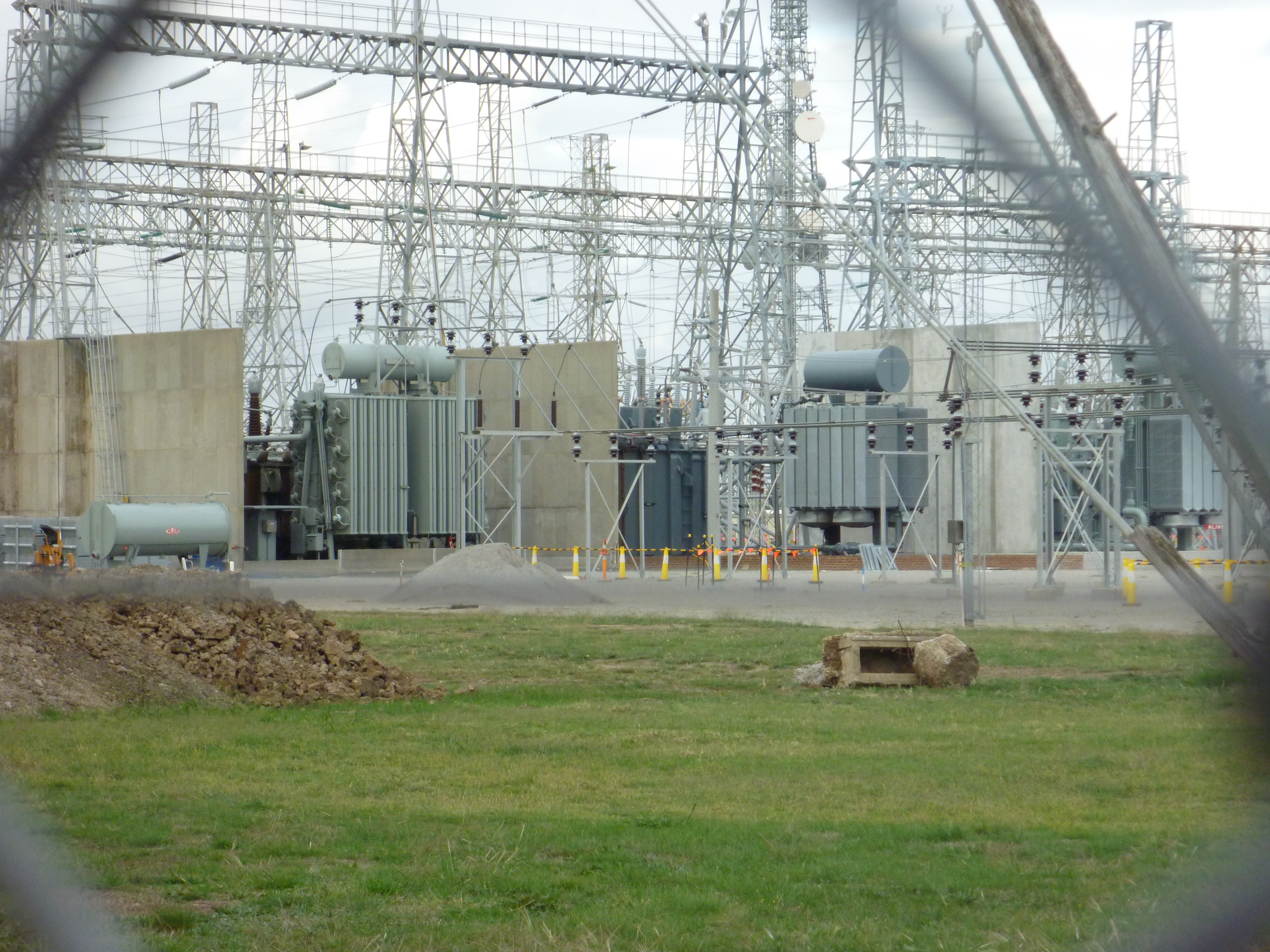
At its core, an electrical substation is a high-voltage electric system facility designed to perform a number of vital functions within the electricity transmission and distribution network. It acts as a bridge between high-voltage transmission lines, which carry electricity over long distances, and lower-voltage distribution lines, which deliver power to end-users. Without substations, the seamless and safe delivery of electricity would be impossible, leading to widespread inefficiencies, equipment damage, and outages.
From Power Plant to Your Plug: The Journey of Electricity
To understand the role of a substation, it’s essential to trace the journey of electricity. Power is generated at plants (e.g., thermal, hydro, nuclear, solar farms) at relatively low voltages, typically ranging from 10-25 kilovolts (kV). To minimize energy loss during long-distance transmission, this voltage must be dramatically increased. This is where the first type of substation, often called a step-up substation, comes into play. Located near the power plant, it uses large transformers to boost the voltage to hundreds of thousands of kilovolts (e.g., 138 kV, 230 kV, 500 kV, or even higher) before it enters the high-voltage transmission grid.
Once the electricity has traveled across vast stretches of land via towering transmission lines, it reaches various transmission substations. Here, the voltage is often reduced in stages, stepping down from ultra-high to high voltages (e.g., from 500 kV to 230 kV). These substations serve as critical switching points, connecting different parts of the transmission grid, allowing utilities to reroute power when needed, and providing stability to the system.
Finally, closer to urban and industrial centers, distribution substations take over. These are the most common type and the ones most people might occasionally spot. Their primary function is to step down the high transmission voltage (e.g., 69 kV or 138 kV) to a medium voltage (e.g., 13 kV or 34 kV) suitable for local distribution. From these substations, smaller distribution lines fan out into neighborhoods and businesses, where smaller pole-mounted or pad-mounted transformers perform the final voltage reduction to the levels usable by residential and commercial customers (e.g., 120V/240V).
Key Components: A Symphony of Transformers, Switchgear, and Controls
While the complexity varies, all substations share common essential components:
- Transformers: The heart of any substation, these devices change the voltage of electricity, either stepping it up or stepping it down. They are typically large, oil-filled units designed for efficient power transfer.
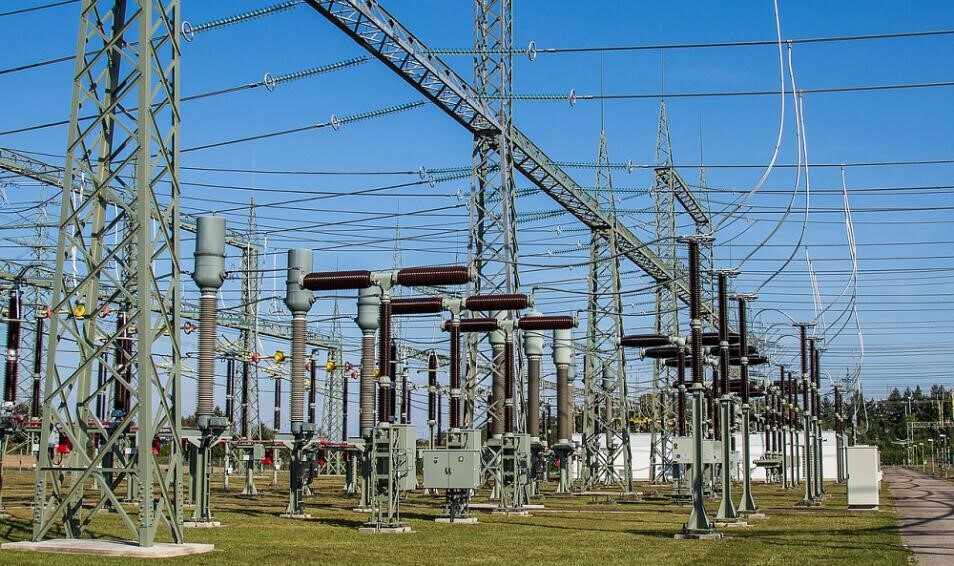
- Switchgear: This encompasses a variety of devices, including circuit breakers, disconnect switches, and fuses. Their primary role is to control the flow of electricity, isolate faulty sections of the grid to prevent widespread outages, and ensure the safety of personnel performing maintenance.
- Busbars: These are metallic conductors that connect various components within the substation, allowing electricity to be routed to different circuits.
- Control Building: Housing relays, meters, communication equipment, and often SCADA (Supervisory Control and Data Acquisition) systems, this building is the brain of the substation. It monitors the system’s performance, detects faults, and can initiate automatic responses.
- Protective Relays: These intelligent devices detect abnormal conditions like overcurrents or short circuits and trip circuit breakers to disconnect faulty equipment, preventing damage and ensuring grid stability.
- Capacitors and Reactors: Used for voltage regulation and power factor correction, these components help maintain the quality and stability of the electrical supply.
- Surge Arresters: Protect equipment from lightning strikes and other voltage surges by diverting excess energy safely to the ground.
Each component plays a vital role in ensuring the reliable, safe, and efficient operation of the power grid, making substations indispensable technological marvels.
Substations and the Tech Revolution: Powering Tomorrow’s Smart Grid
The electrical grid, and by extension, substations, are undergoing a profound transformation driven by rapid advancements in technology. The concept of a “smart grid” is shifting substations from passive nodes to active, intelligent hubs that leverage digital technology, automation, and advanced analytics to optimize power delivery, enhance reliability, and integrate new energy sources. This evolution is fundamentally rooted in the “Tech” aspects of modern infrastructure.
Digitalization and Automation: The Rise of the Smart Substation
Traditional substations, while robust, often relied on manual monitoring and electromechanical relays. Today’s smart substations are equipped with sophisticated digital protective relays, intelligent electronic devices (IEDs), and advanced sensors that collect vast amounts of real-time data on voltage, current, temperature, and equipment health. This data is fed into SCADA systems and increasingly into cloud-based platforms, enabling remote monitoring, diagnostics, and control.
Automation is a key differentiator. Smart substations can automatically detect faults, isolate affected sections, and even reconfigure the grid to restore power to customers within seconds, often before a utility operator can manually intervene. This self-healing capability dramatically reduces outage durations and improves overall grid resilience. Furthermore, predictive maintenance powered by AI tools analyzing sensor data can identify potential equipment failures before they occur, allowing for proactive repairs and minimizing costly downtime. The integration of high-speed communication networks (fiber optics, 5G) ensures that these systems can communicate effectively, forming a cohesive, responsive network.
Cybersecurity: Protecting Critical Infrastructure from Digital Threats
As substations become more digital and interconnected, they also become potential targets for cyberattacks. A successful cyberattack on a substation could lead to widespread power outages, economic disruption, and even endanger public safety. This brings digital security to the forefront of substation management. Utility companies are investing heavily in robust cybersecurity measures, including:
- Network Segmentation: Isolating critical operational technology (OT) networks from IT networks.
- Advanced Threat Detection: Implementing intrusion detection systems, firewalls, and Security Information and Event Management (SIEM) tools tailored for industrial control systems.
- Regular Audits and Penetration Testing: Proactively identifying vulnerabilities.
- Employee Training: Educating personnel on cybersecurity best practices.
- Collaboration: Working with government agencies and industry peers to share threat intelligence and best practices.
The ongoing battle against cyber threats is a testament to the increasing reliance on digital systems within substations and the critical need to protect this vital infrastructure.
Renewable Energy Integration: The Evolving Role
The global shift towards renewable energy sources like solar and wind power presents both opportunities and challenges for the grid, with substations at the heart of the solution. Unlike traditional power plants, renewables are often distributed and intermittent. Substations play a crucial role in:
- Connecting Renewables to the Grid: They are the point of interconnection for large-scale solar farms and wind power plants, stepping up their generated voltage to transmission levels.
- Managing Variability: Smart substations, with their advanced controls, can help manage the fluctuating output of renewables, integrating them smoothly into the existing grid without causing instability. This often involves integrating energy storage solutions like large-scale batteries.
- Facilitating Microgrids: For communities with high renewable penetration, substations can be designed to support microgrids, which can operate independently from the main grid during outages, enhancing local resilience.
The technological evolution of substations is ongoing, driven by the demands for greater efficiency, reliability, security, and the imperative to integrate a cleaner energy future.
The Economic Engine: How Substations Drive Prosperity and Investment
Beyond their technical function, electrical substations are significant economic assets, representing colossal investments and serving as foundational elements for regional and national economic prosperity. Their efficient operation and continuous modernization are directly linked to financial stability, business growth, and public welfare, touching upon core “Money” aspects of infrastructure.
Billions in Infrastructure: The Financial Commitment to Power
Building and maintaining a single large transmission substation can cost tens to hundreds of millions of dollars, depending on its size, voltage levels, and technology. When considering the thousands of substations across a country, the cumulative investment runs into billions, if not trillions, of dollars globally. This immense capital expenditure covers:
- Land Acquisition: Securing suitable sites, often requiring significant acreage.
- Equipment Costs: Transformers, switchgear, control systems, and associated components are high-value assets.
- Construction and Engineering: Specialized civil, electrical, and structural engineering expertise is required.
- Maintenance and Upgrades: Ongoing operational expenditures (OPEX) are substantial, involving routine inspections, repairs, and periodic technology upgrades to enhance efficiency and extend asset life.
- Regulatory Compliance: Meeting stringent safety and environmental regulations adds to the cost burden.
These investments are typically financed through utility company capital budgets, often supported by rate increases approved by regulatory bodies, or in some cases, government funding for critical infrastructure projects. The financial health and careful planning of these investments are paramount for the long-term viability of the power grid.
Economic Impact of Reliable Power: From GDP to Daily Life
The economic impact of a reliable power supply, enabled by functioning substations, cannot be overstated. Power outages, especially prolonged or widespread ones, incur massive economic losses. Businesses cease operations, manufacturing halts, data centers fail, and commercial transactions are disrupted. Estimates for the cost of power outages can range from hundreds of thousands to billions of dollars for major events, highlighting the critical return on investment (ROI) that substations provide by simply working.
- Business Continuity: Substations ensure that factories can run, offices can operate, and digital economies can thrive.
- Job Creation: The construction, maintenance, and technological advancement of substations create numerous jobs in engineering, manufacturing, construction, and IT.
- Attracting Investment: A stable and robust power grid is a fundamental requirement for businesses looking to establish or expand operations, directly influencing foreign direct investment and regional economic development.
- Quality of Life: Reliable power underpins essential services like healthcare, education, and communication, directly impacting the quality of life for citizens.
In essence, substations are silent contributors to GDP, facilitating economic activity by ensuring the most fundamental input for modern society: electricity.
Future Investments and ROI: Modernizing for Growth
The drive towards smart grids, renewable energy integration, and enhanced cybersecurity necessitates continuous and significant future investments in substation technology. Utilities are evaluating the ROI of these upgrades, which include:
- Efficiency Gains: Smart substations reduce transmission and distribution losses, leading to lower operational costs and more efficient energy use.
- Reduced Outage Costs: Automation and self-healing capabilities dramatically cut the financial impact of outages for both utilities (penalties, repair costs) and consumers (lost productivity).
- Grid Resilience: Investments in hardening substations against extreme weather or cyber threats prevent catastrophic financial losses.
- New Revenue Streams: In some deregulated markets, smart grid functionalities can enable utilities to participate in energy markets in new ways, optimizing resource allocation.
The financial rationale for modernizing substations is clear: proactive investment today safeguards against larger economic vulnerabilities and unlocks opportunities for a more efficient, resilient, and sustainable energy future.
Beyond Wires and Volts: Substations, Brand Reputation, and Public Trust
While primarily technical and economic assets, substations also play an unexpected yet crucial role in shaping a utility company’s “Brand” and its relationship with customers and the wider public. A utility’s reputation for reliability, safety, and environmental stewardship is significantly influenced by the performance and perception of its substations.
Utility Branding: Reliability as the Ultimate Promise
For any utility company, the core brand promise is reliability. Customers expect the lights to come on every time they flip a switch, and the absence of power is a direct failure of this promise. Substations are the critical points where this reliability is either maintained or broken.
- Performance as Branding: A utility with a strong track record of minimal outages, quick restoration times, and stable voltage is perceived as a reliable, competent brand. Conversely, frequent power interruptions due to substation failures can severely damage public trust and lead to negative brand perception.
- Transparency and Communication: When issues arise, how a utility communicates about substation maintenance, upgrades, or outage causes directly impacts its brand. Clear, proactive communication can mitigate frustration and reinforce a brand image of accountability and trustworthiness.
- Service Excellence: While substations are not customer-facing in the traditional sense, their seamless operation contributes to the overall customer experience, which is a cornerstone of any strong brand.
In essence, the operational excellence of a utility’s substations is a tangible manifestation of its brand promise of delivering essential services without interruption.
Community Engagement and Environmental Responsibility
Substations, by their very nature, are often located within or near communities. This proximity means that their design, construction, and operation can impact local residents and the environment, thereby influencing a utility’s brand image in the community.
- Aesthetics and Siting: Companies increasingly consider aesthetics in substation design, using landscaping or architectural treatments to minimize visual impact. Community engagement during the siting process can build goodwill and prevent public backlash, fostering a brand image of a good neighbor.
- Environmental Impact: Substations utilize various materials, including transformer oil, and their construction can involve land disturbance. Utilities demonstrating strong environmental stewardship through responsible waste management, use of environmentally friendly materials (e.g., biodegradable oils), and habitat protection efforts can enhance their brand as a responsible corporate citizen.
- Safety Culture: The safe operation of substations is paramount. Any accident, especially one involving the public, can severely damage a utility’s brand and reputation. A strong safety culture, evidenced by robust operational protocols and public awareness campaigns about substation hazards, reinforces trust.
Innovation as a Brand Differentiator
In an era of rapid technological change and increasing customer expectations, innovation has become a key brand differentiator for utilities. Companies investing in smart substation technologies, renewable energy integration, and cybersecurity are branding themselves as forward-thinking, resilient, and committed to a sustainable future.
- Leading the Transition: Utilities that proactively adopt smart grid technologies and modernize their substations are positioned as leaders in the energy transition, appealing to environmentally conscious consumers and investors.
- Future-Proofing: Demonstrating an investment in advanced substation technology signals a commitment to long-term reliability and adaptability, reassuring stakeholders that the utility is prepared for future challenges.
- Thought Leadership: Sharing insights and best practices in substation technology and management can elevate a utility’s brand as an industry expert and innovator.
In conclusion, electrical substations are far more than just engineering structures. They are the critical intersection where cutting-edge technology, vast financial investments, and the brand reputation of utility providers converge. They are the silent, steadfast guardians of our electrified world, ensuring that the power generated miles away reaches our devices and homes, underpinning our economy, enriching our lives, and serving as a testament to human ingenuity in managing one of our most vital resources. As the demand for electricity grows and the grid continues its transformation, the role of substations will only become more dynamic, intelligent, and integral to our collective future.
aViewFromTheCave is a participant in the Amazon Services LLC Associates Program, an affiliate advertising program designed to provide a means for sites to earn advertising fees by advertising and linking to Amazon.com. Amazon, the Amazon logo, AmazonSupply, and the AmazonSupply logo are trademarks of Amazon.com, Inc. or its affiliates. As an Amazon Associate we earn affiliate commissions from qualifying purchases.