
The most immediate and observable characteristic of deer feces is their appearance. While seemingly simple, the form, size, and color of droppings can tell a compelling story.
Shape and Size: Distinctive Pellets
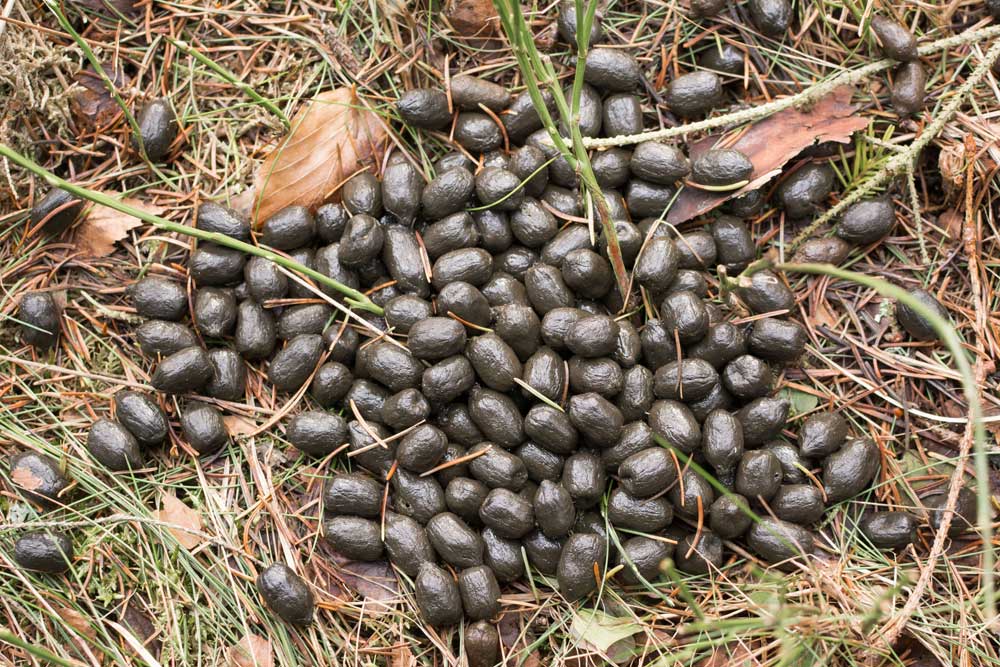
Deer droppings are characteristically fecal pellets. These are typically oval or elliptical in shape, ranging in size from roughly ½ inch to 1 inch in length, depending on the species of deer and its age. White-tailed deer, the most common species in North America, produce pellets that are generally more pointed at one end and rounded at the other, often with a slight indentation. Mule deer, on the other hand, tend to produce more rounded or hemispherical pellets, though variations exist. The consistent pellet shape is a result of the deer’s digestive process, particularly the formation of distinct segments within the colon.
Coloration: Indicative of Diet
The color of deer feces can vary significantly, acting as a direct indicator of the deer’s recent diet. Fresh droppings are typically dark brown or black. However, as the feces age and are exposed to the elements, they can lighten in color, turning grayish or even greenish due to oxidation and the growth of algae. More importantly, the color can provide clues about the consumption of specific food items. For instance, a diet rich in green, leafy vegetation will often result in darker, greener droppings, while a diet heavy in browse (woody stems and twigs) might produce browner, drier pellets. This visual cue can be particularly useful in understanding seasonal dietary shifts and the availability of forage in different habitats.
Consistency and Texture: A Window into Digestion
Beyond the visible shape and color, the consistency and texture of deer feces offer further insights into the animal’s digestive health. Healthy deer typically produce firm, well-formed pellets. These pellets should be dry enough to hold their shape and crumble when crushed, rather than being mushy or watery.
- Firm and Dry: This indicates a healthy digestive system and a diet that is being processed efficiently. The consistency is a result of proper water absorption in the intestines.
- Soft and Mushy: This can be a sign of digestive upset, such as diarrhea, which might be caused by parasites, bacterial infections, or sudden changes in diet. In such cases, the droppings may appear clumped together rather than distinct pellets.
- Watery: A very watery consistency is a serious indicator of illness and requires immediate attention in managed populations or research settings.
The presence of undigested material, such as identifiable seeds, hair, or woody fibers, within the pellets can also provide information about the deer’s diet, especially if these elements are unusually abundant or noticeable.
Leveraging Technology for Deer Feces Analysis
While visual inspection is fundamental, modern technology significantly enhances our ability to collect, analyze, and interpret data derived from deer feces. This moves beyond simple observation to sophisticated biological and ecological assessment.
Remote Sensing and Data Collection
The sheer volume of deer droppings in an area can be challenging to quantify through traditional field surveys. Here, technology plays a crucial role:
- Drones and Aerial Imagery: Drones equipped with high-resolution cameras can be deployed to survey large areas. Advanced image processing algorithms, particularly those incorporating machine learning, can be trained to identify clusters of deer droppings from aerial views. This allows for rapid and efficient estimation of population density and distribution across vast landscapes, even in dense vegetation where ground surveys are difficult.
- GIS Mapping: Geographic Information System (GIS) software is essential for organizing and analyzing the spatial data collected from drone surveys or ground observations. By mapping the locations of fecal pellets, researchers can identify areas of high deer activity, movement corridors, and preferred foraging or resting sites. This spatial understanding is critical for land management decisions.
- Automated Counting Systems: In controlled environments or research enclosures, automated systems using motion-activated cameras and image recognition software can monitor feeding areas and count the number of fecal pellets deposited over time. This provides a more precise measure of individual deer activity or group usage.
Advanced Laboratory Analysis
The true biological power of deer feces lies in what can be uncovered through laboratory analysis. This is where technological tools become indispensable for scientific research.
- DNA Analysis: Fecal DNA analysis is a powerful non-invasive method for identifying individual deer, determining sex, and even assessing genetic diversity within a population. By extracting DNA from fecal samples, researchers can avoid the stress and potential harm of capturing and handling live animals. This is crucial for long-term population studies, genetic bottleneck detection, and understanding gene flow.
- Hormone Analysis: The analysis of fecal glucocorticoids (stress hormones) provides a non-invasive way to assess the physiological stress levels of deer. Elevated hormone levels can indicate pressures such as overcrowding, intense predator presence, disease outbreaks, or resource scarcity. This information is invaluable for understanding the well-being of a deer population and the impact of environmental factors.
- Dietary Analysis (Stable Isotopes and DNA Metagenomics): Beyond visual identification of undigested material, advanced techniques can precisely determine diet composition. Stable isotope analysis can reveal long-term dietary patterns by examining the ratios of different isotopes in fecal matter, reflecting the plants consumed. DNA metabarcoding and shotgun sequencing can identify the DNA of all plant and animal species present in the gut contents, providing a comprehensive and precise snapshot of recent diet. This is particularly useful for understanding specific forage preferences and the impact of invasive plant species.
- Pathogen Detection: Deer feces can harbor various pathogens that can affect both deer and other wildlife, and in some cases, humans. Laboratory analysis can identify the presence of parasites (like coccidia or lungworms), bacteria (like E. coli or Salmonella), and viruses. This information is vital for wildlife health management, disease surveillance, and assessing potential zoonotic risks.
Interpreting Deer Feces Data for Ecological Insight

The collection and analysis of data from deer feces, amplified by technology, yield profound insights into ecological dynamics and wildlife management.
Population Dynamics and Health Assessment
The quantity and distribution of deer droppings are direct indicators of population density. Dense clusters of fresh pellets suggest recent and concentrated activity, potentially signaling a high population density in that area. By combining fecal counts with spatial data from GIS and aerial imagery, wildlife managers can create detailed population maps and identify areas that may be over- or under-populated.
Furthermore, the health of individual deer and the overall population can be inferred from fecal analysis. As discussed, changes in consistency, the presence of parasites, or elevated stress hormone levels all point to potential health issues. This allows for early detection of disease outbreaks or stress-related problems, enabling proactive management interventions.
Habitat Use and Foraging Behavior
The location and characteristics of deer droppings provide critical information about how deer utilize their environment.
- Movement Corridors: Concentrated scat along defined paths can indicate established deer trails or movement corridors, vital for understanding how deer navigate their landscape and for designing wildlife crossings or habitat connectivity projects.
- Preferred Foraging Areas: Areas with abundant fresh droppings often coincide with preferred food sources. Analyzing the droppings themselves for dietary components can confirm these food preferences and highlight the importance of specific plant species or habitat types for deer survival.
- Bedding and Resting Sites: While not exclusively defined by droppings, the presence of fecal pellets in conjunction with signs of bedding (like disturbed vegetation) can help identify frequently used resting areas.
This detailed understanding of habitat use informs conservation efforts, such as the establishment of protected areas, the management of grazing impacts on vegetation, and the mitigation of human-wildlife conflict.
Environmental Monitoring and Impact Assessment
Deer, as herbivores, can have a significant impact on their environment. Monitoring their fecal output can serve as a proxy for their grazing pressure.
- Vegetation Impacts: High concentrations of droppings in specific areas, especially when combined with evidence of overgrazing, can indicate that deer populations are impacting vegetation health and structure. This is particularly relevant in sensitive ecosystems, agricultural areas, or areas with rare plant species.
- Nutrient Cycling: Deer feces contribute to nutrient cycling in ecosystems. Understanding the volume and distribution of droppings can help model nutrient inputs into soils, though this is a more complex area of study requiring sophisticated ecological modeling.
- Disease Transmission: As mentioned earlier, fecal analysis can detect pathogens. This is crucial for understanding potential disease transmission routes within deer populations and to other wildlife, and for assessing any risks to human health, especially in areas where deer populations are high.
The Future of Deer Feces Analysis: Integrating AI and Citizen Science
The field of wildlife biology is constantly evolving, and the analysis of deer feces is no exception. The integration of advanced technologies promises even more sophisticated and accessible methods for data collection and interpretation.
AI-Powered Image Recognition and Predictive Modeling
Artificial intelligence (AI) is revolutionizing how we analyze visual data.
- Automated Scat Identification: Machine learning algorithms are being developed to automatically identify deer feces from camera trap images, drone footage, and even user-submitted photos. This can significantly speed up the process of data collection and analysis for large-scale studies.
- Predictive Modeling: By analyzing patterns in fecal distribution, dietary content, and environmental factors, AI can be used to build predictive models. These models could forecast areas of high deer activity, predict potential disease outbreaks, or estimate the impact of deer populations on vegetation under different climate scenarios.
- Behavioral Insights: Advanced AI analysis of scat patterns, in conjunction with other data like GPS collar locations, could potentially reveal subtle behavioral patterns and social structures within deer populations.
Citizen Science and Community Engagement
The accessibility of smartphones and the growing interest in wildlife have opened doors for citizen science initiatives.
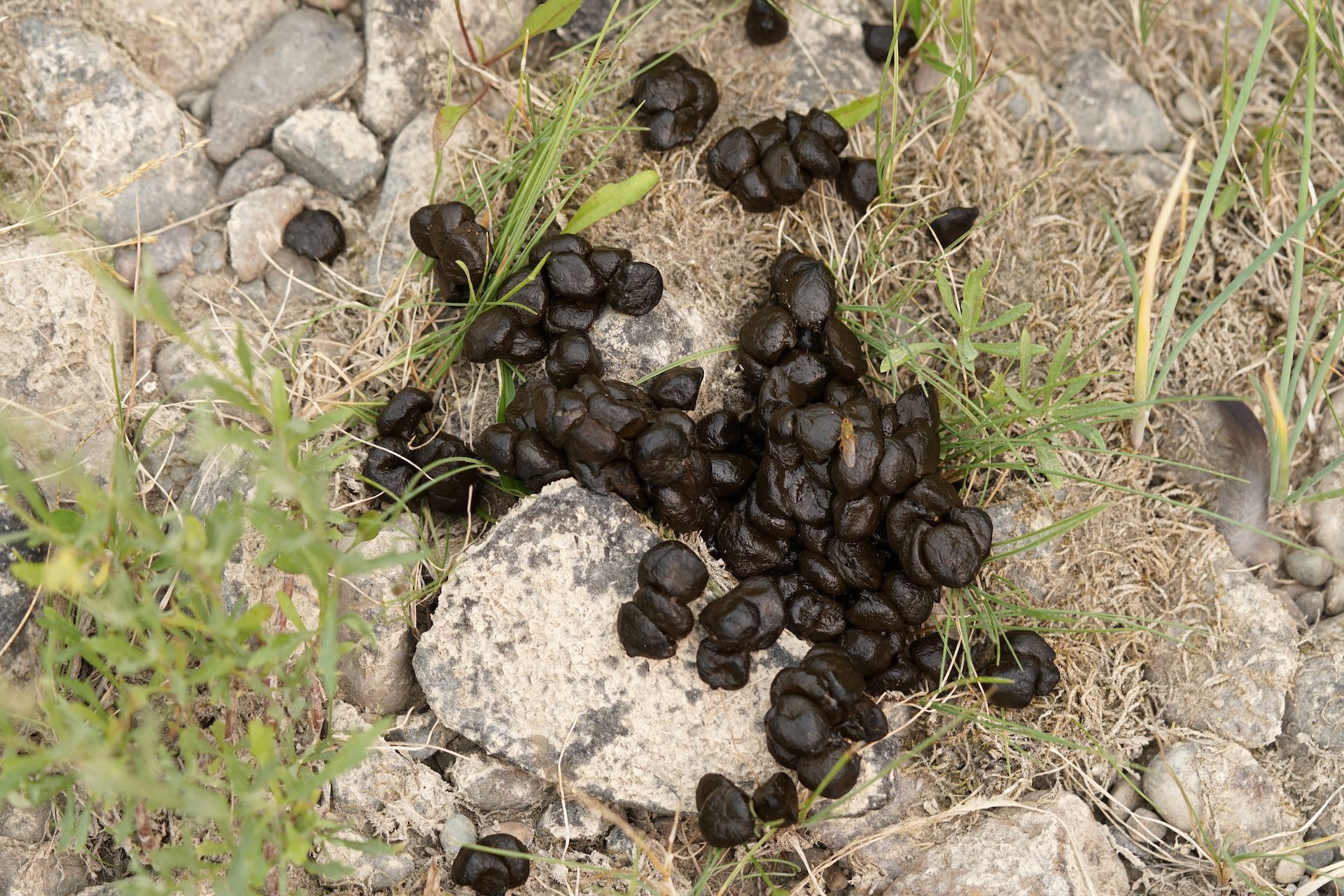
- Scat Identification Apps: Mobile applications can be developed that guide users in identifying deer feces and submitting observations, including photos and GPS locations. This crowdsourced data can supplement professional research efforts, providing broad geographical coverage and valuable real-time information.
- Educational Platforms: Interactive online platforms can be created to educate the public about deer feces, their significance, and how to report sightings. This not only increases data collection but also fosters a greater appreciation for wildlife and ecological processes.
- Data Contribution for Conservation: By engaging the public in data collection, citizen science projects can empower local communities to become active participants in wildlife conservation and management efforts.
The humble deer dropping, once dismissed as mere waste, is emerging as a critical data point in our understanding of wildlife health, ecological dynamics, and the complex interplay between animals and their environment. Through the judicious application of technology, from drones and DNA sequencing to AI and citizen science, we are unlocking the secrets held within these small, organic pellets, paving the way for more informed and effective conservation strategies.
aViewFromTheCave is a participant in the Amazon Services LLC Associates Program, an affiliate advertising program designed to provide a means for sites to earn advertising fees by advertising and linking to Amazon.com. Amazon, the Amazon logo, AmazonSupply, and the AmazonSupply logo are trademarks of Amazon.com, Inc. or its affiliates. As an Amazon Associate we earn affiliate commissions from qualifying purchases.