
The seemingly simple question, “What do cucumber leaves look like?”, unlocks a complex world of horticultural science, especially when viewed through the lens of modern agricultural technology. For centuries, growers have relied on keen observation and experience to discern the health and vitality of their crops by studying leaf morphology, color, and texture. Today, this foundational practice is being revolutionized by an array of digital tools, AI algorithms, and sophisticated sensors that enhance human capabilities, offering unprecedented insights into plant health and maximizing yield potential. Understanding the visual characteristics of cucumber leaves is no longer solely an exercise in traditional botany; it’s a critical data point for a new generation of tech-savvy cultivators.

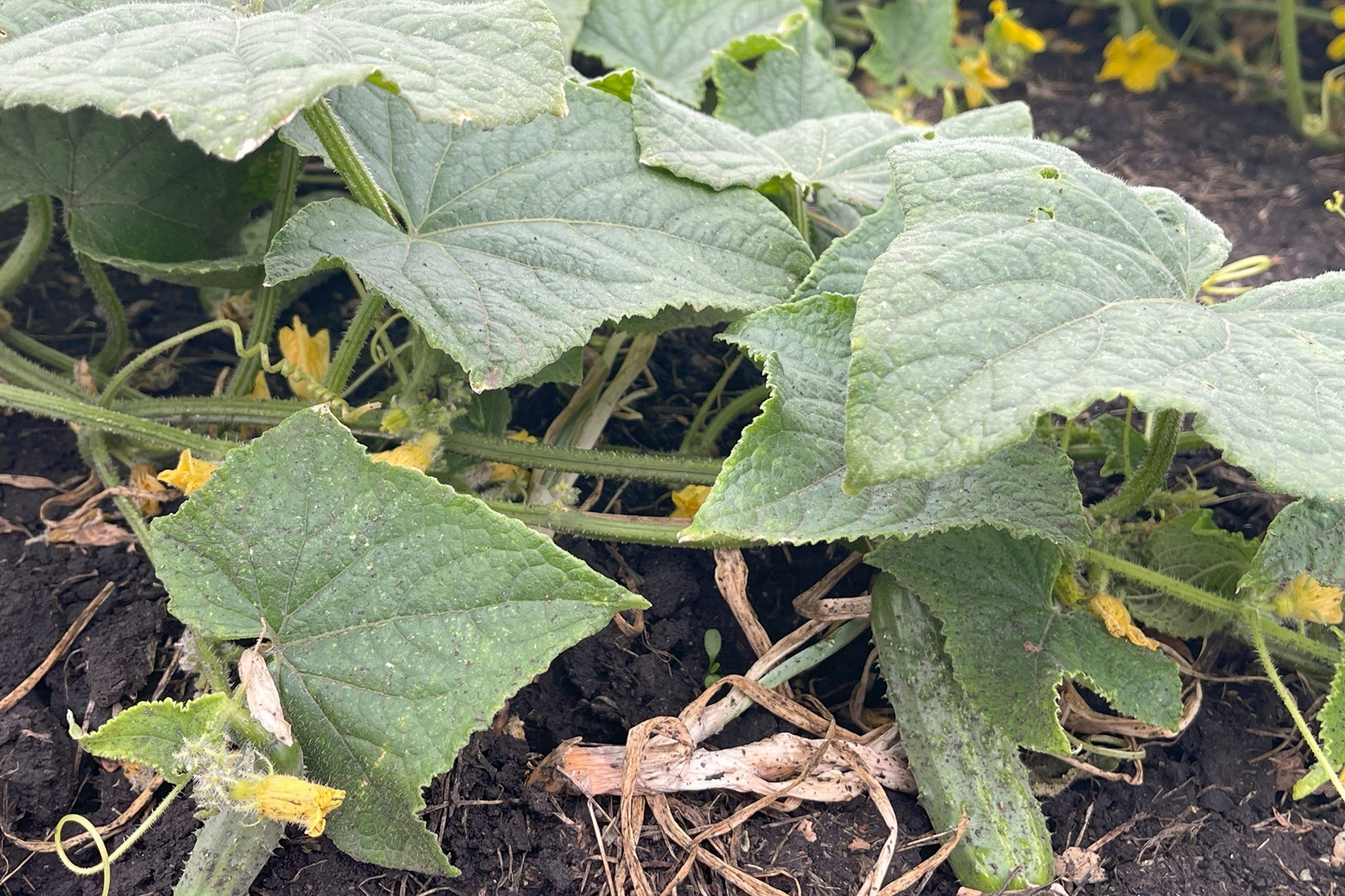
Healthy cucumber leaves typically exhibit a vibrant, medium to dark green hue. They are broad, palmate, and lobed, meaning they have several distinct, rounded sections radiating from a central point, often resembling a hand. The edges are usually serrated or toothed. The leaf surface tends to be somewhat rough or prickly due to tiny hairs (trichomes), and they grow on long petioles (leaf stalks). The size can vary significantly depending on the cultivar, plant age, and growing conditions, ranging from a few inches to over a foot in diameter. However, deviations from this ideal appearance—changes in color, presence of spots, wilting, or unusual growth patterns—are critical indicators of stress, nutrient deficiencies, pests, or diseases. Modern technology empowers growers to not only identify these deviations with greater precision but also to predict and prevent issues, transforming reactive gardening into proactive, data-driven horticulture.
The Digital Eye: Leveraging AI and Apps for Leaf Identification
The first line of defense in understanding cucumber leaf appearance and health often comes through the widespread accessibility of mobile technology. Smartphone applications, increasingly powered by artificial intelligence, are democratizing plant diagnostics and identification, offering immediate insights that were once the exclusive domain of agricultural experts.
AI-Powered Plant Recognition
Artificial intelligence, particularly machine learning models trained on vast datasets of plant images, has dramatically advanced the field of plant identification and disease detection. For cucumber leaves, these AI systems can quickly analyze an uploaded photograph and compare its features—shape, color, patterns, and anomalies—against a comprehensive database of healthy and diseased cucumber leaf images. Within seconds, a grower can receive an identification of the plant species, and more importantly, a potential diagnosis of issues like powdery mildew, downy mildew, angular leaf spot, or various nutrient deficiencies (e.g., nitrogen, potassium, or magnesium deficiencies, which manifest as specific discoloration patterns).
These AI tools learn from every new image submitted, improving their accuracy over time. They are particularly adept at identifying subtle changes that might escape the untrained eye or distinguishing between look-alike diseases. For large-scale commercial operations, integrated AI systems can even process images from automated camera setups in greenhouses or fields, providing continuous monitoring and early warning systems before diseases can spread widely and cause significant crop loss. The efficiency gain is enormous, reducing the need for constant manual inspection and enabling targeted interventions.
Mobile Applications for On-the-Spot Diagnostics
Numerous mobile applications are now available that put AI-driven plant diagnostics directly into the hands of gardeners and farmers. Apps like Plantix, PictureThis, or LeafSnap allow users to simply snap a photo of a cucumber leaf showing signs of distress. The app’s AI engine then analyzes the image and provides a likely diagnosis, along with recommended treatment plans, often referencing organic or conventional solutions.
These applications are invaluable for small-to-medium scale growers, hobbyists, or even commercial operations without dedicated agronomists on staff. They offer:
- Instant Feedback: Eliminating waiting times for laboratory tests or expert visits.
- Accessibility: Usable anywhere with a smartphone and internet connection.
- Educational Value: Providing information about various pests, diseases, and nutrient issues, helping users learn to identify problems themselves over time.
- Community Support: Many apps include features where users can share photos and get advice from a community of fellow growers or experts.
While not a substitute for professional agricultural consultation, these apps serve as powerful first-response tools, empowering users to understand “what their cucumber leaves look like” in terms of their health status and take timely action.
Beyond the Naked Eye: Advanced Imaging and Sensor Technologies
While AI-powered apps offer a great starting point, commercial agriculture and advanced hydroponic setups are employing even more sophisticated technologies to scrutinize cucumber leaves, uncovering insights far beyond what is visible to the human eye.
Hyperspectral Imaging for Early Detection
Hyperspectral imaging (HSI) is a powerful technology that goes beyond traditional RGB (red, green, blue) visible light photography. HSI sensors collect and process information across the electromagnetic spectrum, from visible light to near-infrared. Each plant, and indeed each part of a plant, has a unique spectral signature—how it reflects, absorbs, and emits light at different wavelengths.
For cucumber leaves, HSI can detect changes in cellular structure, chlorophyll content, and water status long before any visual symptoms of stress, disease, or nutrient deficiency become apparent to the human eye. For instance, a leaf infected with a fungus might exhibit altered spectral reflectivity days before a visible spot appears. This early detection capability is revolutionary, allowing growers to:
- Proactively Address Issues: Apply treatments or adjust nutrient profiles before problems escalate.
- Minimize Pesticide Use: Target treatments precisely, rather than broad-spectrum applications.
- Optimize Resources: Fine-tune irrigation and fertilization based on real-time plant physiological data.
Mounted on drones, tractors, or static systems within greenhouses, hyperspectral cameras provide comprehensive, high-resolution data on vast areas of cucumber crops, delivering actionable intelligence for precision agriculture.
IoT Sensors for Environmental Monitoring and Leaf Health
The Internet of Things (IoT) has brought a new dimension to understanding what cucumber leaves “look like” from a physiological perspective. Networks of interconnected sensors continuously monitor environmental conditions that directly impact leaf health and appearance.
- Soil Moisture Sensors: Prevent underwatering or overwatering, both of which can lead to wilting or discoloration.
- Nutrient Sensors: Monitor pH and EC (electrical conductivity) in hydroponic systems or soil, ensuring optimal nutrient uptake. Deficiencies directly impact leaf color and growth.
- Temperature and Humidity Sensors: Crucial for preventing fungal diseases like powdery mildew, which thrive in specific humidity ranges. Maintaining ideal conditions prevents the appearance of tell-tale white, powdery spots on leaves.
- Light Sensors: Ensure cucumber plants receive adequate light intensity and duration, which is essential for photosynthesis and vibrant green leaves. Insufficient light can lead to pale, leggy growth.
By integrating data from these sensors, growers can correlate environmental conditions with observed changes in leaf appearance, creating a holistic understanding of plant health. Anomalies in sensor data can serve as an early warning for potential leaf-related problems, prompting immediate investigation and correction.
Drone-Based Surveillance for Large-Scale Farms
For vast cucumber fields, manual inspection is impractical and inefficient. Drones equipped with high-resolution RGB cameras, multispectral cameras (capturing red, green, blue, and near-infrared bands), or even hyperspectral sensors offer an aerial perspective that revolutionizes crop monitoring.
- Mapping Leaf Vigor: Multispectral cameras can calculate vegetation indices like NDVI (Normalized Difference Vegetation Index), which quantifies plant health and photosynthetic activity based on light reflection. Areas of lower NDVI indicate stressed plants, often manifesting as changes in leaf color or density, long before these are visible from the ground.
- Disease Hotspot Identification: Drones can quickly identify clusters of plants showing signs of disease or pest infestation (e.g., discoloration, defoliation patterns) by analyzing leaf appearance from above, allowing for targeted treatment.
- Growth Monitoring: Regular drone flights create a time-series dataset, enabling growers to track changes in canopy size and leaf density over time, providing insights into growth rates and potential issues.
This aerial surveillance transforms the ability to understand “what cucumber leaves look like” across an entire farm, moving from reactive spot-checks to comprehensive, data-driven oversight.
Data-Driven Horticulture: Predictive Analytics from Leaf Metrics
The culmination of these technological advancements lies in the ability to aggregate, analyze, and interpret vast amounts of data related to cucumber leaf appearance and health. This data fuels predictive analytics and intelligent farm management systems.
Machine Learning for Growth Forecasting
Beyond merely identifying current issues, machine learning models can process historical and real-time data—from leaf images, sensor readings, and environmental factors—to predict future growth patterns, potential disease outbreaks, and optimal harvest times. By understanding how specific leaf appearances correlate with environmental stressors or nutrient profiles, AI can forecast:
- Yield Predictions: Based on leaf area index (LAI) and overall plant vigor indicated by leaf health.
- Disease Risk Assessment: Identifying conditions that favor specific pathogens and alerting growers before an outbreak.
- Nutrient Optimization Schedules: Suggesting precise timings and dosages for fertilizers based on observed leaf nutrient uptake indicators.
This predictive capability allows growers to proactively adjust their strategies, ensuring cucumbers grow with consistently healthy, vibrant leaves, indicating optimal plant health and fruit development.
Integrated Farm Management Software
Modern farm management software platforms are the central nervous system for integrating all this disparate technological data. These platforms pull in information from AI plant recognition apps, IoT sensors, drone imagery, and even market prices. For cucumber cultivation, they provide a unified dashboard where growers can:
- Visualize Leaf Health Maps: See a heat map of their farm or greenhouse, highlighting areas where cucumber leaves are showing stress or disease.
- Automate Tasks: Trigger irrigation systems or nutrient delivery based on sensor data and predefined thresholds related to leaf hydration or nutrient status.
- Generate Reports: Analyze trends in leaf health, growth rates, and yields over time, identifying patterns and optimizing future cultivation practices.
- Track Interventions: Log treatments, pest control measures, and nutrient adjustments, and observe their impact on leaf appearance and overall crop health.
By consolidating all data points related to “what cucumber leaves look like” and their environmental context, these platforms empower growers to make informed, data-driven decisions that lead to higher quality produce and more sustainable farming practices.
Virtual and Augmented Reality: Immersive Learning for Leaf Anatomy
Beyond monitoring and prediction, immersive technologies like Virtual Reality (VR) and Augmented Reality (AR) are beginning to play a role in training and education, making the understanding of cucumber leaf characteristics more accessible and engaging.
AR Overlays for Real-Time Information
Augmented Reality applications, often used on smartphones or specialized AR glasses, can overlay digital information onto a live view of physical cucumber plants. Imagine pointing your phone at a cucumber leaf, and the AR app immediately displays:
- Nutrient Levels: Based on real-time sensor data from the surrounding environment.
- Disease Risk Factors: Highlighting conditions that favor specific pathogens.
- Identification of Symptoms: Annotating specific discoloration or spots with their likely cause.
- Comparison to Ideal Samples: Displaying an ideal healthy leaf for direct comparison.
This real-time contextual information transforms how growers interact with their plants, making the process of understanding leaf appearance an interactive, data-rich experience.

VR Simulations for Training and Education
Virtual Reality offers an immersive environment for training new growers or educating students about cucumber leaf characteristics, diseases, and growth stages without needing a physical farm. Users can explore 3D models of healthy and diseased cucumber plants, zoom in on leaf details, and learn to identify symptoms in a risk-free virtual space. This is particularly valuable for:
- Rare Disease Identification: Training on diseases that might not be locally prevalent.
- Accelerated Learning: Experiencing different growth stages and environmental impacts in a condensed timeframe.
- Global Collaboration: Sharing and studying plant models from different regions and climates.
By leveraging VR, future generations of growers can gain a profound understanding of “what cucumber leaves look like” and what their appearance signifies, building expertise in a highly engaging and effective manner.
In conclusion, “what do cucumber leaves look like” is a question that has evolved significantly with the advent of technology. From AI-powered apps providing instant diagnostics to hyperspectral imaging detecting invisible stresses, and from IoT sensors monitoring environments to AR/VR offering immersive learning, technology is profoundly enhancing our ability to observe, understand, and manage cucumber leaf health. These tools are transforming horticulture into a highly efficient, data-driven science, ensuring robust growth and bountiful harvests in the modern agricultural landscape.
aViewFromTheCave is a participant in the Amazon Services LLC Associates Program, an affiliate advertising program designed to provide a means for sites to earn advertising fees by advertising and linking to Amazon.com. Amazon, the Amazon logo, AmazonSupply, and the AmazonSupply logo are trademarks of Amazon.com, Inc. or its affiliates. As an Amazon Associate we earn affiliate commissions from qualifying purchases.