
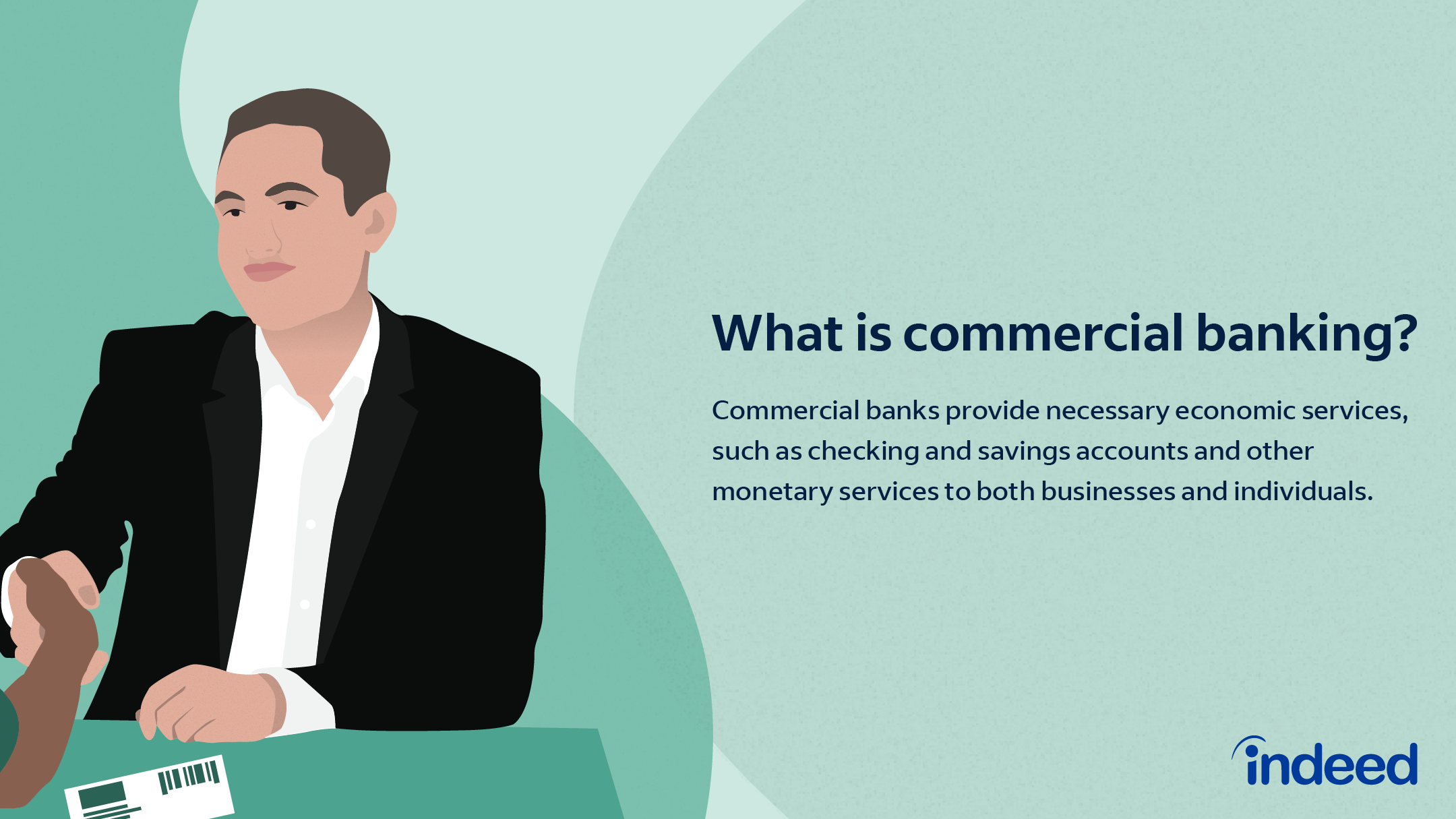
Commercial banking is often described as the backbone of the global economy. While retail banking focuses on the individual consumer and investment banking focuses on capital markets and large-scale mergers, commercial banking sits squarely in the middle, serving the financial needs of businesses. From small local enterprises to massive multinational corporations, commercial bankers are the primary conduits through which capital flows into the productive sectors of society.
A commercial banker’s role is multifaceted, blending financial analysis, strategic consulting, risk management, and relationship building. They are not merely lenders; they are financial partners who help businesses navigate growth, manage liquidity, and mitigate the risks inherent in operating a commercial enterprise.
The Strategic Architect of Corporate Finance
At its core, the role of a commercial banker is to facilitate the movement of capital to businesses that can use it to grow, innovate, and provide employment. This involves much more than just approving loans. It requires a deep understanding of how businesses operate, the economic cycles that affect specific industries, and the intricate mechanics of corporate cash flow.
Distinguishing Commercial Banking from Other Sectors
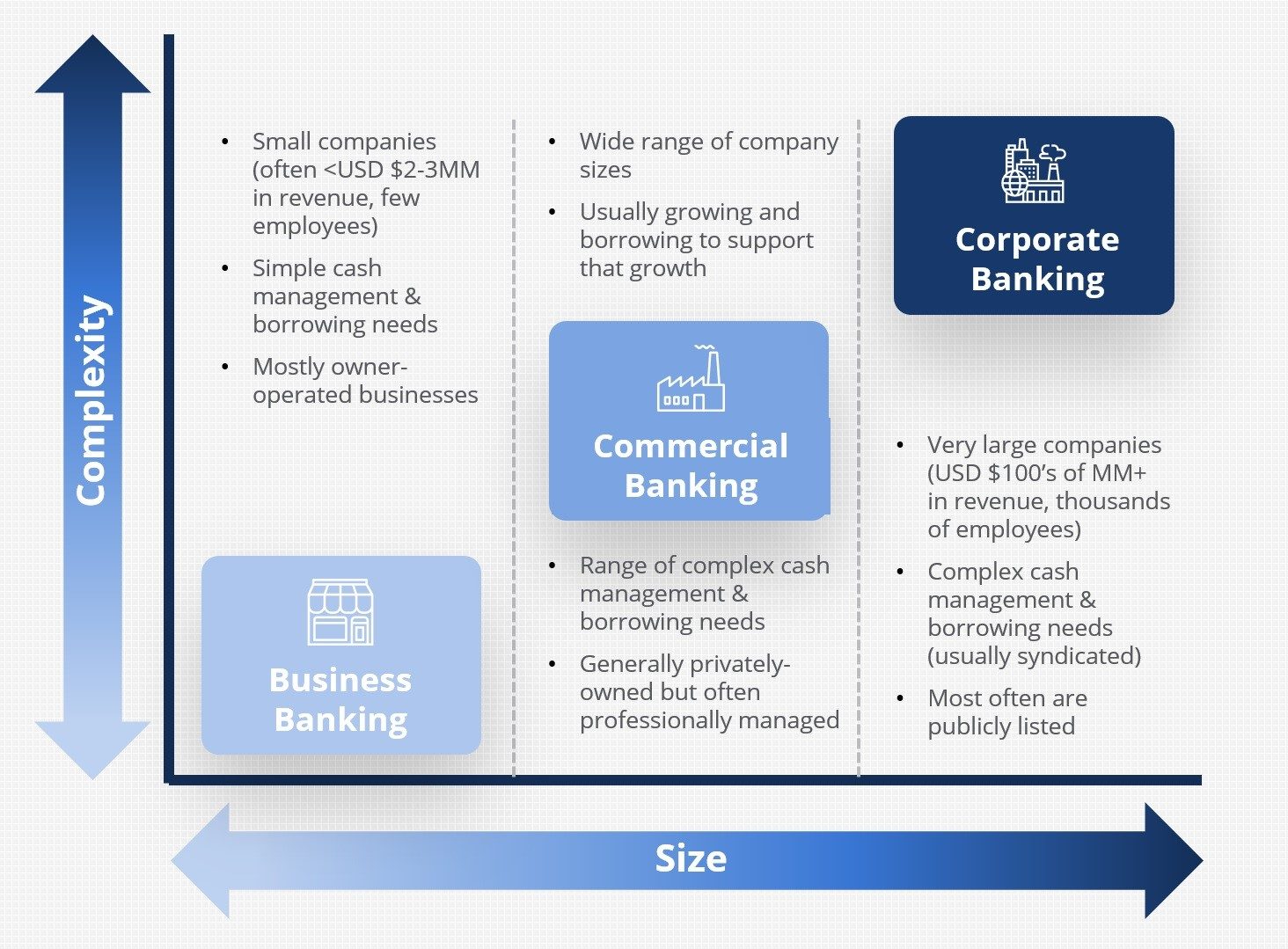
To understand what a commercial banker does, one must first distinguish the field from its counterparts. Retail bankers handle personal checking accounts, mortgages, and car loans for individuals. Investment bankers deal with the issuance of stocks and bonds and the facilitation of high-level corporate mergers. Commercial bankers, however, focus on the “middle market” and corporate entities. They provide the working capital, equipment financing, and treasury services that keep businesses running day-to-day.
The relationship between a commercial banker and a client is typically long-term. While an investment banker might work on a single, massive transaction and then move on, a commercial banker often works with a company for decades, supporting them through every stage of their business lifecycle.
Managing the Business Credit Lifecycle
The credit lifecycle is the primary framework through which a commercial banker operates. This cycle begins with the identification of a business’s capital needs. Whether a company needs to purchase a new warehouse, upgrade its fleet of vehicles, or manage a seasonal gap in cash flow, the commercial banker is the first point of contact.
The banker must assess the viability of the request. This involves a rigorous process of due diligence, where the banker examines the company’s history, its management team, and its competitive position in the market. Once a loan is originated, the banker’s job moves into the monitoring phase, ensuring the company remains financially healthy and capable of meeting its obligations.
The Mechanics of Underwriting and Risk Mitigation
One of the most critical functions of a commercial banker is risk assessment. Every dollar lent is a dollar at risk, and the banker acts as a gatekeeper for the bank’s capital. This requires a high degree of technical proficiency in financial statement analysis and a keen eye for potential red flags.
Analyzing Financial Statements and Ratios
Commercial bankers spend a significant portion of their time “spreading” financials. This process involves taking a company’s balance sheets, income statements, and cash flow statements and analyzing them over several years to identify trends.
Key metrics include the Debt Service Coverage Ratio (DSCR), which measures a company’s ability to pay its current debt obligations using its operating income. They also look at liquidity ratios, such as the current ratio and the quick ratio, to ensure the business has enough “dry powder” to handle unexpected expenses. Leverage ratios are also scrutinized to ensure the company isn’t taking on more debt than its equity base can support. By understanding these numbers, the banker can determine the creditworthiness of a borrower and the likelihood of repayment.
Structuring Debt and Loan Agreements
Once the risk is assessed, the commercial banker must structure the loan. This is where the role becomes creative. No two businesses are exactly alike, and a one-size-fits-all loan rarely works. Bankers must decide on the appropriate interest rate, the repayment schedule, and the necessary collateral.
Collateral can include real estate, inventory, accounts receivable, or equipment. The banker must also negotiate “covenants”—financial benchmarks that the borrower must maintain throughout the life of the loan. For example, a covenant might require the company to maintain a certain level of net worth or limit the amount of additional debt they can take on. These structures are designed to protect the bank while providing the business with the flexibility it needs to operate.
Treasury Management: Optimizing Cash Flow and Operations
While lending is the most visible part of commercial banking, treasury management is equally vital. Treasury services help businesses manage their daily cash inflows and outflows more efficiently. For many large corporations, the interest earned or saved through effective treasury management can represent millions of dollars in annual profit.
Liquidity Management and Working Capital Solutions
Commercial bankers provide tools that help businesses optimize their liquidity. This includes sophisticated checking and savings accounts, but it also extends to automated clearing house (ACH) services, wire transfers, and “sweep” accounts that automatically move excess cash into interest-bearing vehicles at the end of the day.
A commercial banker also helps businesses manage their working capital cycle—the time it takes to turn raw materials into cash. By providing lines of credit or supply chain financing, the banker ensures that a company doesn’t run out of cash while waiting for customers to pay their invoices.
Navigating Global Trade and Merchant Services
For businesses that operate internationally, commercial bankers provide trade finance services. This includes letters of credit, which act as a guarantee of payment between buyers and sellers in different countries, reducing the risk of international trade.
Furthermore, commercial bankers oversee merchant services, allowing businesses to accept credit and debit card payments. In an increasingly digital economy, providing a seamless and secure payment processing system is a core value proposition that bankers offer to their corporate clients.
Relationship Management and Business Development
A commercial banker is, at heart, a relationship manager. In a competitive market where many banks offer similar products, the quality of the relationship is often the deciding factor for a client.
Building Client Trust and Industry Expertise
To be effective, a commercial banker must become an expert in their clients’ industries. A banker specializing in healthcare will have a very different perspective than one specializing in manufacturing or agriculture. By understanding the specific challenges of a sector—such as regulatory changes in medicine or supply chain disruptions in manufacturing—the banker can provide proactive advice rather than just reactive service.
Relationship management involves regular “check-ins,” site visits to the client’s facilities, and constant communication. The goal is to move from being a “vendor” to a “trusted advisor.” When a business owner is considering a major acquisition or a change in strategy, the commercial banker is often one of the first people they call for a second opinion.
Regulatory Compliance and Ethical Stewardship
The banking industry is one of the most heavily regulated sectors in the world. Commercial bankers must navigate a complex web of laws, including Anti-Money Laundering (AML) and “Know Your Customer” (KYC) regulations. They are responsible for ensuring that the bank does not inadvertently facilitate illegal activities.
This requires a high level of integrity and attention to detail. Every new client must be thoroughly vetted, and every transaction must be monitored for suspicious activity. The commercial banker acts as the first line of defense for the financial system, ensuring that the capital flowing through their institution is legitimate and that the bank remains in compliance with federal and international laws.
The Future of Commercial Banking: Innovation and ESG
The world of commercial banking is undergoing a rapid transformation. Technology and changing social values are redefining what it means to be a banker in the 21st century.
The Digital Transformation of Commercial Credit
Artificial Intelligence and Big Data are changing how commercial bankers assess risk. Traditionally, underwriting was a manual, slow process. Today, bankers use sophisticated algorithms to analyze data points that go far beyond traditional financial statements. This allows for faster loan approvals and more accurate pricing of risk.
However, the human element remains irreplaceable. While an AI can crunch numbers, it cannot understand the nuances of a management team’s vision or the local community’s sentiment toward a new development project. The modern commercial banker must be tech-savvy, using digital tools to enhance their analysis while maintaining the personal touch that builds long-term trust.

Impact Investing and Sustainable Finance
Environmental, Social, and Governance (ESG) criteria are becoming central to commercial banking. More businesses are seeking “green loans” or financing that is tied to sustainability goals. Commercial bankers are increasingly tasked with evaluating the environmental impact of their lending portfolios.
This shift is driven by both regulatory pressure and market demand. Investors and consumers alike want to see capital directed toward sustainable practices. A commercial banker today must be able to advise clients on how to transition to more sustainable business models and how to access the growing pool of capital dedicated to ESG-compliant projects.
In conclusion, the work of a commercial banker is a sophisticated blend of financial science and the art of relationship building. They are the primary architects of the financial structures that allow businesses to thrive. By managing risk, providing liquidity, and offering strategic advice, commercial bankers ensure that the wheels of commerce continue to turn, supporting economic growth and stability across the globe. Whether they are analyzing a balance sheet, negotiating a complex loan agreement, or advising a CEO on a major expansion, their influence is felt in every corner of the business world.
aViewFromTheCave is a participant in the Amazon Services LLC Associates Program, an affiliate advertising program designed to provide a means for sites to earn advertising fees by advertising and linking to Amazon.com. Amazon, the Amazon logo, AmazonSupply, and the AmazonSupply logo are trademarks of Amazon.com, Inc. or its affiliates. As an Amazon Associate we earn affiliate commissions from qualifying purchases.