
In the intricate world of premium cigars, the question “what do cigars taste like?” extends far beyond a simple sensory inquiry. It delves into the very essence of brand identity, strategic positioning, and the meticulous craftsmanship that defines an esteemed product. For cigar brands, taste is not merely an attribute; it is the cornerstone of their legacy, the promise they deliver with every draw, and the primary differentiator in a competitive market. Understanding the multifaceted flavor profiles of cigars is, therefore, crucial to appreciating how brands are built, perceived, and sustained through a consistent and distinctive sensory experience.

The Core Elements of a Cigar’s Flavor Profile: A Brand’s Blueprint
A cigar’s taste is a complex symphony, orchestrated by a multitude of factors, each carefully managed by brands to forge a unique identity. From the soil where the tobacco grows to the final aging process, every step is a deliberate choice influencing the ultimate flavor profile that a brand stakes its reputation upon.
Tobacco Varietals and Terroir: The Foundation of Brand Distinction
At the heart of any cigar’s flavor lies its tobacco. Brands meticulously select specific varietals, each contributing distinct characteristics. For instance, Corojo tobacco is known for its spicy, peppery notes, while Connecticut Shade often imparts creamy, buttery nuances. But it’s not just the varietal; it’s the terroir – the unique combination of soil, climate, and topography – that truly defines the tobacco’s potential.
Nicaraguan tobaccos from Estelí are renowned for their robust, earthy, and peppery intensity, often forming the backbone of full-bodied brands. Conversely, tobaccos from the Cibao Valley in the Dominican Republic might yield lighter, sweeter, and more aromatic profiles, favored by brands aiming for a smoother, more refined experience. A brand’s commitment to sourcing specific tobaccos from particular regions is a strategic decision, establishing a unique flavor signature that consumers learn to associate directly with that brand. This strategic selection is akin to a wine brand’s reliance on specific grape varietals from renowned vineyards, instantly communicating quality and a predictable sensory experience.
Wrapper, Binder, and Filler: The Blend as a Brand’s Signature
A cigar is not a single leaf but a carefully constructed blend of three primary components: the wrapper, the binder, and the filler. Each plays a critical role in shaping the overall flavor and burning characteristics, and a brand’s master blenders meticulously balance these elements to achieve their desired profile.
- Wrapper: This outer leaf is often considered the most influential flavor component, contributing up to 70% of the cigar’s taste. Brands choose wrappers not only for their aesthetic appeal (e.g., dark, oily Maduro; silky, light Connecticut Shade) but also for their direct impact on flavor. A spicy Ecuadorian Habano wrapper can impart an immediate kick, while a delicate Cameroon wrapper might introduce subtle sweetness and complexity. The wrapper is often the first impression a consumer has of a cigar, both visually and sensorily, making its selection a critical brand decision.
- Binder: Nestled just beneath the wrapper, the binder leaf holds the filler together and significantly impacts the burn. While less dominant in flavor than the wrapper, it contributes its own characteristics, often adding to the body and consistency of the smoke. Brands leverage binder leaves to either complement or subtly contrast the wrapper and filler, fine-tuning the overall experience.
- Filler: The innermost leaves, or filler, make up the bulk of the cigar and provide the core flavor profile. Brands often use a blend of different filler tobaccos (e.g., Ligero for strength, Seco for aroma, Volado for burn) from various regions to create depth and complexity. The precise ratio and selection of filler tobaccos are proprietary secrets, carefully guarded recipes that define a brand’s unique taste identity.
The art of blending these components is where a cigar brand truly distinguishes itself. A consistent blend delivers a consistent taste, fostering brand loyalty and consumer trust.
Fermentation and Aging: Time as a Brand’s Secret Ingredient
Beyond the raw materials, the processes of fermentation and aging are critical to developing the nuanced flavors that differentiate premium cigar brands.
- Fermentation: After harvest, tobacco leaves undergo controlled fermentation, a natural process where heat and moisture break down chlorophyll and complex proteins. This removes harshness, refines the flavor, and deepens the color of the leaves. Brands often employ multiple fermentation cycles, some lasting for years, to achieve specific flavor characteristics, such as increased sweetness, earthiness, or spice.
- Aging: Once cigars are rolled, many premium brands subject them to further aging in cedar rooms, often for months or even years. This “marriage” period allows the different tobaccos within the blend to meld, harmonize, and develop greater complexity and smoothness. The cedar imparts its own subtle notes, contributing to the cigar’s aroma. For brands, extensive aging is a hallmark of quality and a commitment to delivering a refined, mellowed product, often commanding higher prices and building a reputation for superior craftsmanship. These processes are not merely steps; they are strategic investments in brand excellence, transforming raw tobacco into a polished, signature product.
Decoding the Flavor Palette: A Lexicon for Brand Positioning
To articulate what cigars taste like, one needs a descriptive lexicon. Cigar brands strategically employ this language to position their products, attracting consumers who seek specific sensory experiences.
Primary Flavor Categories: Defining a Brand’s Initial Impression
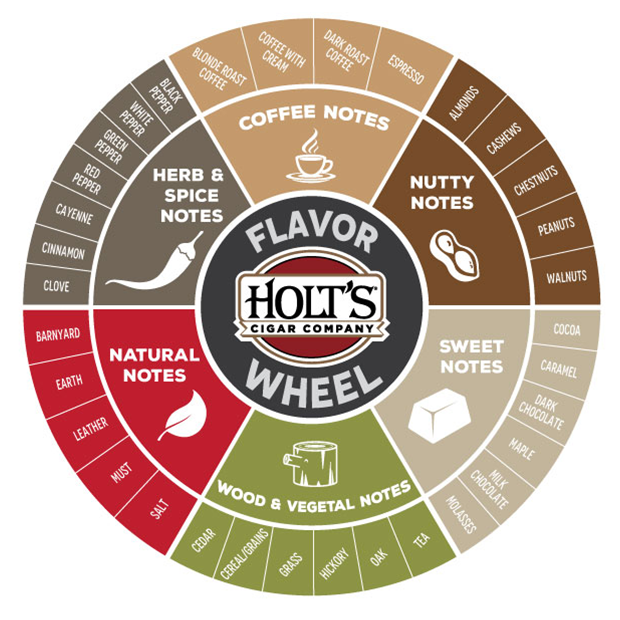
When describing a cigar’s taste, certain primary categories emerge, serving as broad descriptors for a brand’s general profile:
- Earthy: Notes of soil, mushroom, damp wood. Brands emphasizing natural, rustic authenticity often lean into this profile.
- Spicy: Black pepper, red pepper, chili, cinnamon, nutmeg. Brands seeking to deliver a bold, invigorating experience frequently feature prominent spice.
- Sweet: Caramel, honey, molasses, chocolate, vanilla, dried fruit. Brands targeting a smoother, more approachable audience often highlight these comforting notes.
- Woody: Cedar, oak, pine, mesquite. A classic and often elegant profile, brands focusing on tradition and refinement frequently incorporate woody undertones.
- Creamy/Buttery: A rich, smooth texture often accompanied by notes of latte or shortbread. Brands aiming for luxurious indulgence and a gentle experience often highlight creaminess.
- Nutty: Almond, walnut, cashew, peanut. Subtle and sophisticated, nutty notes contribute to complex and well-rounded brand profiles.
These primary categories form the foundation of how brands communicate their general taste direction and help consumers quickly identify products aligned with their preferences.
Nuances and Retrohale: The Depth of Brand Experience

Beyond primary flavors, a cigar’s taste often includes a wealth of nuanced notes that unfold throughout the smoke. These subtleties — hints of leather, coffee, espresso, floral tones, citrus, or even mineral notes — add layers of complexity. Many of these nuances are best perceived through the “retrohale,” the act of exhaling smoke through the nose, which allows the olfactory receptors to pick up a broader spectrum of aromas. Brands that excel in delivering these intricate, evolving flavor journeys are often considered masters of their craft, appealing to connoisseurs who appreciate depth and discovery in their smoking experience. The ability to craft a cigar that reveals new facets of flavor with each puff speaks volumes about a brand’s expertise and attention to detail.
Strength and Body: Brand Intensity and Market Segmentation
While related to flavor, “strength” and “body” describe the physical sensation of smoking a cigar.
- Strength refers to the nicotine content and its stimulating effect. Brands range from mild (low nicotine, gentle) to medium (balanced, noticeable presence) to full (high nicotine, potent).
- Body relates to the richness and weight of the smoke on the palate. A light-bodied cigar might feel airy, while a full-bodied cigar feels robust and substantial.
Brands strategically design cigars with specific strengths and bodies to cater to different segments of the market. A brand known for its “morning cigars” might focus on mild to medium body and strength, while another might exclusively produce full-bodied powerhouses for experienced smokers seeking an intense experience. This segmentation allows brands to carve out specific niches and build loyal followings based on the desired physical impact of their cigars.
Flavor as a Brand Strategy: Building Legacy and Loyalty
For cigar brands, taste is not an accidental outcome; it’s a meticulously managed asset, central to their long-term strategy and consumer engagement.
Consistency and Quality Control: The Pillars of Brand Trust
One of the most significant challenges and triumphs for any premium cigar brand is maintaining flavor consistency across countless production batches, year after year. Tobacco is an agricultural product, inherently subject to variations based on harvest, weather, and curing. It is the brand’s rigorous quality control, meticulous blending protocols, and expert tobacco management that ensure a Romeo y Julieta Churchill tastes like a Romeo y Julieta Churchill, regardless of when or where it was purchased. This unwavering consistency builds immense brand trust and loyalty, assuring consumers that they will receive the expected quality and flavor profile every time. Deviations can quickly erode a brand’s reputation, underscoring the critical importance of this aspect of brand management.
Innovation and Limited Editions: Expanding Brand Horizons
While consistency is key, brands also leverage flavor innovation to keep their offerings fresh and exciting. Limited edition cigars, special releases, and new lines often feature experimental blends, rare tobaccos, or unique aging processes that push the boundaries of flavor. These innovative releases allow brands to:
- Attract new consumers: By offering novel experiences.
- Reward existing loyalists: With exclusive, highly sought-after products.
- Showcase blending prowess: Demonstrating the brand’s ability to create diverse and complex profiles.
This strategic use of innovation helps brands stay relevant, generate buzz, and demonstrate their mastery over flavor, reinforcing their position as leaders in the industry.
Marketing Flavor: Communicating Brand Experience
Effective marketing is crucial for communicating a cigar brand’s flavor profile to its target audience. Brands employ evocative language, descriptive tasting notes, and lifestyle imagery to paint a vivid picture of the sensory experience. Whether through detailed product descriptions on their websites, expert reviews, or social media campaigns, brands aim to translate the intangible experience of taste into compelling narratives. They often associate certain flavors with moods, occasions, or even aspirational lifestyles, connecting deeply with consumer desires beyond just the physical act of smoking. This strategic communication ensures that the brand’s flavor identity resonates effectively with its market.
The Consumer’s Palate: Experiencing and Valuing Brand Flavors
Ultimately, the goal of every cigar brand is to create a memorable and enjoyable experience for the consumer. Understanding and appreciating the nuances of a cigar’s taste profile enhances this experience significantly.
Developing a Sophisticated Palate: An Appreciation of Brand Craftsmanship
For consumers, developing a sophisticated palate for cigars is a journey of discovery. It involves actively seeking out different brands, paying attention to the wrapper, binder, and filler, and consciously identifying the evolving flavors from the first puff to the last. By training the palate, consumers can better discern the subtle differences between brands, appreciate the artistry of a master blender, and make more informed choices that align with their personal preferences. This heightened appreciation fosters a deeper connection to the brands they enjoy, transforming a casual smoke into a connoisseur’s experience.
Pairing Cigars: Enhancing the Brand Experience
Just as wine is paired with food, cigars can be expertly paired with beverages to enhance and complement their flavor profiles. A full-bodied, spicy cigar might harmonize beautifully with a robust single malt scotch or a dark espresso, where the intense flavors play off each other. A milder, creamy cigar might be a perfect companion to a delicate rum, a light lager, or even a nuanced tea, allowing its subtleties to shine. Brands often provide pairing recommendations or curate experiences that highlight optimal pairings, further enriching the consumer’s engagement with their product and demonstrating a holistic understanding of the sensory journey. These pairings extend the brand experience, solidifying its place in moments of leisure and enjoyment.
In conclusion, “what do cigars taste like” is a question with a profound answer rooted in brand strategy. The flavors and aromas are not accidental; they are meticulously cultivated, blended, and presented to define a brand’s identity, communicate its values, and forge a lasting connection with its consumers. For any cigar brand, mastery over taste is mastery over its destiny.
aViewFromTheCave is a participant in the Amazon Services LLC Associates Program, an affiliate advertising program designed to provide a means for sites to earn advertising fees by advertising and linking to Amazon.com. Amazon, the Amazon logo, AmazonSupply, and the AmazonSupply logo are trademarks of Amazon.com, Inc. or its affiliates. As an Amazon Associate we earn affiliate commissions from qualifying purchases.